
Die Wunderheilung des zornigen Sohnes — History & Facts
In Die Wunderheilung des zornigen Sohnes, vibrant colors dominate the scene, showcasing a miraculous healing. The figures are expressive, with the central character displaying a mix of anger and hope. Surrounding them are onlookers, their faces reflecting a range of emotions from disbelief to awe.
The setting is rich with details, enhancing the dramatic moment of the miracle. The painting is executed in oil on canvas, a common medium for Giovanni Battista Tiepolo. The dimensions are approximately 150 x 200 cm, making it a large piece that captures attention. Tiepolo's use of light and shadow adds depth, creating a dynamic composition.
The intricate details of the clothing and expressions reveal his skill in portraying human emotion. Giovanni Battista Tiepolo was a prominent Italian painter of the Rococo style, known for his grand and theatrical works. This painting, created in the c. 1750s, exemplifies his ability to blend narrative and emotion.
An interesting fact about this work is its focus on a miraculous healing, a theme that resonates deeply in religious art. Tiepolo's influence can be seen in many later artists who admired his dramatic flair.
More Artworks by Giovanni Battista Tiepolo
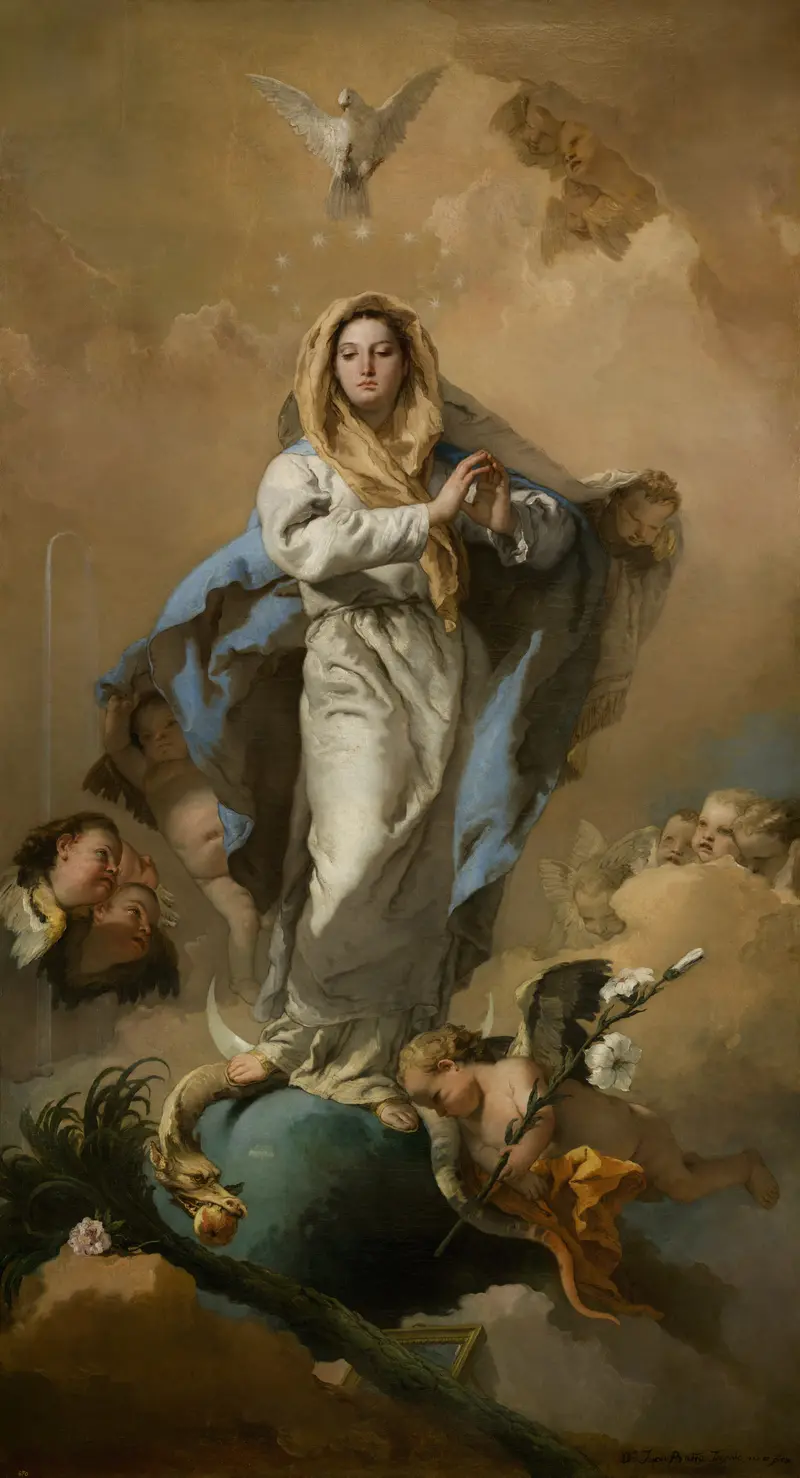
The Immaculate Conception
Giovanni Battista Tiepolo
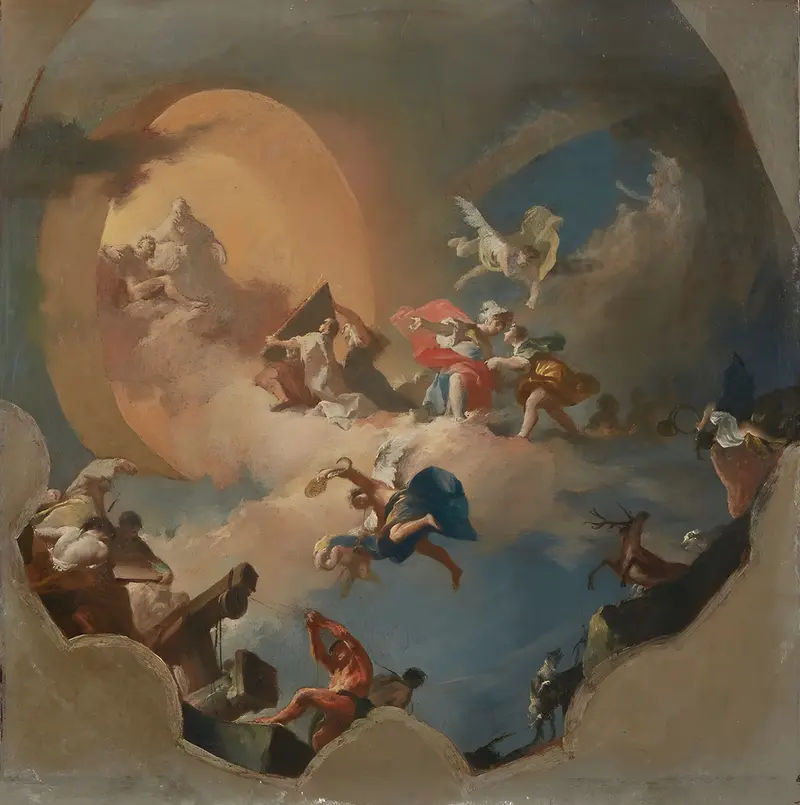
The Apotheosis of the Arts
Giovanni Battista Tiepolo
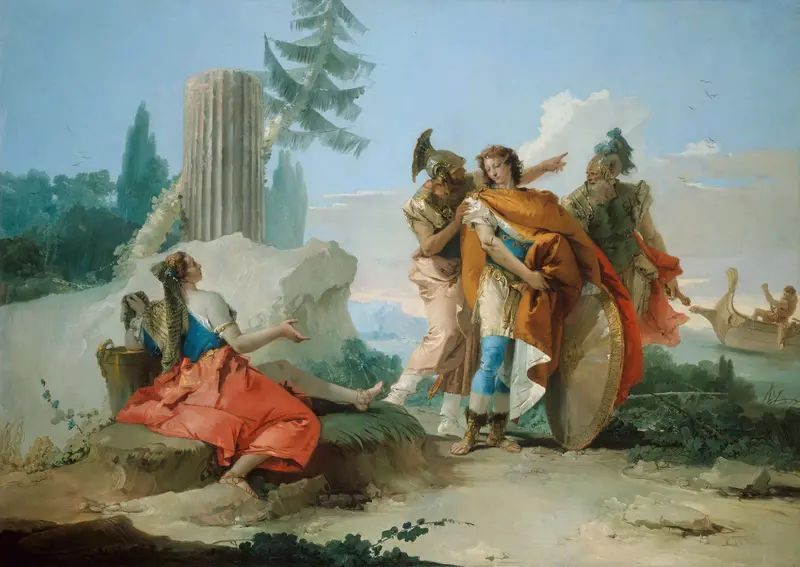
Armida Abandoned by Rinaldo
Giovanni Battista Tiepolo
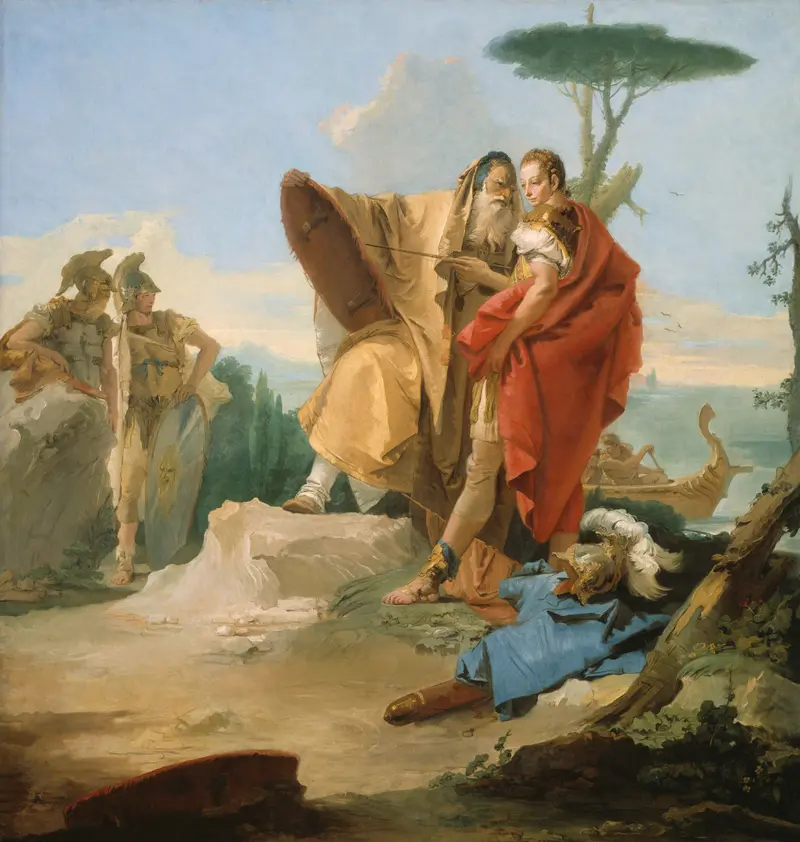
Rinaldo and the Magus of Ascalon
Giovanni Battista Tiepolo
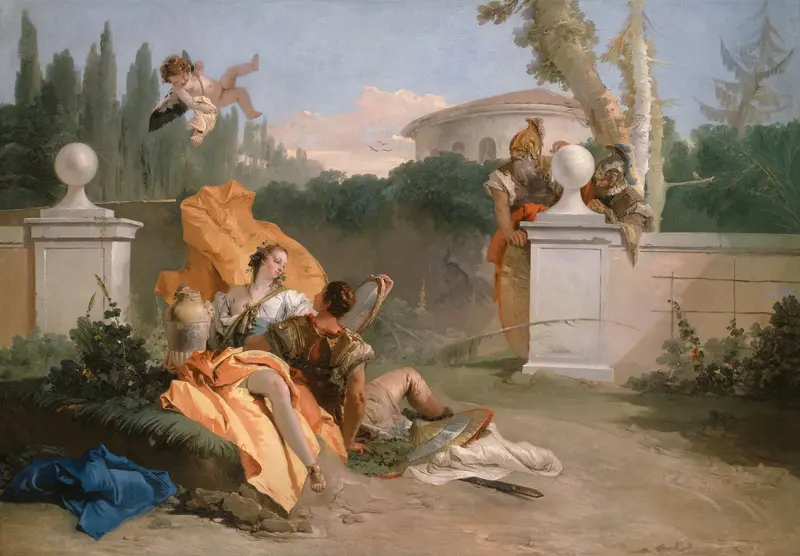
Rinaldo and Armida in Her Garden
Giovanni Battista Tiepolo
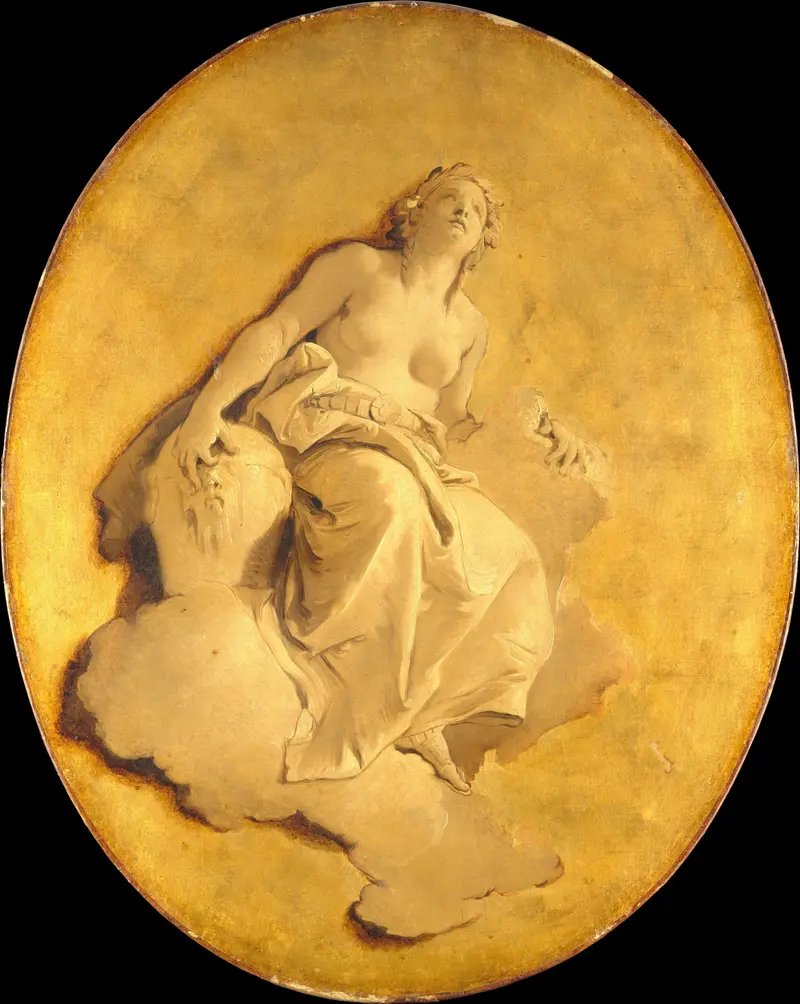
A Female Allegorical Figure
Giovanni Battista Tiepolo
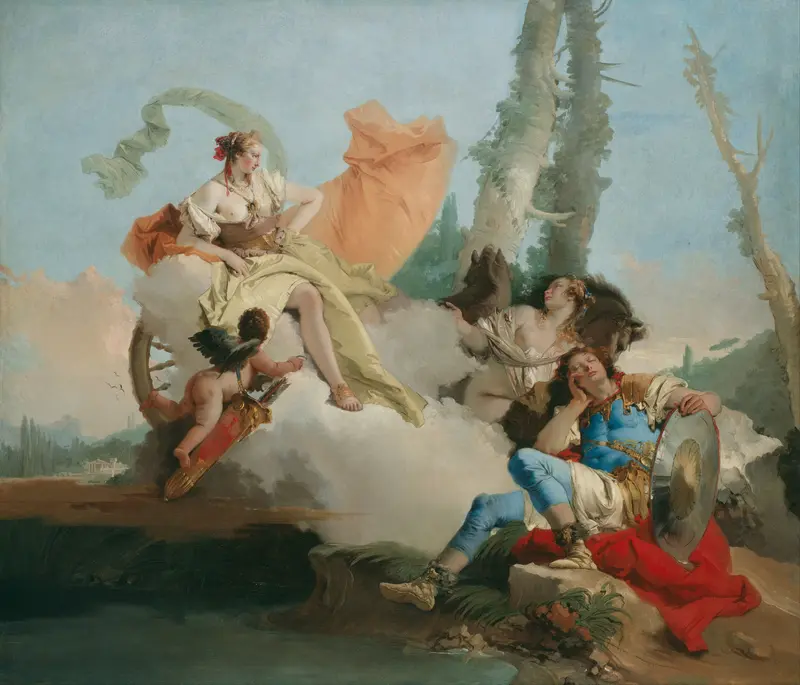
Armida Encounters the Sleeping Rinaldo
Giovanni Battista Tiepolo
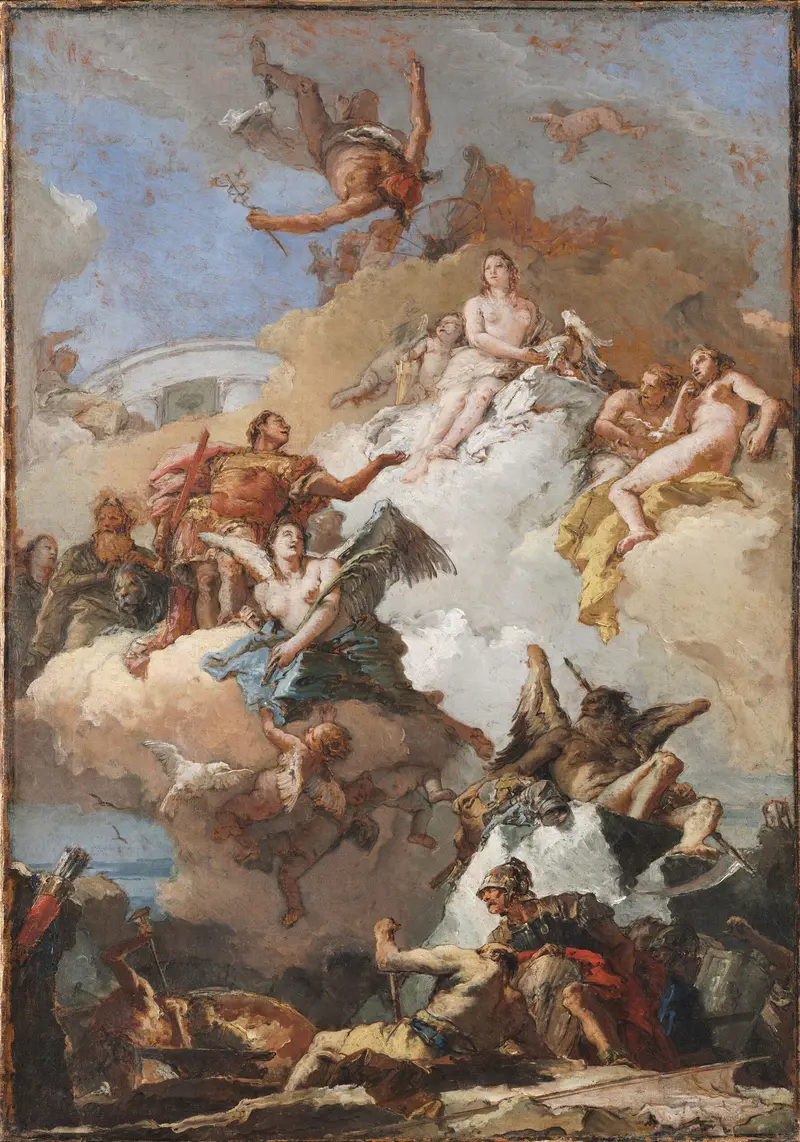
The Apotheosis of Aeneas
Giovanni Battista Tiepolo
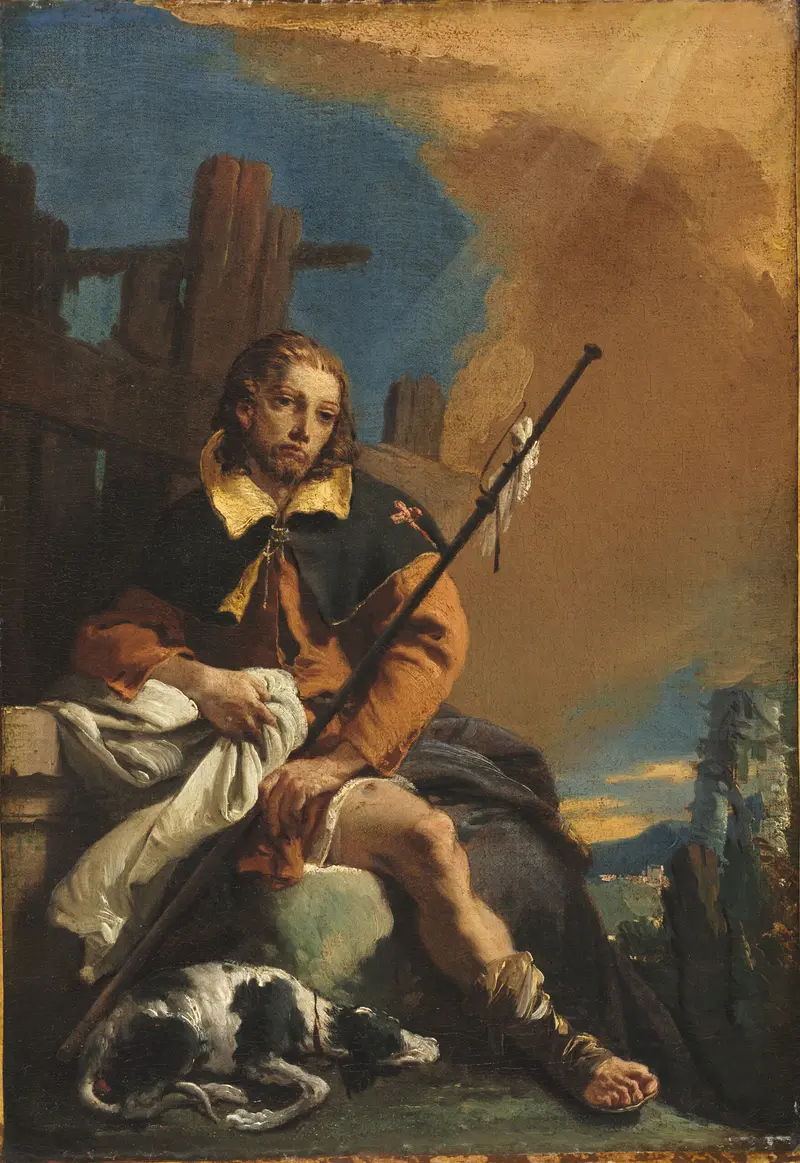
Saint Roch as a Pilgrim
Giovanni Battista Tiepolo
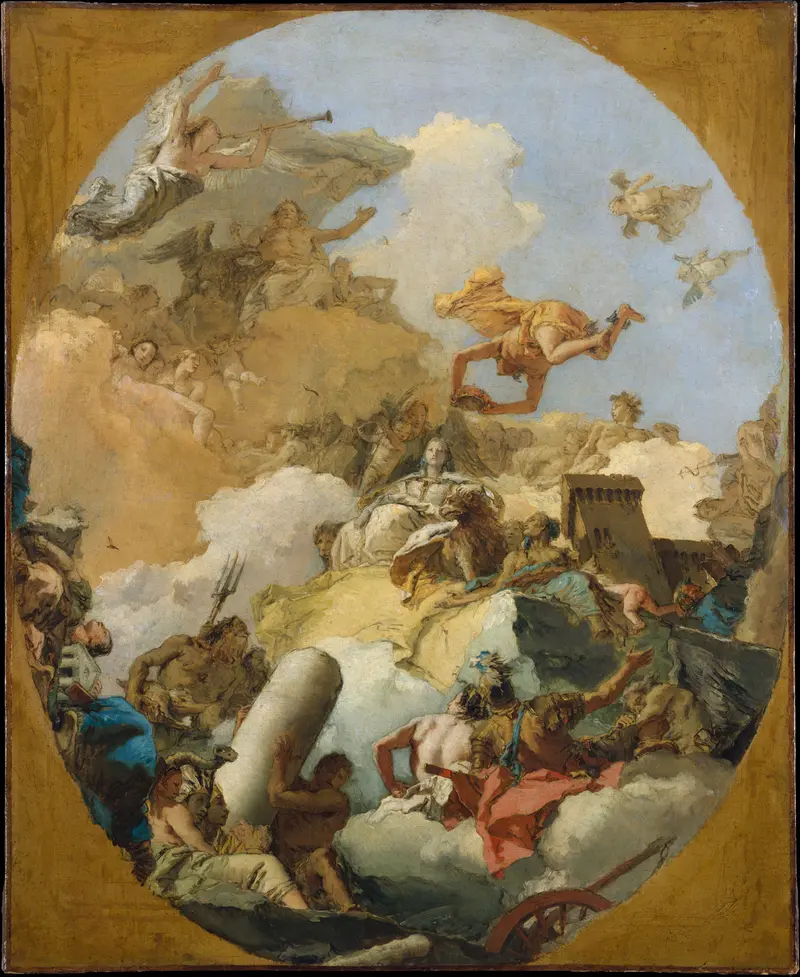
The Apotheosis of the Spanish Monarchy
Giovanni Battista Tiepolo





