
Dokken te Oostende — History & Facts
Did the painter know this moment would outlive them? In the solitude of memory, one can almost hear the whispers of time as they traverse the canvas. Look to the left at the gentle curving shoreline, where the soft hues of twilight blend seamlessly into the deepening blue of the sea. Notice how the artist captures the delicate interplay of light and shadow; a solitary figure stands at the water’s edge, reflected in the calm surface, echoing an introspective stillness. The meticulous brushwork creates a sense of solitude, with subtle gradations of color that evoke both the beauty and the melancholy of the fading day. Beneath the serene exterior lies a poignant tension between isolation and connection.
The figure, seemingly lost in thought, embodies the universal experience of longing, evoking the bittersweet nature of memory. The vastness of the ocean serves as both a boundary and a bridge, hinting at the relationship between the self and the infinite. The presence of twilight adds to the emotional intensity, suggesting a moment caught between the past and the future, reflecting the transient nature of our experiences. In 1920, Léon Spilliaert painted this evocative work during a time when Europe was grappling with the aftermath of World War I and the rise of modernism.
Living in Ostend, Belgium, he was deeply influenced by the coastal landscape, which served as both a refuge and a source of inspiration. This was a period of introspection for the artist, and Dokken te Oostende encapsulates his exploration of solitude and the memory-laden passage of time.
More Artworks by Léon Spilliaert
Browse all →
Beachview at night
Léon Spilliaert

Strand met maan
Léon Spilliaert

De zeedijk te Oostende van op het staketsel gezien
Léon Spilliaert
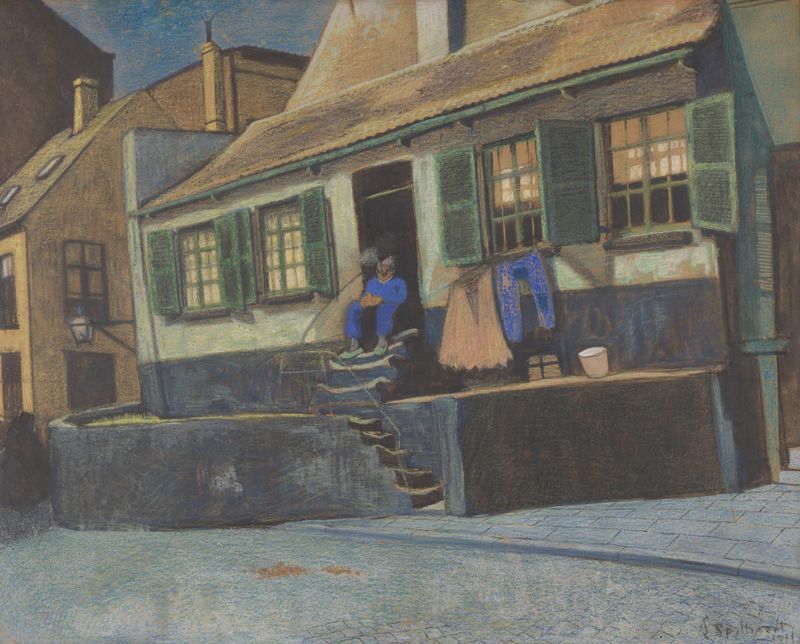
Het huis genaamd ‘De Preekstoel’ te Oostende
Léon Spilliaert

Vijgenboom in de winter, Grasse
Léon Spilliaert
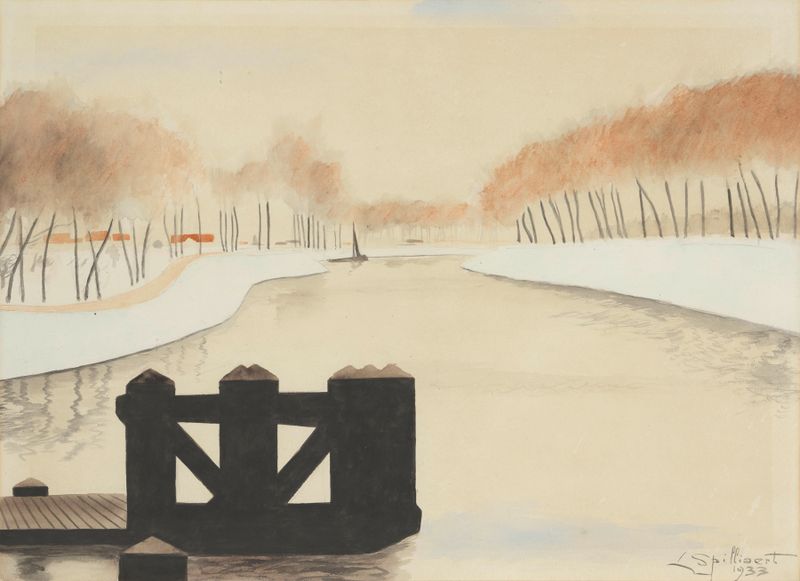
De Keignaertkreek in Zandvoorde
Léon Spilliaert
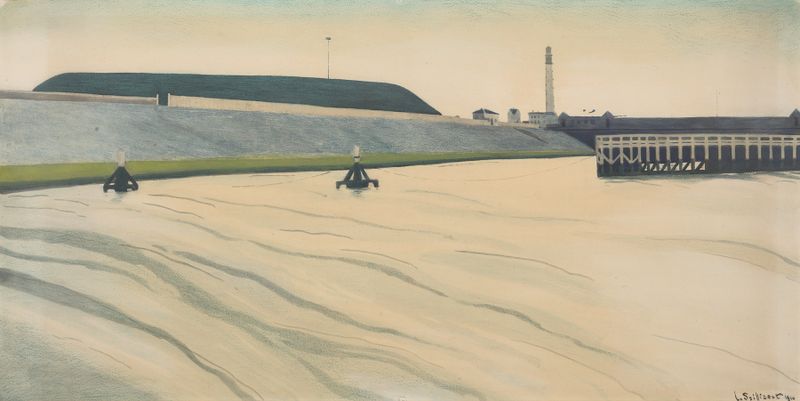
Haven te Oostende
Léon Spilliaert
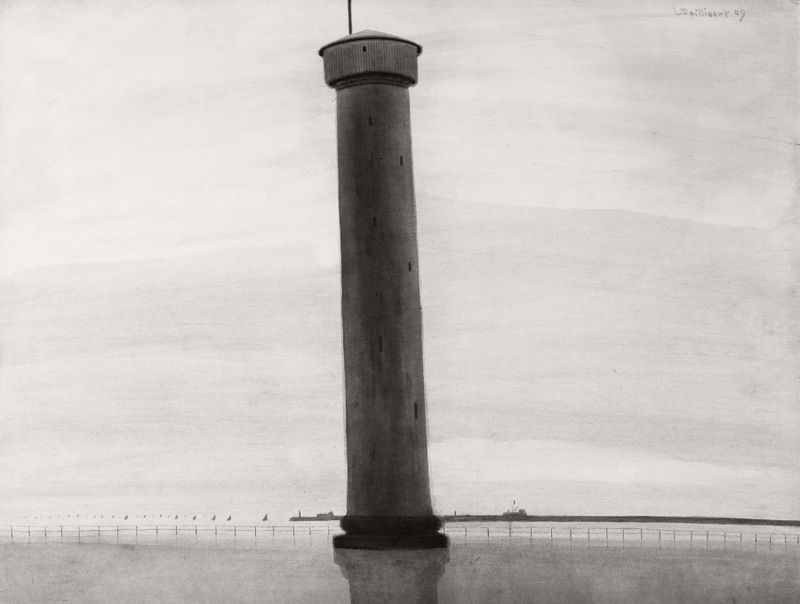
Le Phare aux signaux [De vuurtoren]
Léon Spilliaert
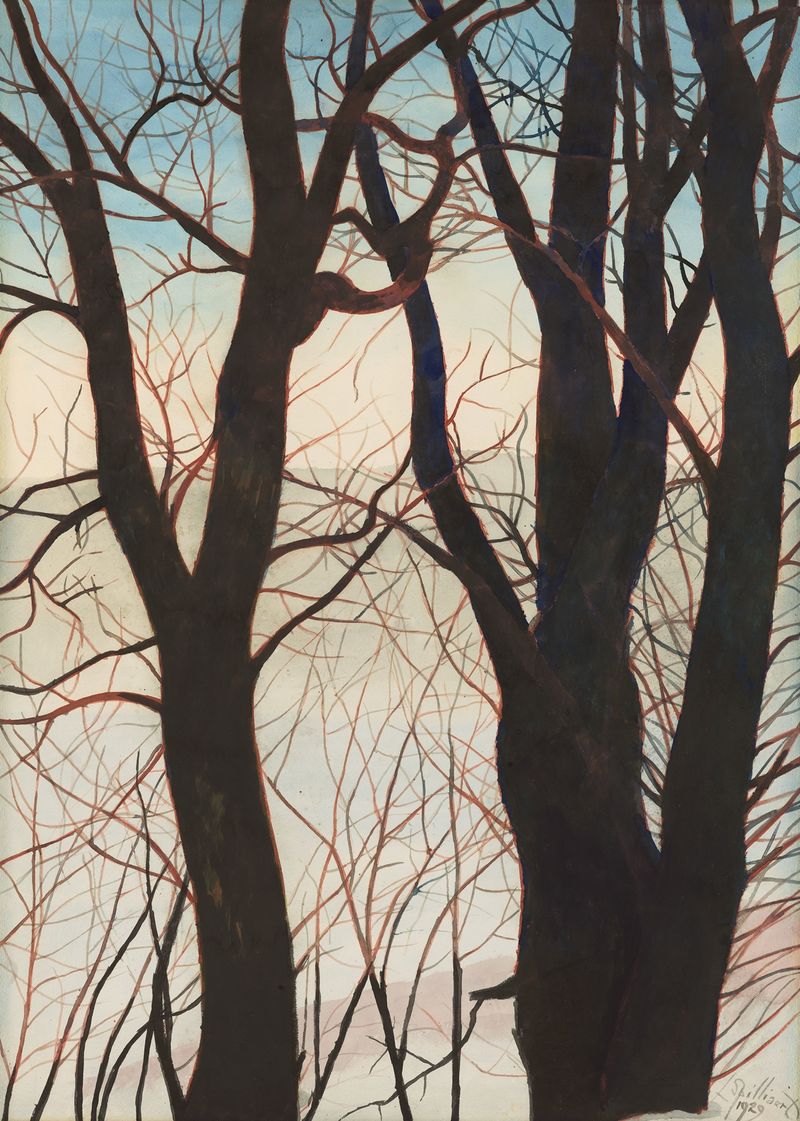
Bomen in de sneeuw
Léon Spilliaert
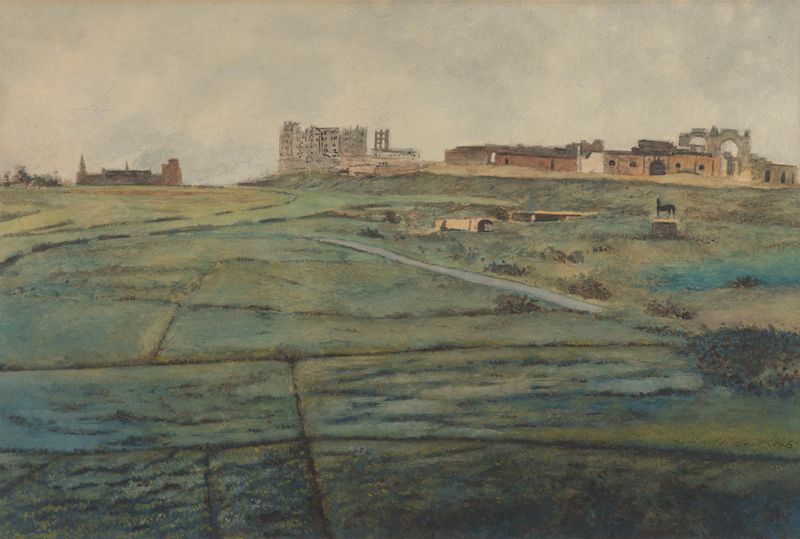
De Wellingtonrenbaan en het Royal Palace Hotel te Oostende kort na de Tweede Wereldoorlog
Léon Spilliaert





