
Don Pedro de Tolède baisant l’épée d’Henri IV. — History & Facts
When Jean Auguste Dominique Ingres unveiled Don Pedro de Tolède baisant l’épée d’Henri IV at the 1819 Salon, it sparked immediate controversy. Critics were divided: some praised its meticulous drawing, while others found its cold precision at odds with the emotional drama of its subject. The painting marks one of the earliest moments when Ingres, then still in his thirties, publicly asserted his allegiance to the linear clarity of Raphael over the painterly color of the Romantics.
This work stands as a rare example of Ingres tackling a scene from French history, rather than the classical or mythological subjects that would later define his career. The canvas captures the solemn moment when Don Pedro de Toledo, ambassador of Spain, kneels to kiss the sword of King Henri IV of France. The gesture is both an act of homage and a recognition of Henri IV’s authority, set during a tense period of Franco-Spanish relations at the turn of the 17th century. Ingres freezes the scene at the instant of contact: Don Pedro’s head bowed, his hand extended, while Henri IV stands in ceremonial armor, his sword offered with a restrained, almost paternal dignity.
The cool, clear light isolates each figure, emphasizing the theatrical choreography of power and loyalty. Unlike Rubens’s more exuberant treatments of courtly ceremony, Ingres’s version is restrained, almost austere, focusing on the psychological tension between the two men. The precise origins of the commission remain unclear, though it is likely that Ingres painted it in Rome during his stay at the Villa Medici, seeking to impress the French art establishment. The painting’s early reception was mixed, with some critics decrying its "icy correctness." Over time, however, it has come to be seen as a key work in Ingres’s development, bridging his early Neoclassical training and the more personal style of his later portraits.
Today, Don Pedro de Tolède baisant l’épée d’Henri IV is held in the Musée des Beaux-Arts de Pau, a testament to Ingres’s enduring fascination with the rituals of power and the legacy of French history.
More Artworks by Jean Auguste Dominique Ingres
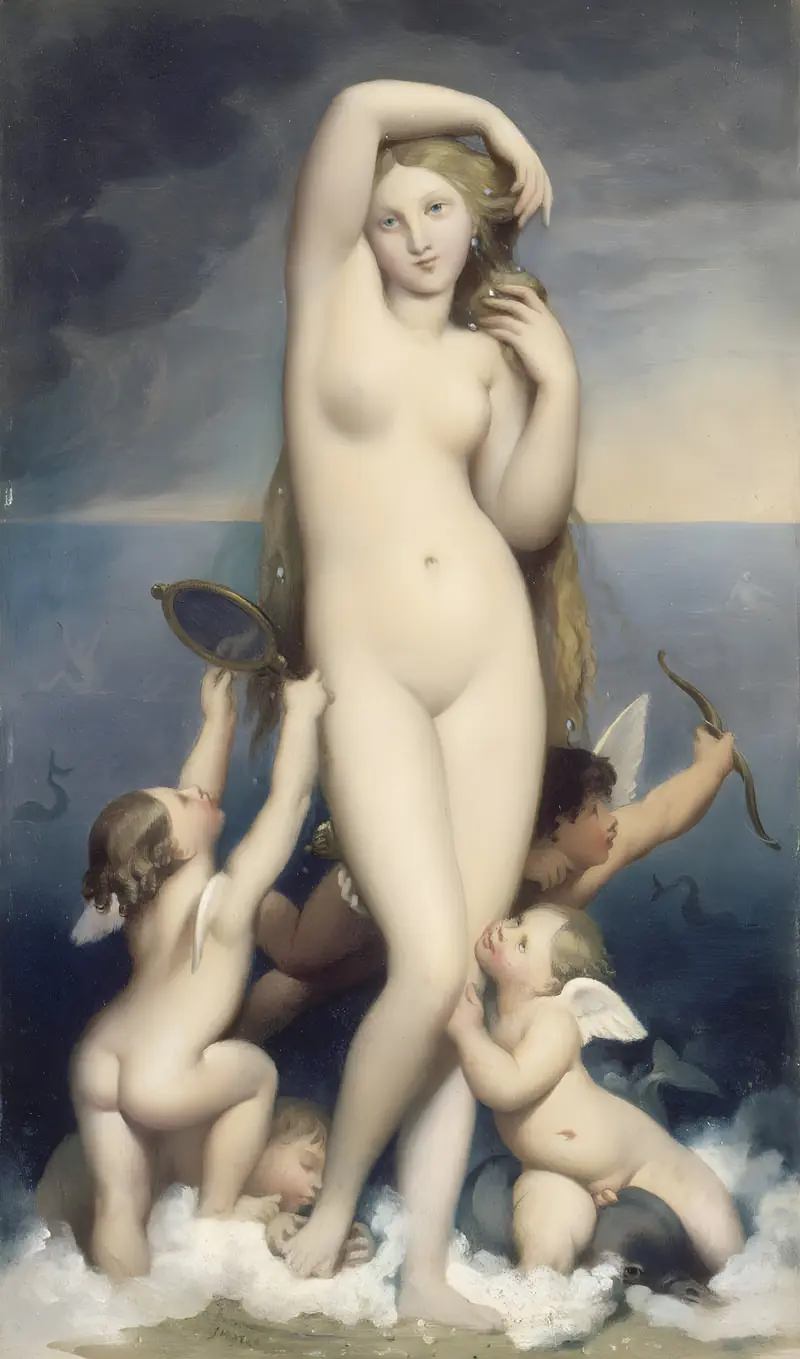
Vénus anadyomène
Jean Auguste Dominique Ingres
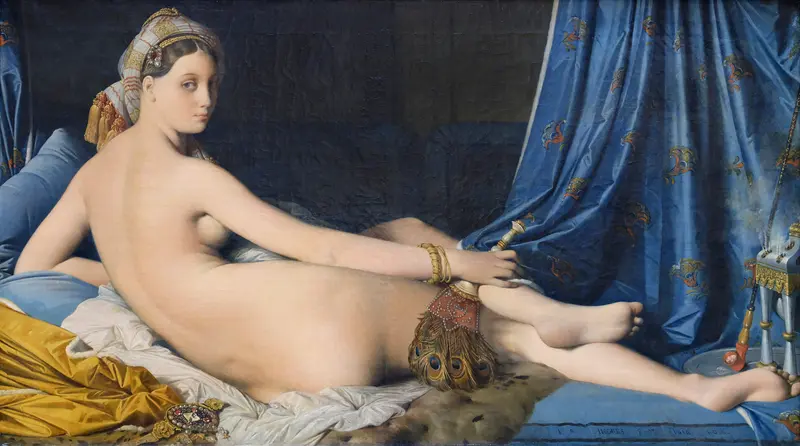
Grande Odalisque
Jean Auguste Dominique Ingres
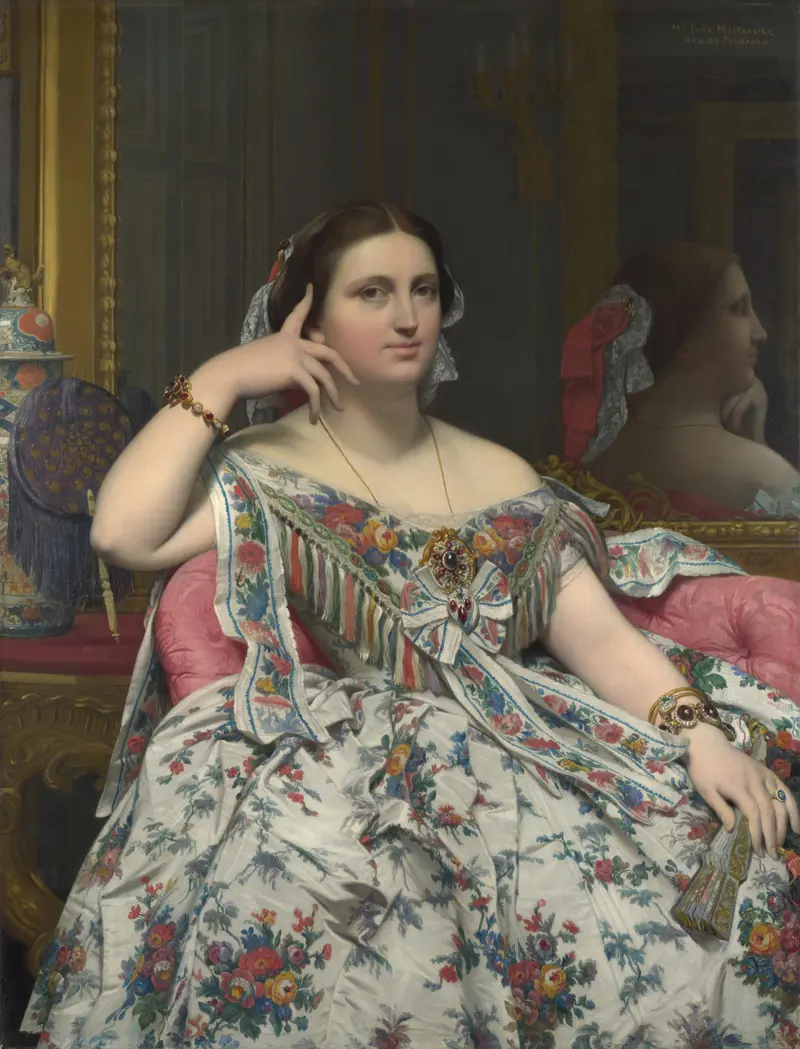
Madame Moitessier (seated)
Jean Auguste Dominique Ingres
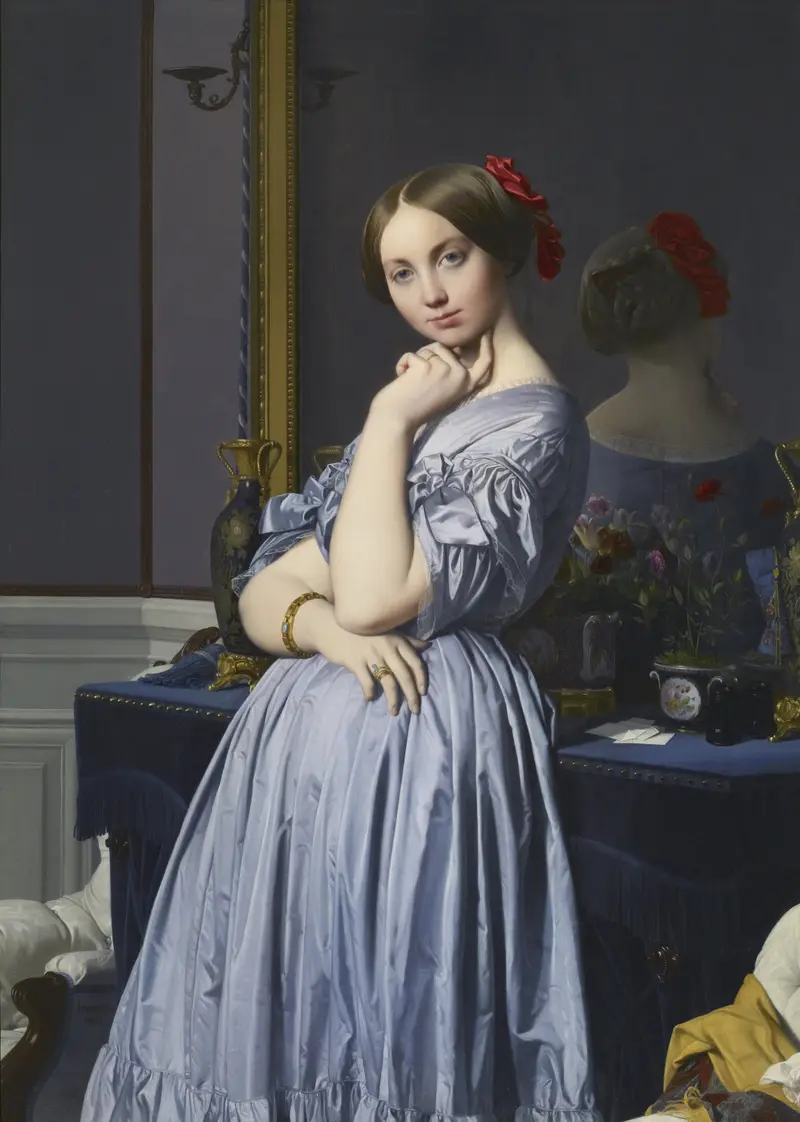
Portrait of Comtesse d’Haussonville
Jean Auguste Dominique Ingres
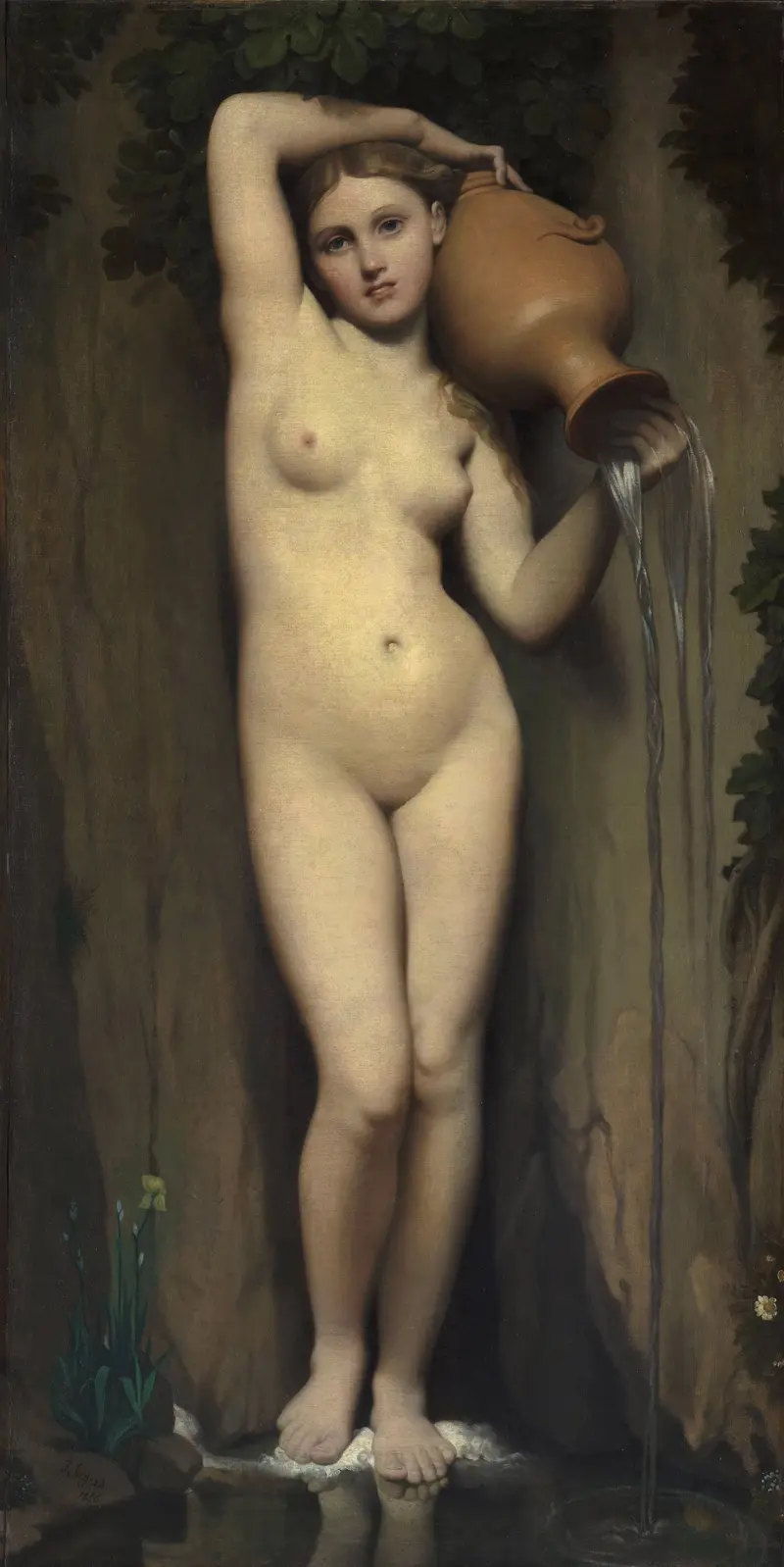
The Source
Jean Auguste Dominique Ingres
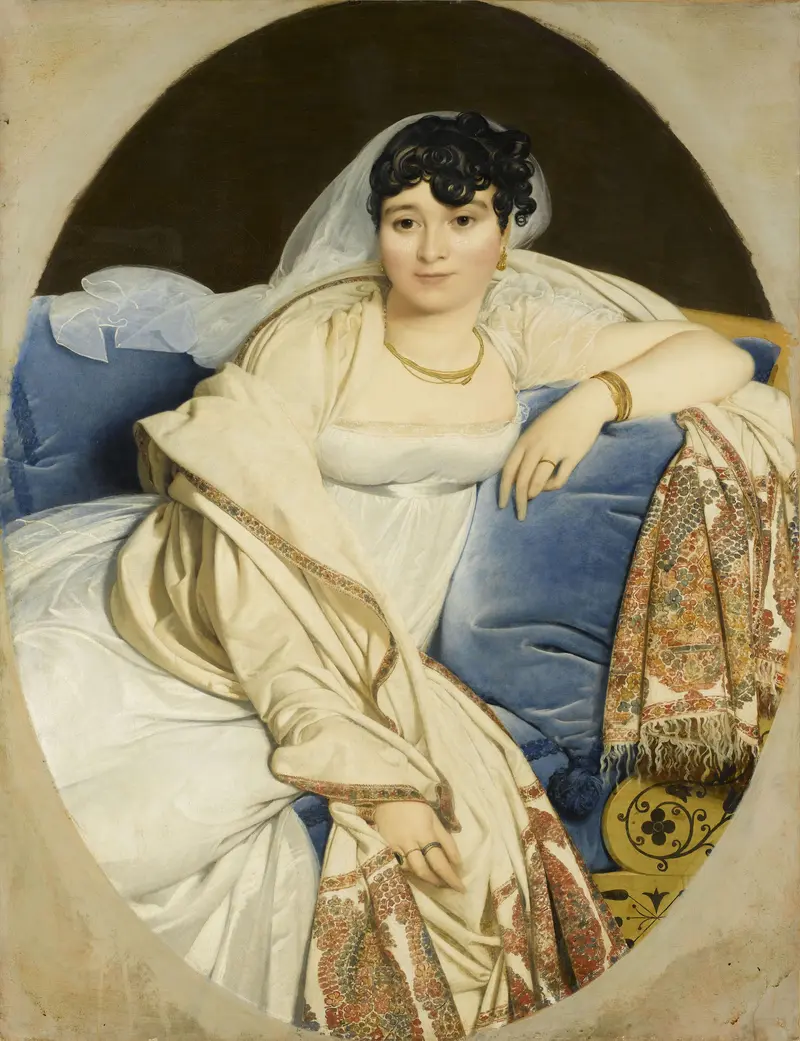
Madame Rivière
Jean Auguste Dominique Ingres

Madame Jean-Auguste-Dominique Ingres, née Madeleine Chapelle
Jean Auguste Dominique Ingres

Portrait of a Lady
Jean Auguste Dominique Ingres
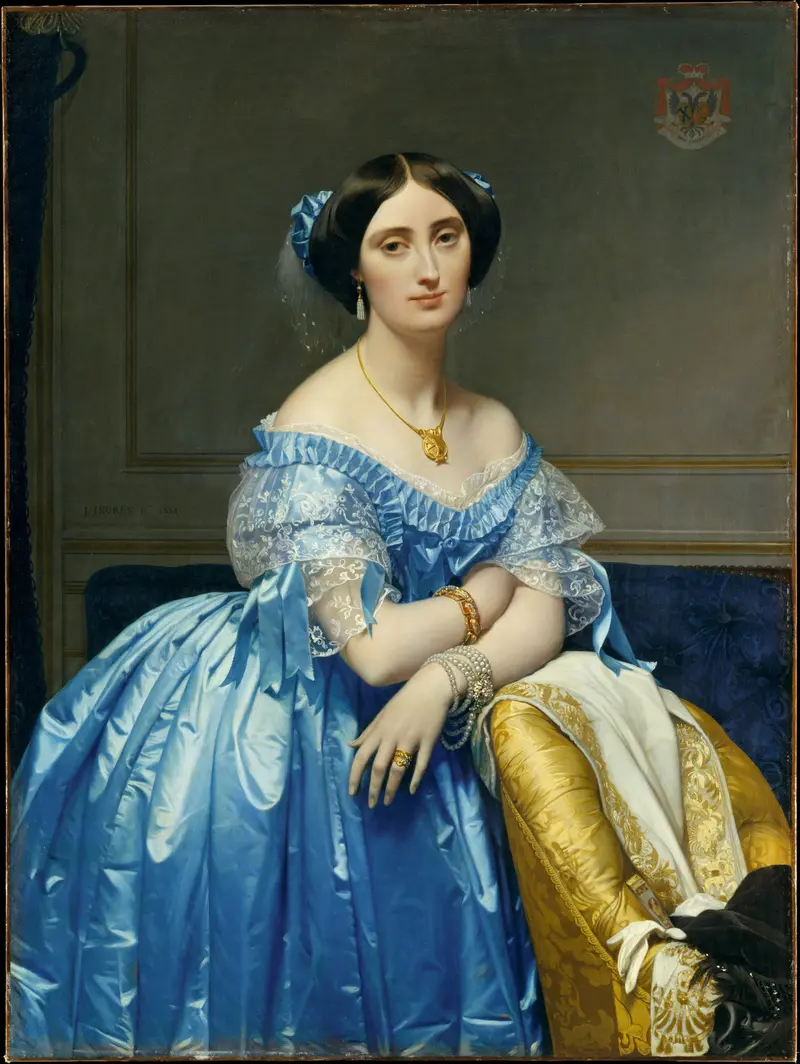
Joséphine-Éléonore-Marie-Pauline de Galard de Brassac de Béarn (1825–1860), Princesse de Broglie
Jean Auguste Dominique Ingres
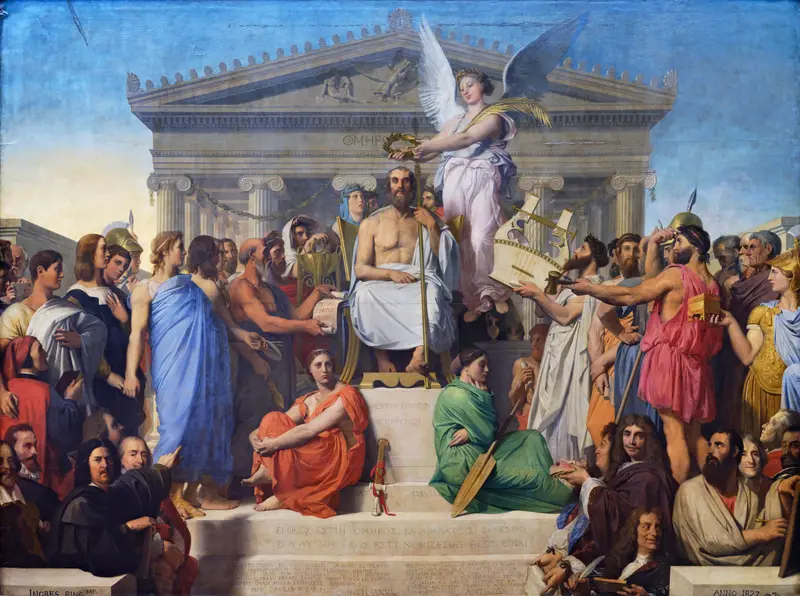
The Apotheosis of Homer
Jean Auguste Dominique Ingres





