
Drunkenness of Noah — History & Facts
When Giovanni Bellini painted Drunkenness of Noah in 1515, he was nearing the end of a long and influential career, yet chose to tackle a subject rarely seen in Venetian art. The biblical episode, drawn from Genesis, had been depicted by Northern artists like Albrecht Dürer, but Bellini’s version stands as one of the few Italian treatments of this moment. Its appearance in his oeuvre just a year before his death has led scholars to wonder if the aging painter saw in Noah’s story a reflection on human frailty and the passage of time. The scene captures the aftermath of the Flood: Noah, having planted a vineyard, lies sprawled and exposed in drunken sleep, while his sons Ham, Shem, and Japheth react.
Bellini selects the instant Ham discovers his father’s nakedness, gesturing in alarm, while his brothers respectfully avert their eyes and move to cover Noah with a cloak. The composition is carefully balanced—Noah’s vulnerable body at the center, flanked by the differing responses of his sons. The rich, warm palette and gentle modeling of flesh recall Bellini’s earlier religious works, yet the psychological tension is heightened here.
Unlike Michelangelo’s more muscular, monumental Noah in the Sistine Chapel, Bellini’s patriarch is frail, almost pitiable, and the landscape behind him is lush, hinting at both renewal and the lingering shadow of sin. The precise origins of Drunkenness of Noah remain uncertain; no early documentation of its commission survives, and the medium itself is debated—some suggest oil on canvas, others panel. What is clear is that the painting reflects Bellini’s late style, marked by softer contours and a meditative mood. Over the centuries, the work has passed through private collections and, like many of Bellini’s late pieces, has sometimes been overshadowed by his more famous altarpieces.
Today, it stands as a testament to the artist’s enduring curiosity and his ability to find new meaning in old stories, even at the twilight of his career.
More Artworks by Giovanni Bellini
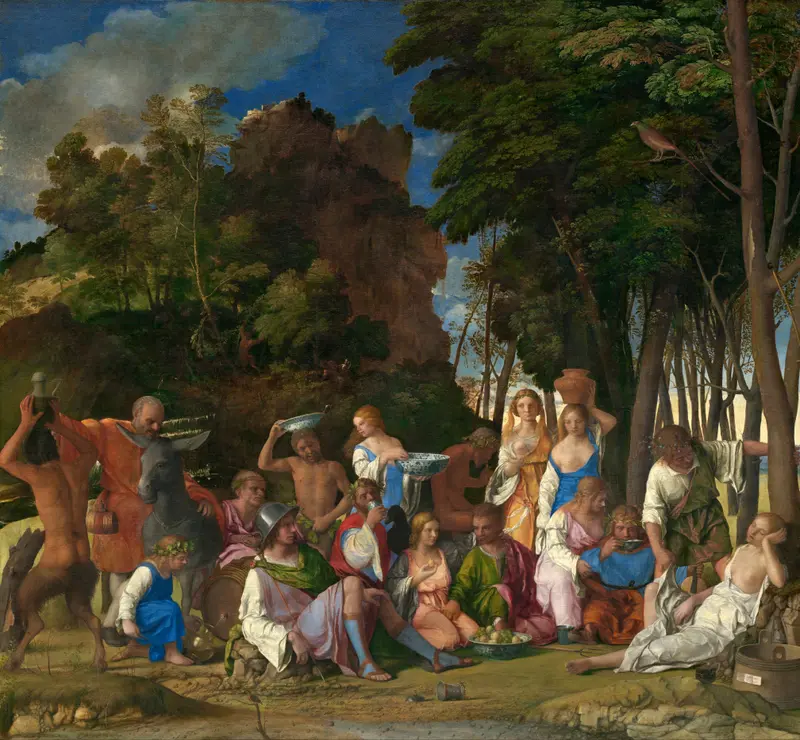
The Feast of the Gods
Giovanni Bellini

Madonna and Child enthroned with Saints and Angels
Giovanni Bellini
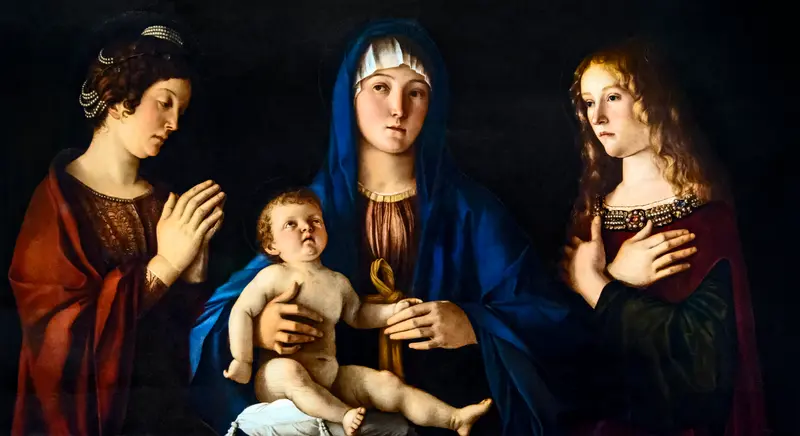
Madonna and Child between Saints Catherine and Mary Magdalene
Giovanni Bellini
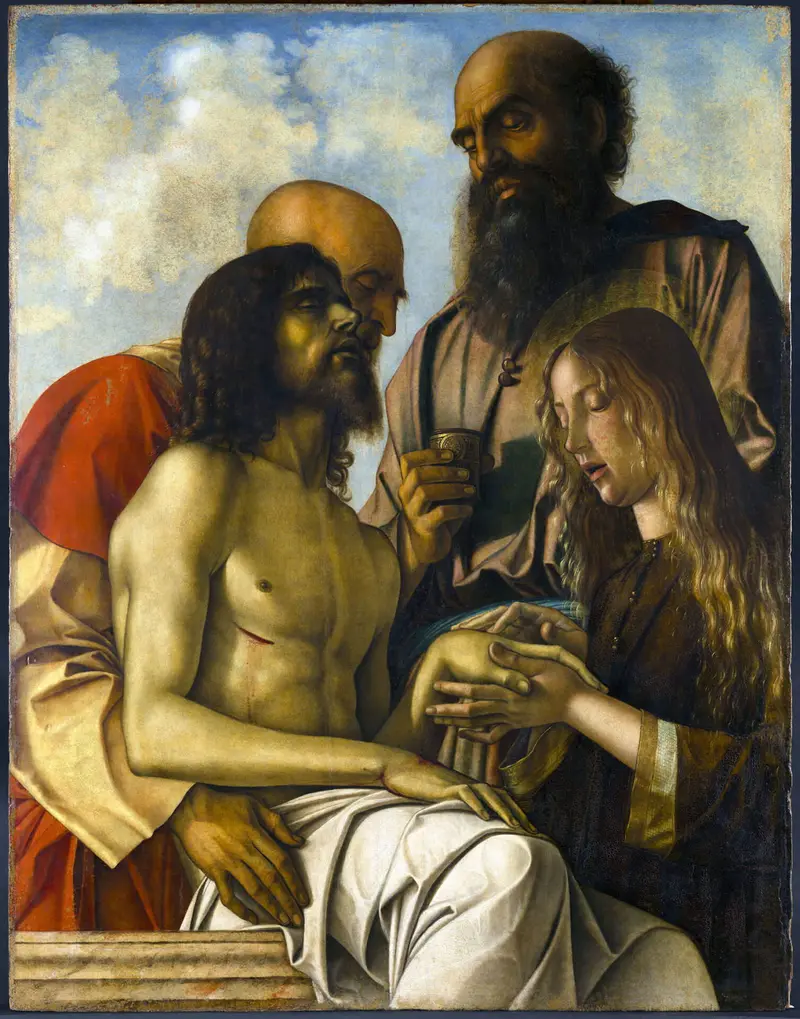
Lamentation over the Dead Christ
Giovanni Bellini
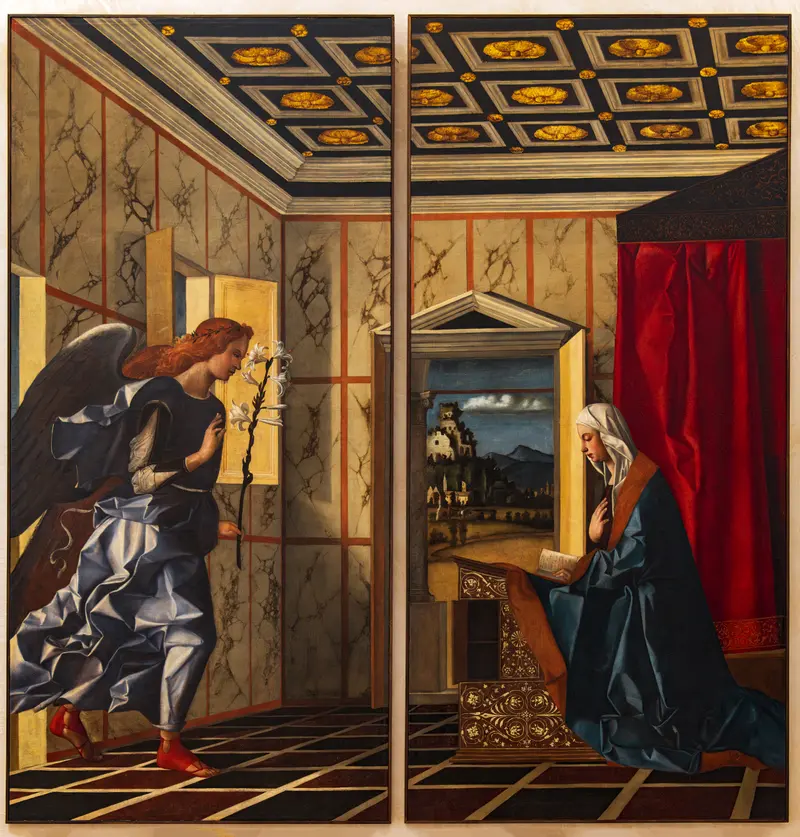
Annunciation
Giovanni Bellini
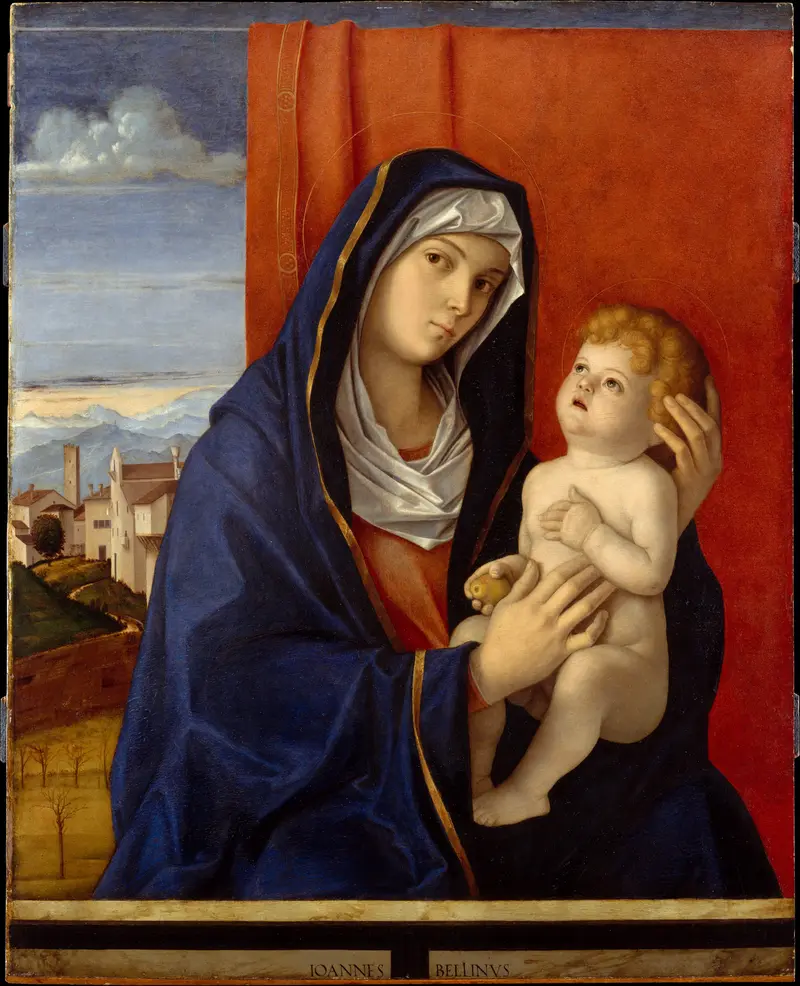
Madonna and Child
Giovanni Bellini
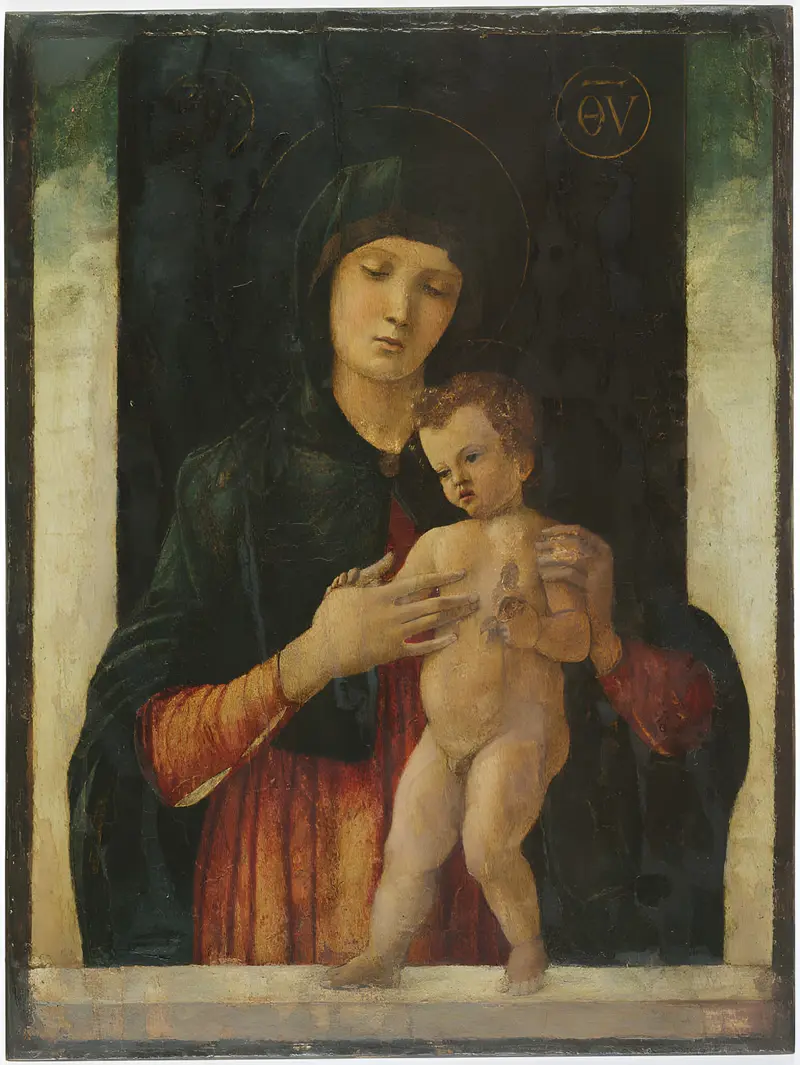
The Virgin and Child
Giovanni Bellini
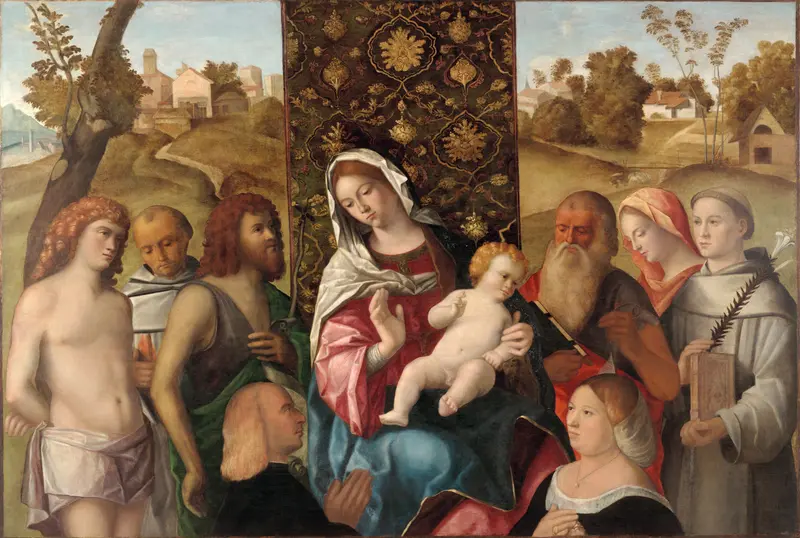
Virgin and Child with Saints Sebastian, Francis, John the Baptist, Jerome, an unidentified female saint, Saint Anthony of Padua and two donors
Giovanni Bellini
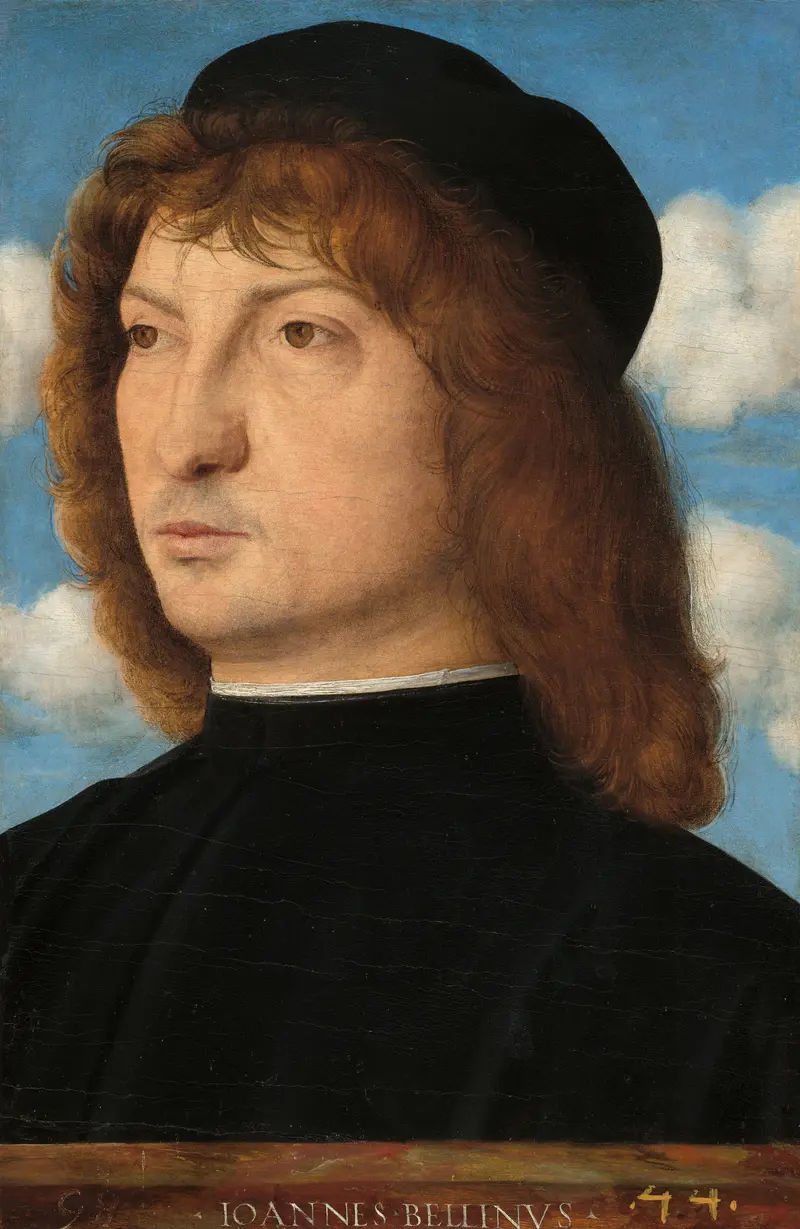
Portrait of a Venetian Gentleman
Giovanni Bellini
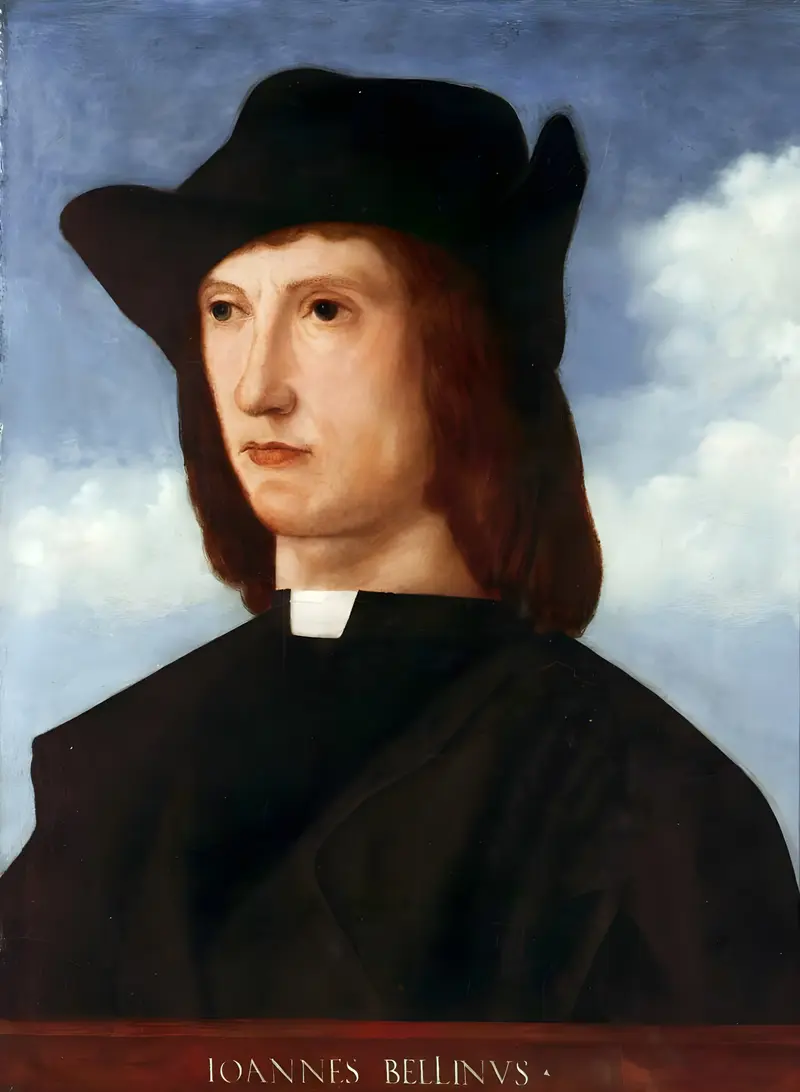
Portrait of a Young Man
Giovanni Bellini





