Dusk — History & Facts
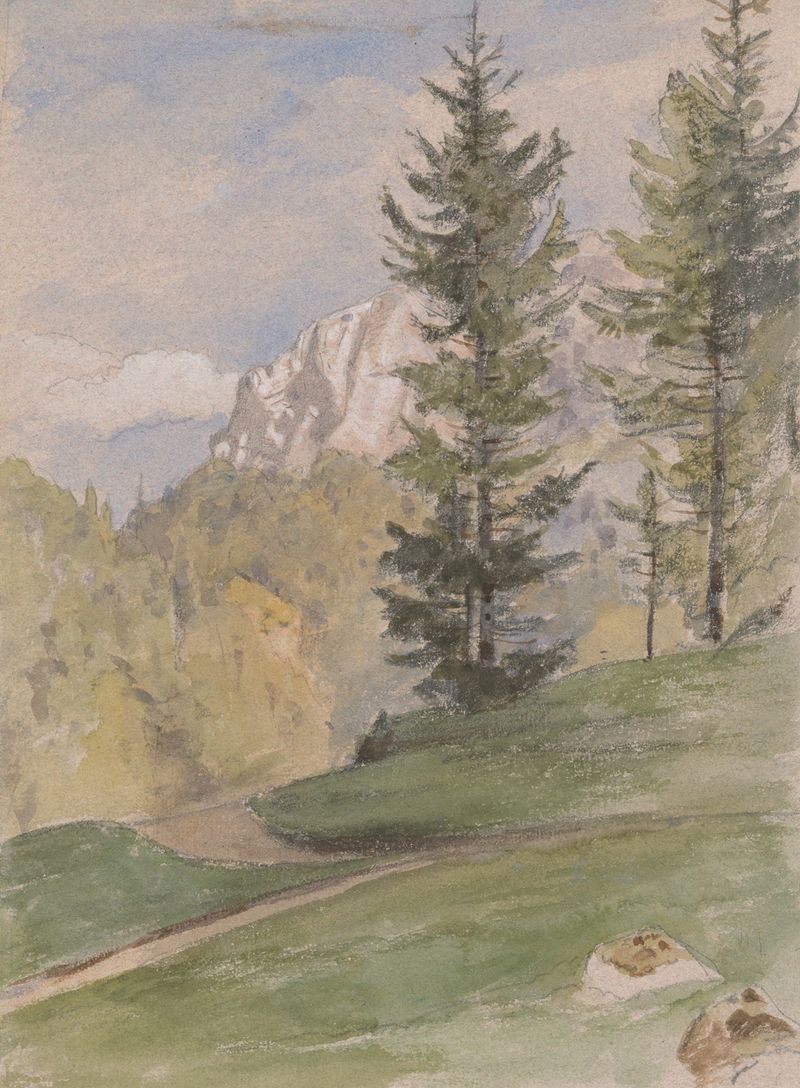
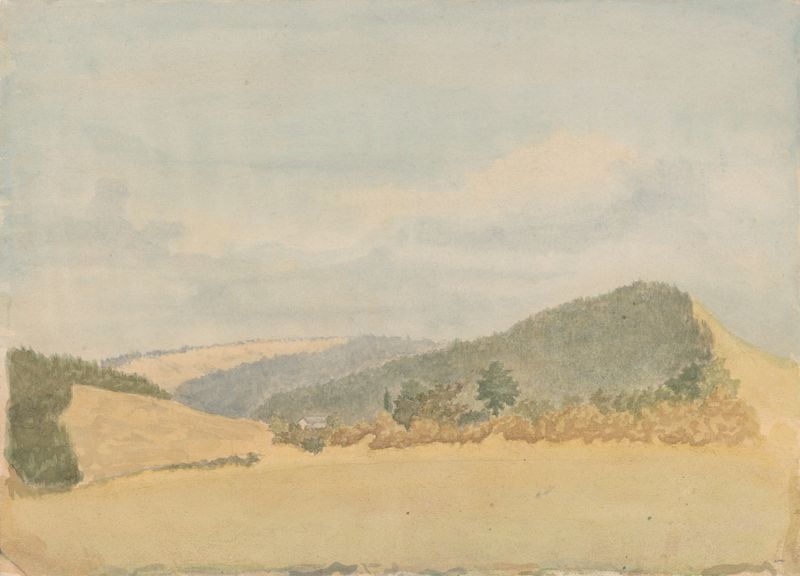
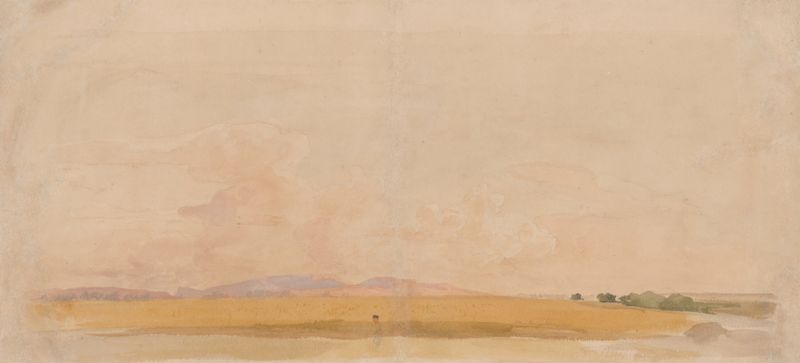
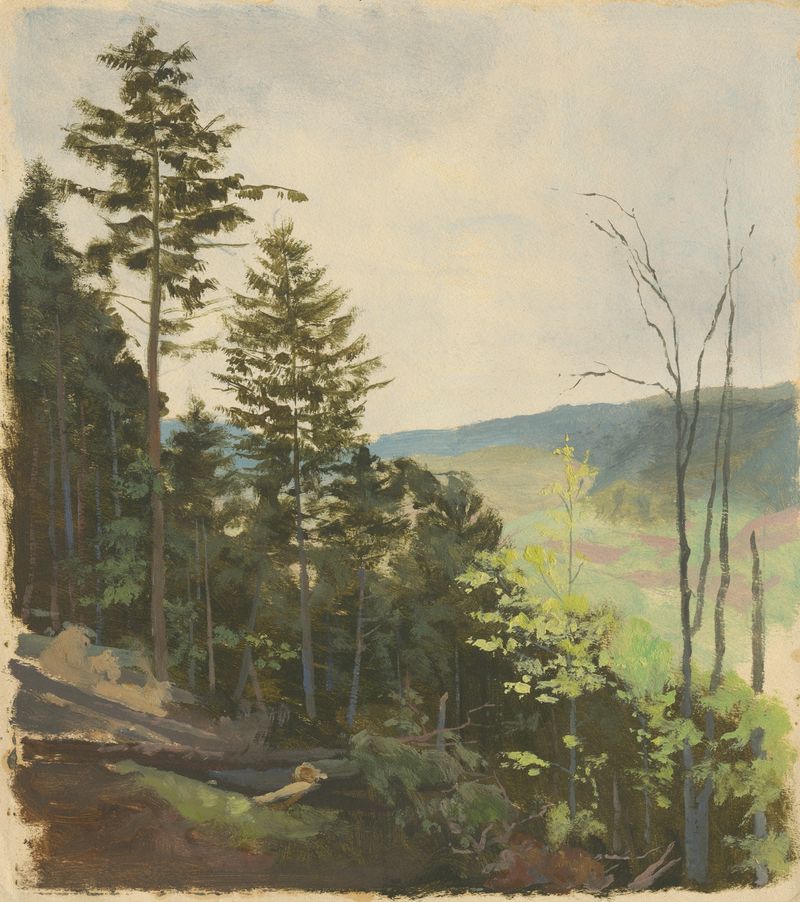
In that fleeting twilight, where day gracefully surrenders to night, one can feel a pulse of longing echoing through the air. It is a moment that resonates deeply, a reminder of the beauty found in the transitory, in the whispers of dusk that seem to yearn for what has been and what might come. Focus first on the horizon, where soft, muted colors blend seamlessly into one another, creating a soft embrace of blues and purples. The strokes are fluid and organic, suggesting a calm yet vibrant atmosphere.
Notice how the delicate interplay of light and shadow plays against the landscape, infusing it with depth. The composition draws your gaze upward, inviting contemplation of the expansive sky, which seems to cradle the earth below in an ethereal dance of color. In the subtle tension between light and shadow lies a poignant contrast; it evokes a sense of both closure and anticipation. The dusk is a harbinger of night, yet also a celebration of the day’s end.
Each brushstroke whispers of memories and wishes, suggesting a longing for connection and understanding. The piece captures the bittersweet essence of transitions, allowing the viewer to reflect on their own moments of yearning against the backdrop of a day’s fading light. Jan Nowopacký created this evocative work during a time when he was exploring themes of nature and emotion in his surroundings. While the exact date of Dusk remains uncertain, his focus on the harmony of landscape and feeling mirrors the broader movements in art towards expressionism during the early 20th century.
It marks a period of introspection for the artist, who sought to convey the unseen emotions lurking beneath the surface of everyday life.