Gamekeeper’s Lodge — History & Facts
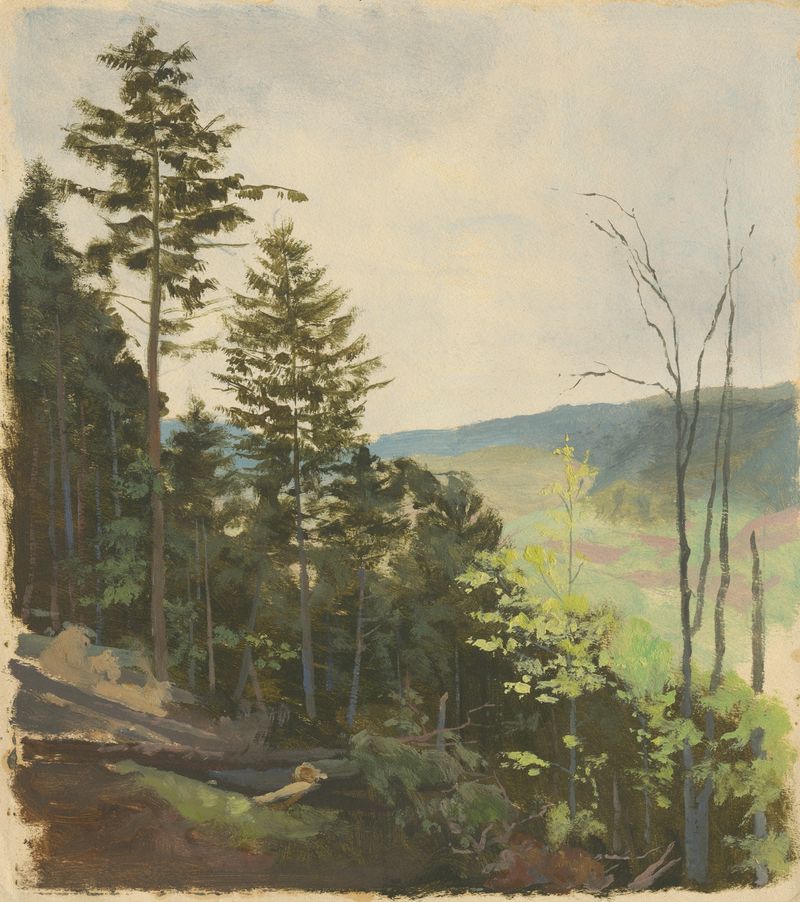
Where does light end, and longing begin? In the depths of Gamekeeper’s Lodge, an ethereal interplay occurs, drawing the viewer into a realm suspended between reality and desire. Each brushstroke whispers of a yearning that transcends the mere depiction of space. Focus your gaze on the warm glow emanating from the window, where the light spills forth, illuminating the rustic interior. Notice how the muted tones of the wooden beams contrast with the vibrant greens and golds of the surrounding landscape, inviting a dialogue between the natural world and human habitation.
The painter’s delicate handling of light not only reveals texture but also evokes a sense of warmth and life within the lodge, making it a sanctuary amid the wilderness. Embedded within this scene is a profound sense of solitude and contemplation. The stillness captured in the moment allows a viewer to ponder the stories that exist beyond the frame—who once occupied this space, what dreams were shared beneath its roof? The subtle shadows cast throughout suggest secrets, inviting the viewer to reflect on their own longings and the passage of time in a world that often feels fleeting. In 1850, Nowopacký was entrenched in the Romantic movement, finding inspiration in the beauty of nature and the emotional depth of human experience. Painted in his native Bohemia, this work emerged during a period marked by nationalistic fervor and a quest for identity, both in his life and the broader artistic community.
The intimate portrayal of this lodge harmonizes with the era’s focus on individual experience, making it a poignant tender tribute to the human spirit.