View of Wildesee — History & Facts
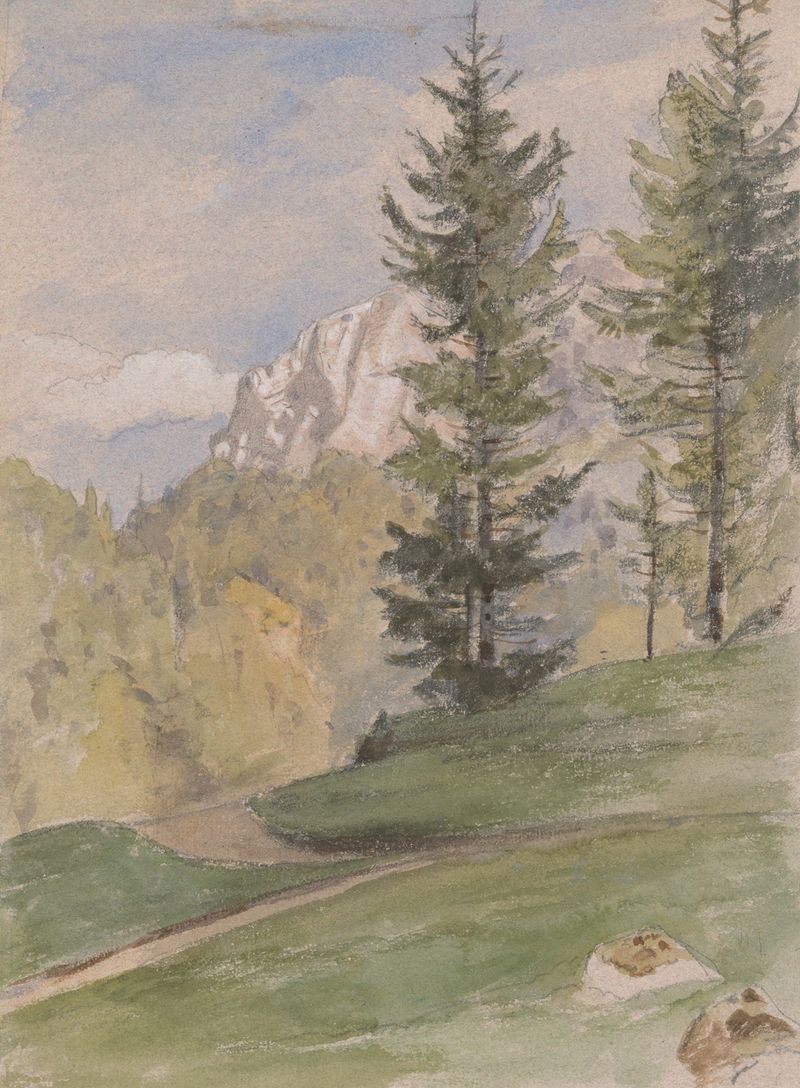
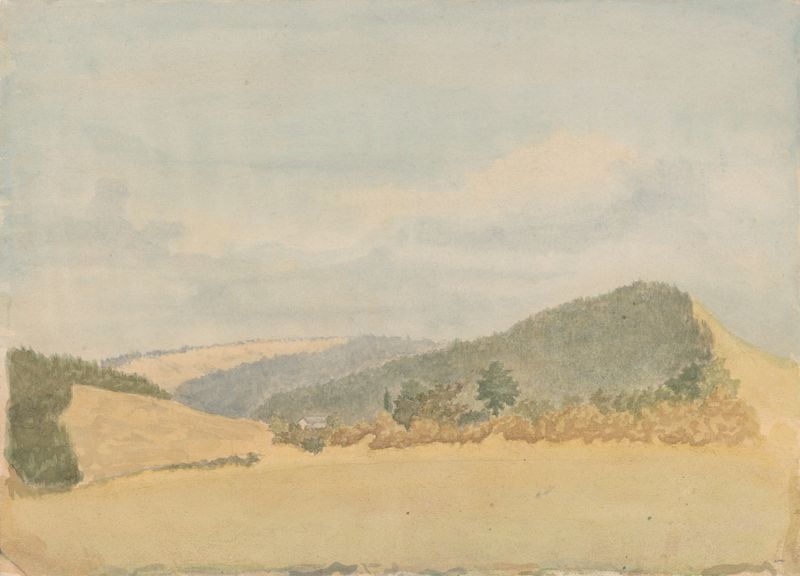
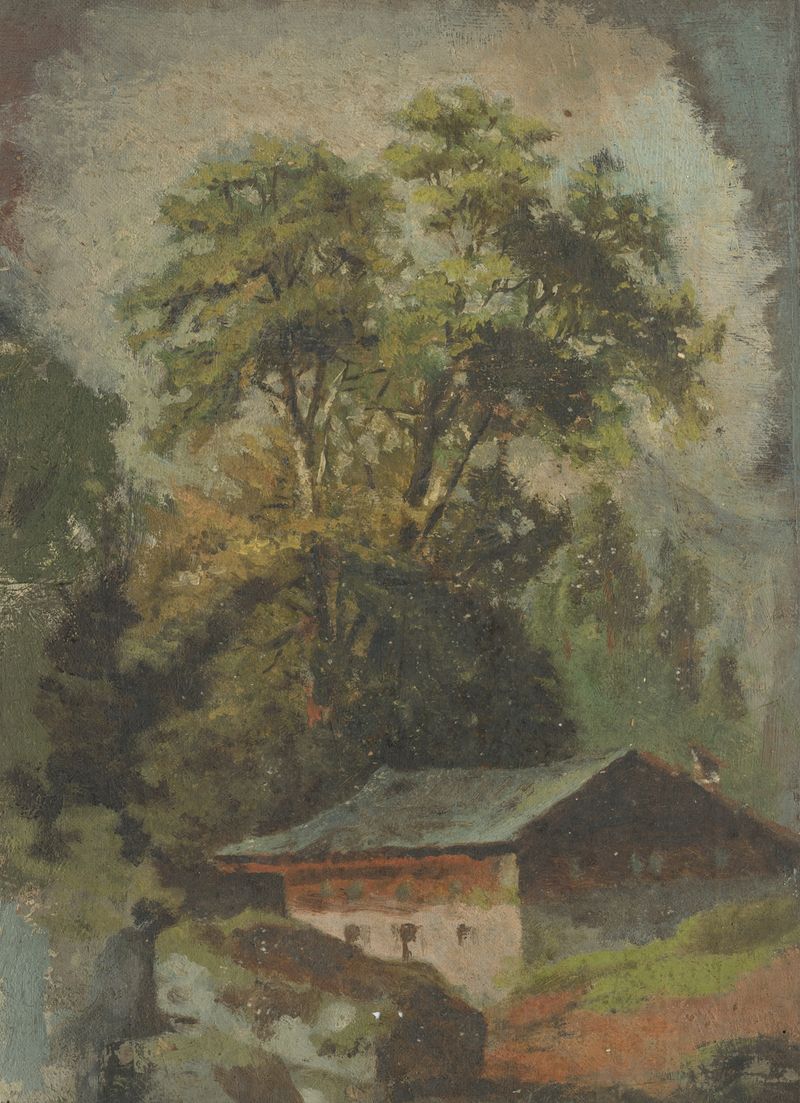
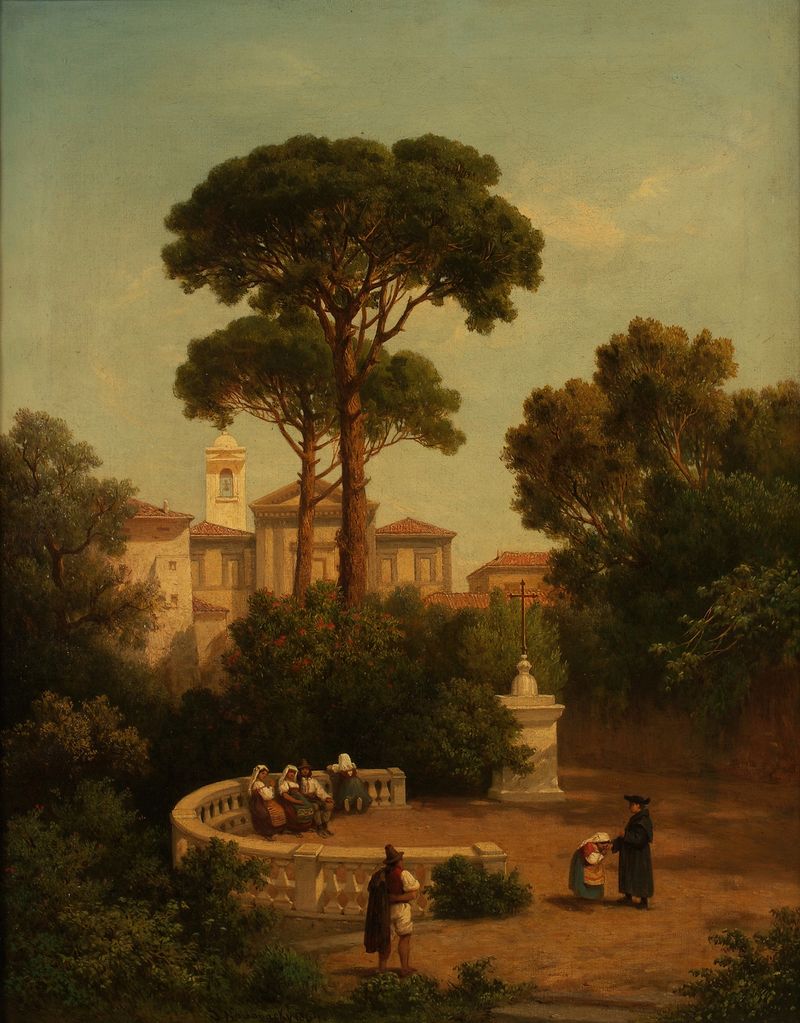
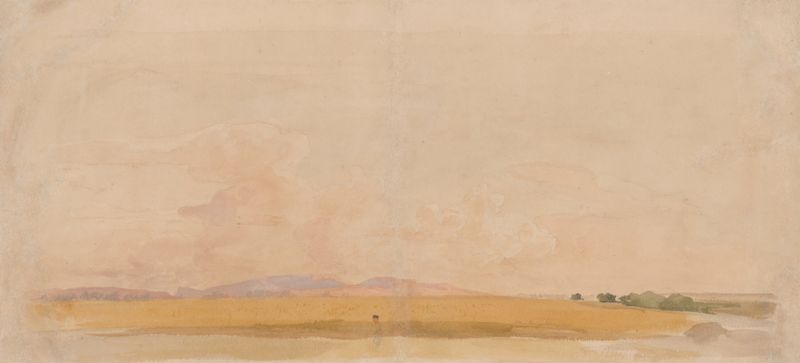
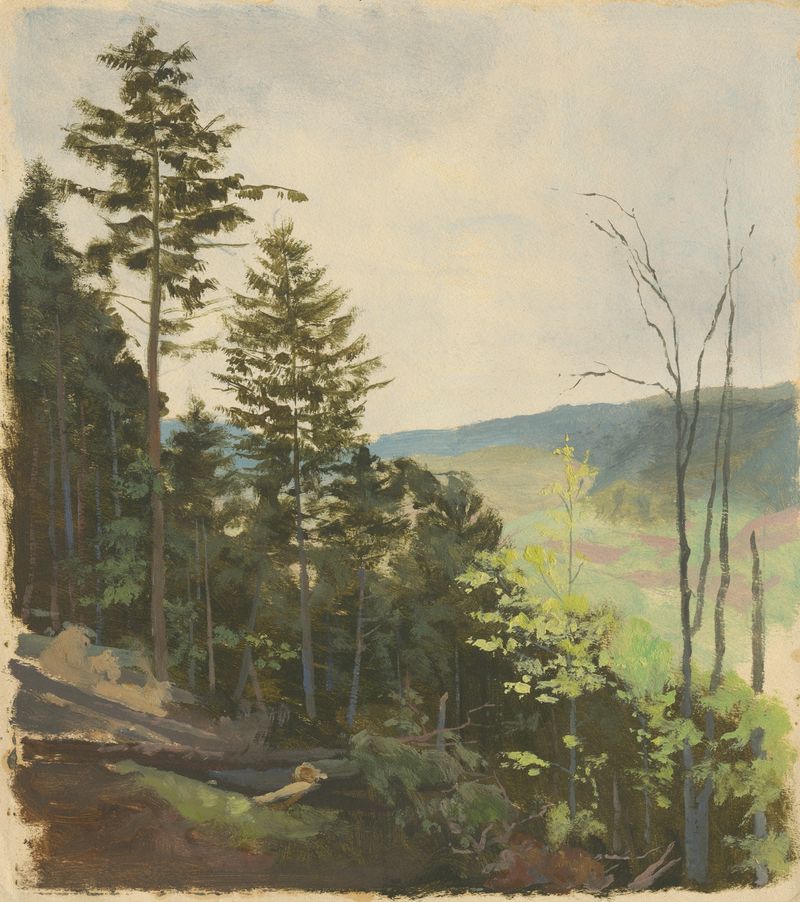
Can beauty exist without sorrow? In the tranquil embrace of View of Wildesee, the landscape whispers a story of ecstasy intertwined with a hint of melancholy. Look to the foreground where the shimmering surface of Wildesee captures the light, reflecting the canvas of sky above. The brushstrokes are delicate yet vigorous, a juxtaposition that breathes life into the scene. Notice how the greens of the foliage contrast with the deep blues of the lake, creating a vibrant harmony that invites the viewer to linger.
The horizon, kissed by a soft golden hue, hints at dusk—an ephemeral moment suspended in time, where day meets night. Beyond the aesthetics lies a deeper narrative. Each ripple on the water's surface may symbolize the passage of time, hinting at the transient nature of beauty itself. The lush trees, both inviting and overshadowing, suggest a complexity of emotions—a celebration of nature's splendor inevitably tinged with the awareness of impermanence.
This tension between ecstasy and sorrow encapsulates the human experience, urging contemplation as the viewer traverses the landscape within the work. In 1850, Jan Nowopacký painted View of Wildesee during a period marked by burgeoning Romanticism in art, emphasizing emotion and nature's majesty. Living in Bohemia, he was influenced by the picturesque landscapes surrounding him while reflecting the turbulent social and political climate of the time. His dedication to capturing nature’s beauty paved the way for future generations of artists who sought to convey profound feelings through landscape painting.