Rocks — History & Facts
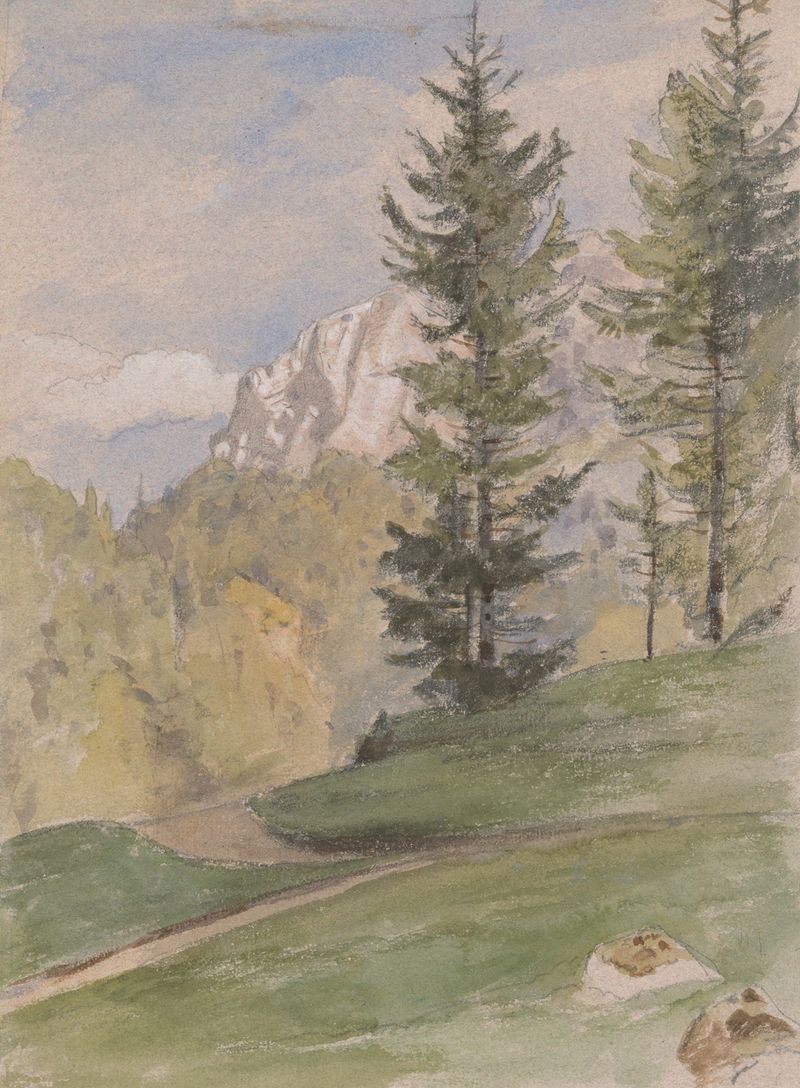
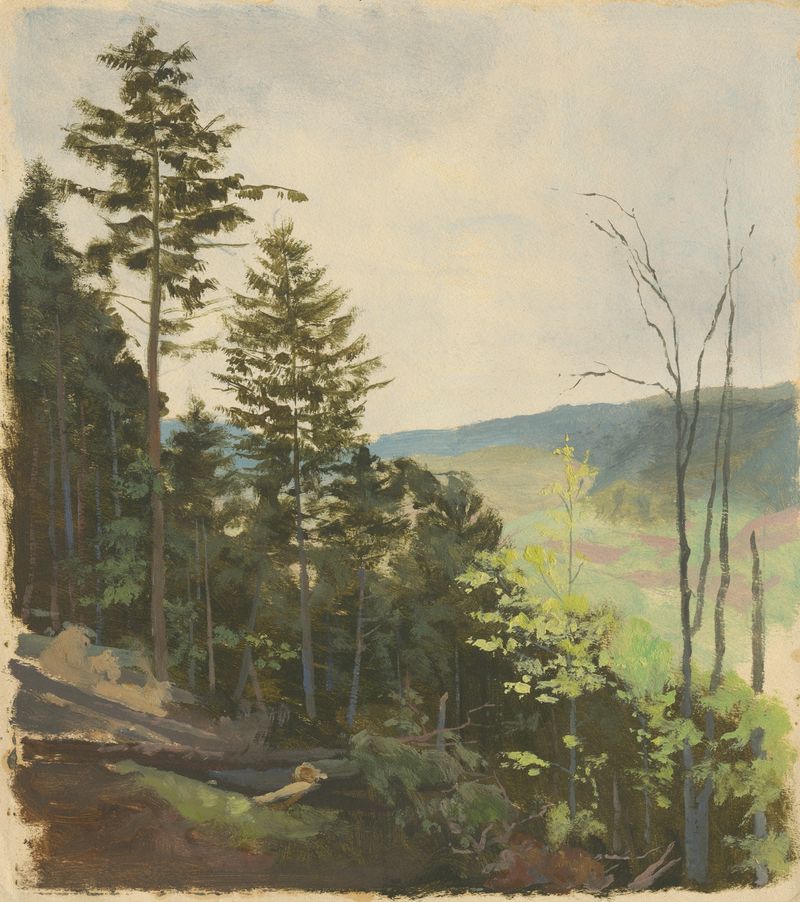
Who listens when art speaks of silence? In Jan Nowopacký’s Rocks, the stillness of the scene resonates with an echo of loss, inviting contemplation on the weight of absence within nature’s embrace. Look to the left at the jagged edges of the rocks, their rough surfaces illuminated by soft, diffused light. The interplay of shadows and highlights creates a dynamic tension, drawing the eye across the canvas. Notice how the earthy palette of browns and grays coexists with hints of green, suggesting a reclamation by nature.
The composition, grounded yet expansive, frames the rugged landscape with a sense of permanence, as if these stones have witnessed the passage of time and the stories of those who once walked there. Within the stillness lies an undercurrent of melancholy. The positioning of the rocks, isolated and formidable, speaks to the loneliness of existence. Their quiet strength contrasts with the fragility of human experience, reminding viewers of what has been lost—both in the land and within ourselves.
The subtle textures evoke a tactile relationship with the earth, urging reflection on our own connections to the world we inhabit. Nowopacký painted Rocks in 1850 during a period of significant change in the art world, marked by a shift toward Romanticism and a deeper exploration of nature's emotional landscape. At this time, he was navigating the duality of tradition and innovation in his native Poland, infusing his landscapes with both a sense of realism and an introspective quality that resonates with the viewer long after the gaze has shifted away.