Kloster Camalduli — History & Facts
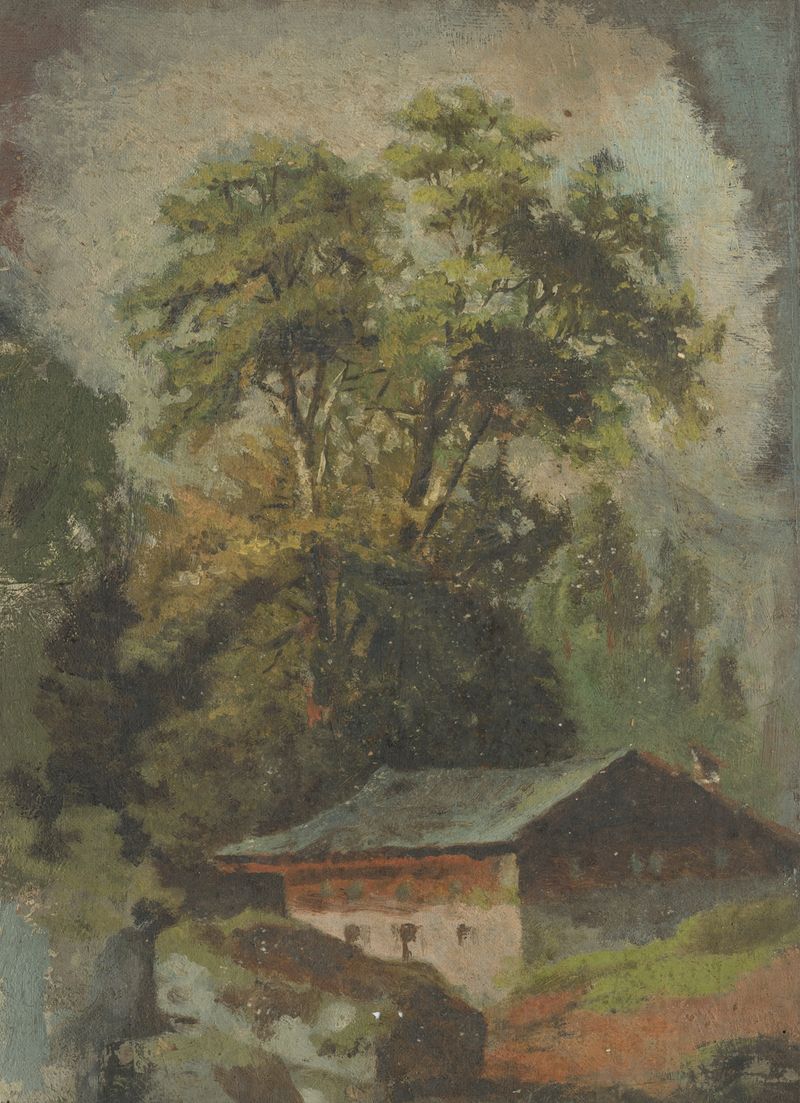
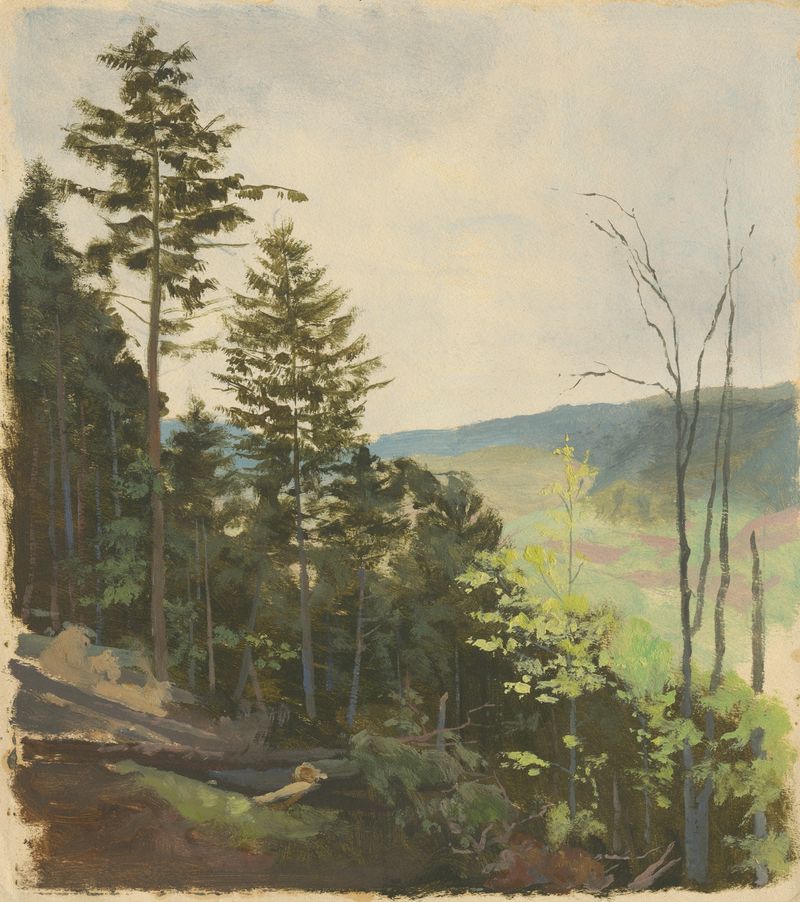
In the depth of color lies the essence of life itself, revealing emotional truths that words often fail to capture. Look to the left where the vibrant greens of the trees spill over the soft, earthy tones of the ground, enveloping the scene in a rich embrace. Notice how the light dances across the canvas, illuminating the ethereal quality of the cloistered architecture nestled beneath the towering foliage. The artist's use of light and shadow not only creates a dynamic interplay but also evokes a sense of tranquility, inviting viewers to linger in this serene moment. As you delve deeper, consider the contrast presented in the painting: the solid, steadfast monastery juxtaposed against the fluidity of nature.
This tension speaks to the human condition—the struggle between the spiritual and the earthly, the built and the organic. Each brushstroke tells a story, where the vibrant colors reflect both the vibrancy of life and the stillness found in contemplation. In 1864, Nowopacký painted this work amid a Europe that was transforming with industrialization and modernization. He was situated in Prague, a city rich in artistic heritage, and he sought to capture the timeless beauty of nature and spirituality.
This piece is a testament to his dedication to the landscape genre, marking his ambition to connect with the viewer on a deeper emotional level through the interplay of color and light.