Village Square — History & Facts
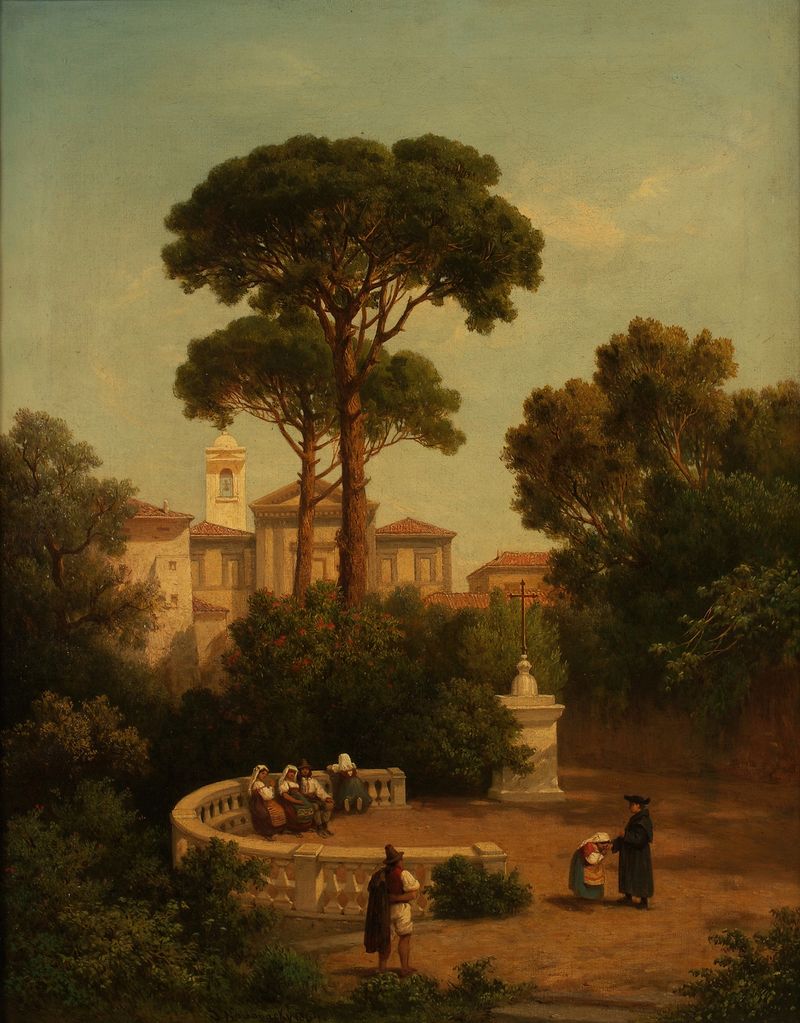
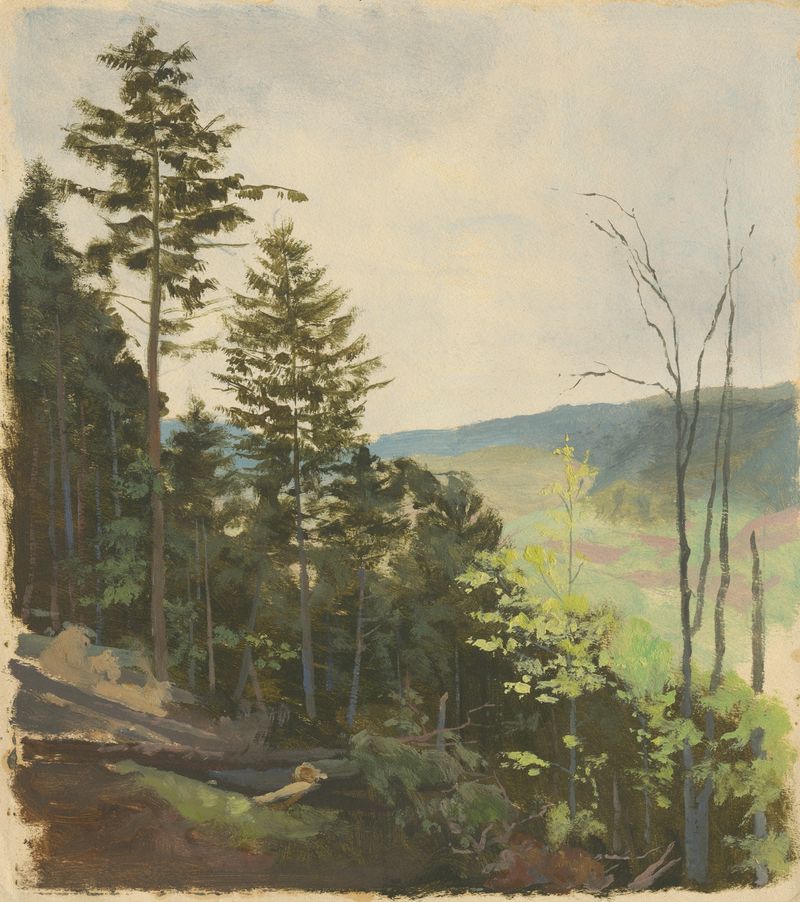
In Village Square, beauty emerges not just from the palette, but from the tender interplay of human connection and the tranquility of daily life. Look to the left at the vibrant hues of the market stalls, each canvas awash in rich reds and soft yellows. The figures, captured mid-motion, draw your eye with their animated gestures, as if inviting you to partake in the lively exchange. Notice how the play of sunlight dapples the cobblestones, casting a warm glow that envelops the scene, while shadows create a delicate balance, hinting at untold stories beneath the surface. Yet, amid this apparent cheerfulness lies a subtle tension; the isolated figure at the edge of the square gazes longingly, suggesting a narrative of solitude within collective joy.
The contrast between the bustling crowd and this solitary presence underscores the nuanced relationship between community and individual experience. Each detail enriches the composition, revealing a deeper commentary on the human condition, where beauty often coexists with longing. Jan Nowopacký painted Village Square in 1850, during a time of significant social change in Europe. Settled in Prague, he was influenced by Romantic ideals, seeking to capture the essence of everyday life with a fresh perspective.
This period marked a growing interest in depicting local culture and communal spaces, as artists began to emphasize the beauty in the ordinary, reflecting a burgeoning national consciousness amid the backdrop of historical transformation.