Field — History & Facts
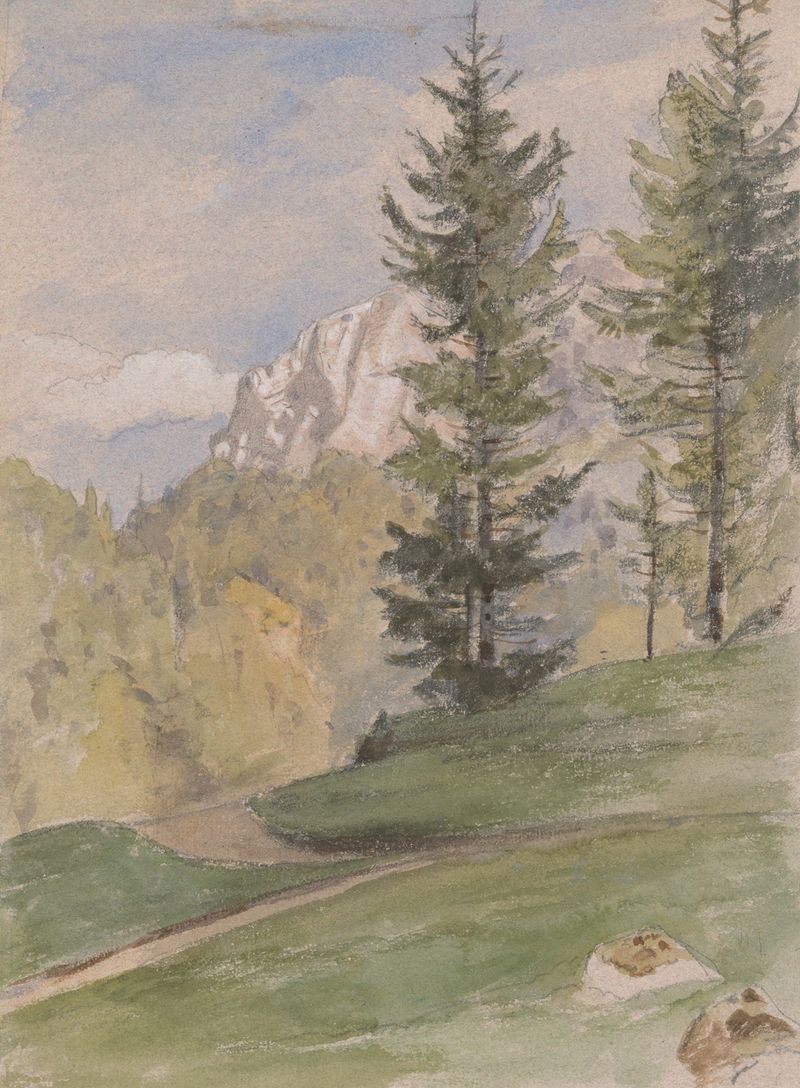
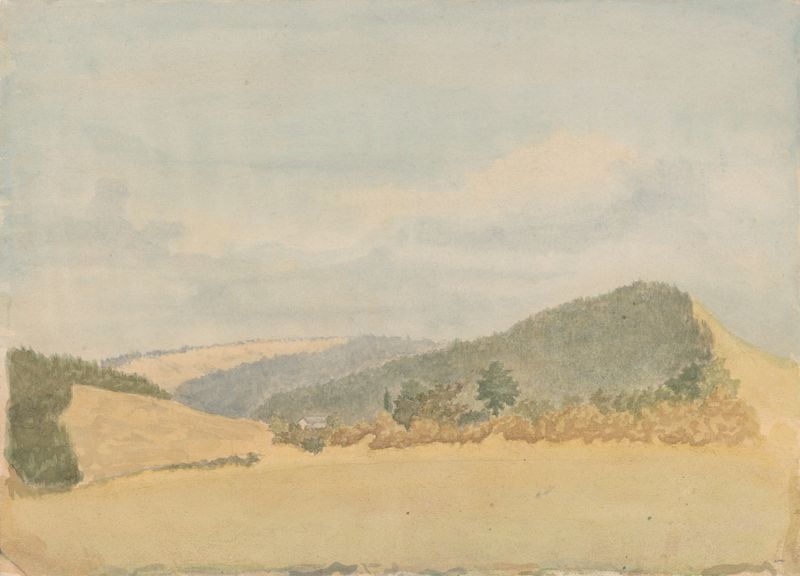
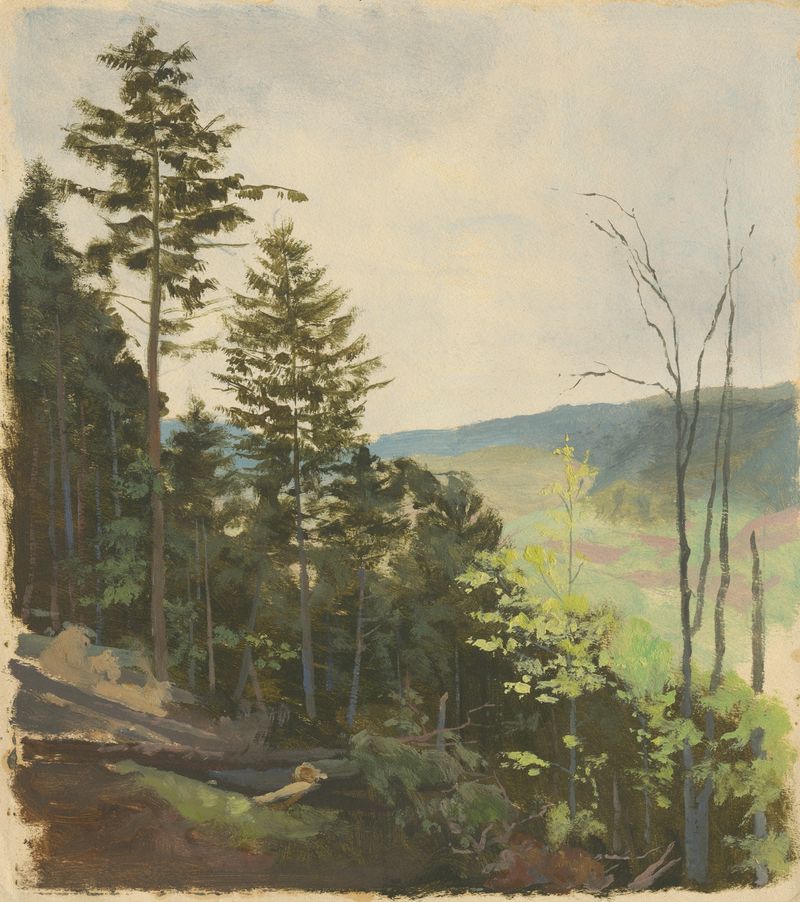
Did the painter know this moment would outlive them? In the stillness of Field, a world captured in verdant hues resonates with a sense of eternal wonder, evoking the awe that nature inspires within us. Look to the lower half of the canvas where a carpet of lush green grass unfolds, each stroke meticulously rendered to create a tactile surface that invites your touch. Focus on the horizon line, where a soft, muted sky meets the rich earth, enveloping the scene in a tranquil embrace. The palette of greens, tinged with gold and brown, speaks of life and growth, while the dynamic brushwork suggests a gentle breeze dancing through the blades.
Here, the interplay of light and shadow crafts a sense of depth, drawing the viewer into a moment suspended in time. Yet beneath this serene surface lies a complex tapestry of emotions. The vastness of the field symbolizes both freedom and solitude—an invitation to wander, but also a reminder of one’s own insignificance against nature's expanse. The juxtaposition of the vivid foreground with the distant horizon evokes a longing for connection, suggesting that while we are part of this expansive beauty, we also exist in isolation.
Each element speaks to the transient nature of life, urging a contemplation of our place within the cycles of growth and decay. Jan Nowopacký painted this work in a period marked by exploration and introspection, likely during the early 20th century in Europe. As an artist seeking to capture the essence of landscapes, he was influenced by the shift towards impressionism, embracing a style that celebrated the beauty of the natural world. His focus on vibrant color and emotional resonance reflects the evolving dialogue among artists of his time, who began to prioritize the subjective experience over strict realism.