Mountain Valley — History & Facts
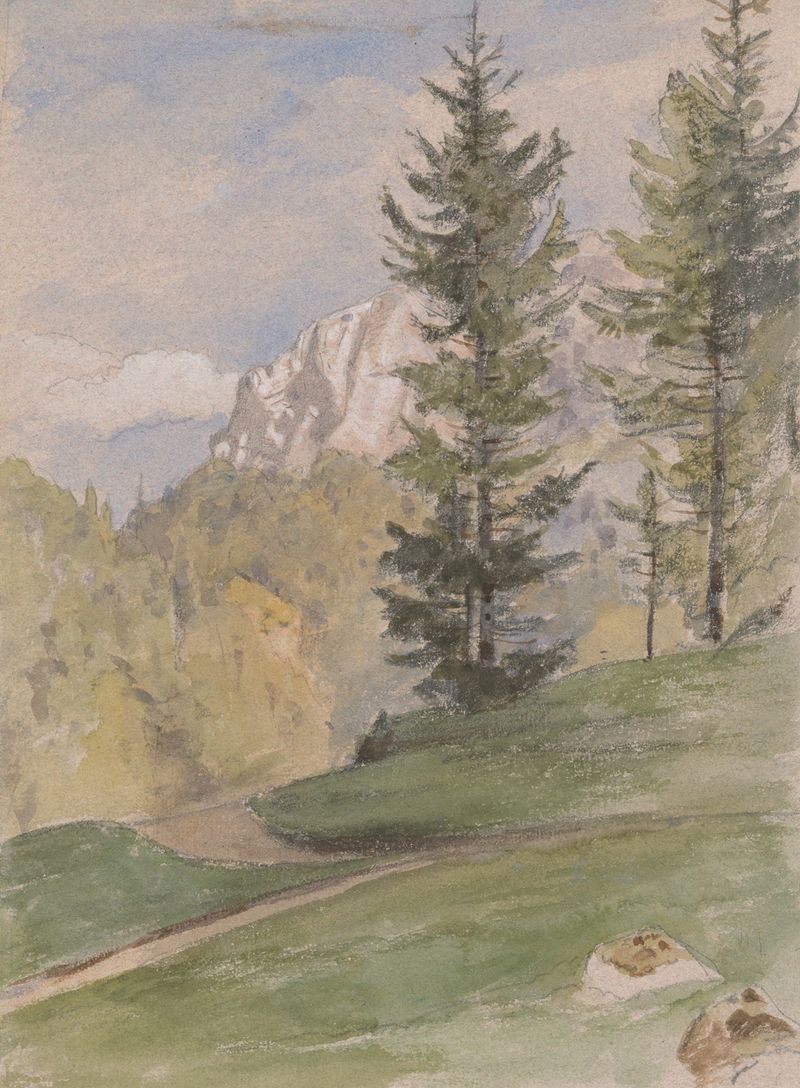
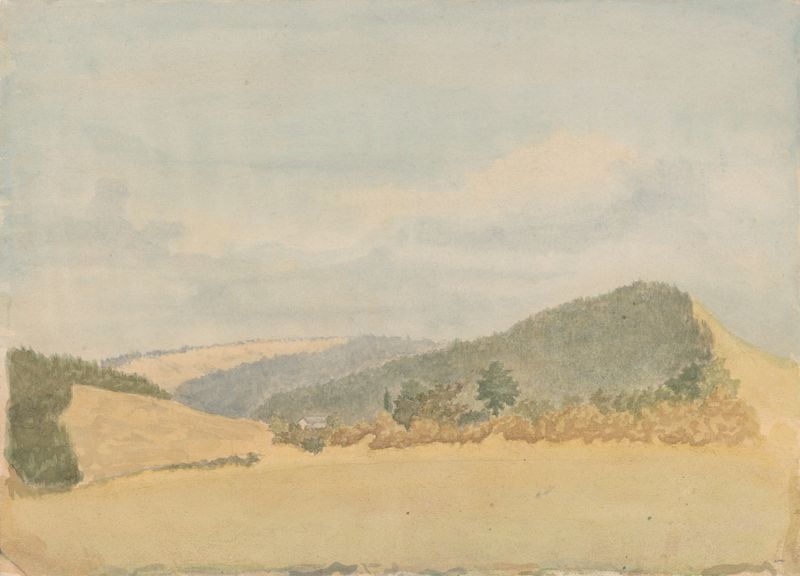
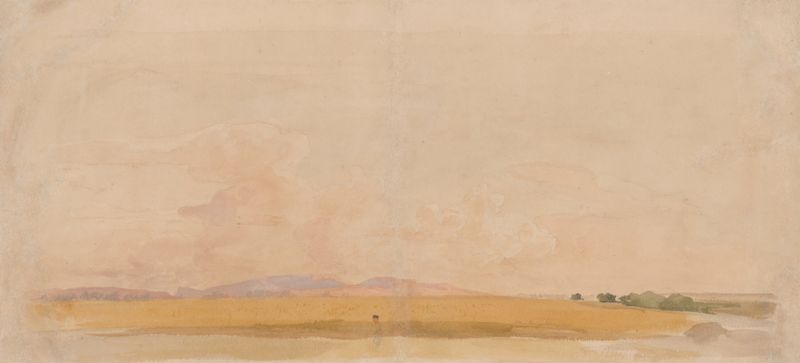
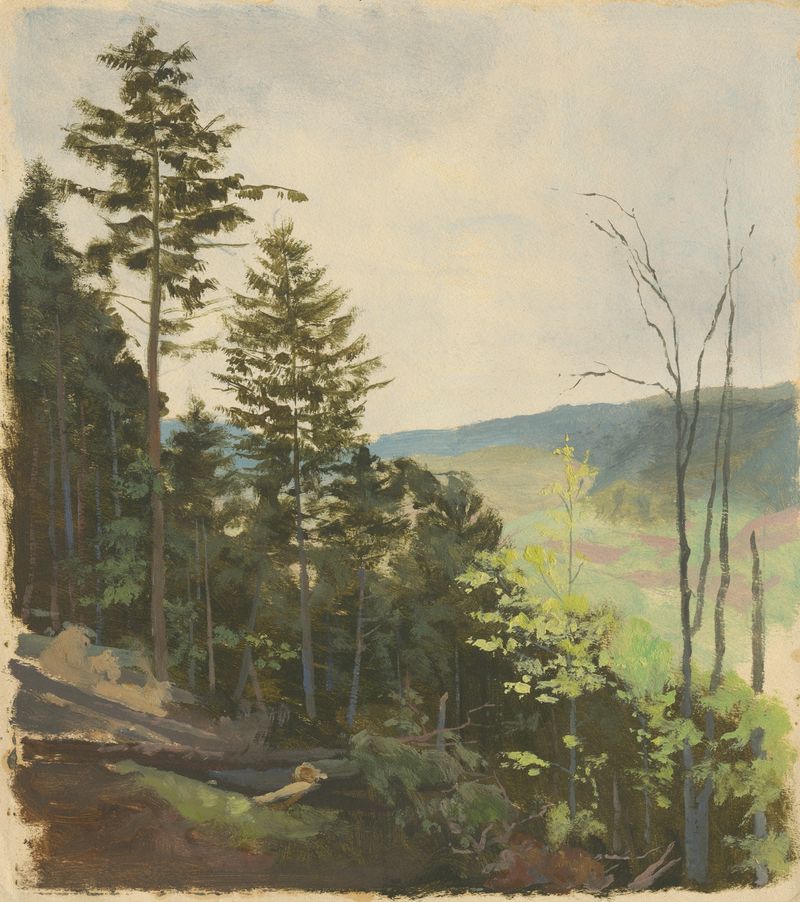
In the hushed embrace of nature, silence becomes an unspoken language, echoing the weight of emotion buried beneath tranquil surfaces. How does the absence of sound breathe life into a landscape, transforming mere scenery into a profound experience? Focus on the foreground, where a delicate interplay of greens and browns invites the eye to wander. The rolling hills gently cradle a serene valley, painted with soft brushstrokes that suggest the fleeting passage of time.
Notice how the light filters through the atmosphere, casting a warm glow across the undulating terrain, while shadows meld into the contours of earth, creating a rhythm of contrast that pulls you deeper into the scene. Hidden within the tranquility lies a tension; the vibrant hues hint at life, yet the expansive emptiness of the valley evokes solitude. The distant mountains loom like silent sentinels, guarding secrets of the past. There’s a juxtaposition between the calmness of nature and the loneliness it can inspire, inviting contemplations that resonate within the viewer’s heart and mind. In 1860, Jan Nowopacký painted this work during a time of personal reflection and exploration in the art world, seeking to capture the sublime beauty of the Bohemian landscape.
The Romantic movement was in full swing, emphasizing emotion and the sublime, while Nowopacký sought to bridge this with his own unique interpretation of nature. His exploration of light and shadow in Mountain Valley reflects the era’s fascination with capturing the ineffable essence of the natural world.