Summer Landscape — History & Facts
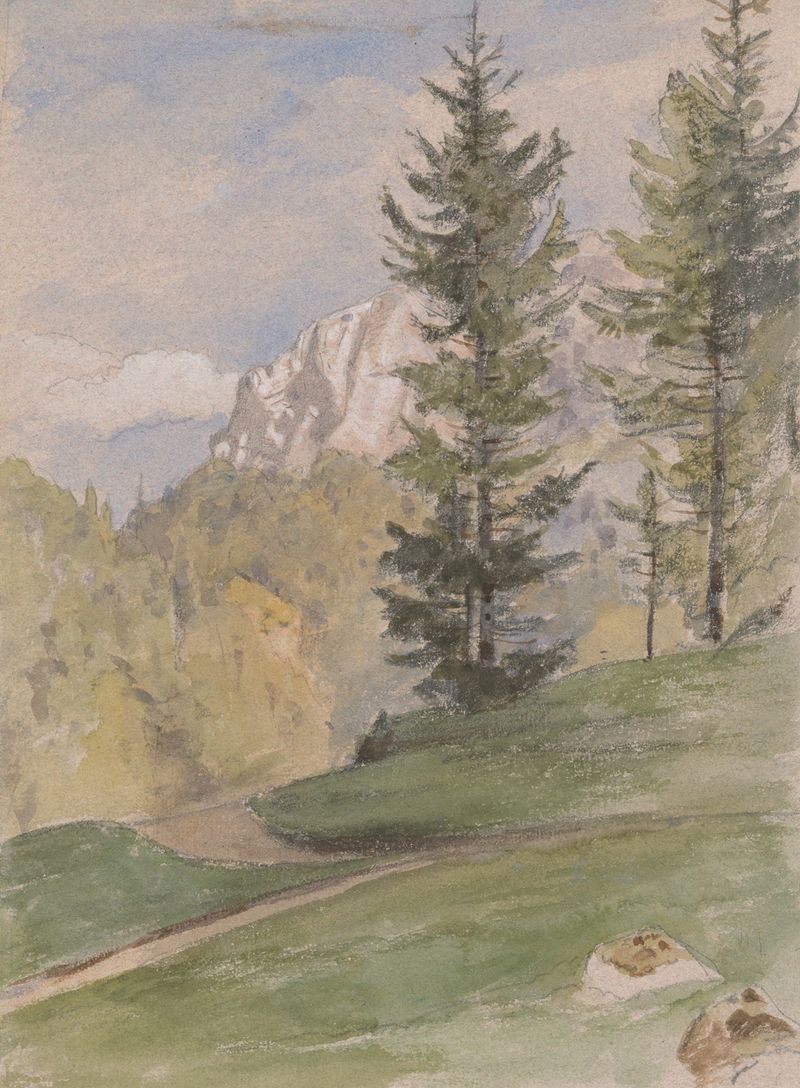
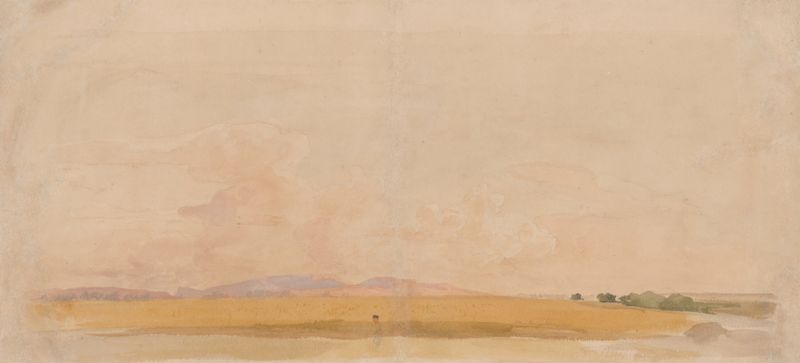
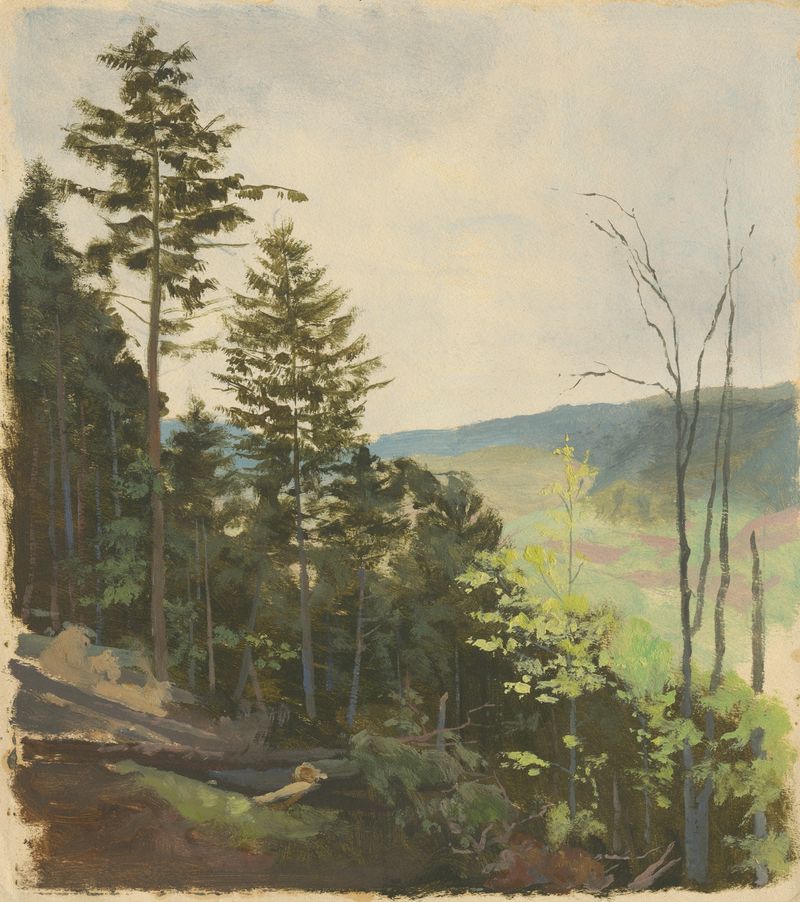
What if beauty was never meant to be finished? In a world where fleeting moments are preserved on canvas, Summer Landscape captures the essence of longing — a yearning for a paradise that remains just out of reach. Look to the left at the horizon, where a gentle sunrise spills golden light over a tranquil expanse. The rolling hills embrace the sky, painted in lush greens and soft blues that invite the viewer’s eye to wander. Notice how the wisps of clouds intertwine with the vibrant colors, creating a dialogue between earth and sky.
The delicate brushwork adds texture, while the harmonious composition pulls you into a serene world that feels both familiar and elusive. Beneath the surface, this artwork speaks of contrasts: the interplay between light and shadow conveys the transitory nature of beauty, echoing the fleeting days of summer. The untouched wildflowers scattered throughout symbolize the innocence lost in the passage of time, while the calmness of the landscape hints at a deeper emotional longing. Each element, from the soft strokes to the vivid hues, contributes to a sense of nostalgia — a reminder of moments that dissolve like summer itself. Created in the late 19th century, this piece emerged as Jan Nowopacký grappled with the burgeoning Impressionist movement in Europe.
Painting during this transformative period, he was influenced by a desire to capture the immediacy of nature and emotion. His time spent in Bohemia, amidst a rich tapestry of artistic exploration, provided fertile ground for his work, reflecting both personal introspection and broader artistic shifts in response to the modern world.