Dworek — History & Analysis
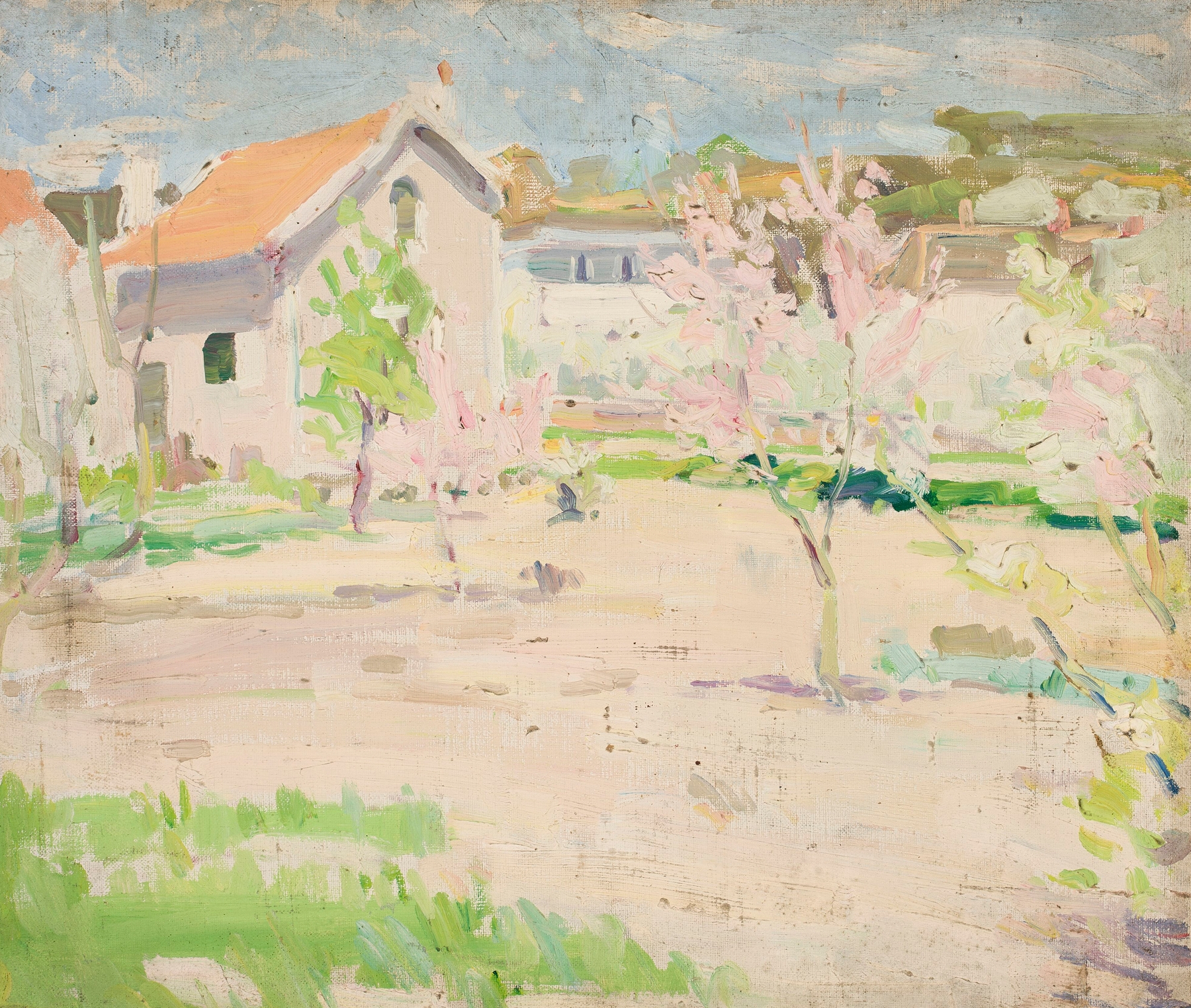
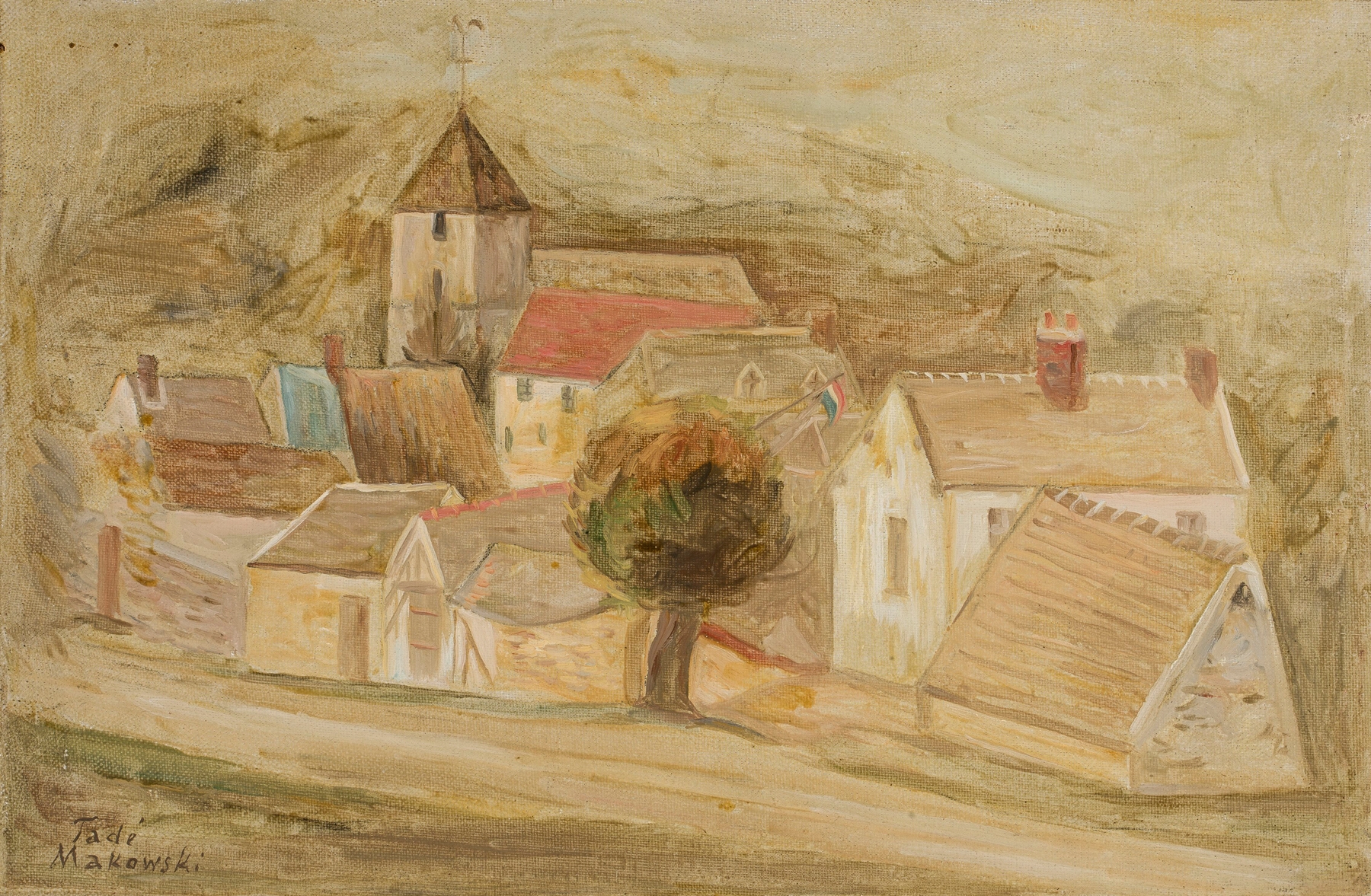
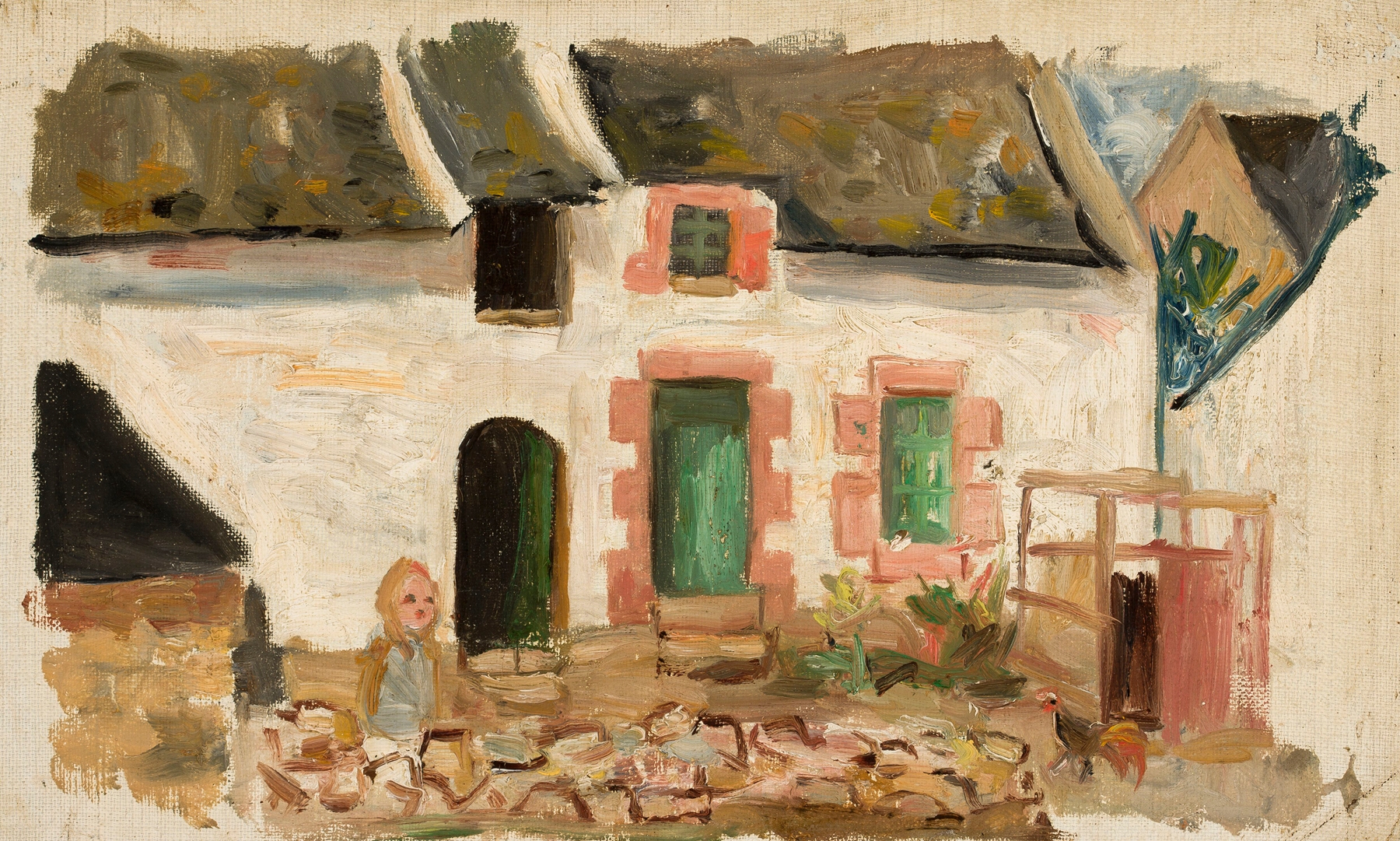
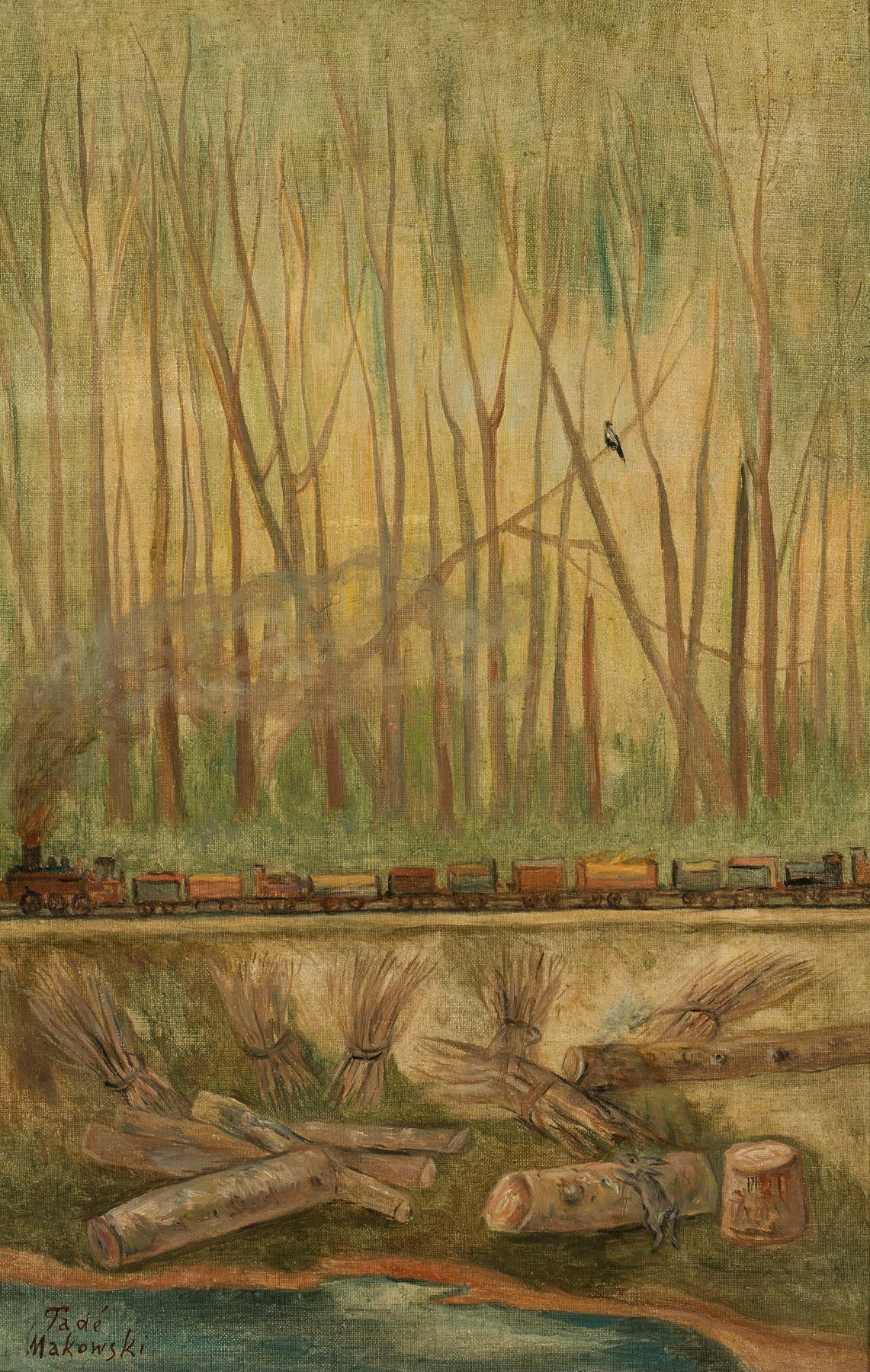
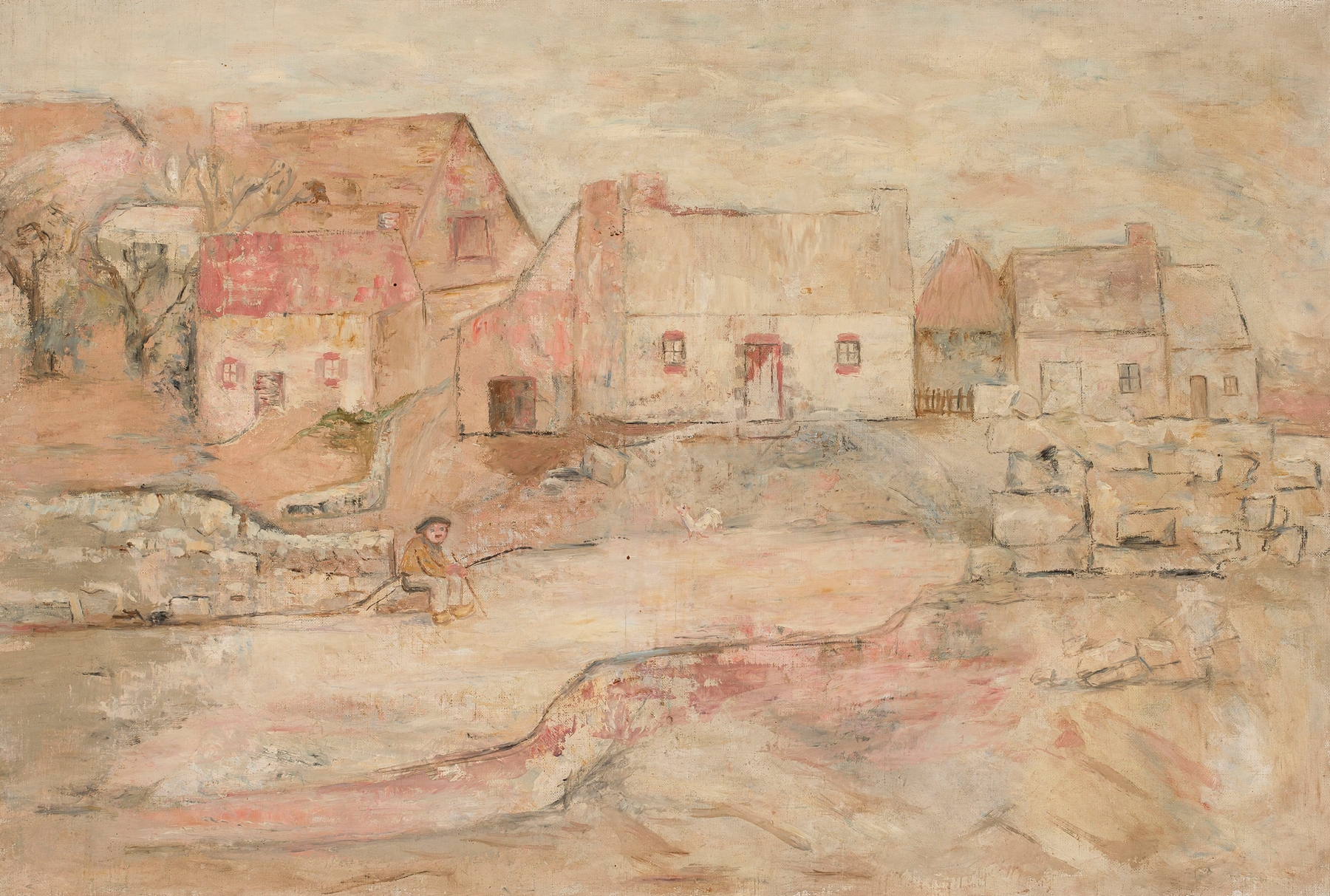
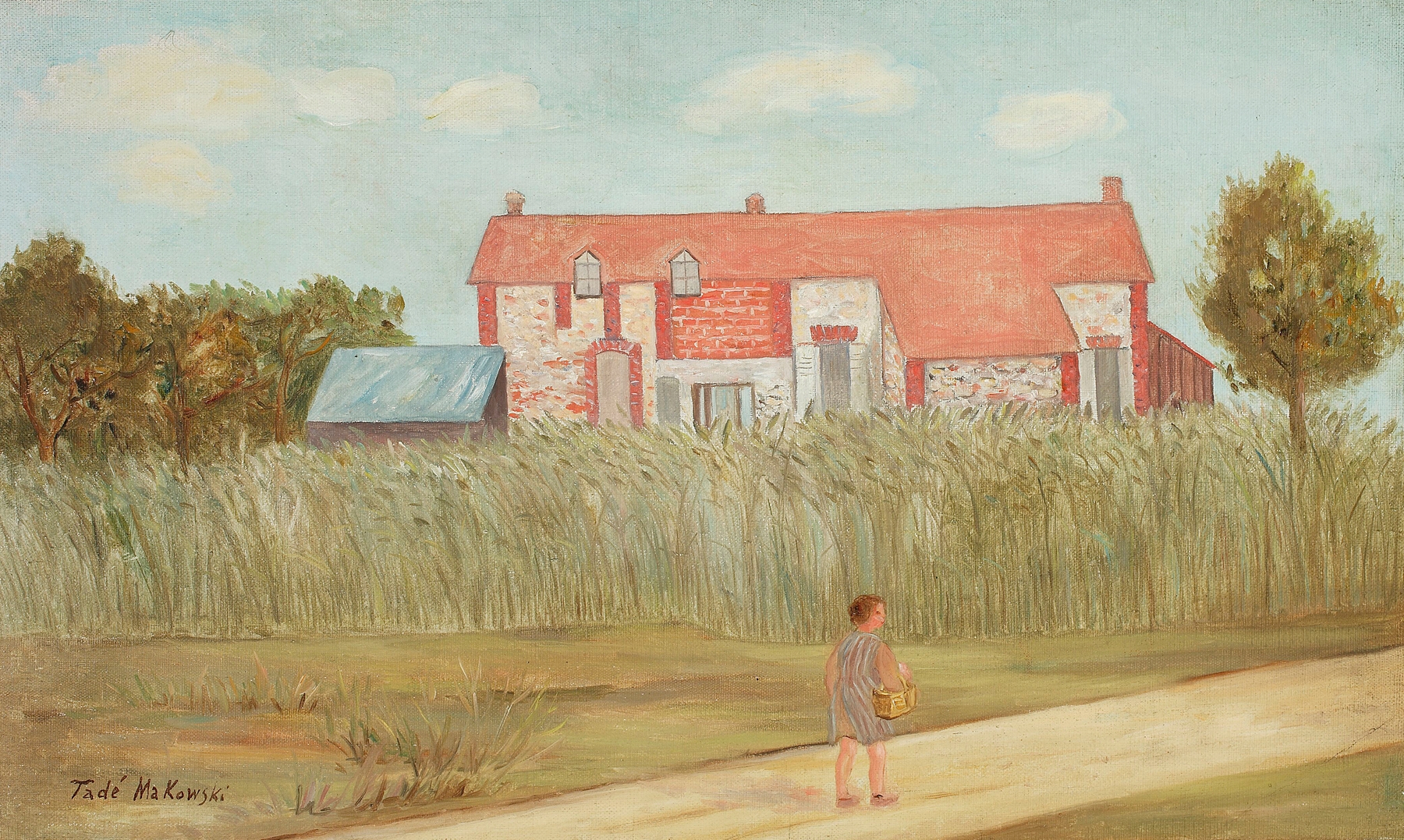
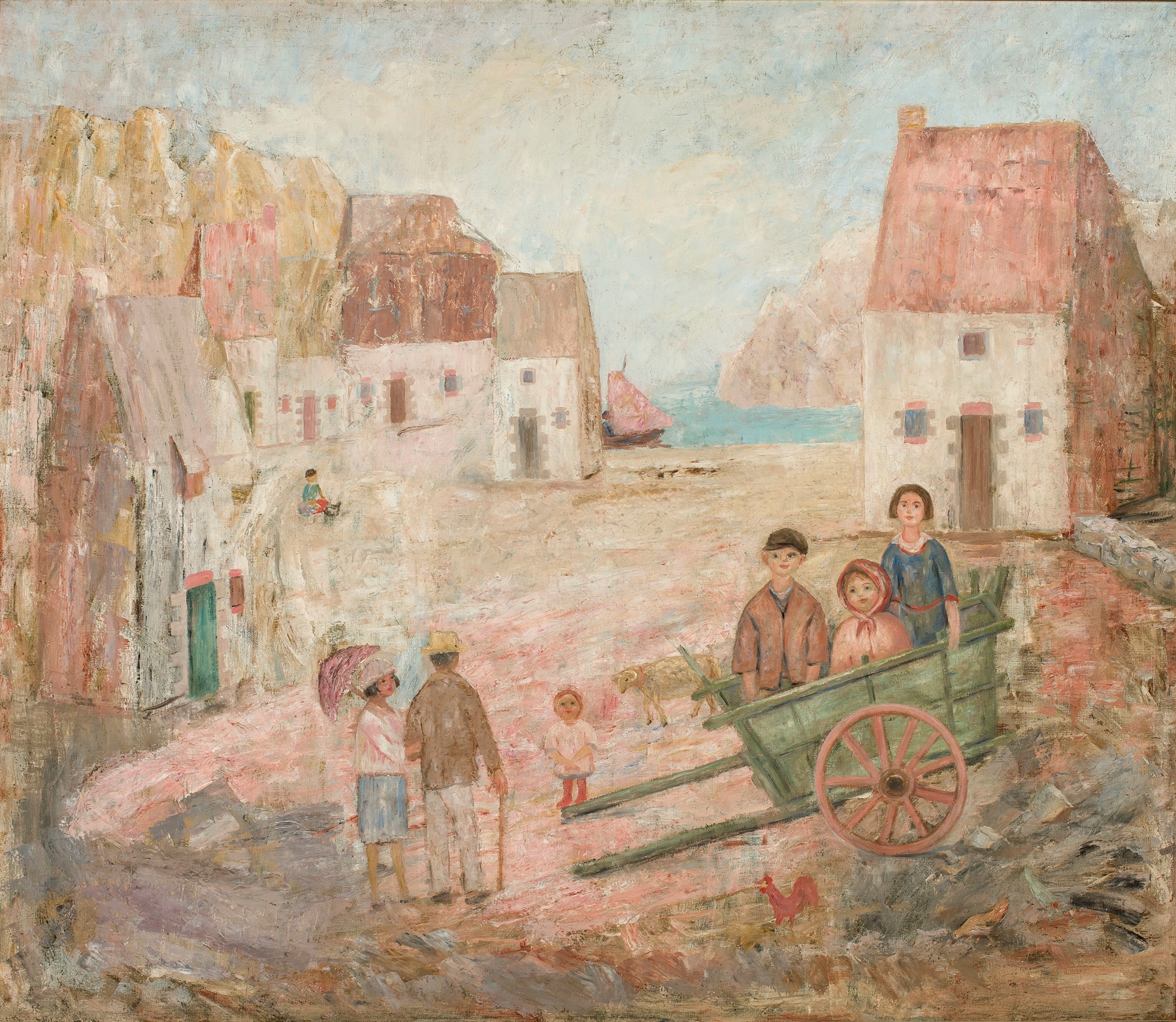
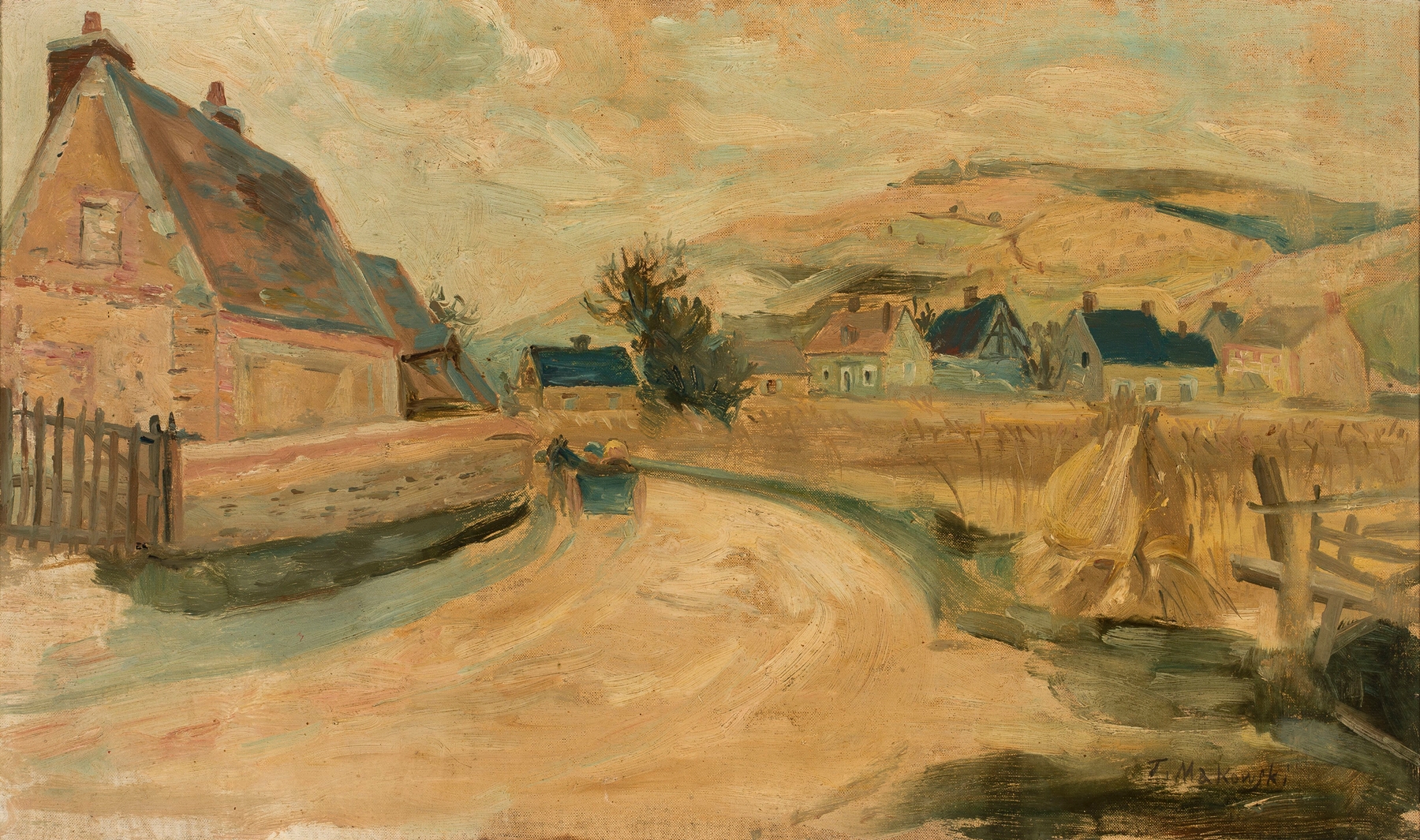
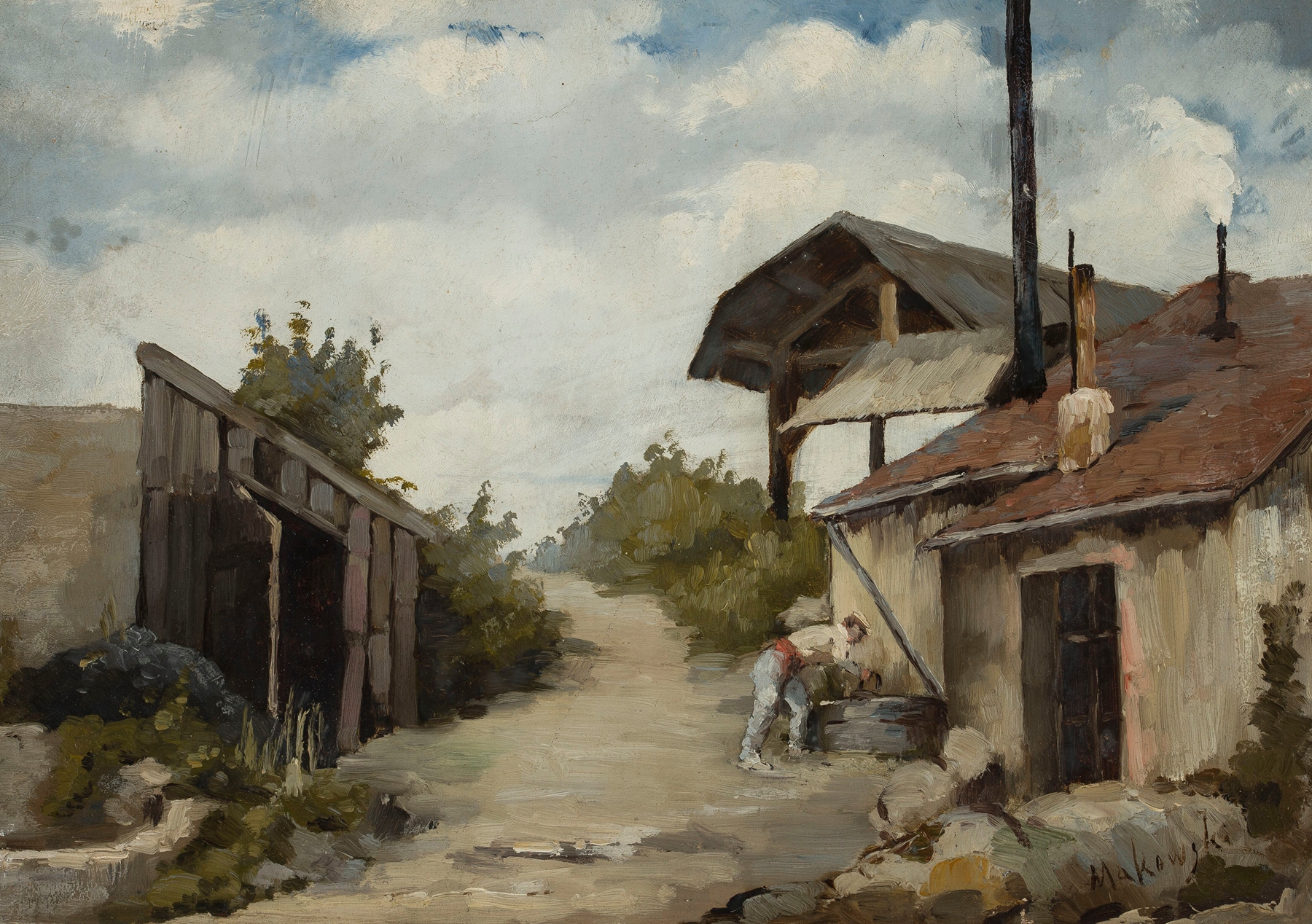
Where does light end, and longing begin? In the brushstrokes of a landscape, chaos unfurls amidst serene beauty, whispering secrets of the heart and the tumult of existence. Focus on the rich interplay of color — the warm gold of sunlight spilling across the canvas, illuminating the soft architecture of the dworek. Notice how the fractured palette of blues and earthy tones juxtaposes against the glowing warmth, creating a tension that draws you in.
The windows, stark and still, invite the viewer to peer into a world both vibrant and elusive, while delicate details, like the fluttering leaves and distant figures, evoke a sense of movement within stillness. Hidden within the layers of this work lies a reflection on the duality of life. The serene exterior of the dworek stands in contrast to the chaos of emotions that stir within, as if the structure itself contains stories waiting to be told. The shifting light hints at fleeting moments of happiness, while the shadows suggest unfulfilled yearnings, merging tranquility with an undercurrent of longing.
Each stroke adds depth to the narrative woven into the landscape, inviting contemplation of the balance between chaos and harmony. In Dworek, painted around 1907, Tadeusz Makowski explored themes of nostalgia and emotional complexity. During this period, he was living in Paris, navigating the art world’s shifting dynamics and the influences of modernism. His works resonate with personal experiences and broader cultural tensions, reflecting a transitional time in art as well as in his own life.