
Encamping for the night — History & Facts
When did color learn to lie? The hues of twilight seem to weave a tale of fleeting existence, where vibrancy masks the chilling passage of time. A serene campfire flickers, casting a warm glow over weary souls, yet its light is but a temporary flicker against the vast darkness that looms. Focus on the figures gathered around the campfire; their postures reflect a blend of camaraderie and weariness. Notice how the golden light dances upon their faces, highlighting moments of laughter and contemplation.
The artist employs rich earthy tones contrasted with shimmering highlights, creating a palpable warmth that invites the viewer to step closer. The encroaching shadows in the background hint at the inevitable night that blankets their world, a stark reminder of life’s transience. In this scene, a deep emotional tension arises from the juxtaposition of warmth and darkness. The brightness of the fire symbolizes life and connection, while the surrounding shadows allude to mortality, reminding us that every moment shared is a step closer to the inevitable night.
The delicate brushwork captures the flickering light beautifully, suggesting that joy and sorrow exist side by side, each illuminating the other. Walter William May painted this work in 1855, during a period when he was deeply influenced by the Romantic movement’s exploration of nature and humanity’s place within it. He was in England at the time, engaged in capturing the emotional essence of rural life, a departure from the more industrialized themes of his era. This piece reflects not only his artistic growth but also a societal yearning to reconnect with simpler, more profound experiences amidst the rapid changes of the Victorian age.
More Artworks by Walter William May
Browse all →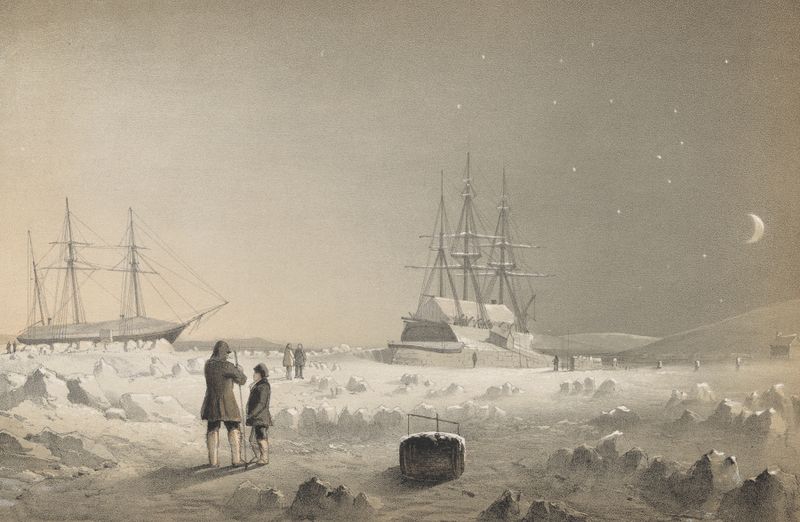
H.M.S. Assistance and Pioneer in Winter Quarters—Returning Daylight
Walter William May
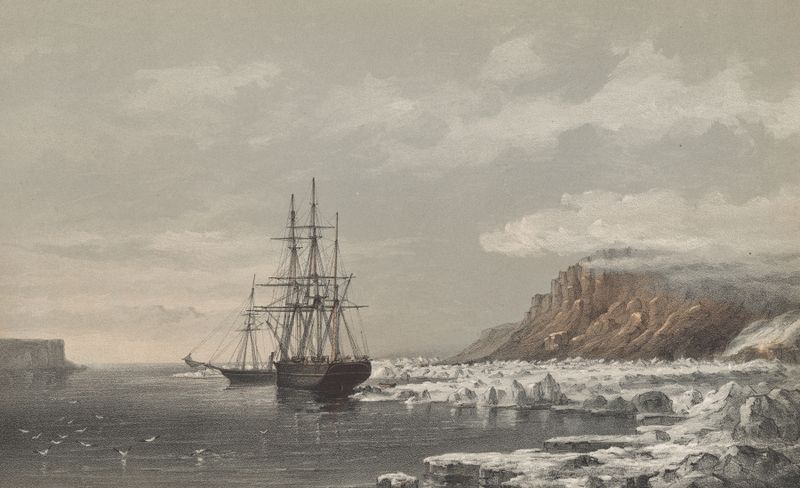
H.M.S. Assistance and Pioneer fast to the Floe, off Cape Majendie, Wellington Channel, 1853
Walter William May
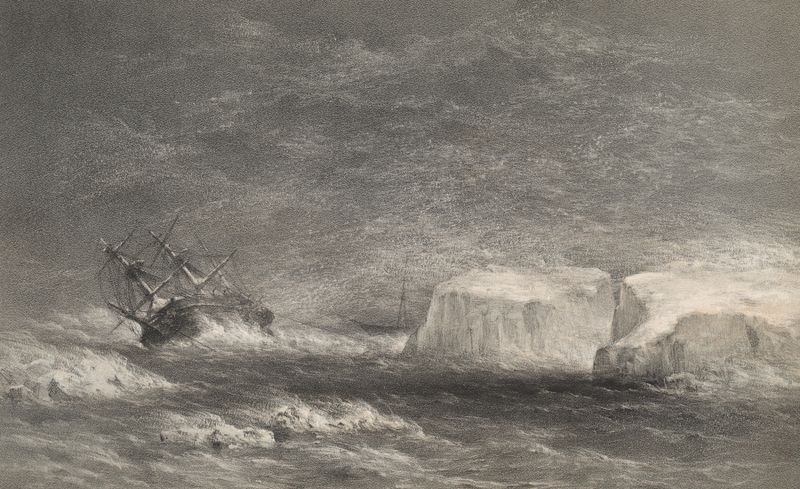
Perilous position of H.M.S. Assistance and Pioneer, on the evening of the 12th of October, 1853.—Disaster Bay
Walter William May
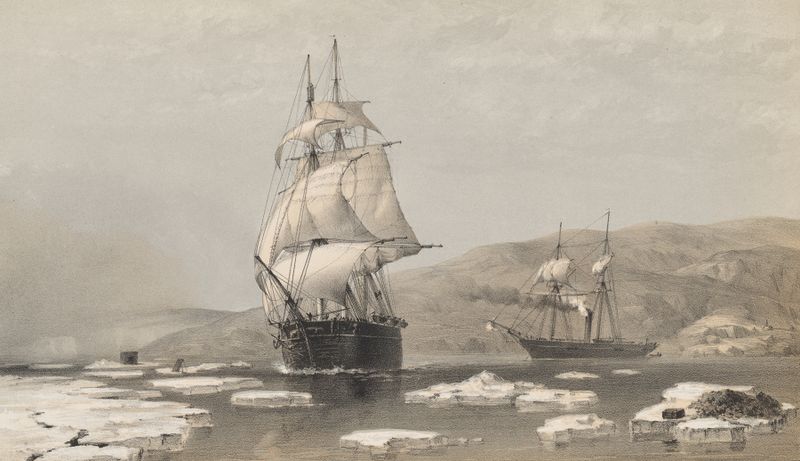
H.M.S. Assistance and Pioneer breaking out of Winter Quarters, 1854
Walter William May
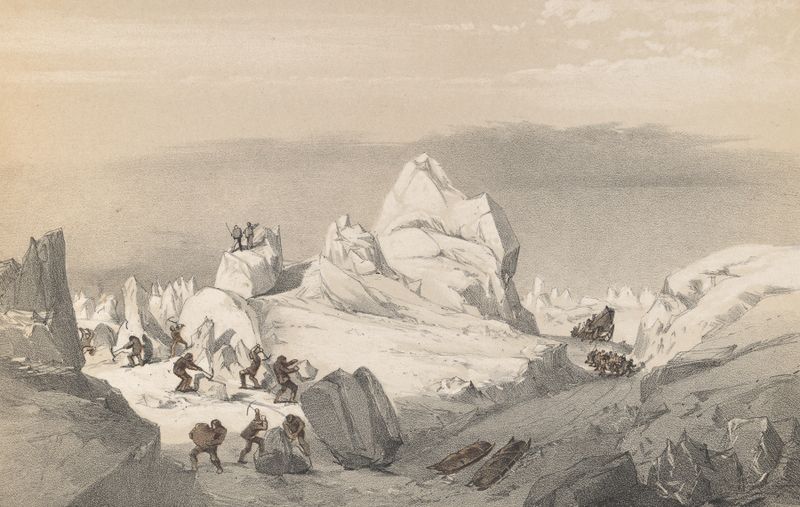
Division of Sledges finding and cutting a road through heavy hummocks, in the Queen’s Channel
Walter William May
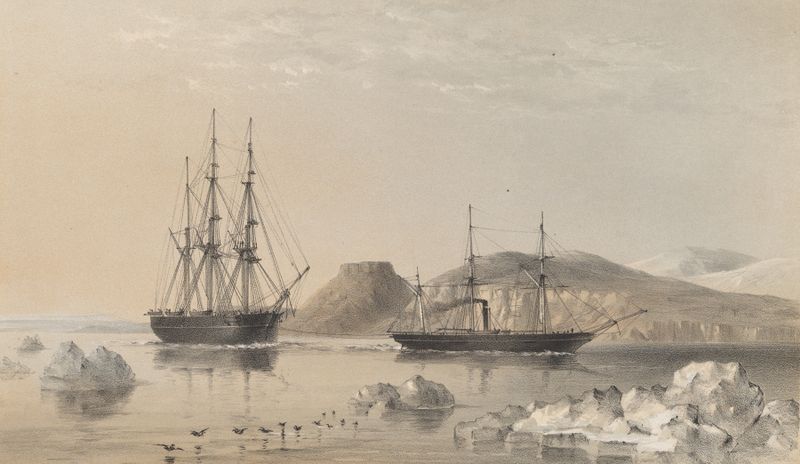
H.M.S. Assistance, in tow of the Pioneer (Captain Sherard Osborn), Passing John Barrow Mount, North of Wellington Channel, 1853
Walter William May
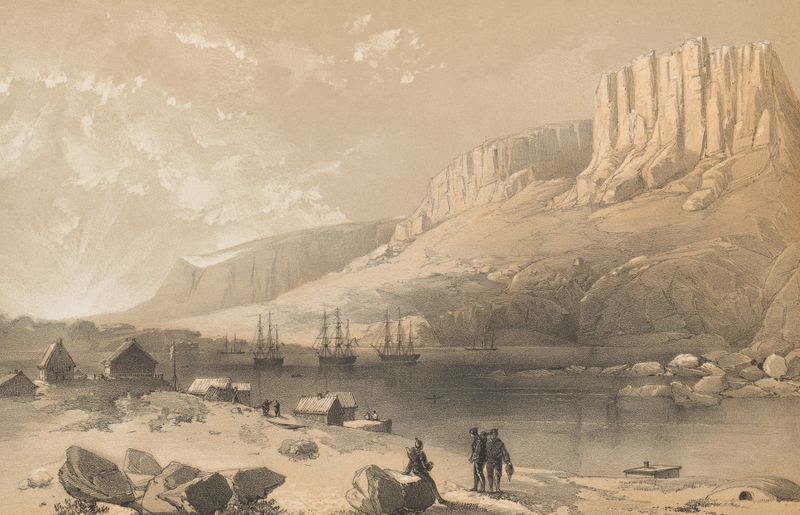
The Arctic Squadron in Leevly Harbour, Island of Disco, West Coast of Greenland
Walter William May
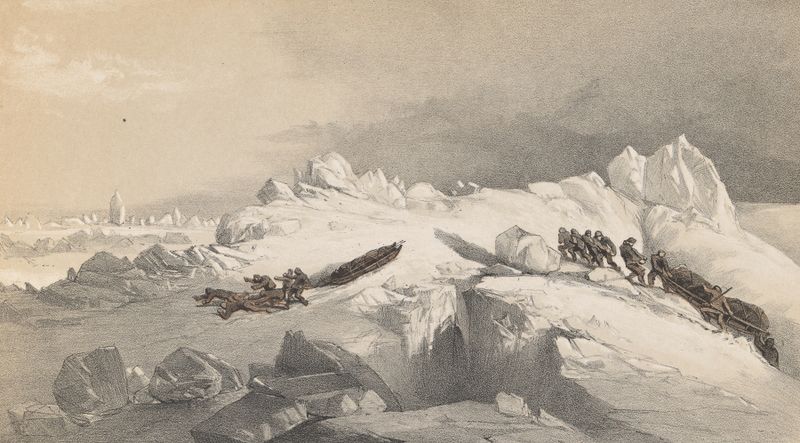
Division of Sledges finding and cutting a road through heavy hummocks, in the Queen’s Channel
Walter William May
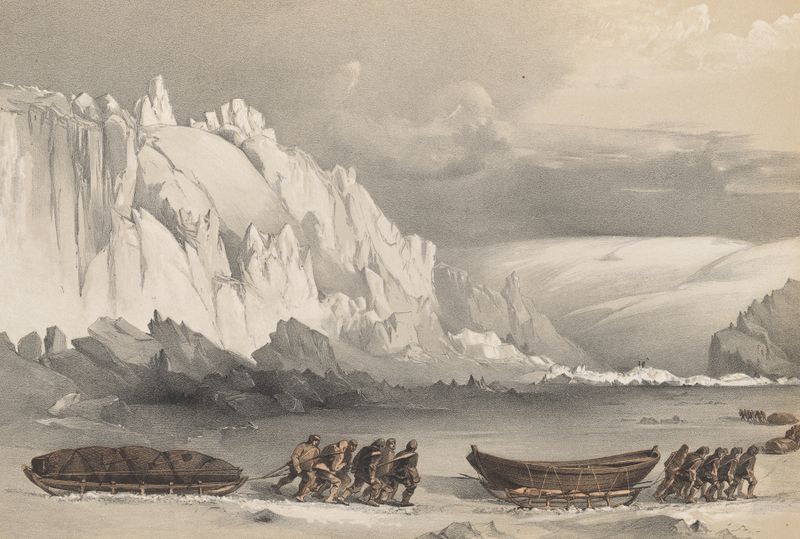
Division of Sledges passing Cape Lady Franklin; Extraordinary masses of ice pressed against the North Shore of Bathurst Land
Walter William May
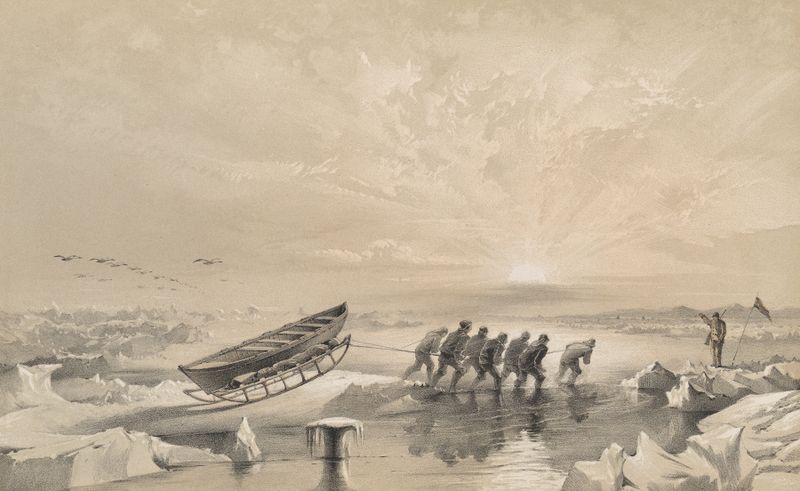
Sledge party returning through water during the month of July
Walter William May





