
End of the pier, Honfleur — History & Facts
When Georges Seurat exhibited End of the pier, Honfleur in 1886, it was among the first works where he applied his radical new technique of pointillism to a landscape. This method, meticulously placing tiny dots of pure color, bewildered and fascinated critics at the final Impressionist exhibition in Paris that year. The painting stands as a quiet revolution, marking Seurat's transition from traditional Impressionist brushwork to the scientific color theories that would define his short career.
Its subject—a tranquil corner of the bustling port of Honfleur—contrasts sharply with the technical daring on display. The scene Seurat chose is a moment of stillness at the water’s edge: the long wooden pier juts into the Seine estuary, its planks rendered in dabs of ochre and blue, while distant sails and humble figures dissolve into a haze of light. The geometry of the pier draws the eye outward, guiding us toward the horizon where sky and water nearly merge. Each element—the upright posts, the shimmering reflections, the figures lost in thought—serves to heighten the sense of quiet observation.
Compared to Claude Monet’s bustling depictions of Honfleur, Seurat’s version is more analytical, stripping away anecdote to focus on structure and the play of light. The exact commission history of End of the pier, Honfleur is unclear, and its early provenance is not well documented, but it is typical of the small panels Seurat painted en plein air before developing his monumental canvases. The painting’s restrained palette and precise technique foreshadow his later masterpiece, A Sunday Afternoon on the Island of La Grande Jatte. Today, End of the pier, Honfleur is recognized as a key step in the evolution of Neo-Impressionism, and it hangs in a major public collection, where it continues to invite viewers to pause and consider the science—and poetry—of seeing.
More Artworks by Georges Seurat
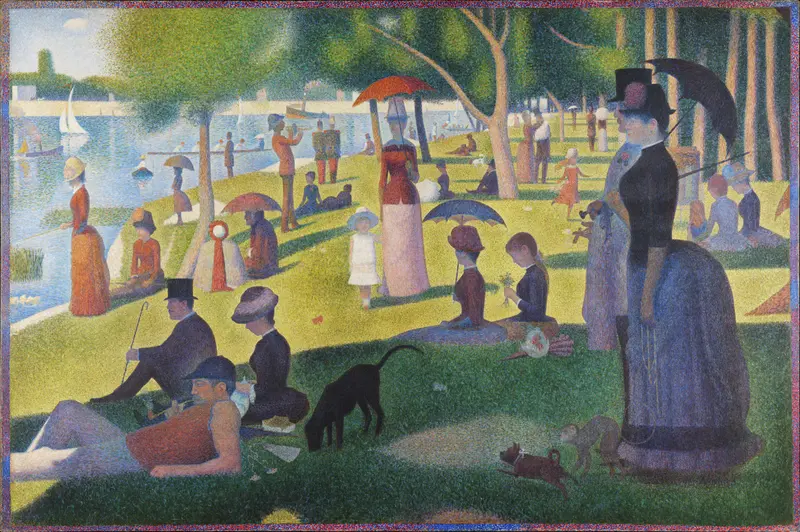
A Sunday Afternoon on the Island of La Grande Jatte
Georges Seurat
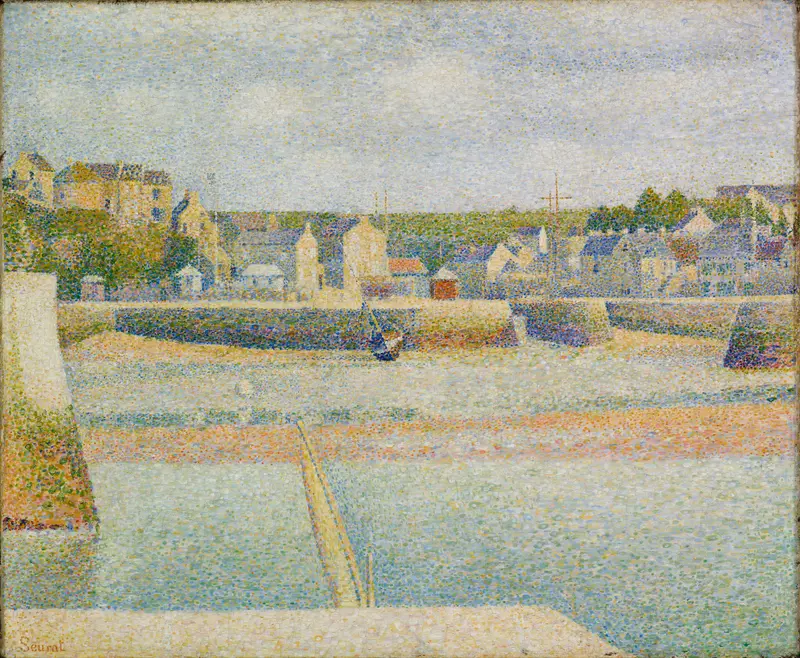
Port-en-Bessin, The Outer Harbor (Low Tide)
Georges Seurat
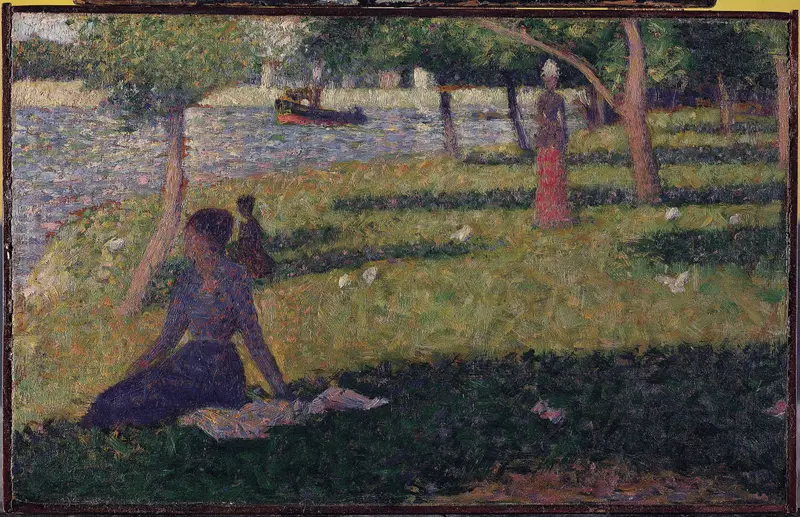
Étude pour ‘La Grande Jatte’ (Study for ‘La Grande Jatte’)
Georges Seurat
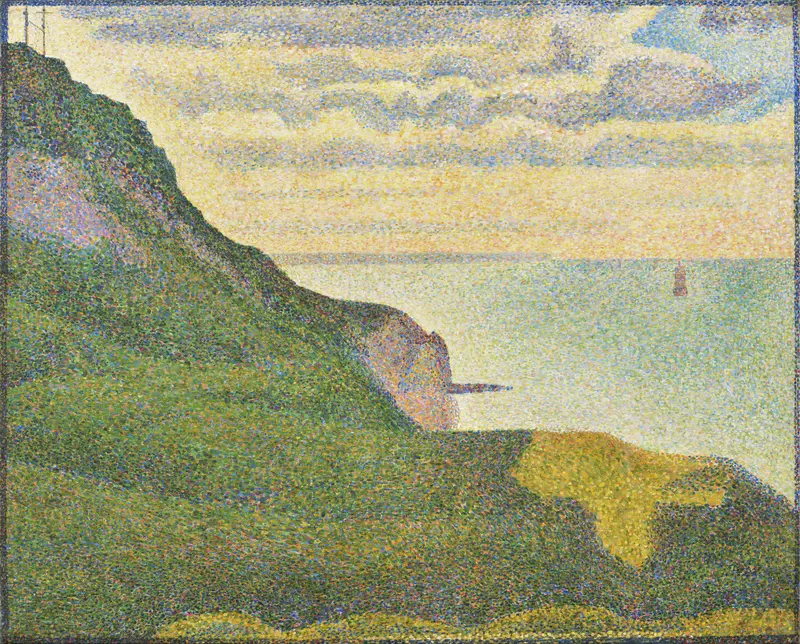
Seascape at Port-en-Bessin,Normandy
Georges Seurat
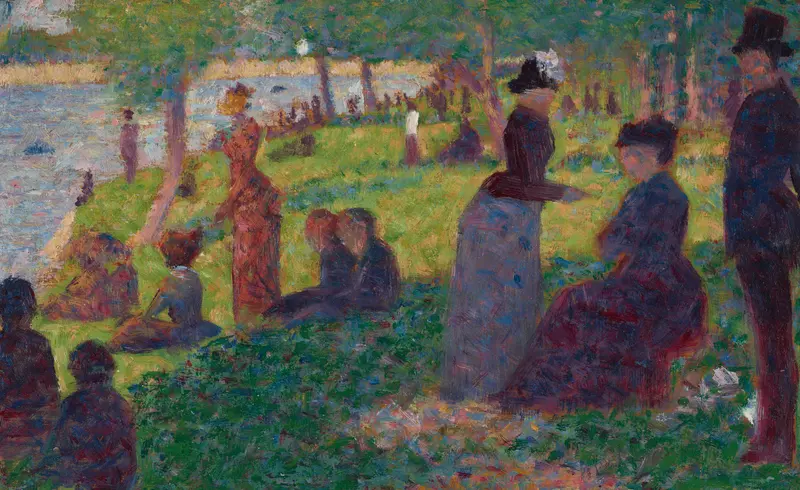
Oil Sketch for "A Sunday on La Grande Jatte — 1884"
Georges Seurat
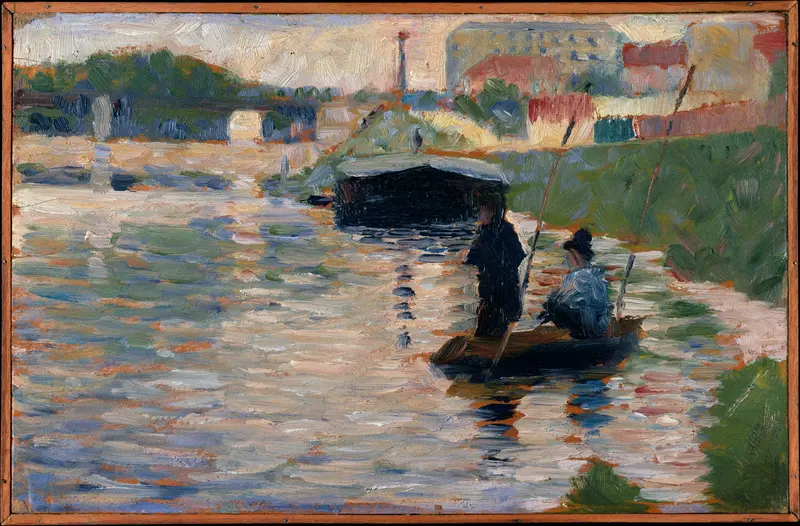
View of the Seine
Georges Seurat
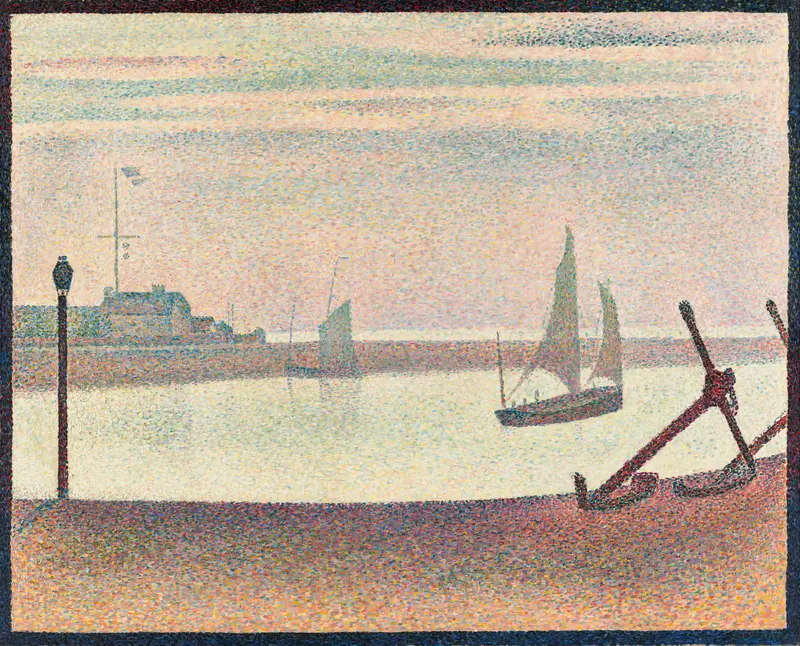
The Channel at Gravelines, Evening
Georges Seurat
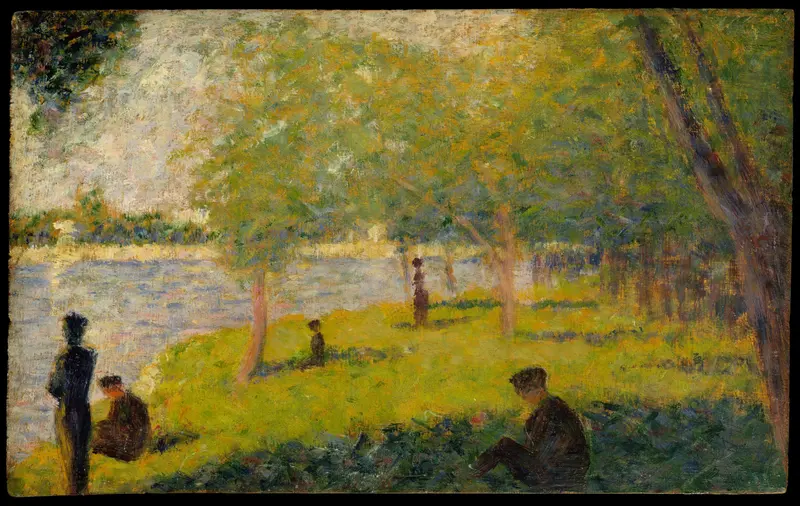
Study for ‘A Sunday on La Grande Jatte’
Georges Seurat
Study for A Sunday on La Grande Jatte
Georges Seurat
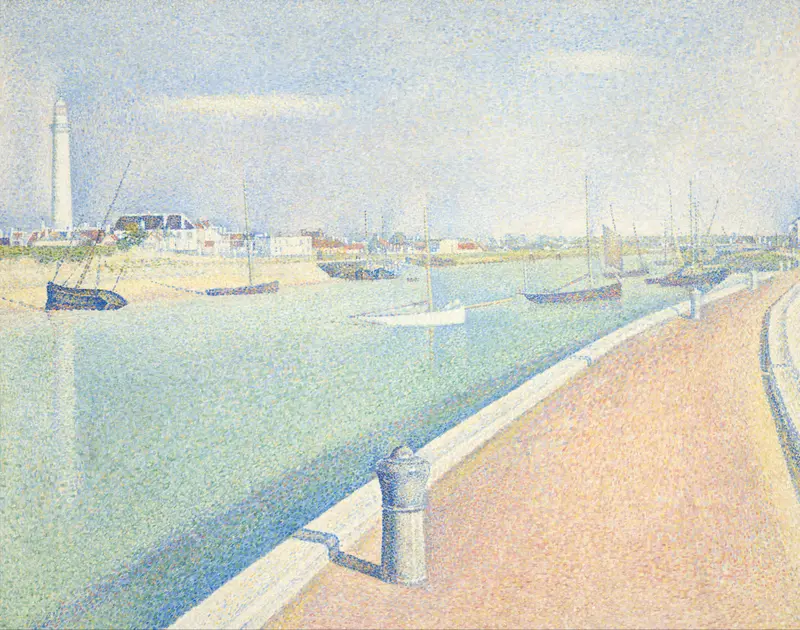
The Channel of Gravelines, Petit Fort Philippe
Georges Seurat
More Landscape Art

The Starry Night
Vincent van Gogh

View of Delft
Johannes Vermeer

Water Lilies
Claude Monet

The Grand Canal, Venice, looking north-west from the Ca' Corner to the Ca' Contarini degli Scrigni, with the campanile of Santa Maria della Carità
Canaletto

Windsor Castle
Canaletto

The Grand Canal looking North-East from the Palazzo Dolfin-Manin to the Rialto Bridge
Canaletto