
Entrance to Calais Harbour — History & Facts
What secret hides in the quiet of the canvas? Beneath the calm waters and gentle sky, an undercurrent of grief lingers, rendering the beauty of this harbor bittersweet. Look to the foreground where the soft, muted blues blend seamlessly into the reflective waters, creating a serene transition. The boats, adorned in delicate white sails, seem almost ghostly against the vibrant horizon, inviting the viewer to explore their stories. Notice how the light falls upon the distant cliffs, casting elongated shadows that suggest both depth and distance, hinting at unseen struggles beyond the tranquil scene. In the horizon, the sun bathes the sky in warm golds and pinks, contrasting the cool tones below.
This tension between warmth and coolness evokes a sense of nostalgia, as if the harbor is a passage not only for ships but for emotions left unspoken. The subtle ripples in the water serve as a reminder of fleeting moments, suggesting that beneath the surface, life continues to ebb and flow, burdened by unvoiced memories. David Cox painted Entrance to Calais Harbour in 1829 while living in England, a time marked by both artistic innovation and personal sorrow. This period saw him grappling with the loss of loved ones, and his work sought solace in landscapes that reflected profound emotional truths.
Amidst the evolving art world, which began to embrace the Romanticism movement, his use of light and atmosphere captured the fragile interplay between beauty and grief, establishing him as an artist of deep sensitivity.
More Artworks by David Cox
Browse all →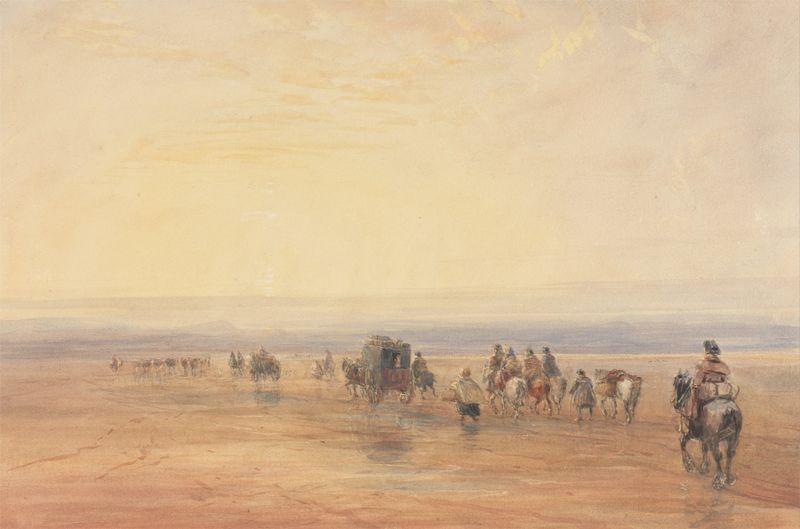
Crossing Lancaster Sands
David Cox
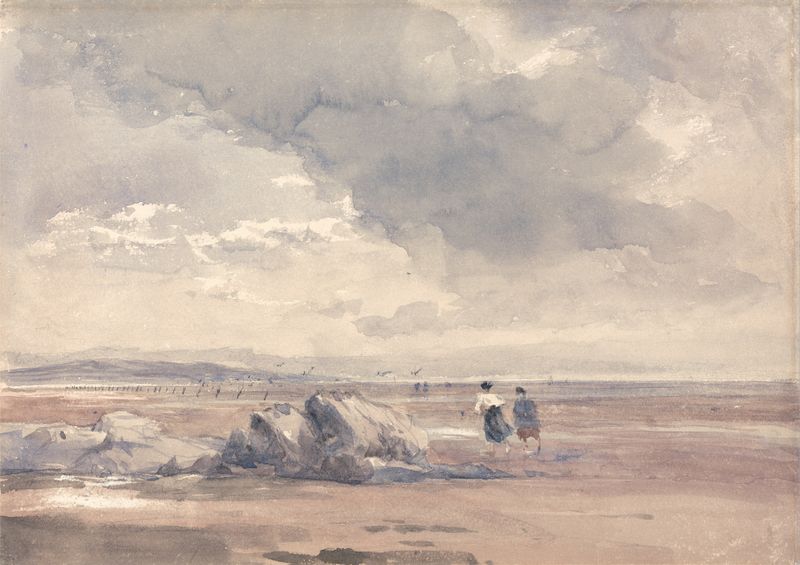
On Lancaster Sands, Low Tide
David Cox

Lincoln Cathedral from Brayford Pool
David Cox

View in Wales
David Cox
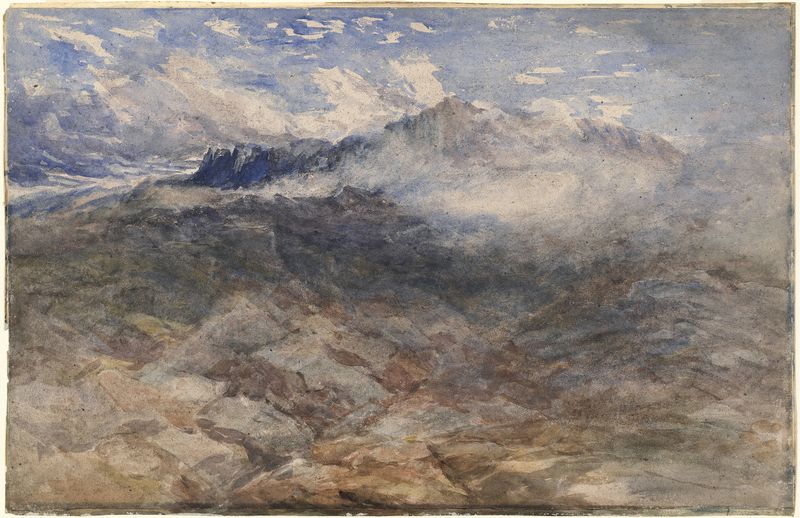
Mountain Heights, Cader Idris
David Cox

Bergen op Zoom
David Cox

Boating Before Lambeth Palace, London
David Cox
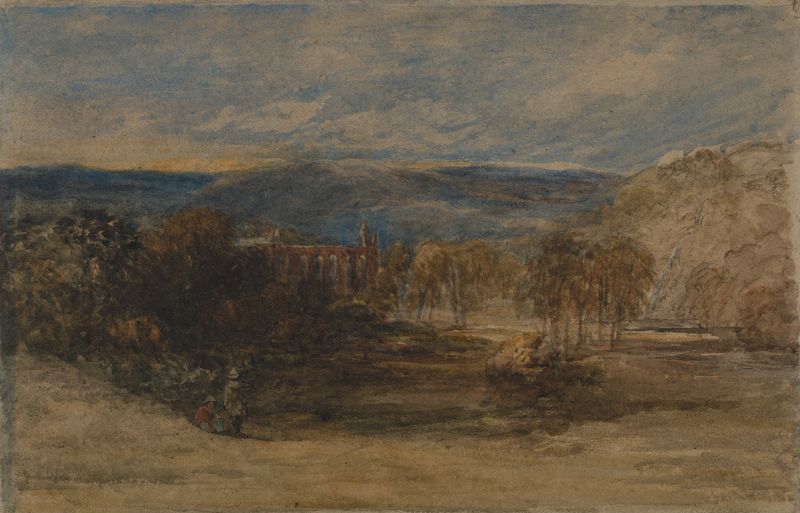
Bolton Abbey
David Cox

London Bridge
David Cox
Westminster from Lambeth
David Cox





