
Entry of Christ into Jerusalem — History & Facts
A city’s gate looms, not as a mere backdrop but as a threshold between worlds—inside, the ancient stones of Jerusalem; outside, a gathering of figures, their bodies angled in anticipation, their gestures a choreography of welcome and awe. The drama of Entry of Christ into Jerusalem unfolds in the tension between enclosure and arrival, with the city’s massive walls casting deep shadows that heighten the sense of a moment about to tip from ordinary procession into history. The painter leads your gaze from the wild, wind-bent palms at left, through a river of figures, to the central rider: a calm presence on a donkey, surrounded by a swirl of outstretched arms and fluttering cloaks.
The palette is earthy and subdued, lending the scene a dusk-like solemnity, as if the air itself is thick with expectation. Painted in the 17th century, this work belongs to a tradition that made biblical stories visible and immediate for viewers in churches and private homes alike. Such scenes were not just decoration; they were invitations to enter the story, to find oneself among the crowd at the city gate. While history has kept few traces of this particular painting’s journey, its presence in a collection today is a reminder of how artists like Alessandro Magnasco—working centuries after the events—brought the distant past into the present tense of brush and pigment.
Every detail, from the watchful dog in the foreground to the distant figures melting into the trees, urges us to step closer and imagine the sound of the crowd, the rustle of palm branches, and the weight of the moment as Christ enters Jerusalem.
More Artworks by Alessandro Magnasco

The Synagogue
Alessandro Magnasco
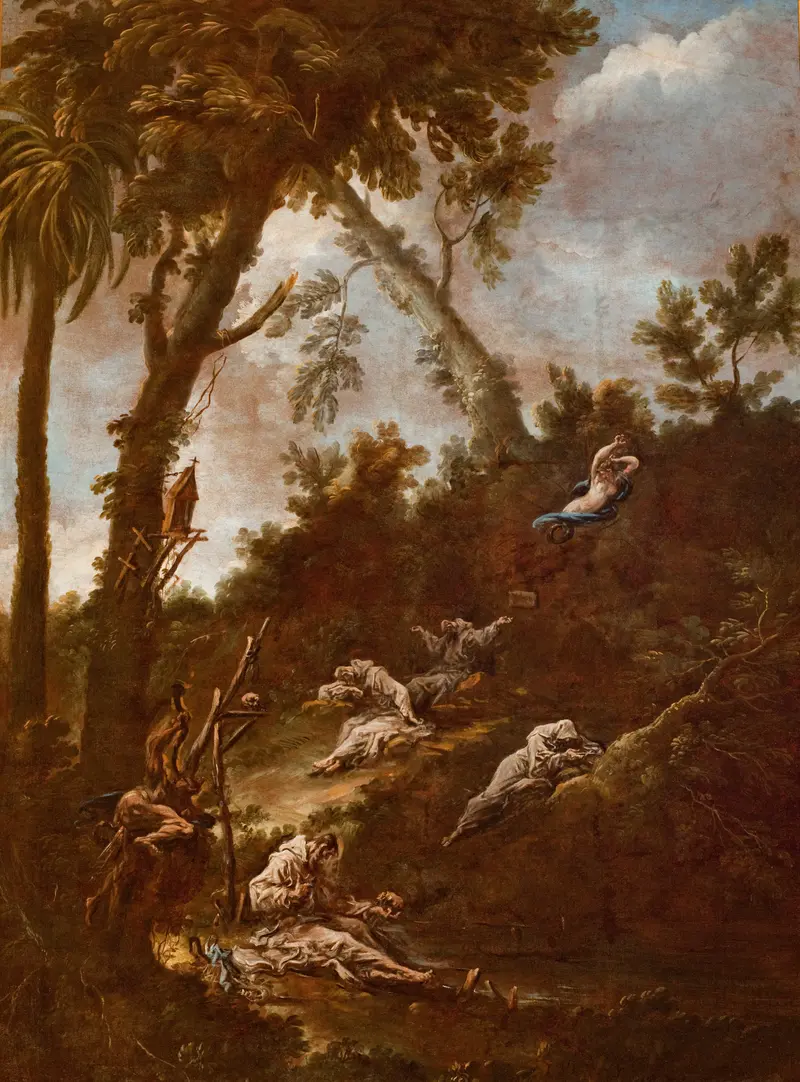
Hermits (Anachorets)
Alessandro Magnasco
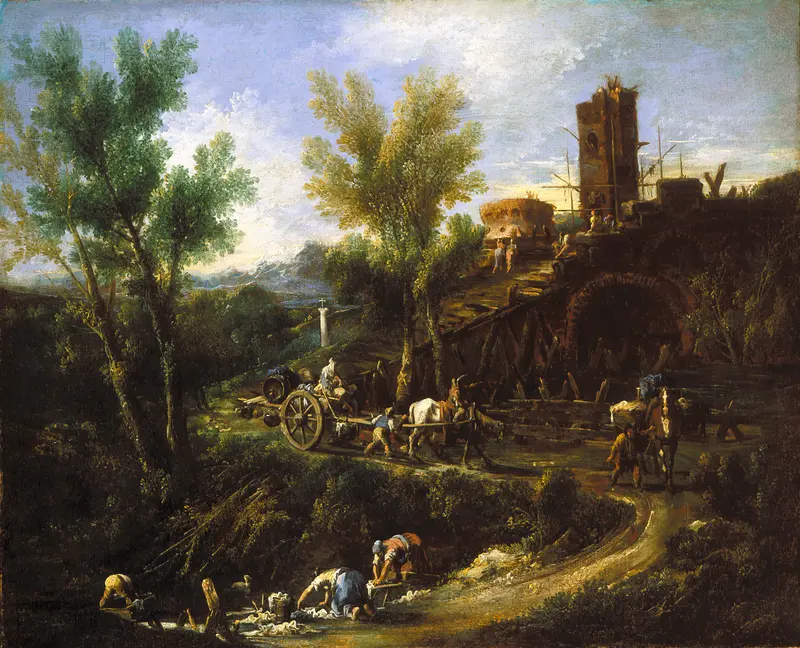
Landscape with Gypsies and Washerwomen
Alessandro Magnasco
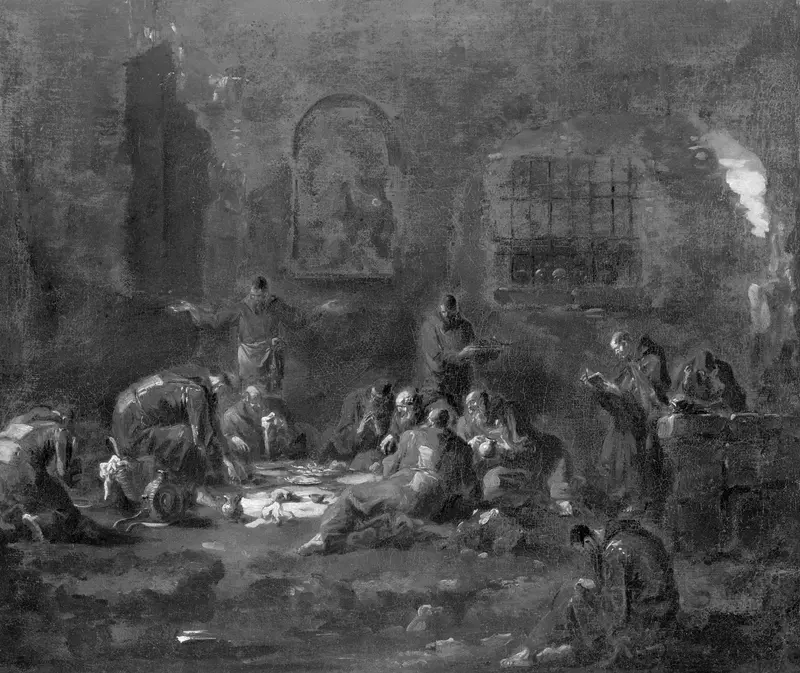
Monks at Supper
Alessandro Magnasco
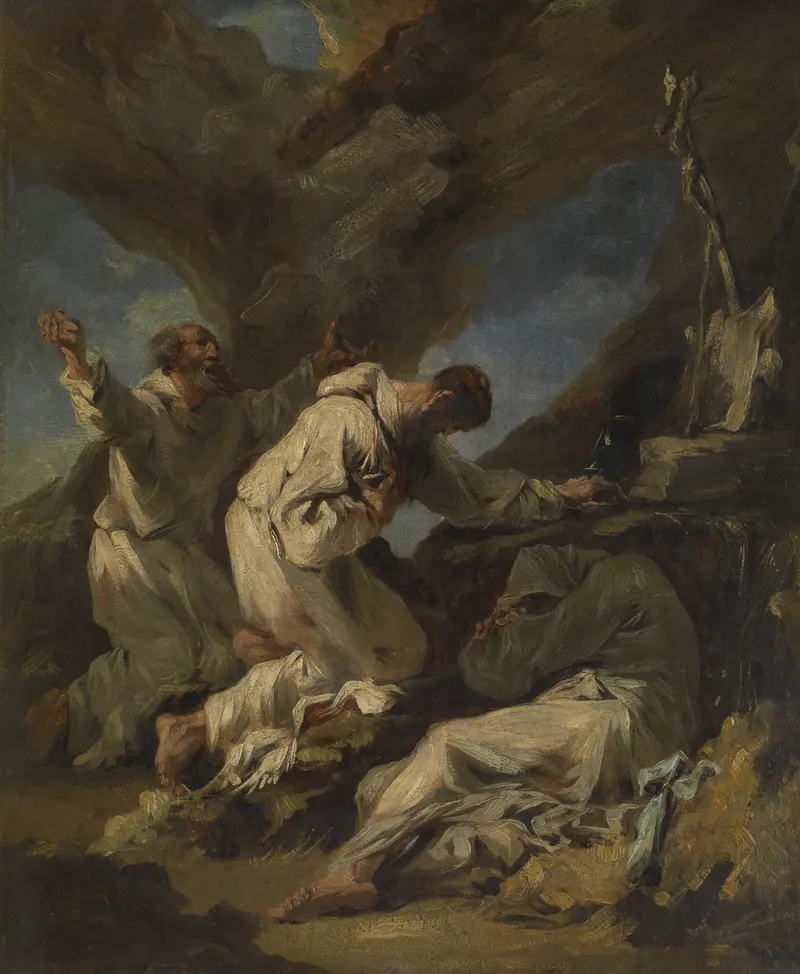
Praying Monks
Alessandro Magnasco
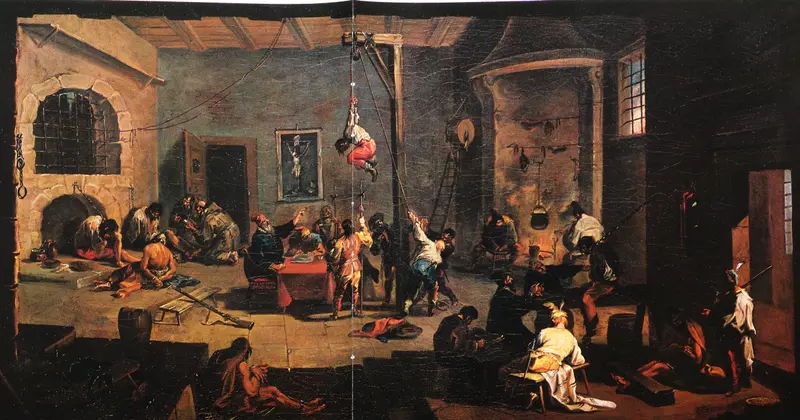
Torture Scene
Alessandro Magnasco
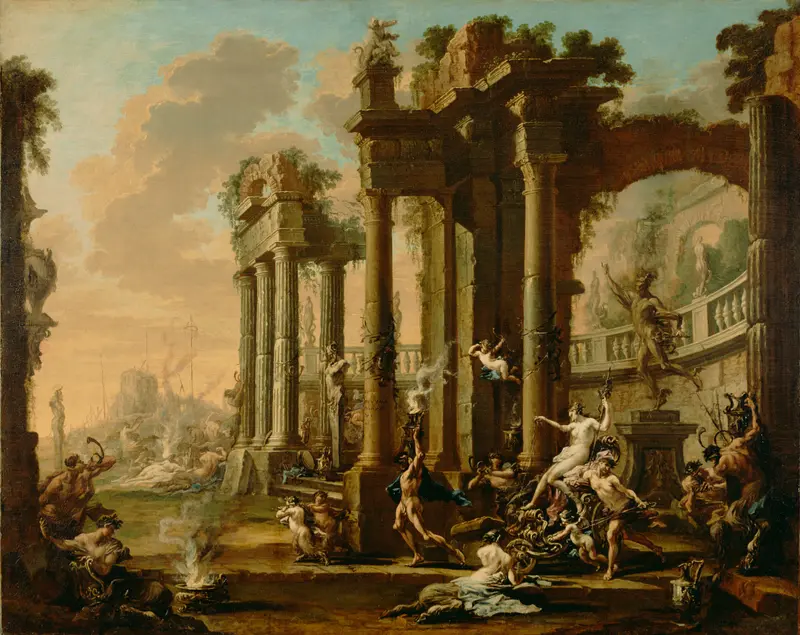
The Triumph of Venus
Alessandro Magnasco
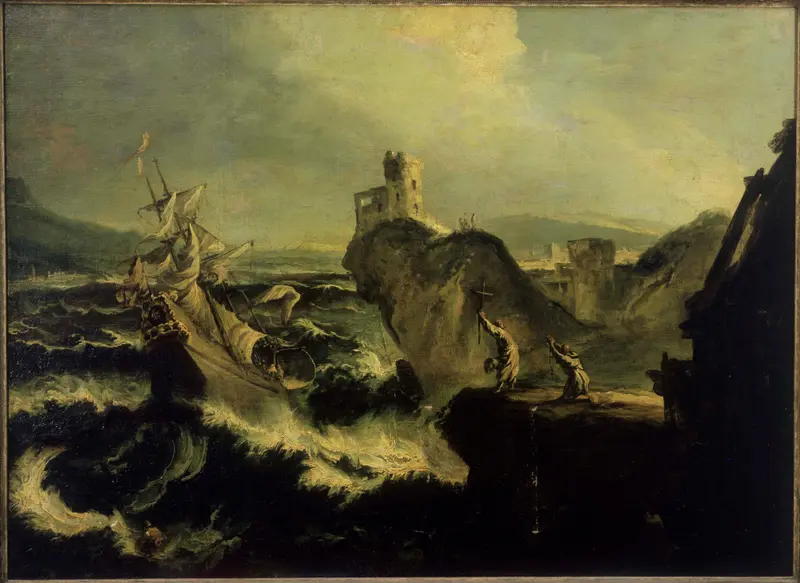
The Shipwreck
Alessandro Magnasco
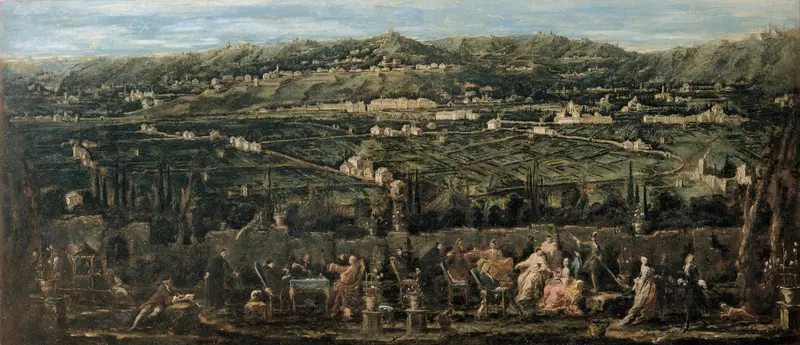
Garden Party in Albaro
Alessandro Magnasco
Monks Praying in a Grotto
Alessandro Magnasco





