
Erntemonat in Plankenberg — History & Facts
Did the painter know this moment would outlive them? In the stillness of Erntemonat in Plankenberg, echoes of life linger, captured in the delicate brushstrokes of a bygone autumn. Look to the left at the vibrant, rust-colored leaves, their edges kissed by the sun's dying light. The gentle slope of the landscape draws your gaze across the canvas, through rich greens and warm yellows, towards the soft horizon, where the sky blurs into shades of twilight. Notice how Schindler’s technique, a blend of impressionistic and realistic elements, creates an inviting yet contemplative atmosphere, urging the viewer to step into this tranquil harvest scene. Delve deeper into the composition, where the juxtaposition of labor and leisure emerges.
In the foreground, a solitary figure bends over, tirelessly gathering the bounty of the land, while in the background, whispers of community life unfold — distant figures reveal the interconnectedness of those who toil and those who dream. The painting grapples with the duality of existence; it invites reflection on the fleeting nature of time against the steadfast cycles of nature. Emil Jakob Schindler painted this work in 1890, during a time when the art world was embracing the burgeoning modernism. Living in Vienna, he was influenced by the changing landscapes of society, where industrialization began to clash with pastoral life.
This piece reflects not only a moment in nature but also the artist's silent meditation on change — a dream of harmony between labor and the beauty of existence.
More Artworks by Emil Jakob Schindler
Browse all →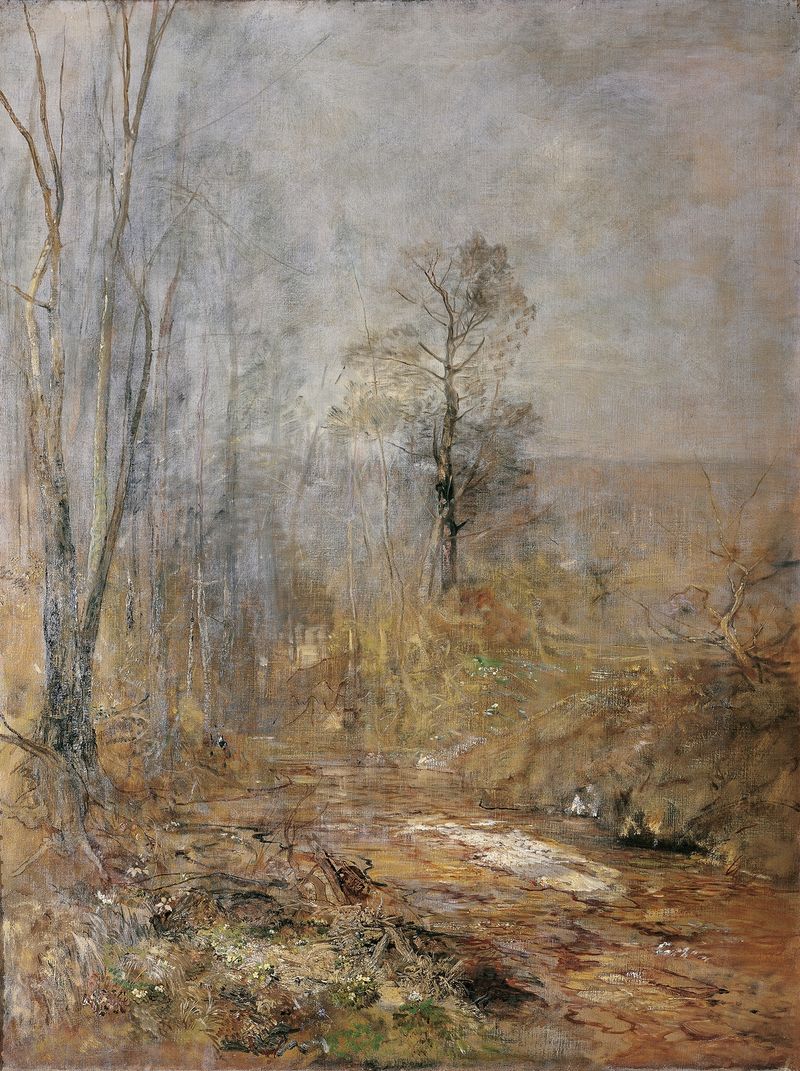
Märzstimmung – Vorfrühling im Wienerwald
Emil Jakob Schindler
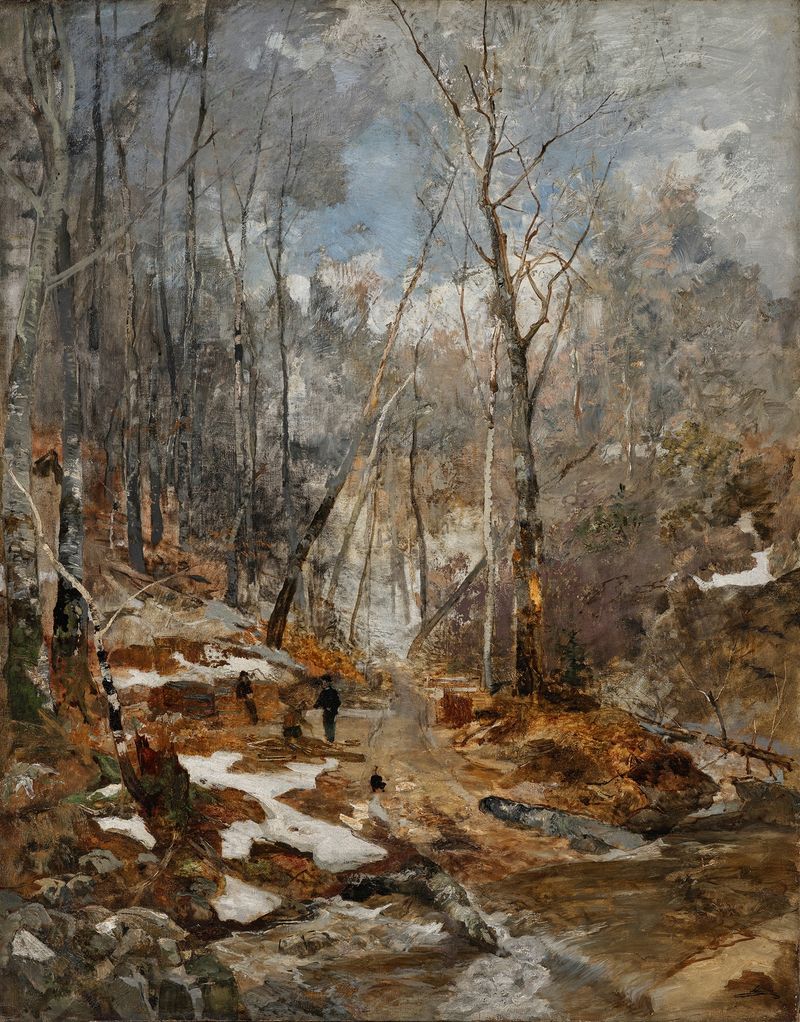
Februarstimmung – Vorfrühling im Wienerwald
Emil Jakob Schindler
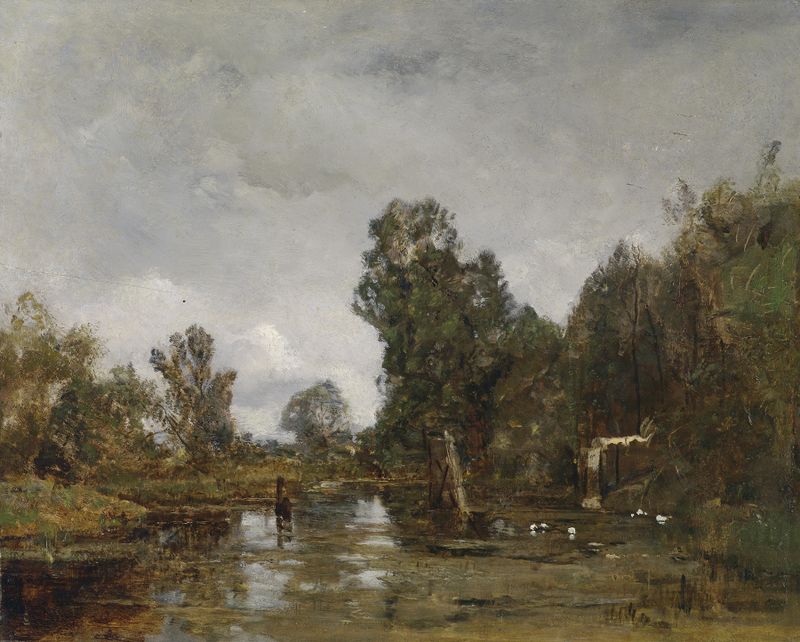
Motiv aus dem Wiener Prater (Krieau)
Emil Jakob Schindler
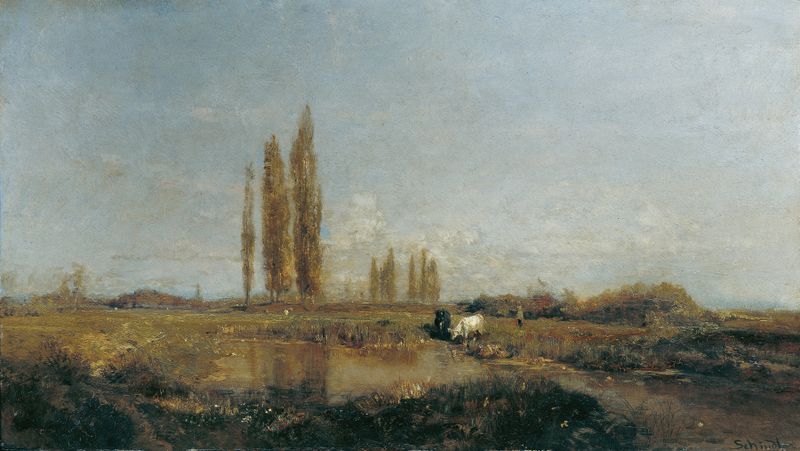
An der Thaya bei Lundenburg
Emil Jakob Schindler
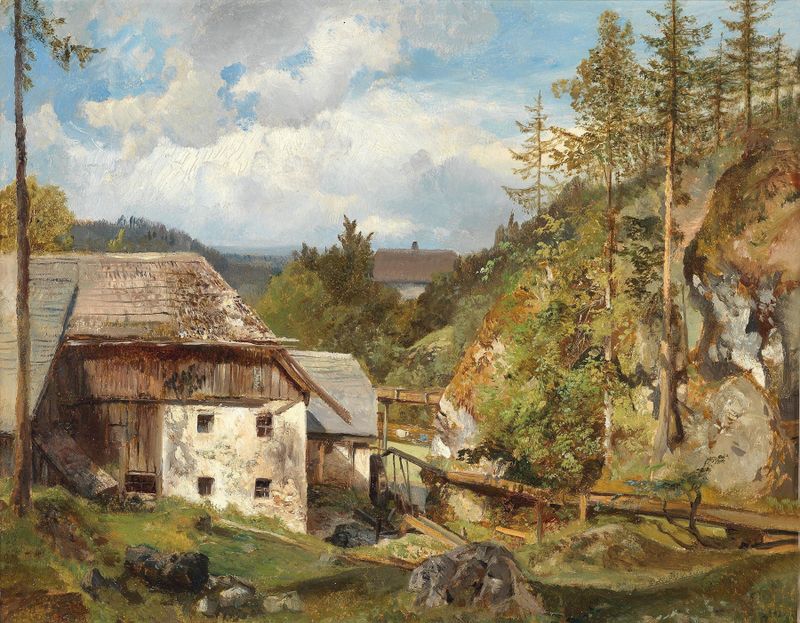
Die Mühle im Wald
Emil Jakob Schindler
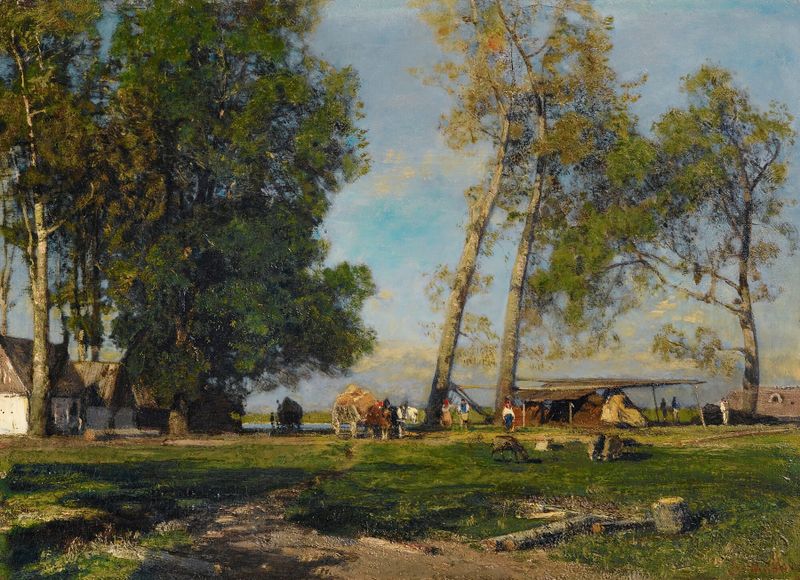
The Prater Gardens, Vienna
Emil Jakob Schindler
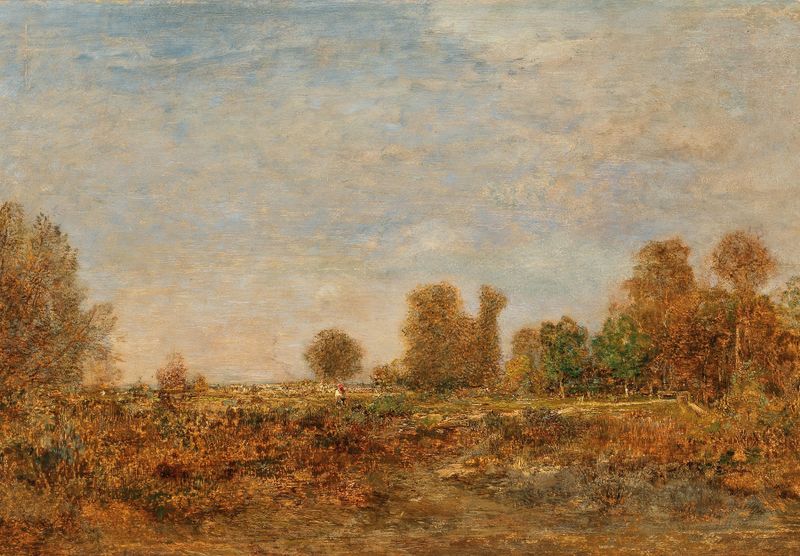
Landschaft, Lundenburg
Emil Jakob Schindler
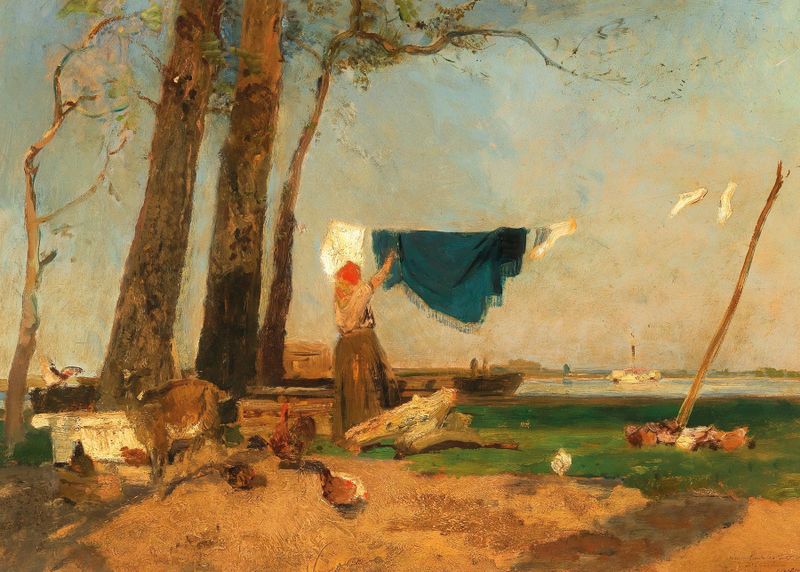
A washerwoman on the Danube bank, near the Praterspitz
Emil Jakob Schindler
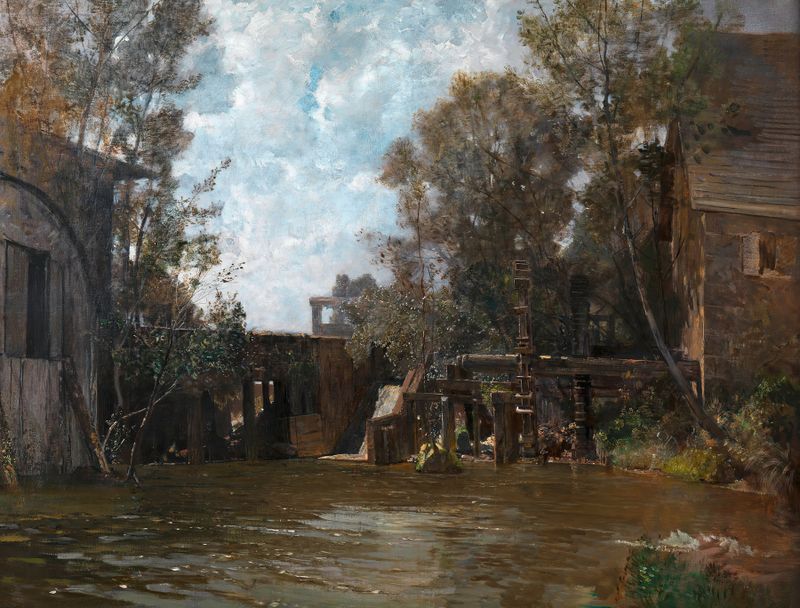
Mühle in Plankenberg
Emil Jakob Schindler
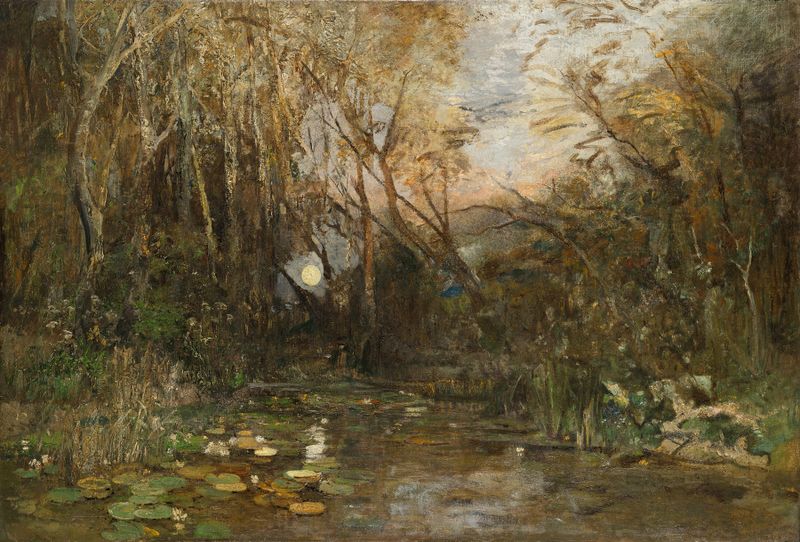
Mondaufgang in der Praterau
Emil Jakob Schindler





