
Estavayer — History & Facts
Is this a mirror — or a memory? In Estavayer, the interplay between reflection and reality beckons viewers to explore the depths of their own destinies, inviting self-reflection and contemplation of the past. Look to the center where the shimmering waters effortlessly reflect the soft hues of twilight. Notice how the gradient of blues transitions into a warm blush, enveloping the scene in a serene embrace. The delicate brushstrokes suggest movement in the water, as if it holds secrets from a time long gone.
The silhouetted edges of the distant landscape create a frame for this tranquil moment, inviting the eye to linger and explore the subtle details hidden within the colors. Further, a gentle tension arises between the stillness of the water and the ephemeral qualities of the fading light. This contrast reflects the duality of human existence — the longing for permanence amidst the inevitable passage of time. One might also sense a deep nostalgia, as the softness of the palette evokes memories of a place that balances between the known and the unknown.
It prompts the viewer to ponder their own path, questioning how memories shape identity and destiny. Created during a period when Wagner sought to capture the essence of natural beauty, Estavayer reflects his dedication to the Romantic ideals of the early 19th century. Although the exact date of the painting remains uncertain, it aligns with a time when artists were increasingly exploring the emotive power of landscapes, often drawing inspiration from their surroundings in Switzerland, where his artistic journey flourished.
More Artworks by Johann Friedrich Wagner
Browse all →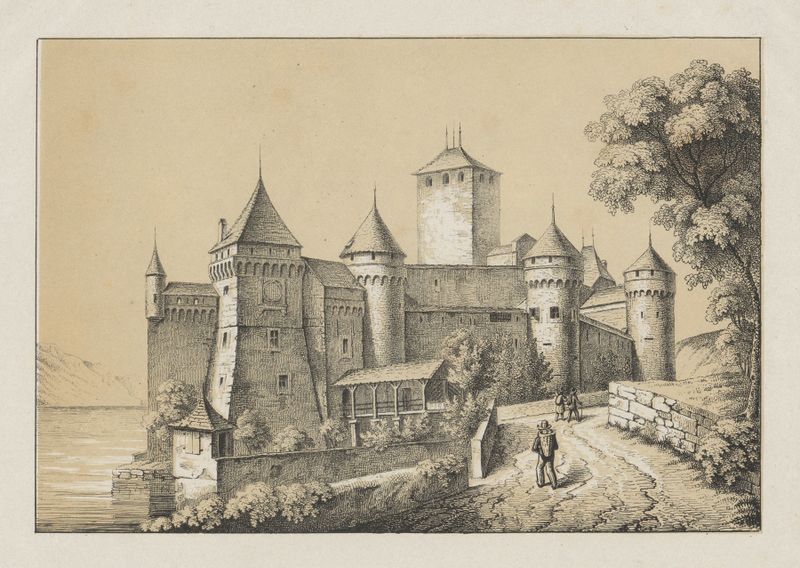
Chillon
Johann Friedrich Wagner

Valangin
Johann Friedrich Wagner
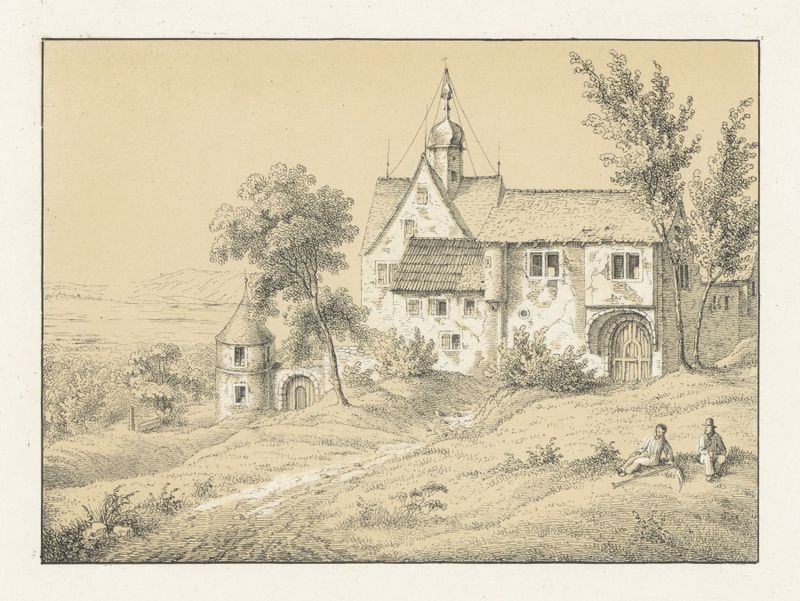
Greifenstein
Johann Friedrich Wagner

Vorburg
Johann Friedrich Wagner
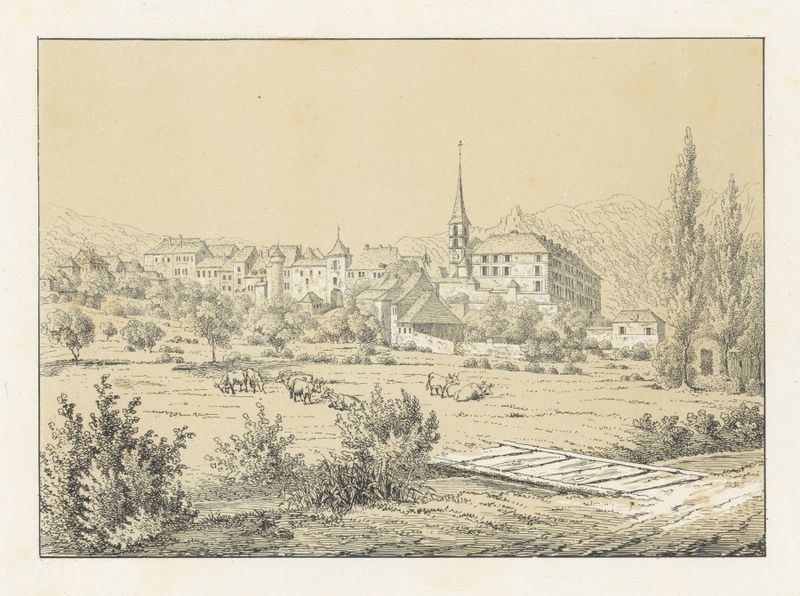
Delémont
Johann Friedrich Wagner

Pleujouse
Johann Friedrich Wagner

Challay
Johann Friedrich Wagner
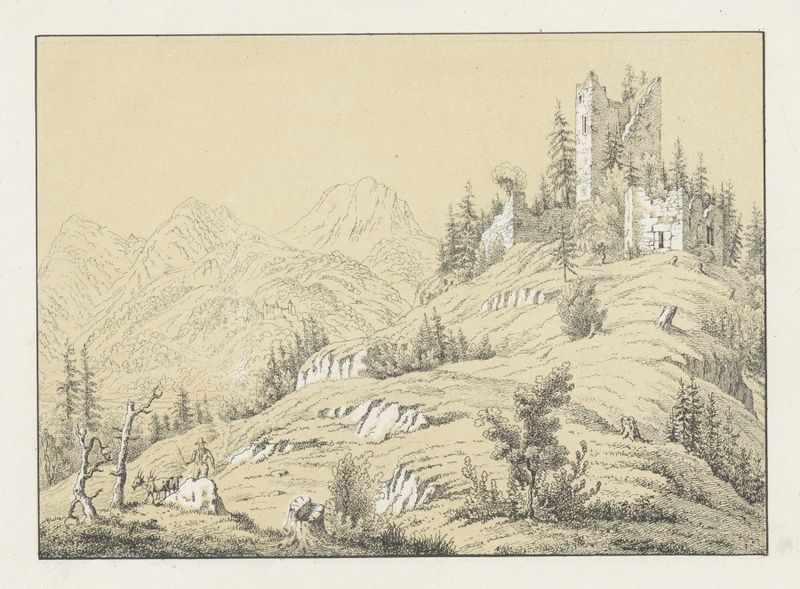
Mont Salvant
Johann Friedrich Wagner
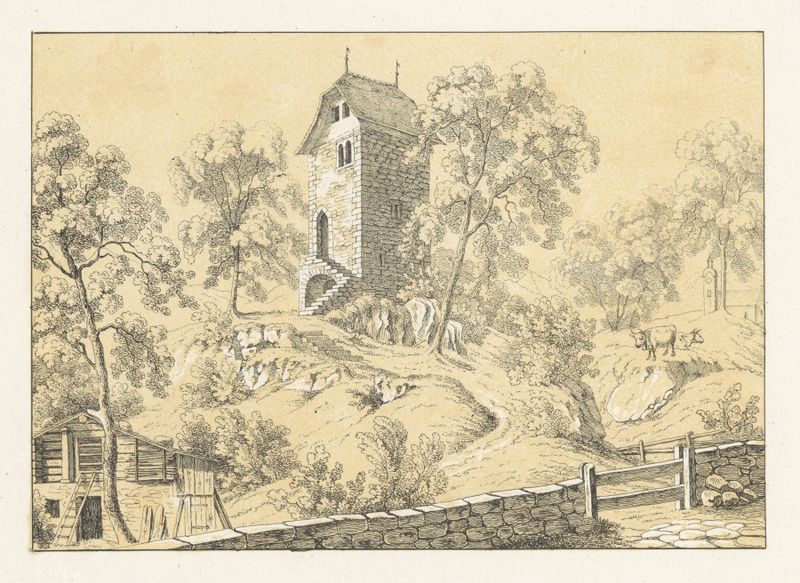
Aha. Od. Untere Burg von Sarnen
Johann Friedrich Wagner
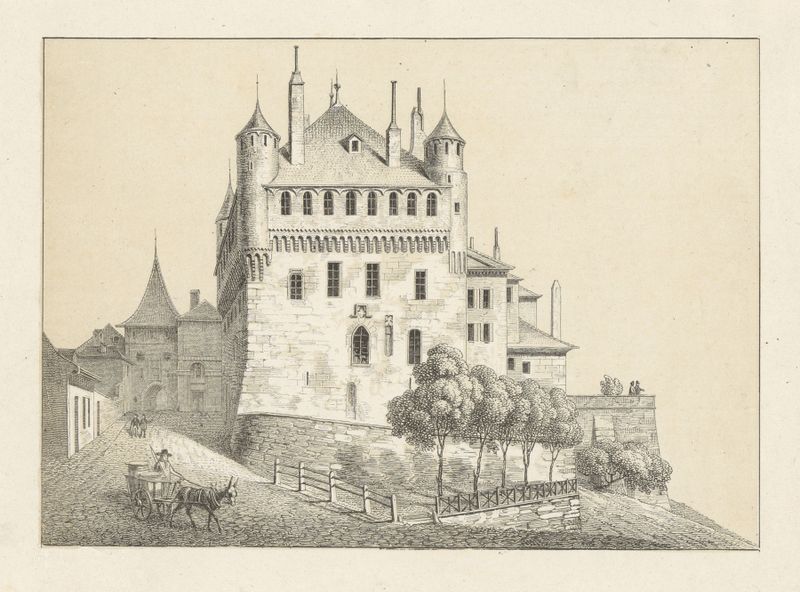
Lausanne
Johann Friedrich Wagner





