
Etude d’arbustes — History & Facts
Where does light end, and longing begin? In Etude d’arbustes, a delicate tapestry unfolds, woven from the threads of nature’s fragility and the artist’s quiet contemplation. Look to the lush greenery that dominates the canvas, where soft strokes of greens and browns converge in an embrace of life. The interplay of light and shadow dances across the foliage, guiding your gaze to the heart of the scene. Notice how the light filters through the leaves, creating a luminous backdrop that highlights the intricate details of each shrub.
Harpignies’ use of impressionistic technique invites you to savor the texture of the brushwork, where every stroke pulsates with the essence of the moment captured. In this artwork, the contrasts are palpable—between the stillness of nature and the fleeting passage of time. The vibrant greens evoke a sense of vitality, yet the subtle fading edges suggest an ephemeral beauty, hinting at the passage of seasons. Each shrub, unique in its form, symbolizes resilience amidst fragility, whispering stories of growth and decay.
The tonal shifts present a duality: a celebration of life intertwined with an acknowledgment of its inevitable end, compelling the viewer to reflect on their own experiences of transience. In 1892, Harpignies found himself deeply entrenched in the French art scene, having already established a reputation for his serene landscapes and emotional depth. During this period, the Impressionist movement was flourishing, and the artist sought to capture the essence of nature with a fresh perspective. This work reflects not only his mastery of the medium but also the collective search for beauty and meaning in a rapidly changing world, where the artist captures a moment of stillness amidst the chaos of life.
More Artworks by Henri-Joseph Harpignies
Browse all →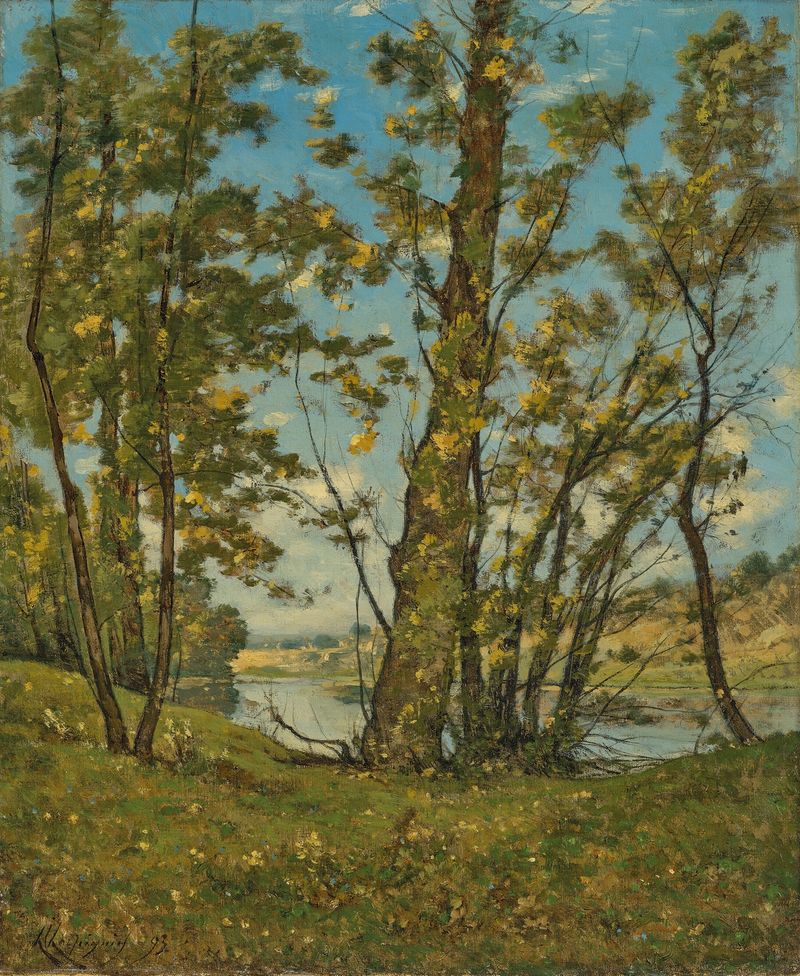
La Loire à Bonny
Henri-Joseph Harpignies
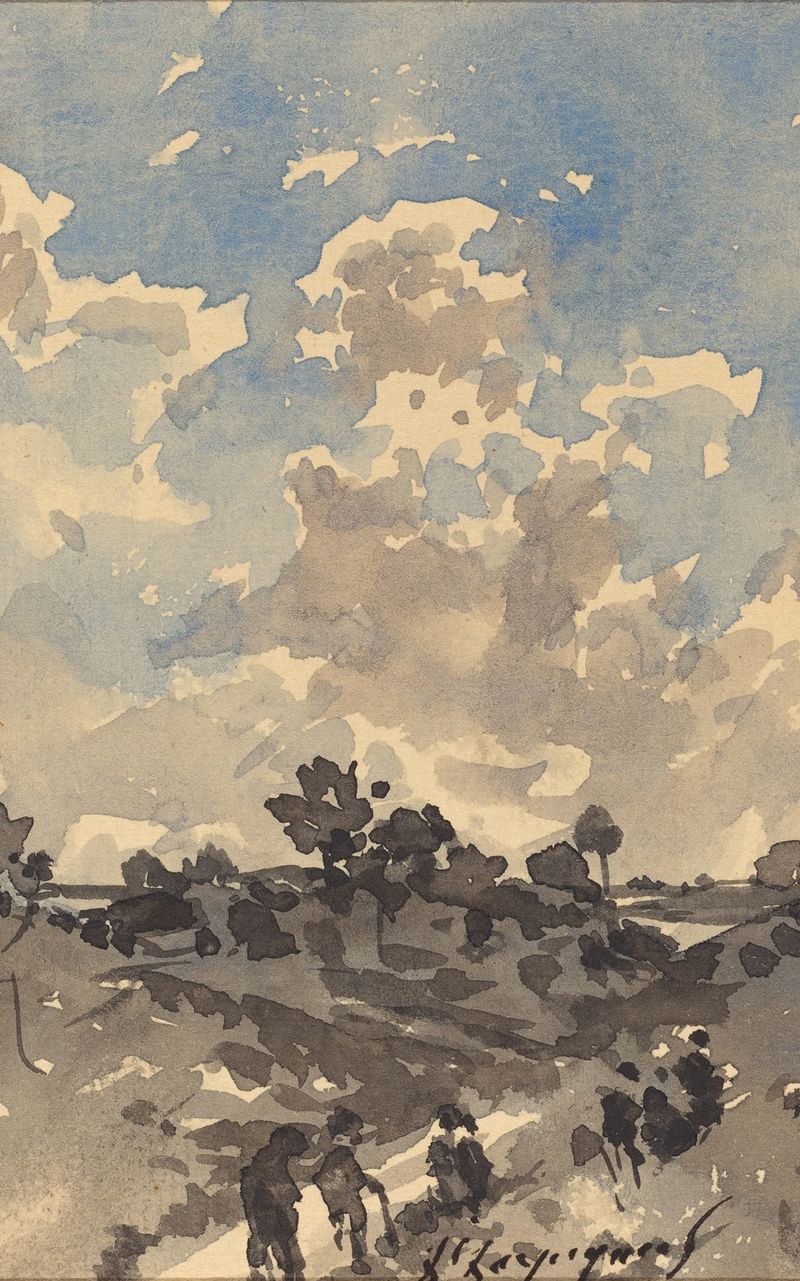
A Landscape with Figures Walking along a Path
Henri-Joseph Harpignies
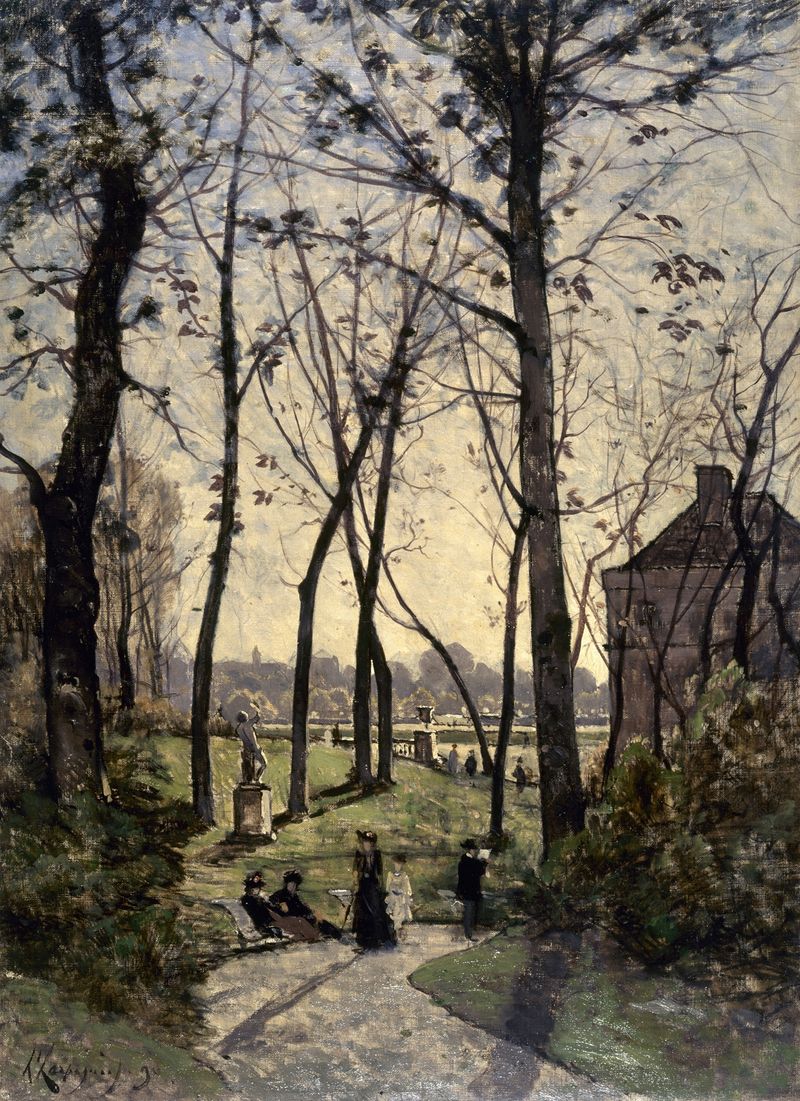
Le jardin du Luxembourg
Henri-Joseph Harpignies
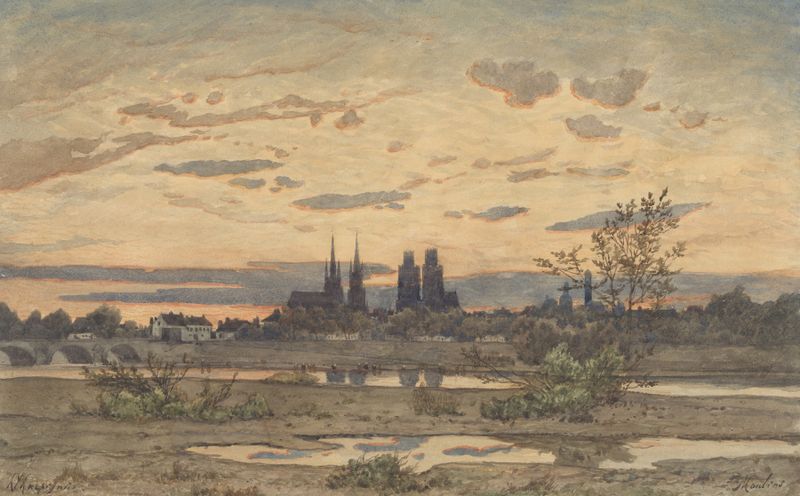
A View of Moulins
Henri-Joseph Harpignies
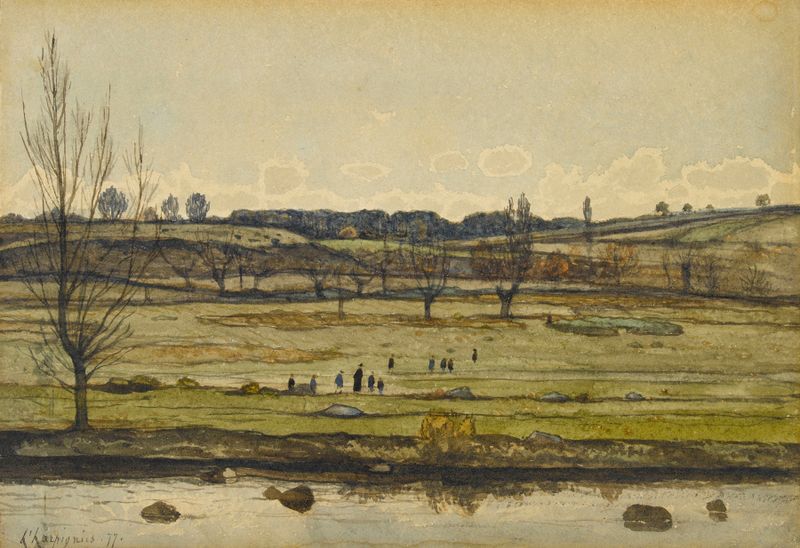
Paysage
Henri-Joseph Harpignies
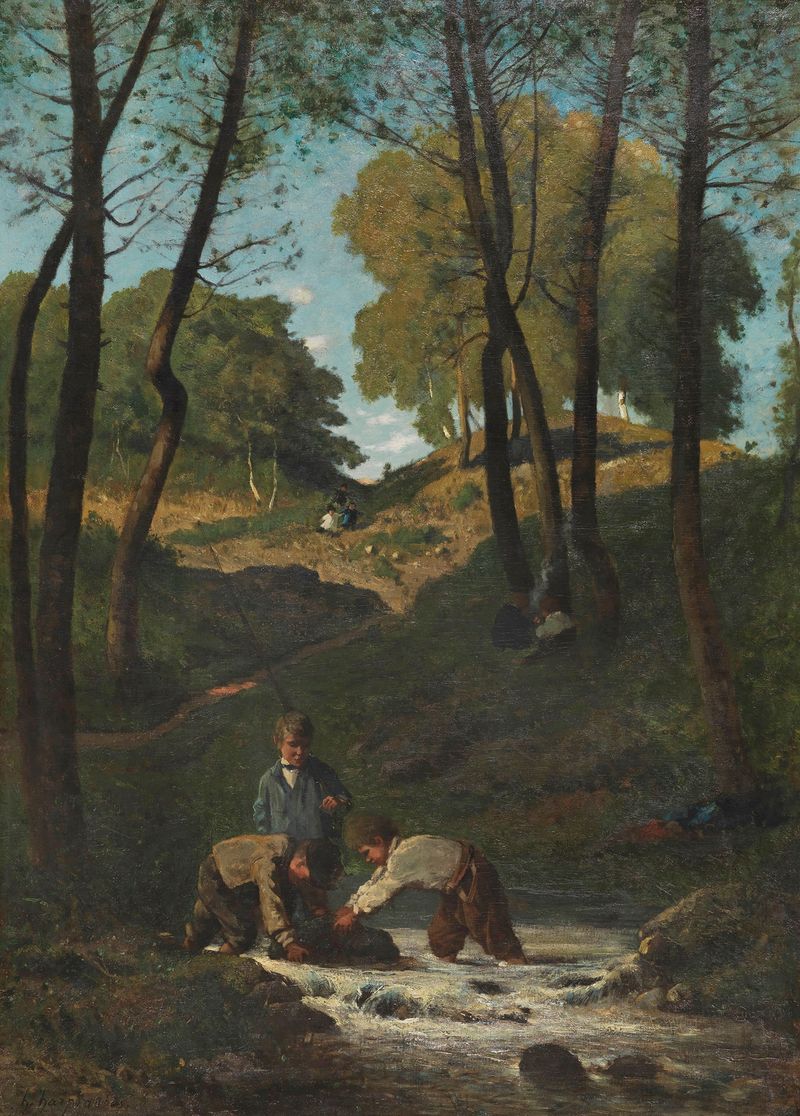
Chercheurs d’écrevisses
Henri-Joseph Harpignies
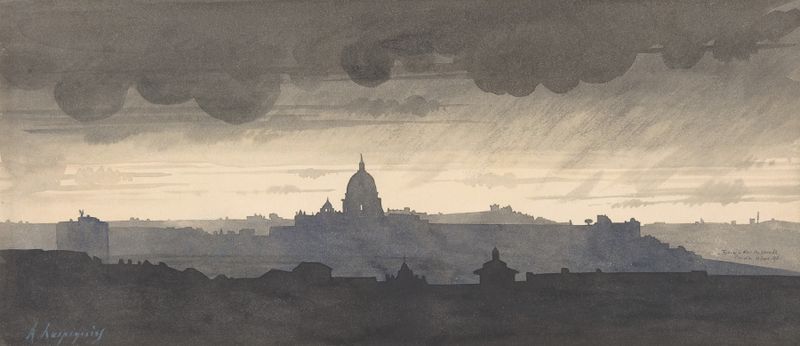
Saint Peter’s Seen From the Pincio, Rome
Henri-Joseph Harpignies
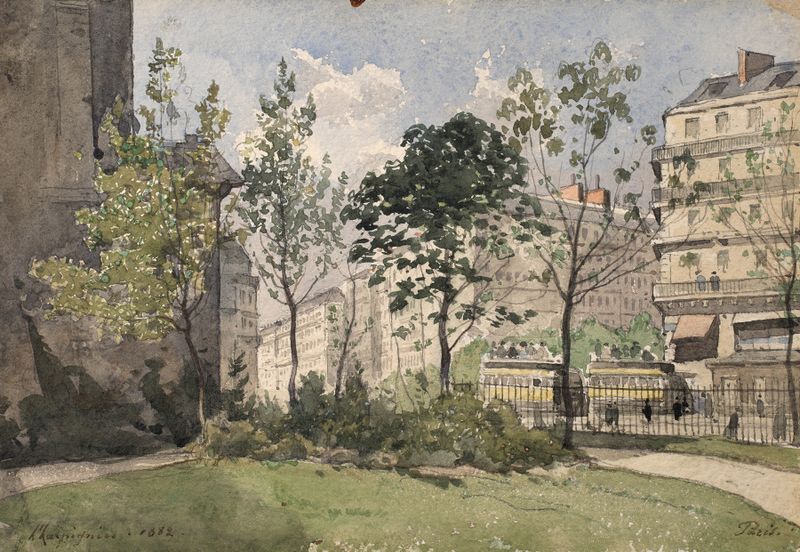
View of the forecourt of the Saint-Germain-des-Prés church
Henri-Joseph Harpignies
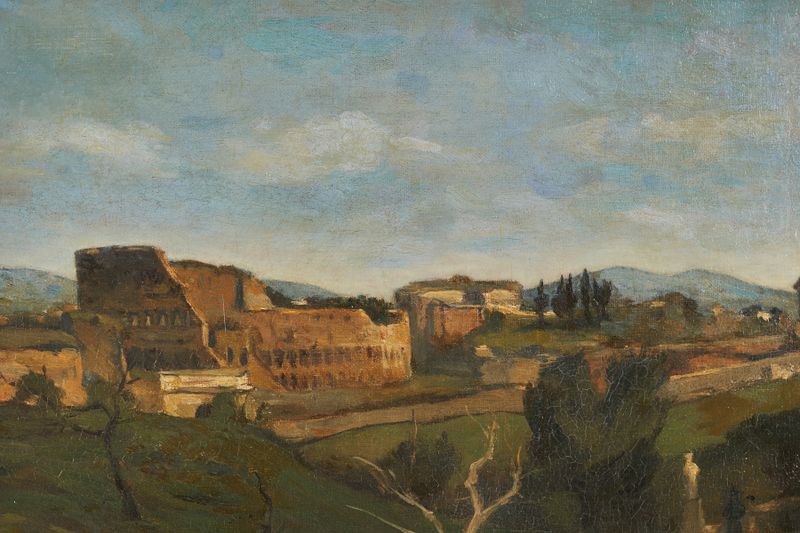
Le Colisée à Rome
Henri-Joseph Harpignies

Villefranche
Henri-Joseph Harpignies





