
Eve After the Fall — History & Facts
When Eve After the Fall was exhibited at the Paris Salon of 1863, it stirred both admiration and debate for its daring portrayal of biblical shame and sensuality. Alexandre Cabanel, already renowned for his Birth of Venus, chose to revisit a subject that had long fascinated artists but rarely with such psychological intimacy. The painting quickly became a talking point among critics, some praising its emotional depth, others questioning its propriety.
Its reception cemented Cabanel’s reputation as a leading figure in the Academic movement, skilled at blending classical beauty with human vulnerability. The scene unfolds in the immediate aftermath of Eden’s loss: Eve sits alone, her body curled defensively, one hand covering her face in grief, the other clutching a dark, half-eaten apple. Around her, the lush paradise has grown ominous, the foliage now shadowed and heavy, a visual echo of her isolation. Cabanel’s Eve is not the temptress of earlier centuries but a figure consumed by regret and self-awareness, her nudity rendered with a softness that underscores her innocence lost.
The use of cool, subdued tones distinguishes this work from, for example, The Expulsion from the Garden of Eden by Thomas Cole, where drama and movement dominate; here, stillness and introspection reign. The serpent is absent, leaving Eve alone with her conscience, making the moment all the more human. The precise medium of Eve After the Fall is not always noted in catalogues, though Cabanel typically worked in oil on canvas. The painting’s early provenance is not fully documented, but it is known to have remained in France for several decades, passing through private collections before entering public view.
Its somber mood and psychological focus mark a turning point in Cabanel’s career, anticipating later Symbolist explorations of myth and emotion. Today, Eve After the Fall stands as a testament to 19th-century academic painting’s capacity for narrative complexity and emotional resonance, continuing to invite viewers into the quiet aftermath of a world-changing choice.
More Artworks by Alexandre Cabanel
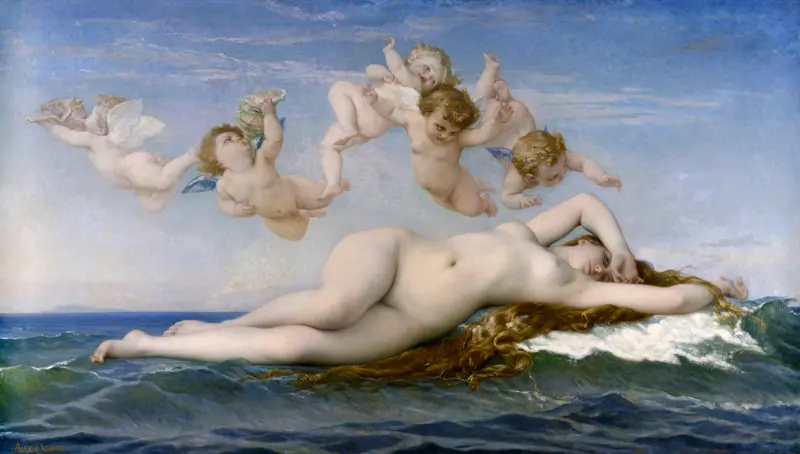
The Birth of Venus
Alexandre Cabanel
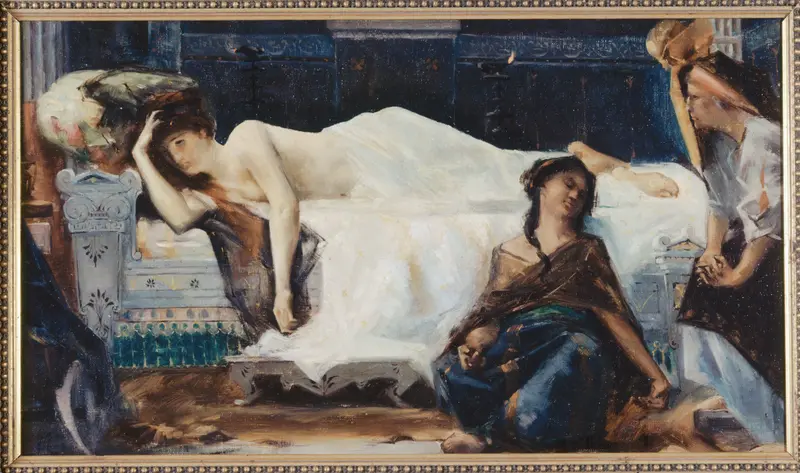
Phèdre
Alexandre Cabanel
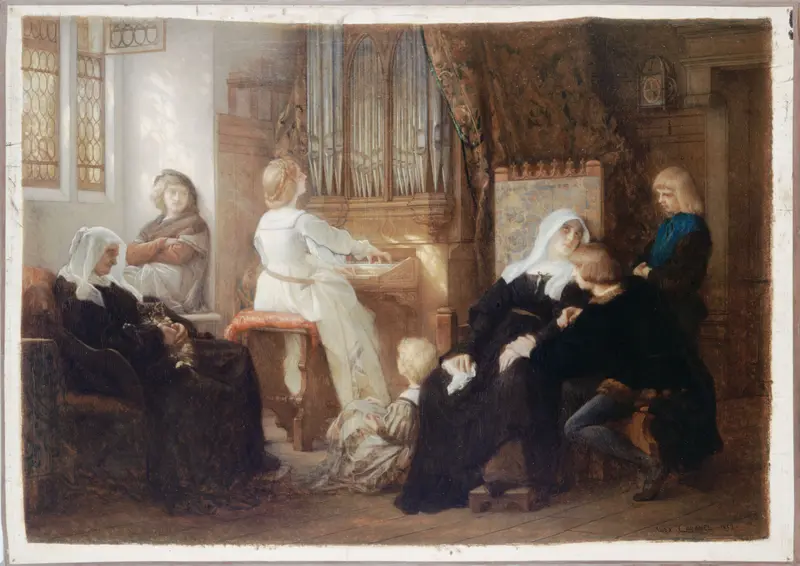
La veuve du maître de chapelle
Alexandre Cabanel
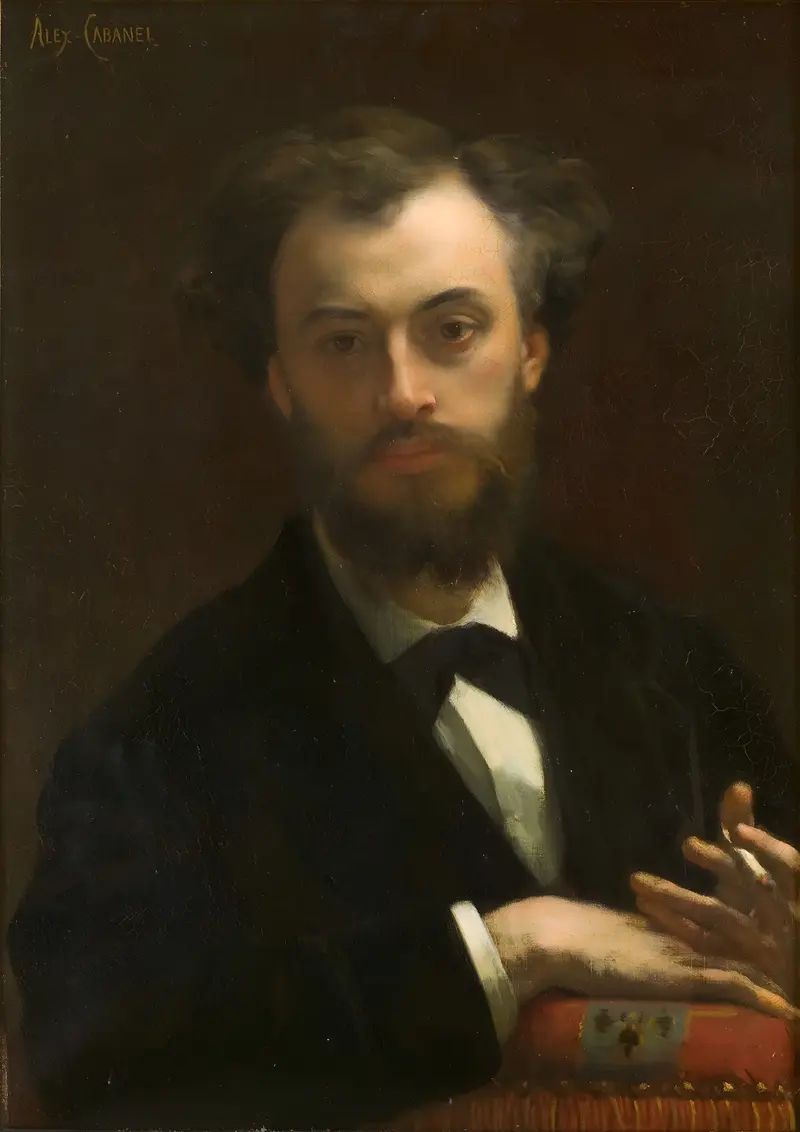
Portrait de M. Pierre Cabanel
Alexandre Cabanel
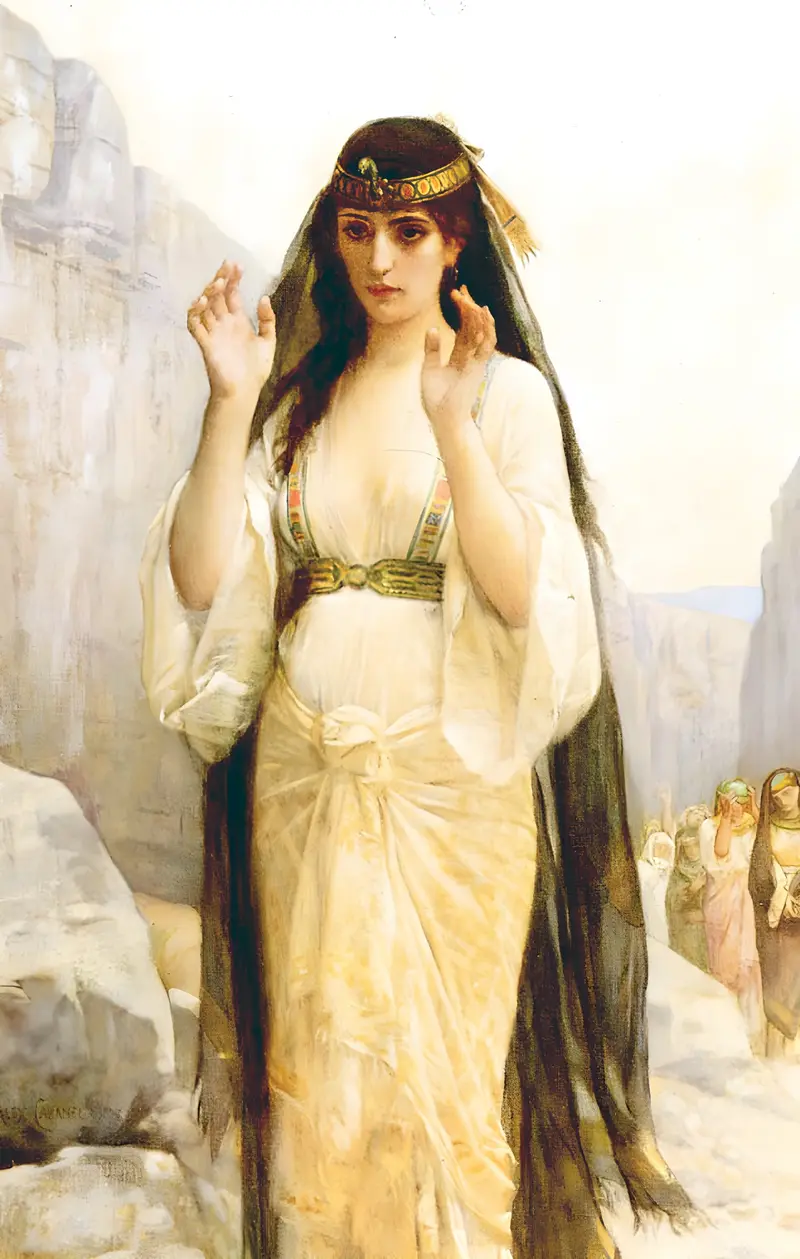
The Daughter of Jephthah
Alexandre Cabanel
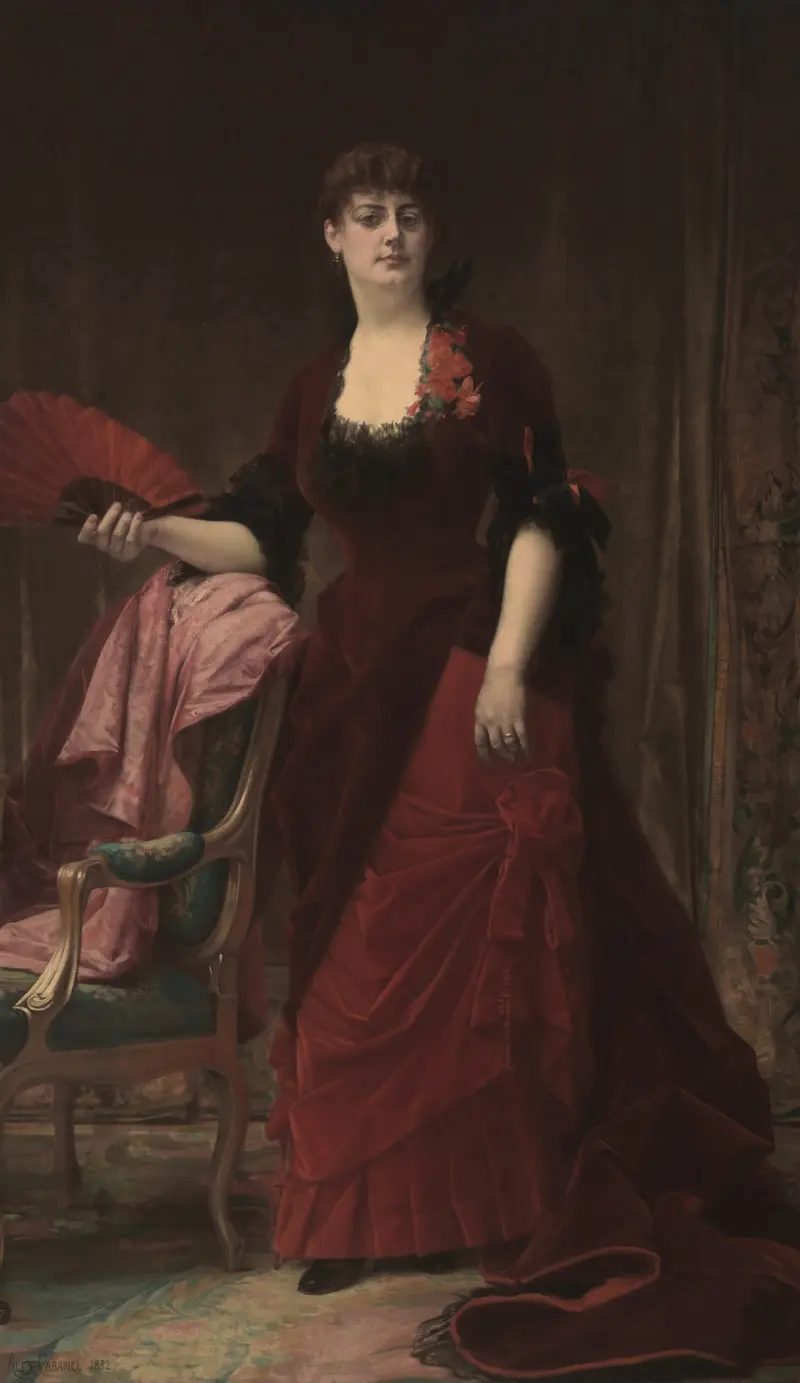
Portrait of Arabella Worsham (later Arabella Huntington)
Alexandre Cabanel
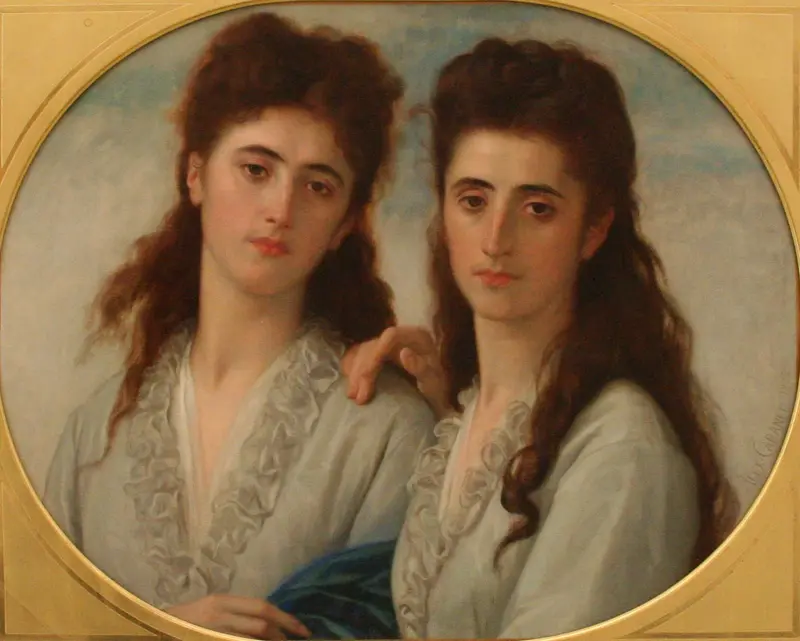
Portrait de mesdemoiselles Sophie et Berthe Cabanel
Alexandre Cabanel
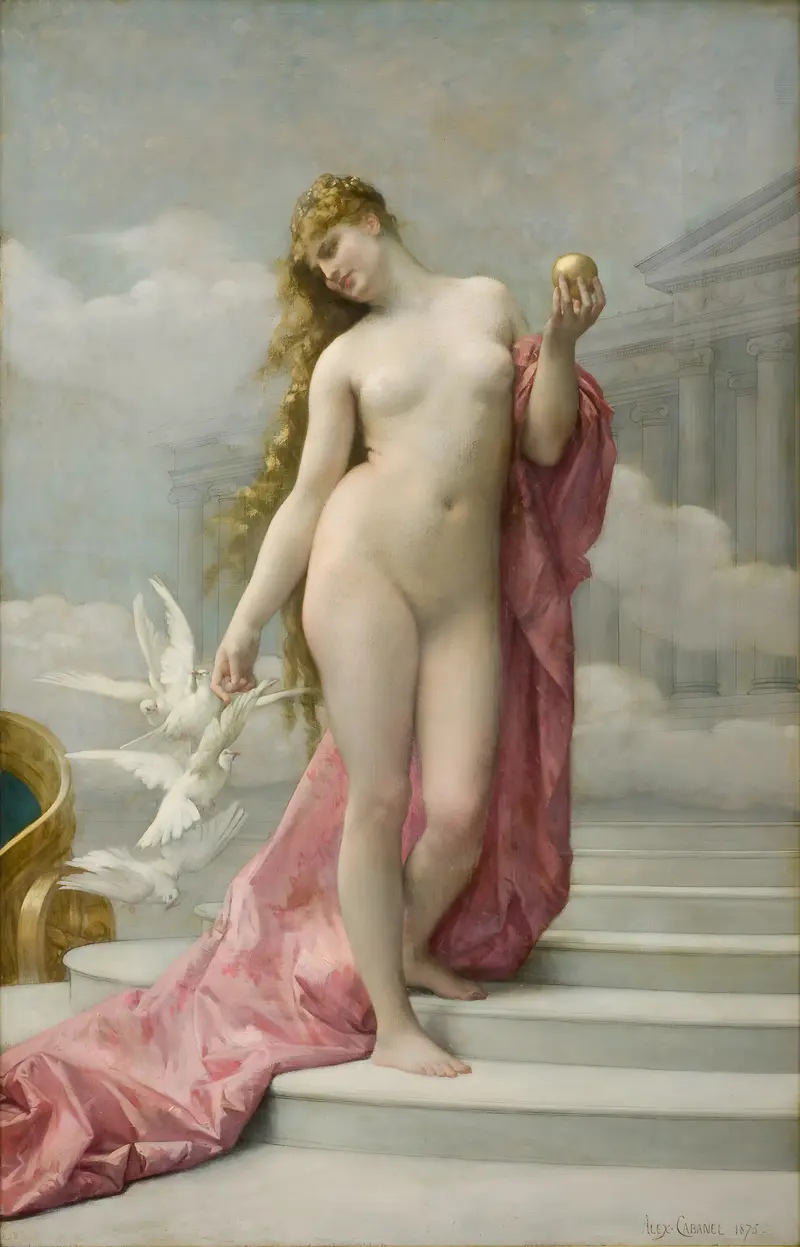
Vénus victorieuse
Alexandre Cabanel
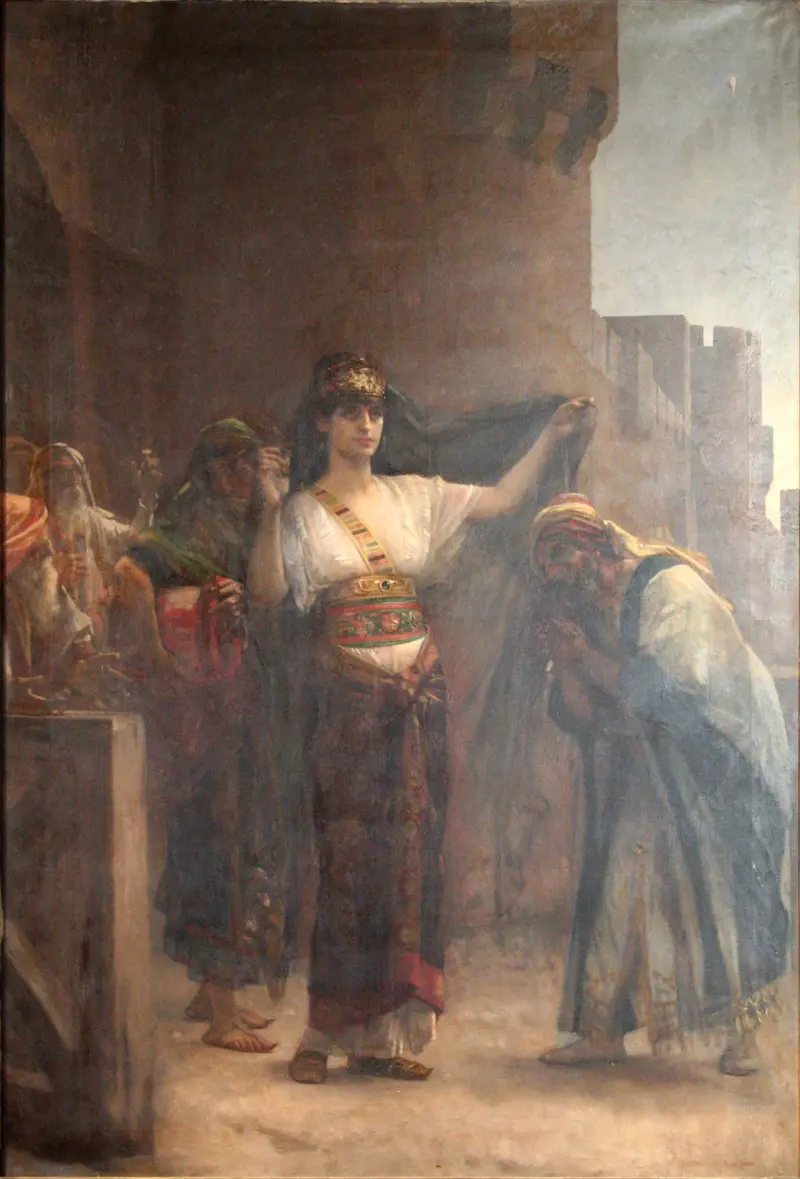
Judith
Alexandre Cabanel
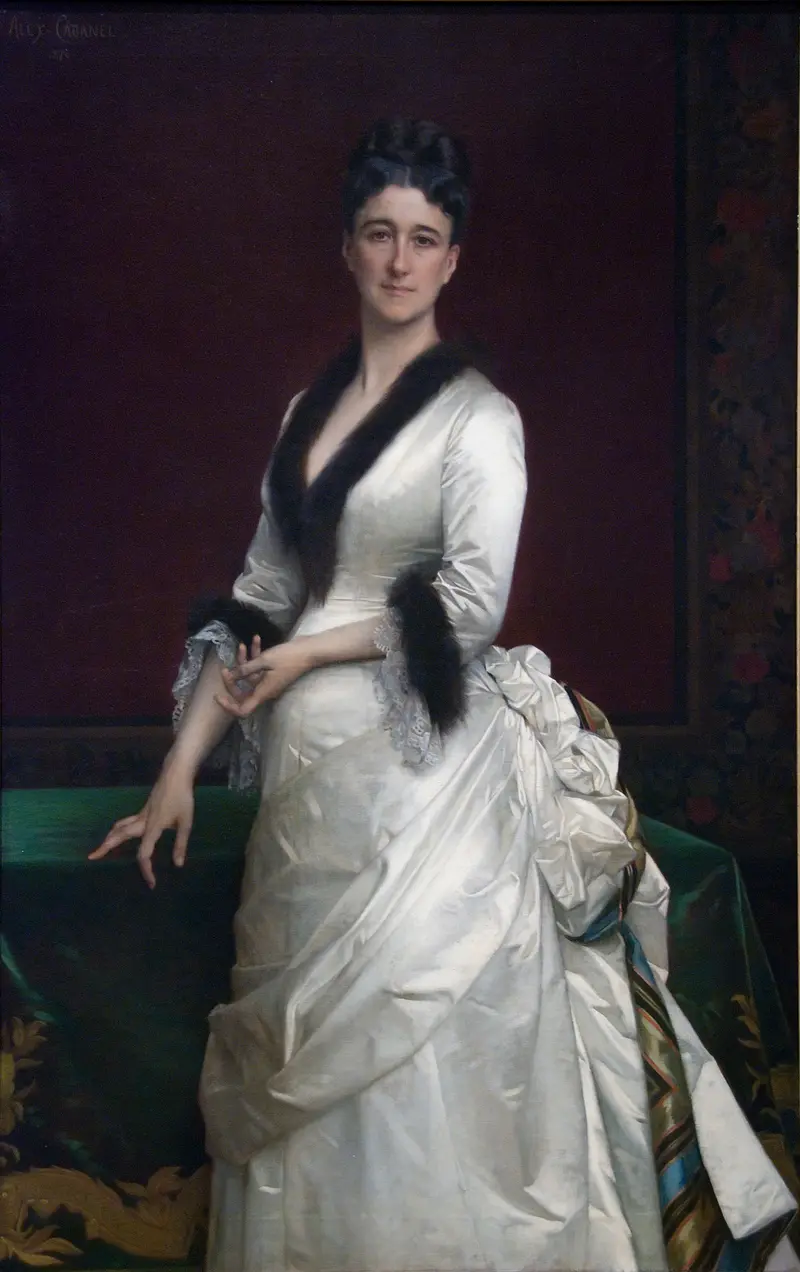
Catharine Lorillard Wolfe (1828–1887)
Alexandre Cabanel



