
Evening in Italy—the Deserted Villa — History & Facts
What secret hides in the quiet of the canvas? In this still moment, beauty drapes itself over a forgotten villa, inviting contemplation and wonder. Look to the left at the crumbling stone of the villa, where shadows weave through the branches of the trees, creating an intricate lace against the fading light. Notice how the muted greens and ochres blend seamlessly, evoking both the lushness of the land and the passage of time. The richness of the palette hints at twilight, suffusing the scene with a serene melancholy that beckons the viewer closer. Delve deeper, and you'll find contrasts that pulse beneath the surface—the solitude of the villa speaks of past grandeur, while the soft glow hints at a lingering presence.
The juxtaposition of decay and beauty highlights a tension between life and stillness, as if the villa holds whispers of history within its walls. Each brushstroke captures a fleeting moment, inviting us to pause and reflect on our own journeys through beauty and loss. In 1845, Samuel Palmer painted this piece during a transformative period in his career, influenced by the Romantic movement and seeking solace in the English countryside. Living in the shadow of industrial expansion, Palmer found inspiration in the pastoral landscapes of Italy, marrying the old world with his vision of tranquility.
This work stands as a testament to his introspective exploration of nature and the human experience during a time of profound change.
More Artworks by Samuel Palmer
Browse all →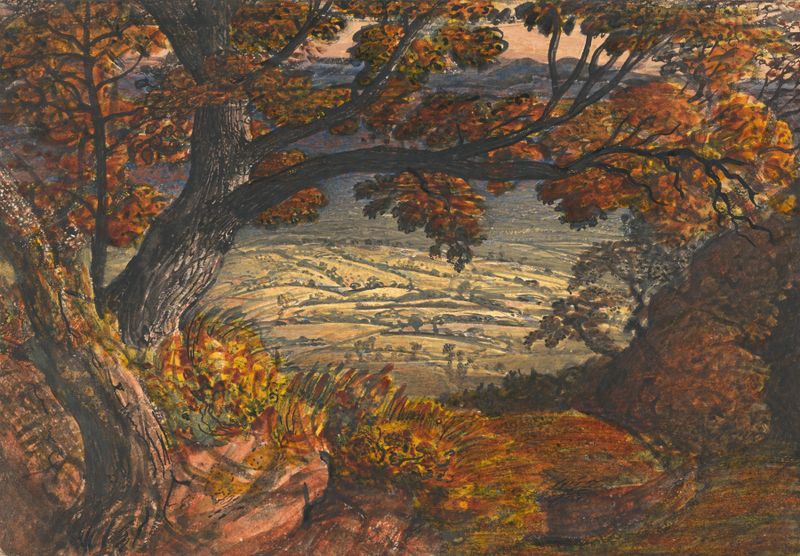
The Weald of Kent
Samuel Palmer
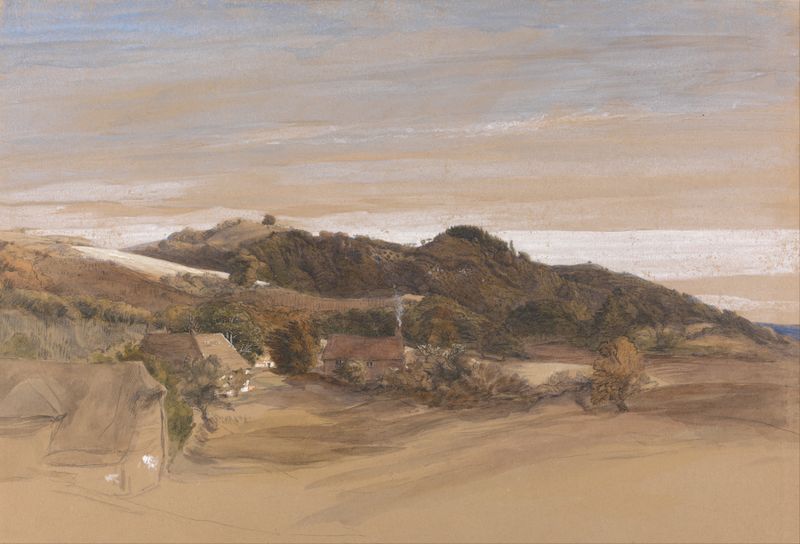
Underriver Hills, near Sevenoaks, Kent, from the Grounds of J. Herries, Esq.
Samuel Palmer
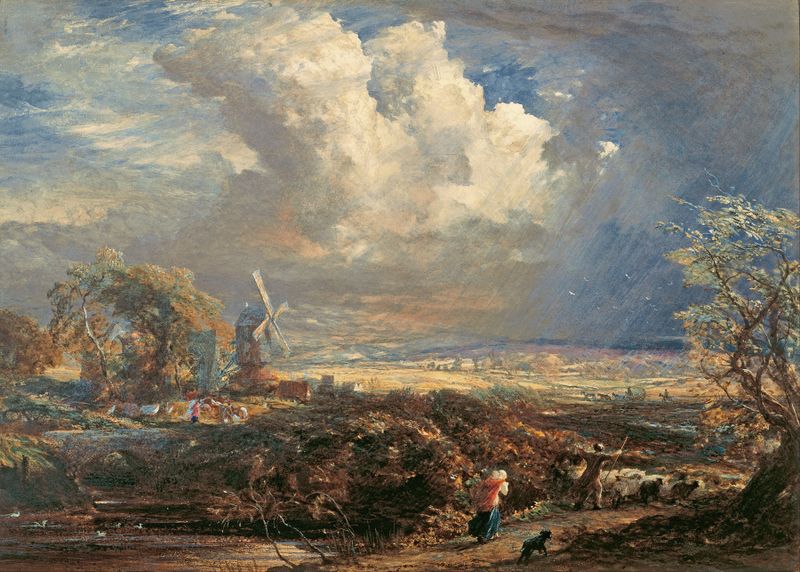
Summer Storm near Pulborough, Sussex
Samuel Palmer
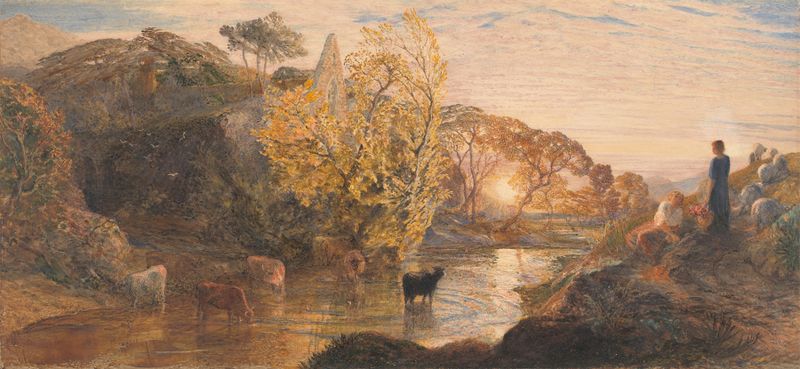
Tintern Abbey at Sunset
Samuel Palmer
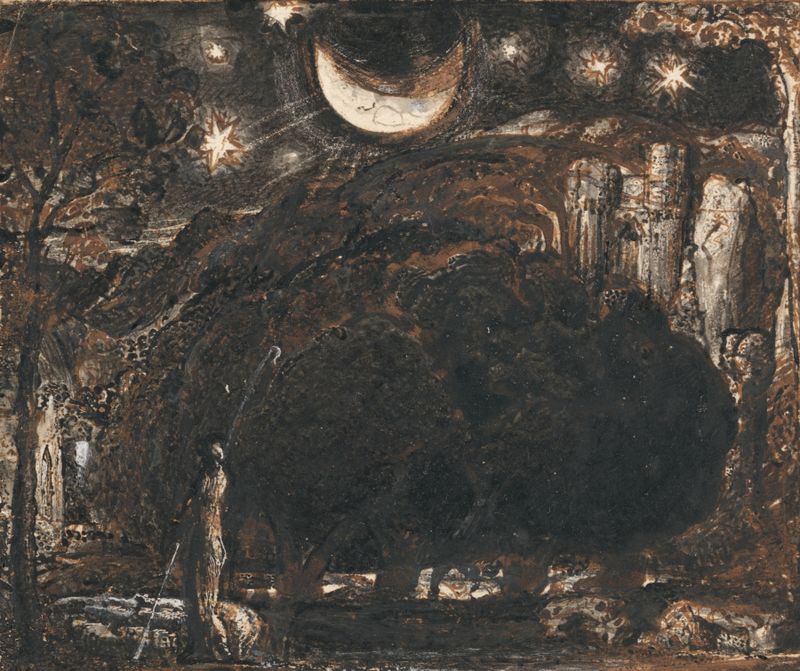
A Shepherd and his Flock under the Moon and Stars
Samuel Palmer
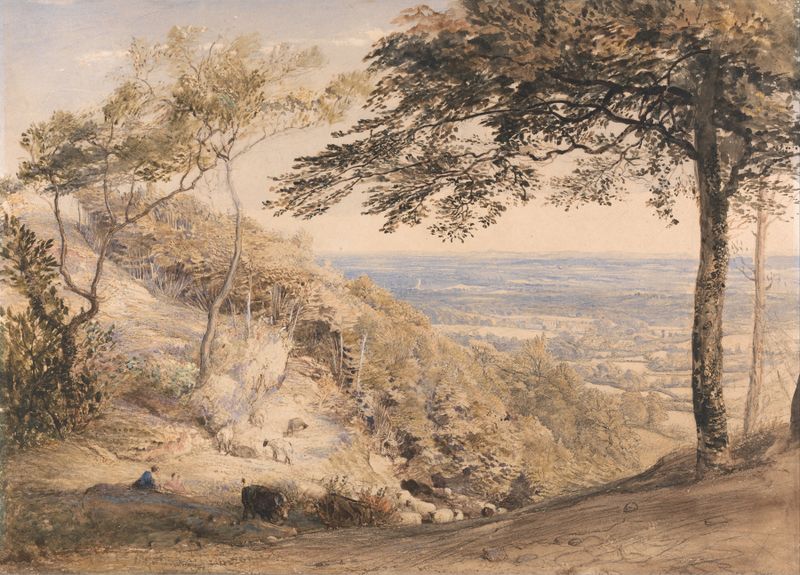
Wilmot’s Hill, Kent
Samuel Palmer
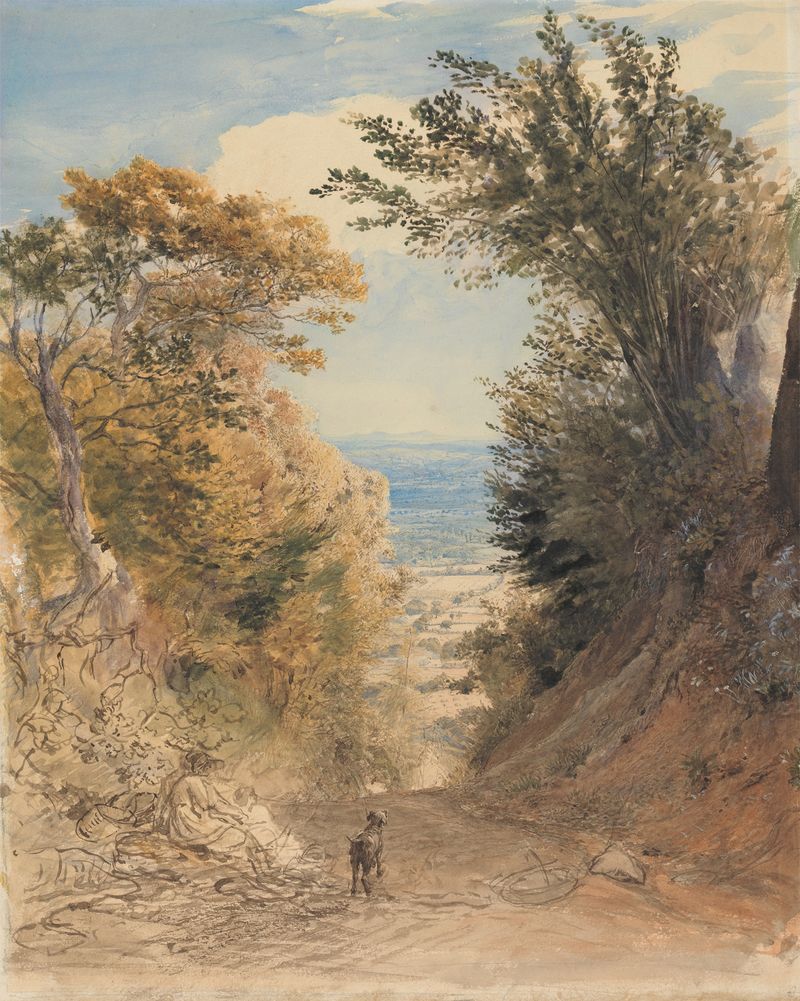
View from Rook’s Hill, Kent
Samuel Palmer
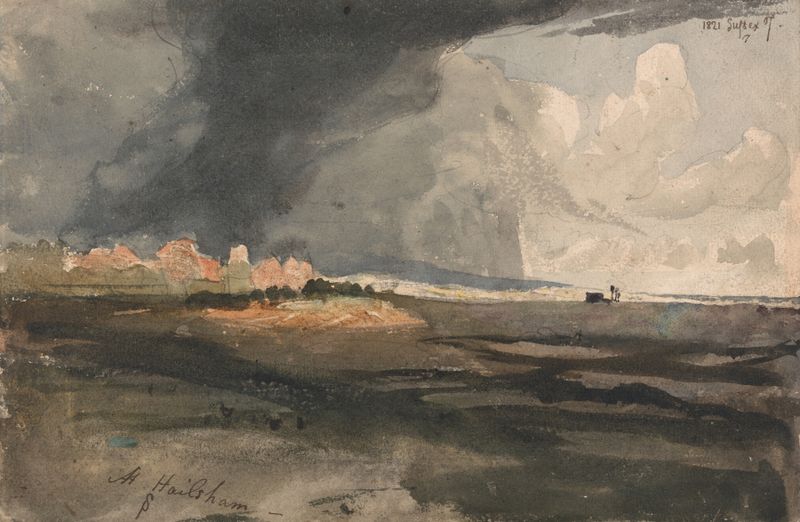
At Hailsham, Sussex; a Storm Approaching
Samuel Palmer
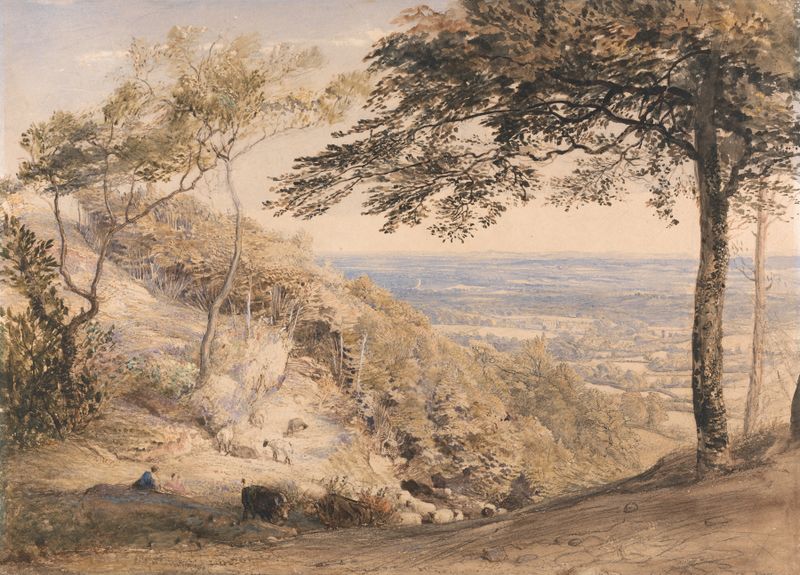
Wilmot’s Hill, Kent
Samuel Palmer
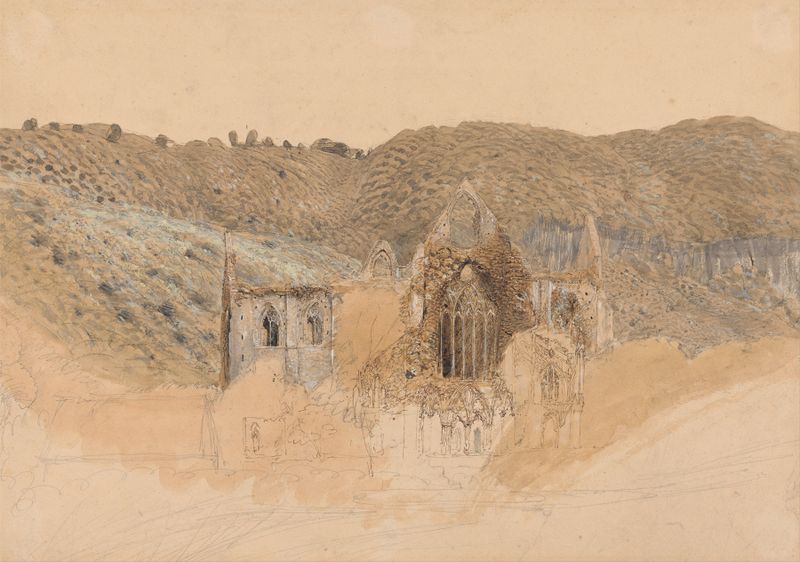
Tintern Abbey
Samuel Palmer





