
Façade du Palais des Tuileries — History & Facts
In this work, color serves not just as a visual element but as a conduit for emotion and narrative. It evokes the essence of a moment that transcends mere representation, inviting reflection on the interplay between architecture and atmosphere. Look to the center of the canvas, where the grand façade of the Palais des Tuileries rises majestically against a vibrant sky. Notice how the warm hues of ochre and gold dance with the cooler blues and purples, creating a dynamic tension that draws the eye.
The delicate brushstrokes articulate the intricate details of the building, capturing the play of light and shadow that imbues the scene with life. Each stroke is intentional, revealing the artist's meticulous attention to both form and color. As you explore the edges of the painting, subtle contrasts emerge: the serenity of the architecture juxtaposed with the vibrant chaos of the surrounding gardens. The interplay of colors hints at the tumultuous history of the Tuileries, while the calm sky above suggests a fleeting moment of peace.
The brushwork, both expressive and restrained, reflects the emotional weight of a once-magnificent space now marred by the scars of war and upheaval. In 1871, Richard Phené Spiers created this piece during a period of significant transition in France, following the Franco-Prussian War and the Paris Commune. Living in a city grappling with recovery and renewal, the artist sought to portray not just the physical beauty of the Tuileries but also the resilience of its spirit. This work encapsulates a moment in art history where the tension between tradition and change was palpable, and where color served as a beacon of hope amidst uncertainty.
More Artworks by Richard Phené Spiers
Browse all →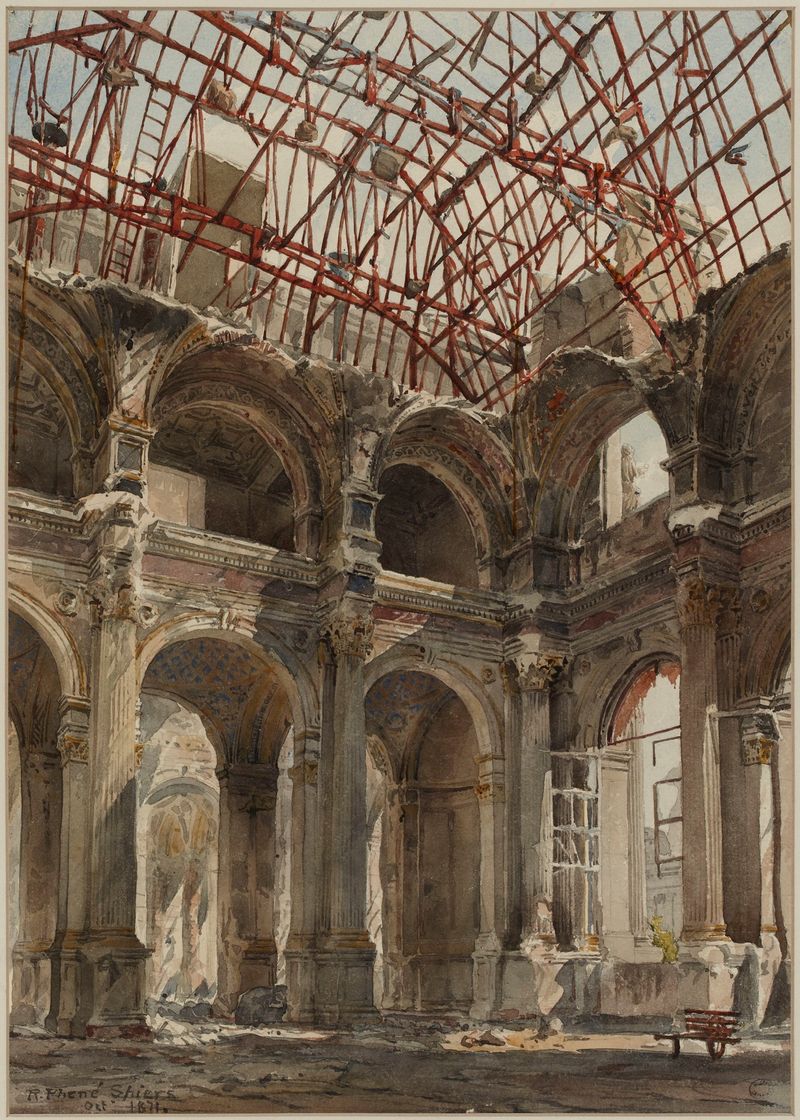
Ruines de l’Hôtel de Ville en 1871
Richard Phené Spiers

Ruines de l’Hôtel de Ville en 1871
Richard Phené Spiers
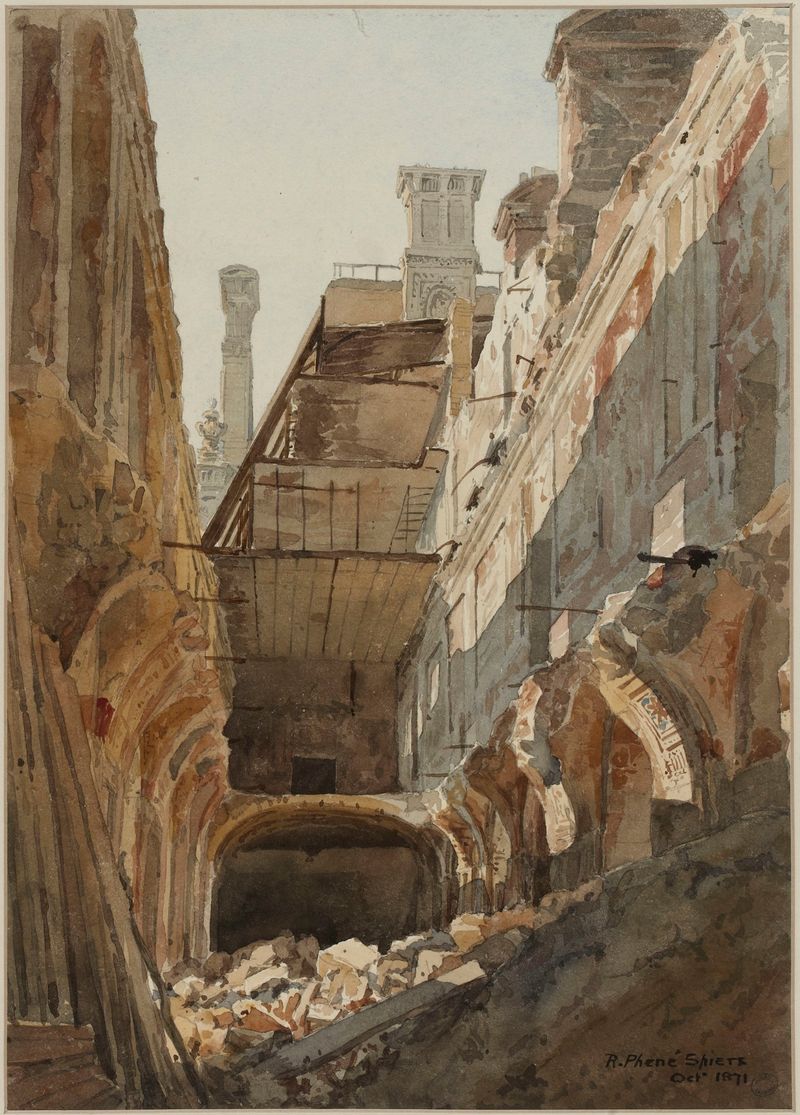
Ruines du Palais des Tuileries, salon de Diane, en 1871
Richard Phené Spiers
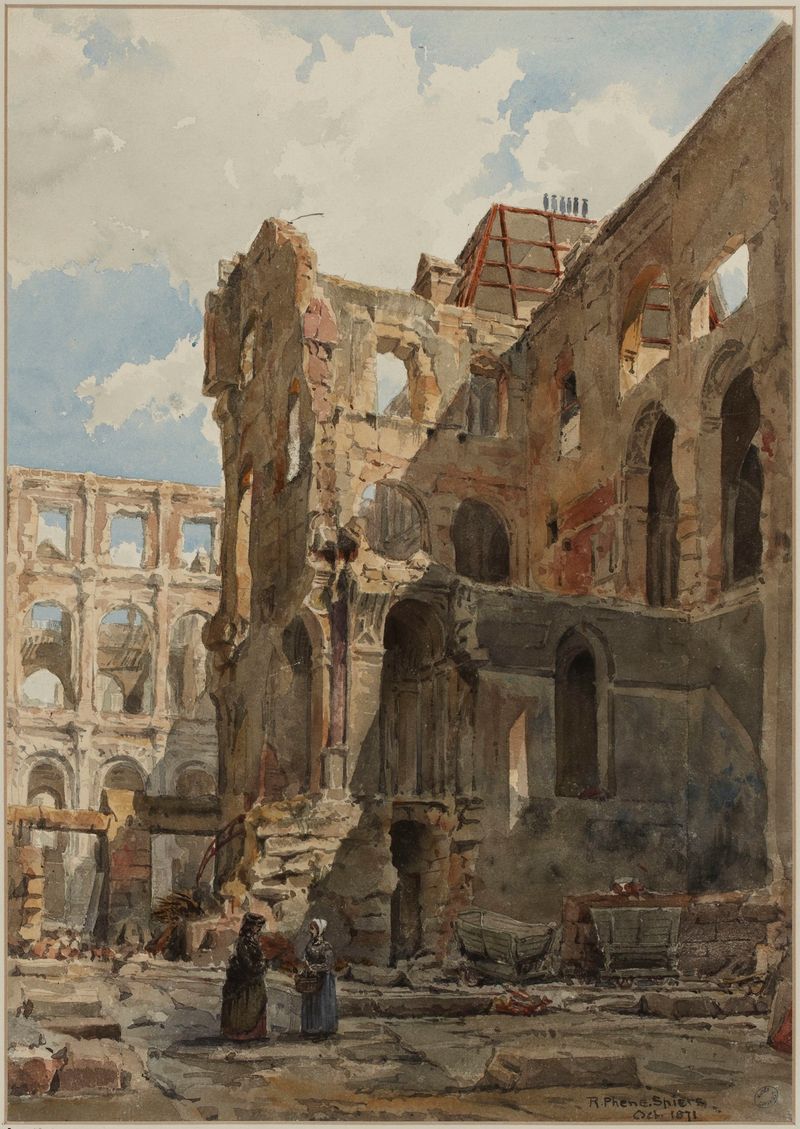
Ruines de l’Hôtel de Ville en 1871
Richard Phené Spiers
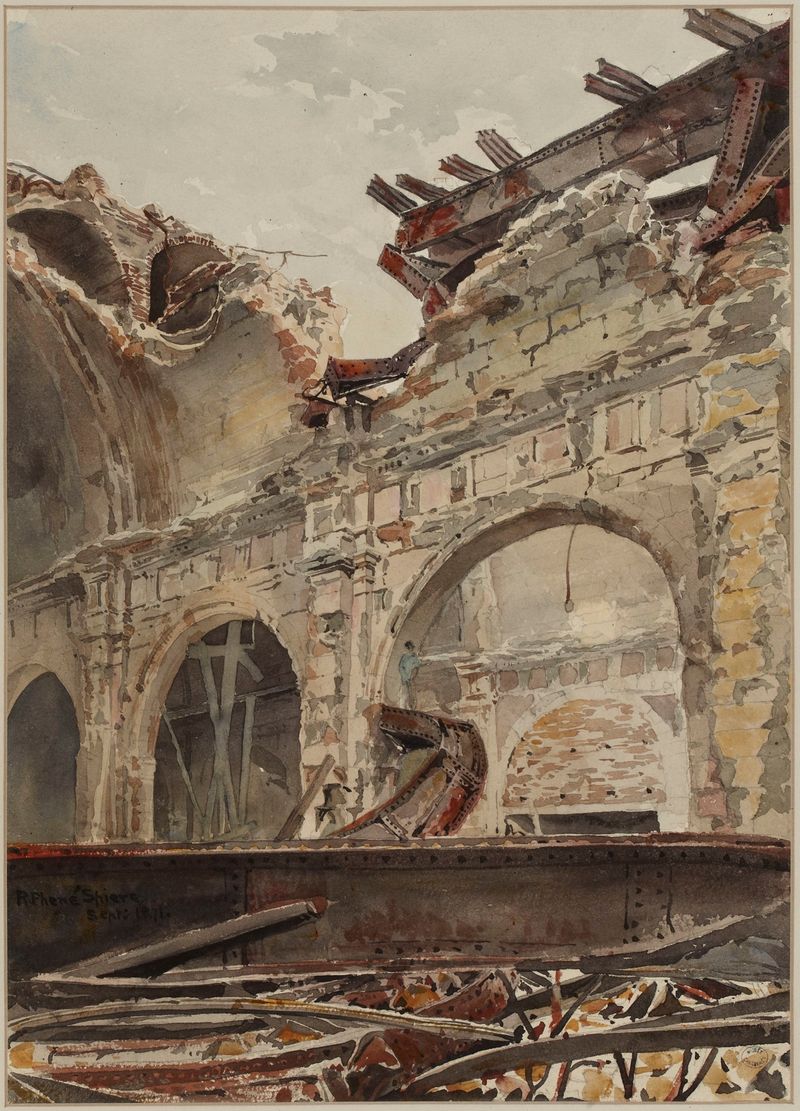
Ruines du Palais de Justice, salle des Pas-Perdus, après l’incendie de 1871.
Richard Phené Spiers

Ruines du Palais de Justice, salle des Pas-Perdus, après l’incendie de 1871
Richard Phené Spiers
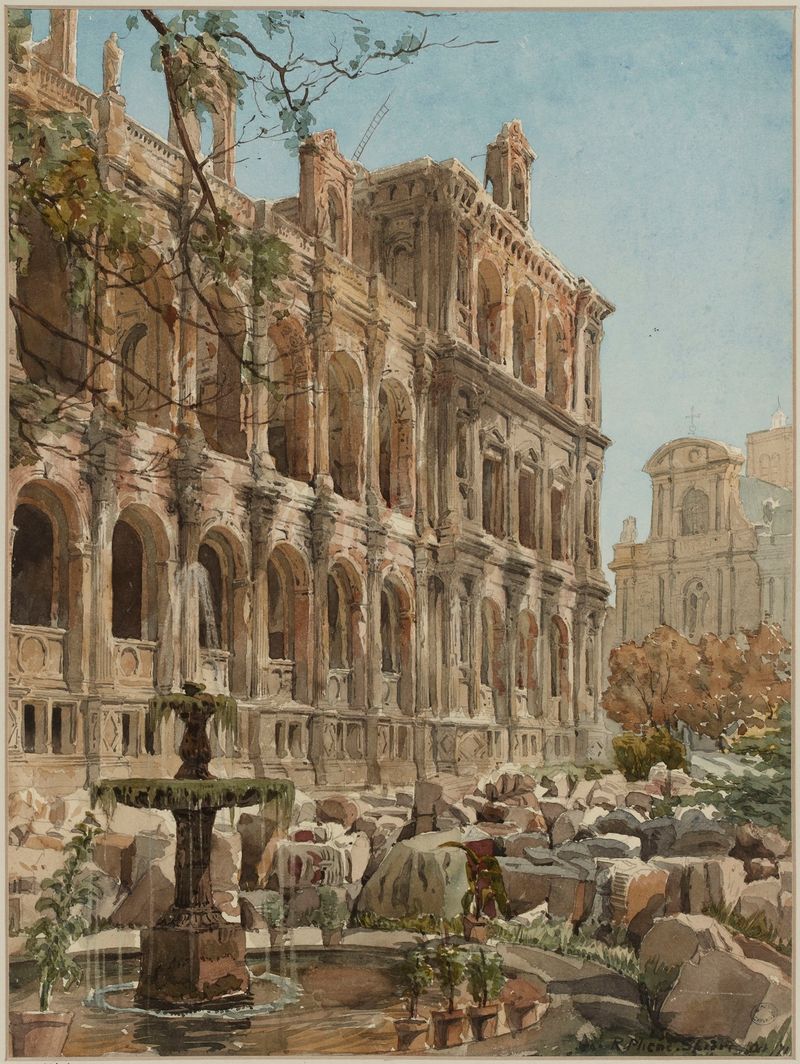
Ruines de la façade de l’Hôtel de Ville en 1871.
Richard Phené Spiers
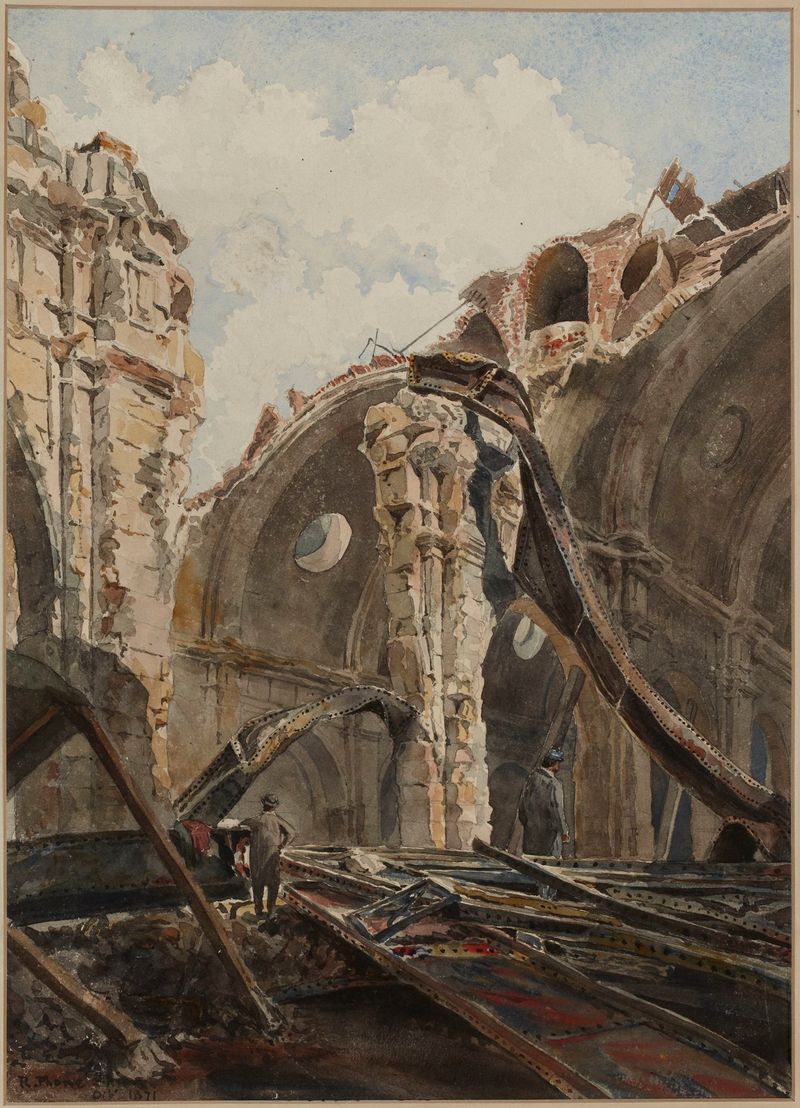
Le Palais de Justice après l’incendie de 1871
Richard Phené Spiers
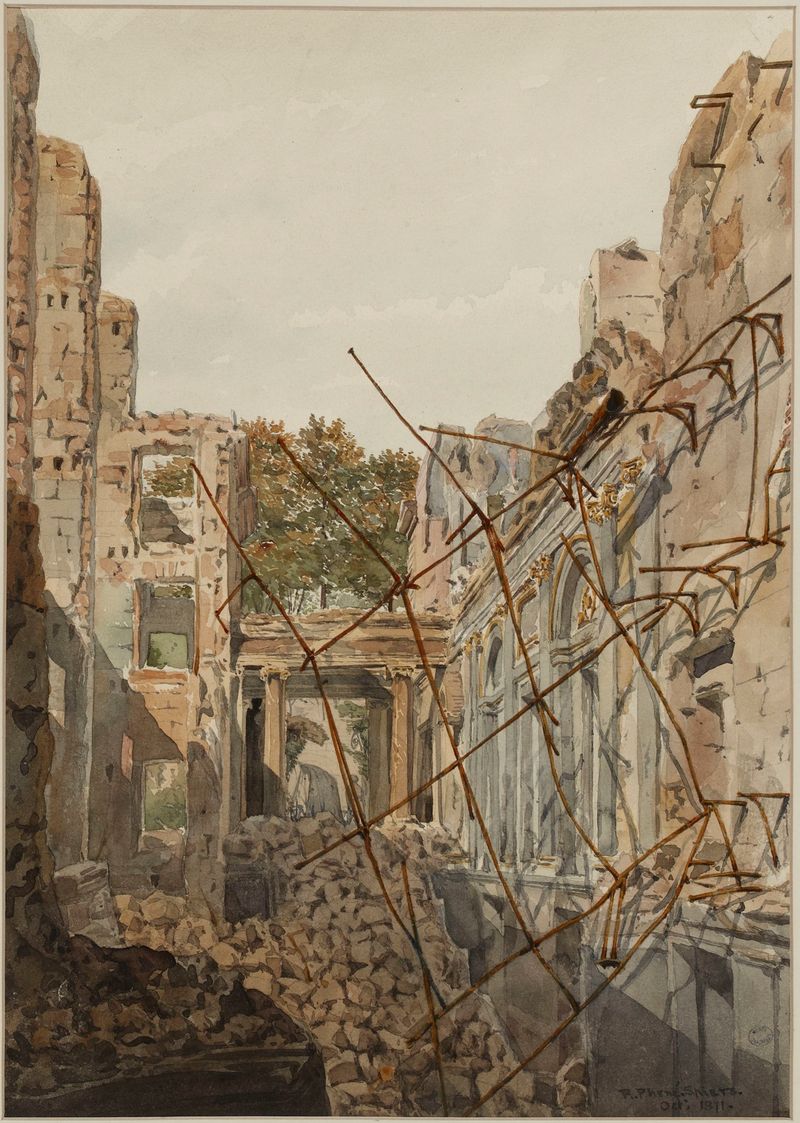
Ruines du Palais de Saint-Cloud en 1871.
Richard Phené Spiers
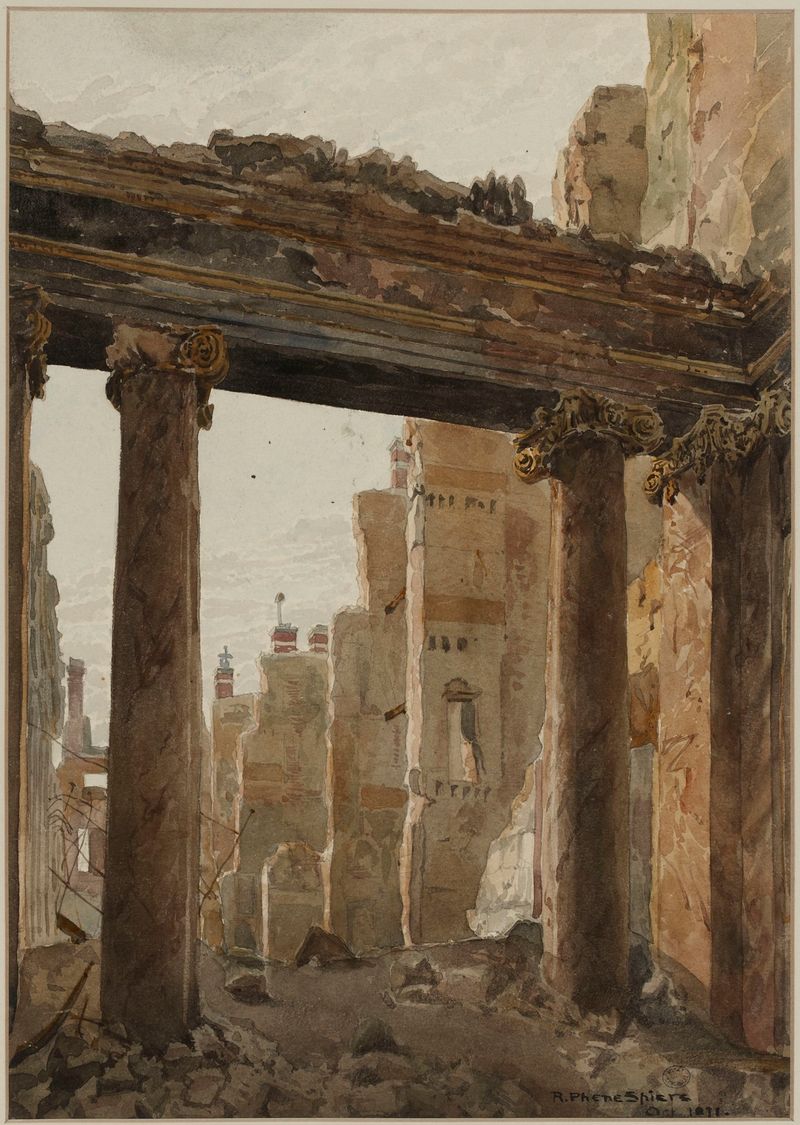
Ruines du Palais de Saint-Cloud en 1871
Richard Phené Spiers
More Architecture Art
Browse all →
The statue of Liberty
Frédéric Auguste Bartholdi

View of Houses in Delft, Known as ‘The Little Street’
Johannes Vermeer

View of Houses in Delft, Known as ‘The Little Street’
Johannes Vermeer

The Cathedral in Rouen. The portal, Grey Weather
Claude Monet

The yellow house
Vincent van Gogh

The Church in Auvers-sur-Oise, View from the Chevet
Vincent van Gogh