
Fabel van de boer en zijn ezel; De boer zit op de ezel terwijl de zoon loopt — History & Facts
Where does light end, and longing begin? In the delicate etching by Wenceslaus Hollar, the interplay of shadow and illumination draws us into a narrative steeped in destiny. Look to the center of the composition, where the farmer, mounted on his humble donkey, evokes a sense of authority yet conveys an unmistakable weight of responsibility. The son walks beside them, his posture hinting at youthful determination, yet a shadow of weariness rests on his shoulders. Hollar’s meticulous lines create a sense of movement and texture; the contrast between the farmer’s relaxed grip on the reins and the son’s burdened stance speaks volumes about their intertwined fates.
Earthy tones dominate the scene, grounding the figures in their rural setting while imparting a timeless quality. The emotional tension rests in the juxtaposition of position and burden – the farmer rides, embodying comfort, while the son walks, encapsulating struggle. This disparity raises questions about privilege, duty, and the generational differences in aspirations. The light, softly illuminating the figures, hints at a brighter future, yet the shadow on the ground suggests the weight of the past looming over them, reminding viewers of the inescapable ties that bind us to our origins. Wenceslaus Hollar created this etching between 1627 and 1628 in Antwerp, during a period when he was deeply immersed in the Baroque movement.
At this time, artists were exploring themes of realism and social commentary, paralleling a Europe adjusting to the complexities of modernity. Hollar's work reflects both the personal and societal narratives of his time, deftly merging art with the universal truths of human experience.
More Artworks by Wenceslaus Hollar
Browse all →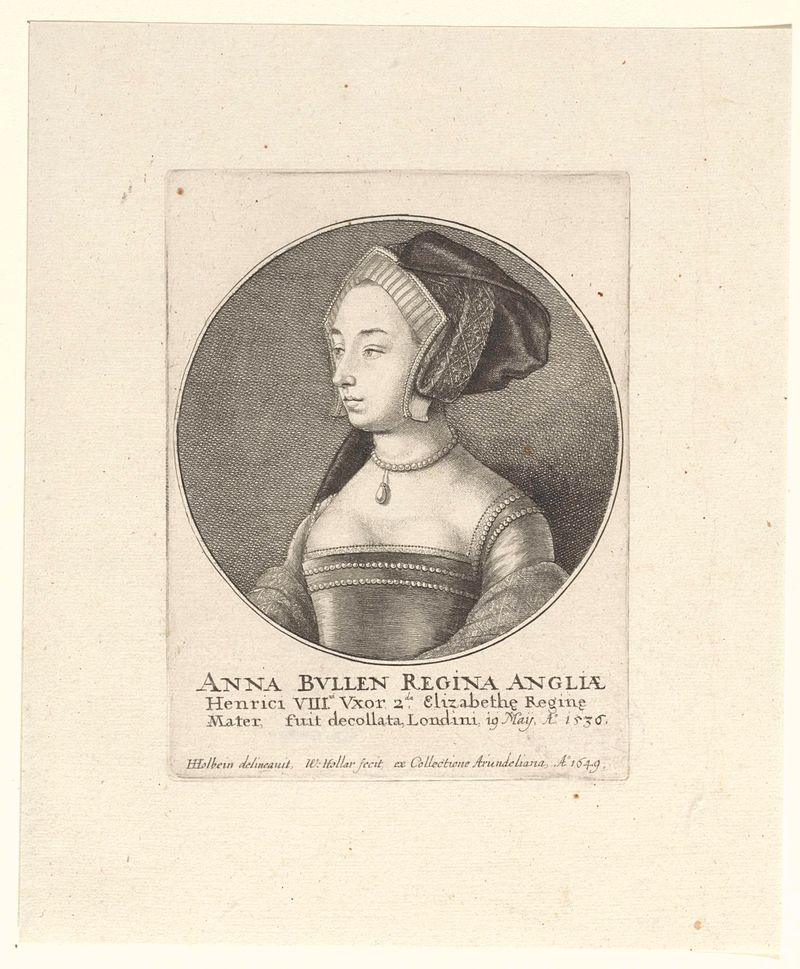
Portret van Anna Boleyn, koningin van Engeland
Wenceslaus Hollar
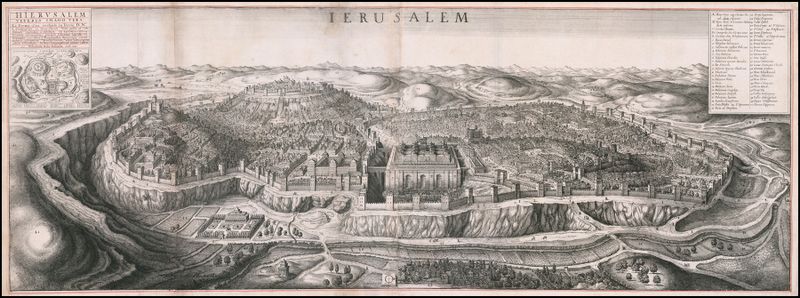
Bird’s eye view of Jerusalem
Wenceslaus Hollar
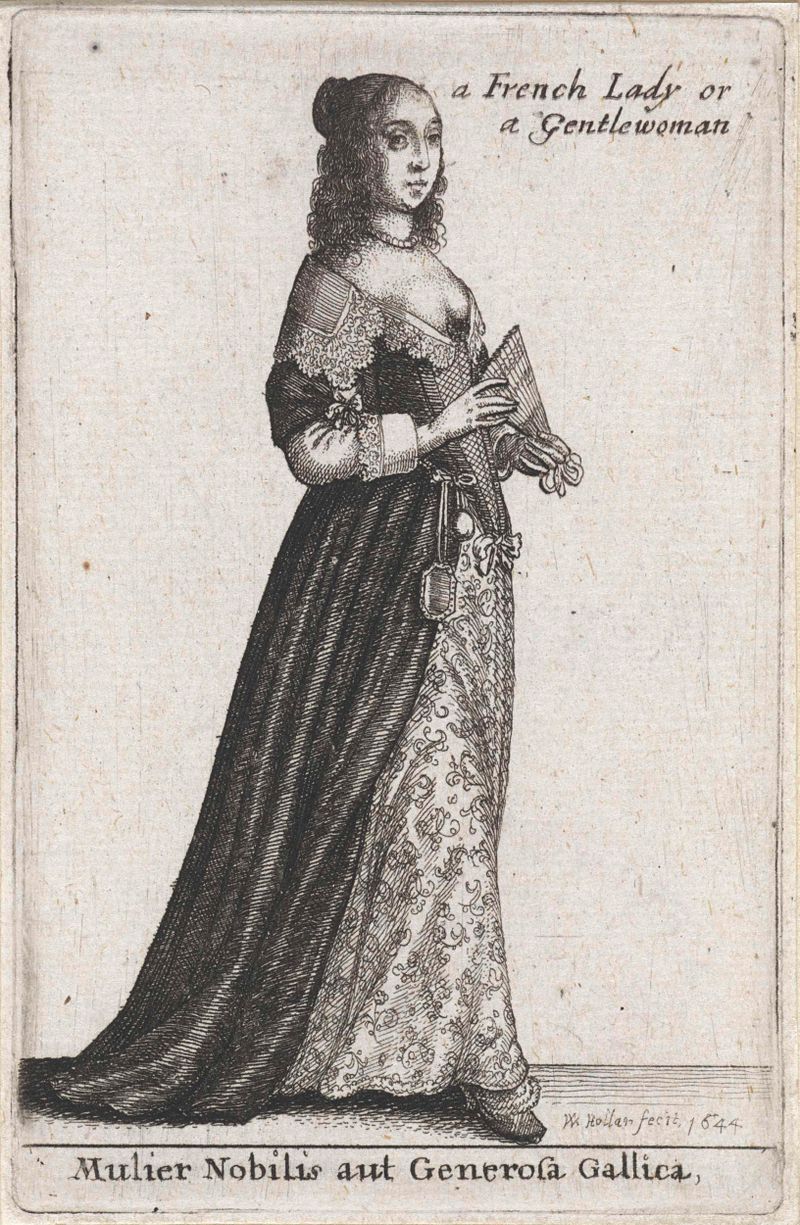
Mulier Nobilis aut Generosa Gallica / a French Lady or Gentlewoman
Wenceslaus Hollar
Titelprent voor: Ornatus Muliebris Anglicanus
Wenceslaus Hollar
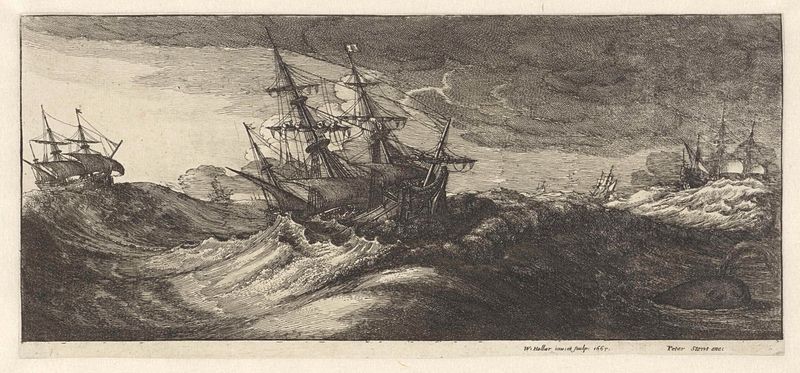
Oorlogsschepen en een walvis in een zeestorm
Wenceslaus Hollar
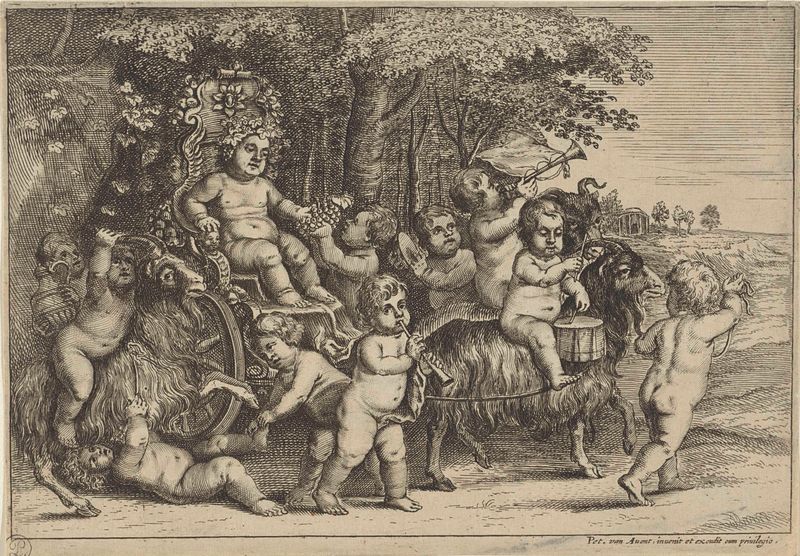
Optocht van bacchant en jongetjes op geiten
Wenceslaus Hollar
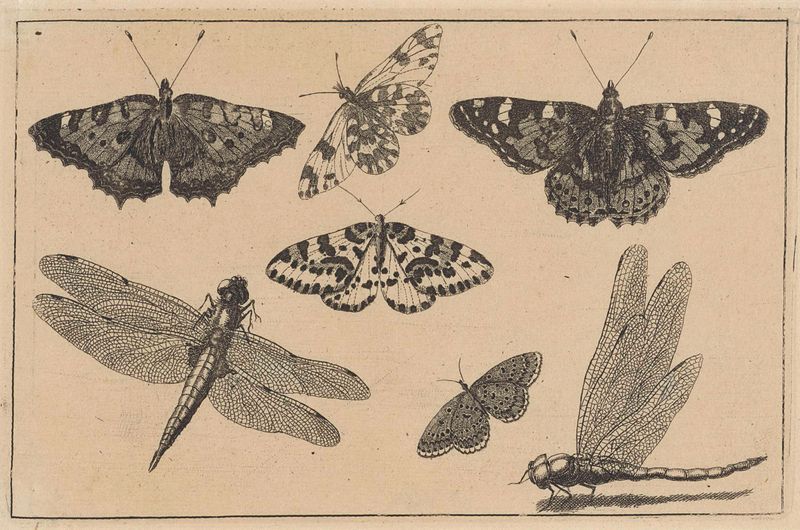
Twee libellen en vijf vlinders
Wenceslaus Hollar
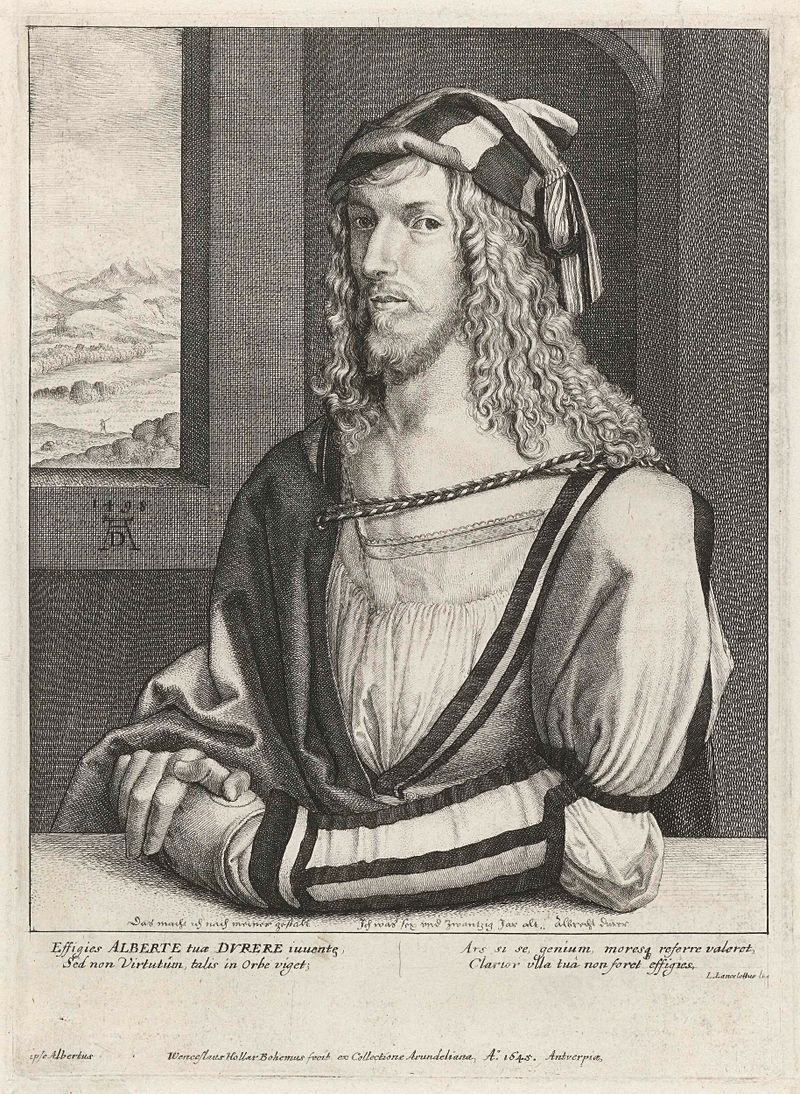
Portret van Albrecht Dürer
Wenceslaus Hollar
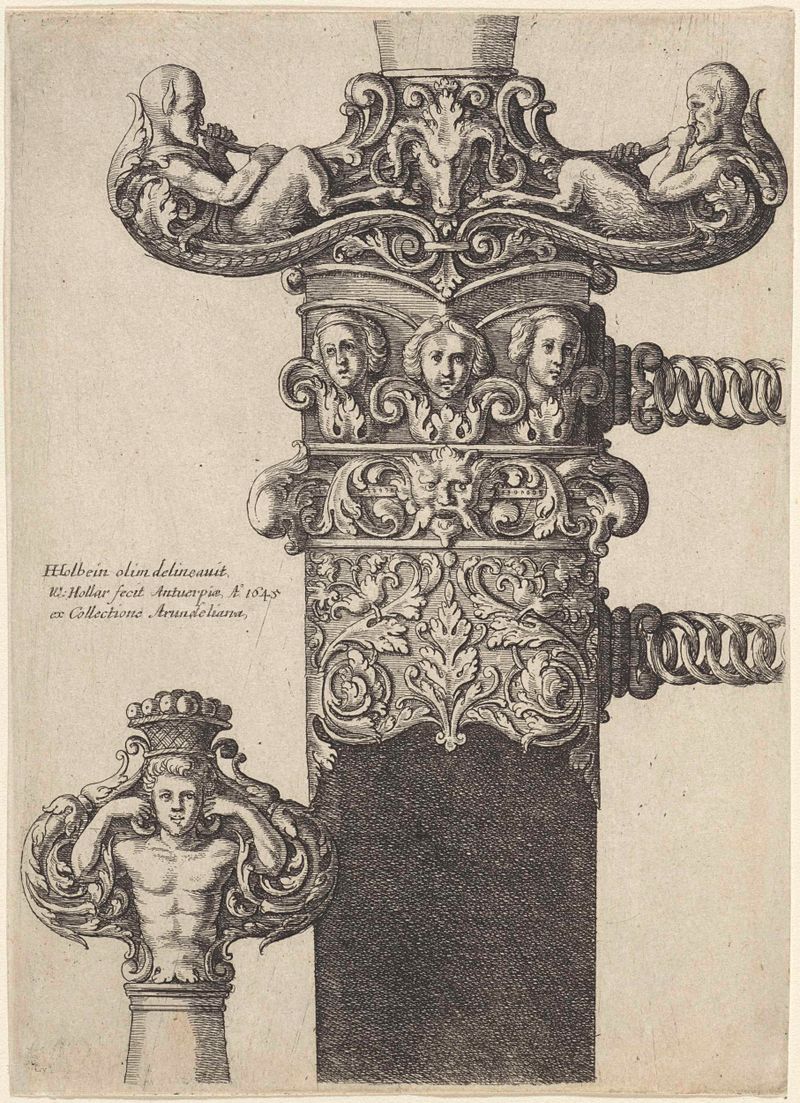
Ornamenteel ontwerp voor een dolk
Wenceslaus Hollar
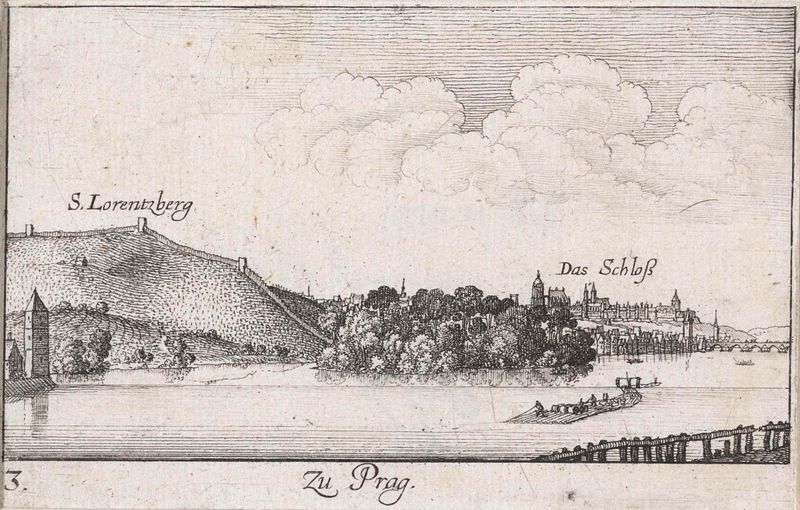
Gezicht op Praag vanaf de Moldau
Wenceslaus Hollar





