
Farm landscape with Tobias and the angel — History & Facts
A ramshackle treehouse teeters above the scene, its thatched roof and crooked timbers forming a curious crown for the farmyard below. The eye is drawn first to this improbable structure, perched high among slender trees, before noticing the quiet drama unfolding in the landscape’s depths. Goats graze in the filtered light, a figure lies slumped in the foreground—perhaps asleep, perhaps exhausted—while, almost hidden at the painting’s edge, two small figures advance: one with wings, the other cloaked, their presence hinting at a story that slips between the everyday and the miraculous.
The palette is earthy and luminous, sunlight catching on animal coats and the rough textures of straw and bark, all under a sky that billows with cloud and possibility. Painted by Abraham Bloemaert between 1610 and 1620, this farm landscape belongs to a moment when Dutch artists delighted in weaving biblical tales into familiar rural settings. Works like this were often commissioned for private homes, where their layered meanings—moral, narrative, and picturesque—could be savored at leisure. The figures of Tobias and the angel, borrowed from the Book of Tobit, are here nearly lost in the sweep of the countryside, their journey dwarfed by the architecture of daily life.
Little is recorded about this specific painting’s early history, but today it resides in the collection of the Centraal Museum, a quiet testament to an age when the sacred and the ordinary mingled on the painter’s panel. Look again, and see how the story waits in the shadows, ready to be found.
More Artworks by Abraham Bloemaert

Adam and Eve
Abraham Bloemaert
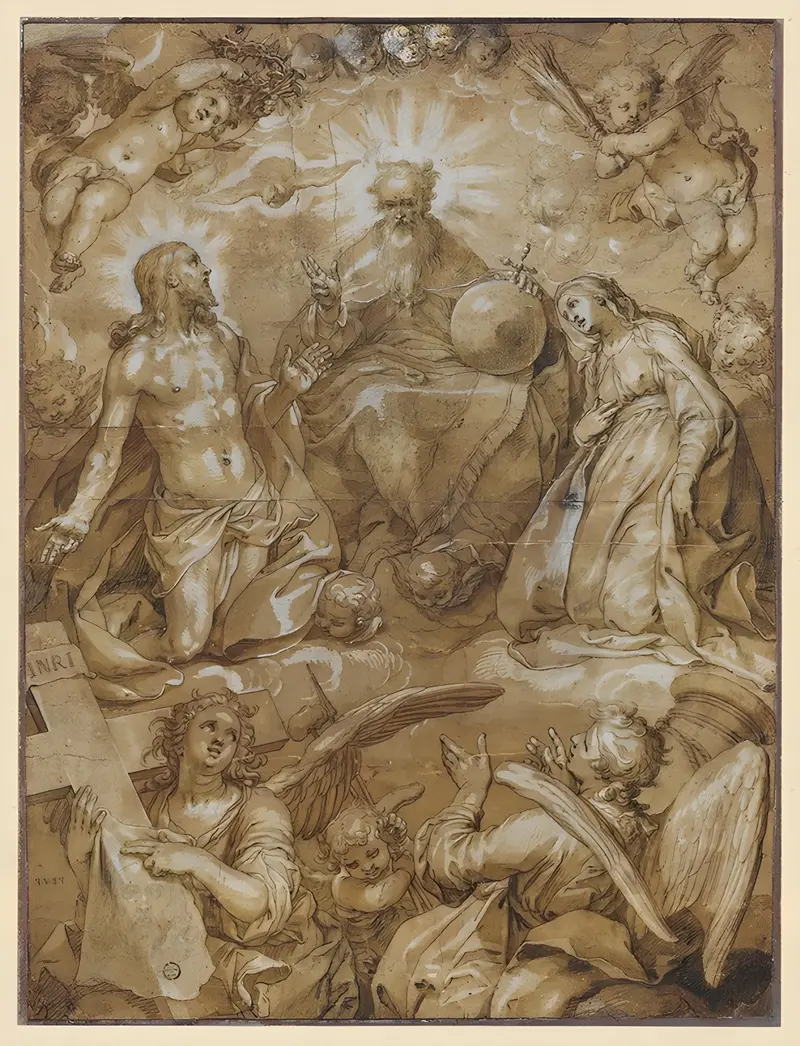
Intercession of Christ and Mary before God the Father
Abraham Bloemaert
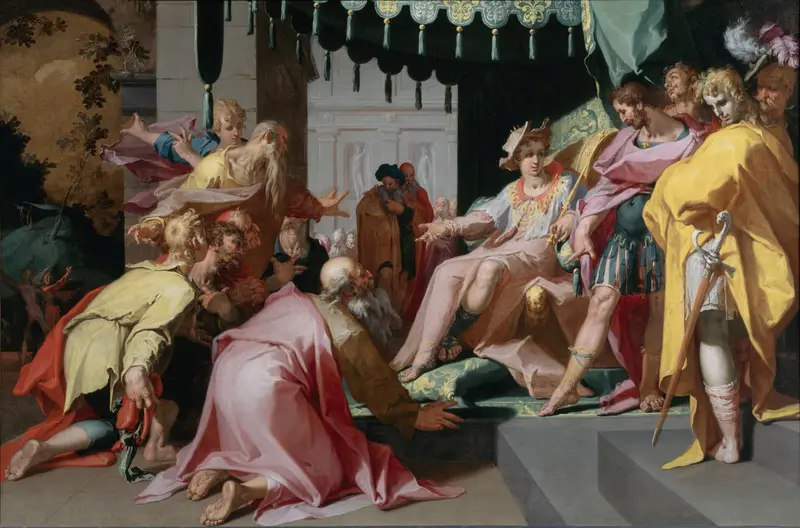
Joseph and his Brothers
Abraham Bloemaert
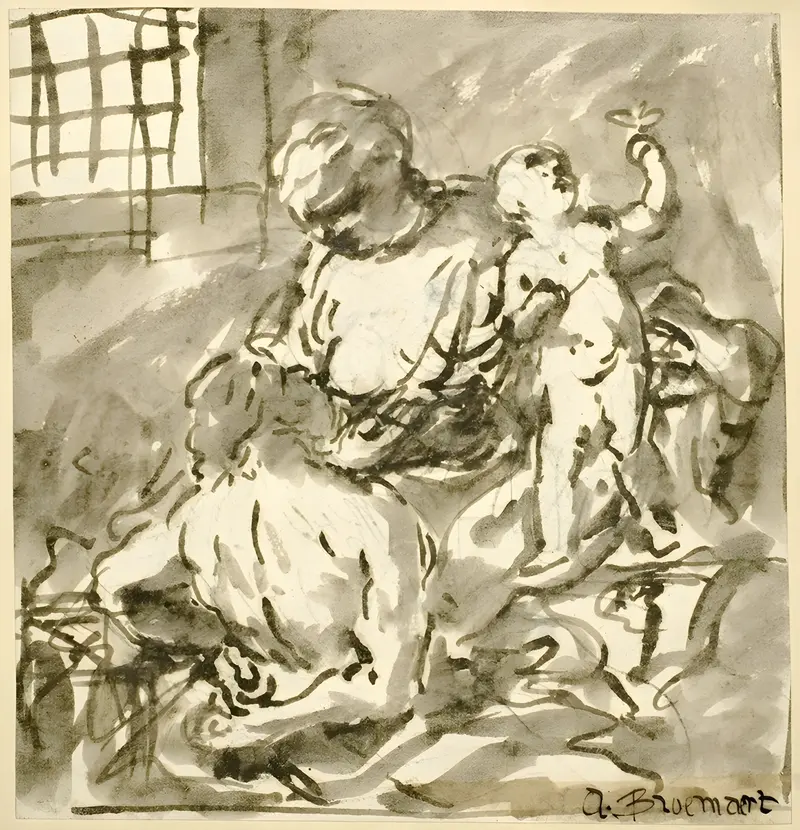
Caritas Romana
Abraham Bloemaert
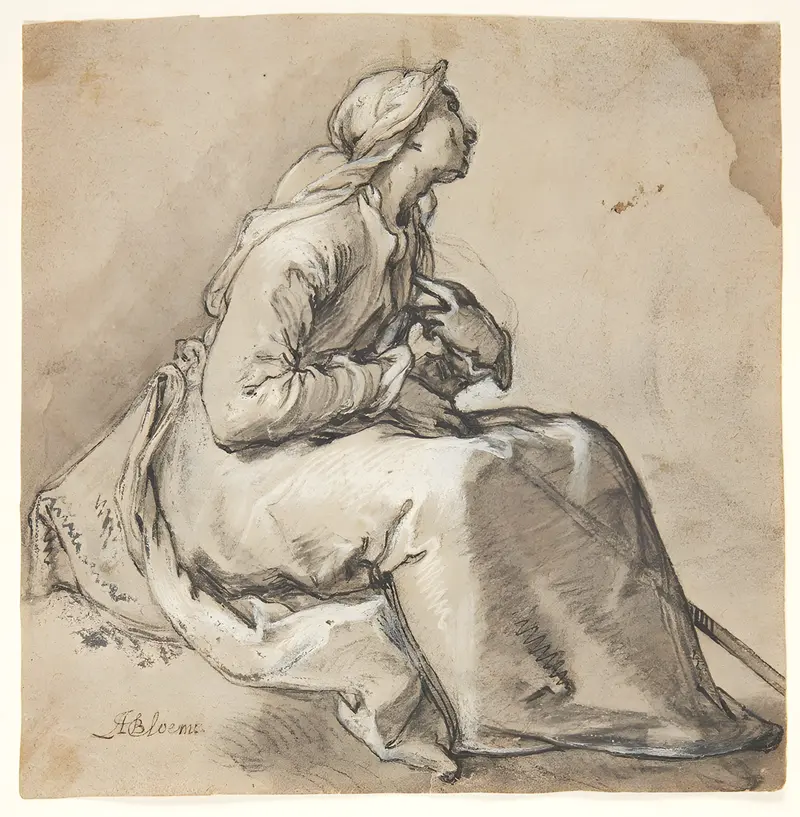
A seated woman facing right
Abraham Bloemaert
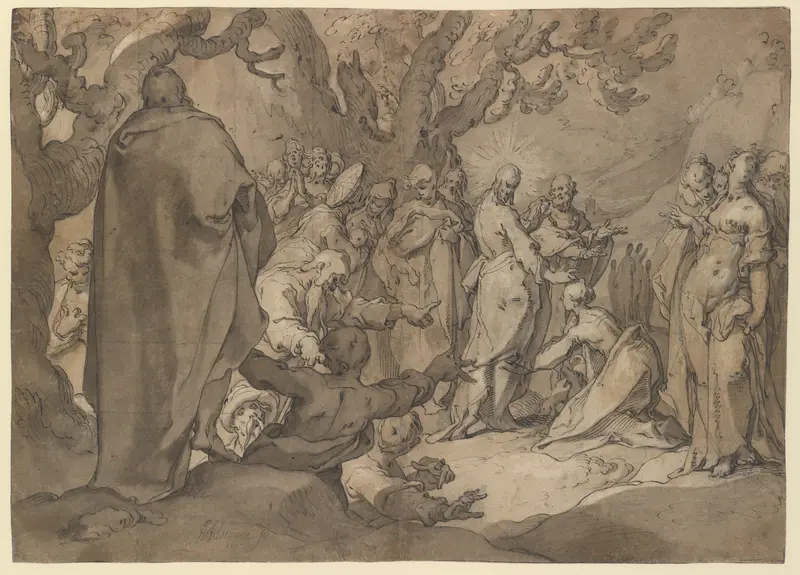
Christ and the Canaanite Women
Abraham Bloemaert
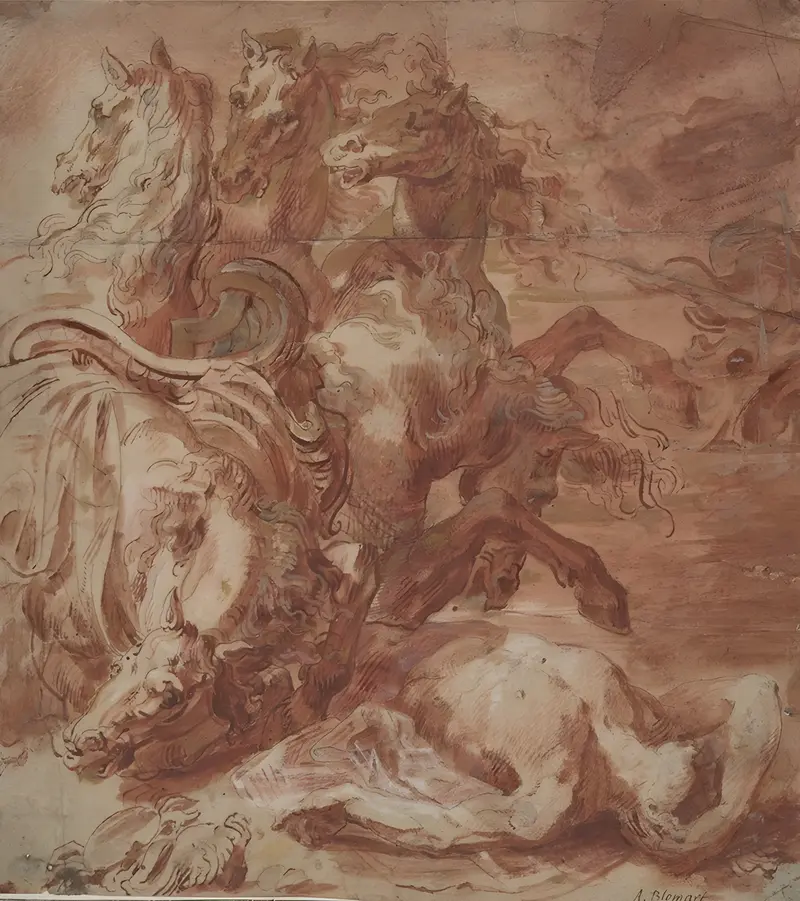
Hippolytus
Abraham Bloemaert
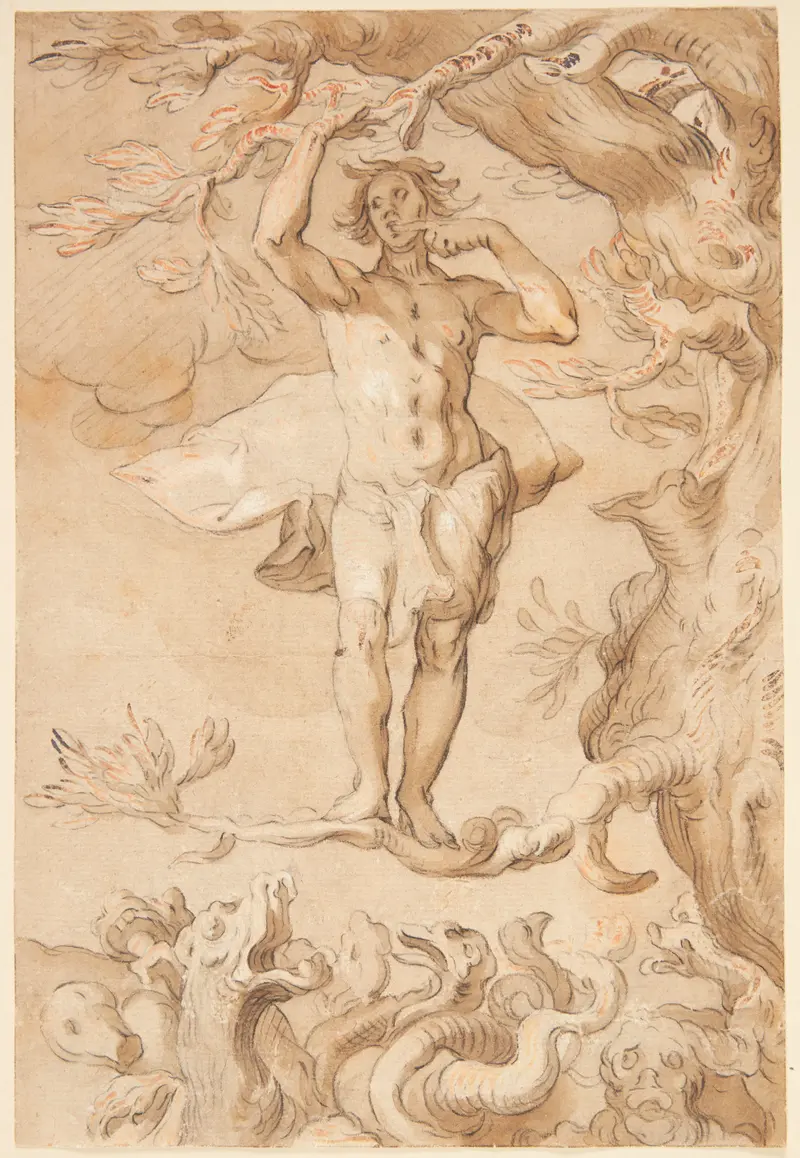
Den menneskelige glædes skrøbelighed En mand, der jages af en drage, klynger sig til en gren, mens han slikker honning af sin finger
Abraham Bloemaert

Moses Striking the Rock
Abraham Bloemaert
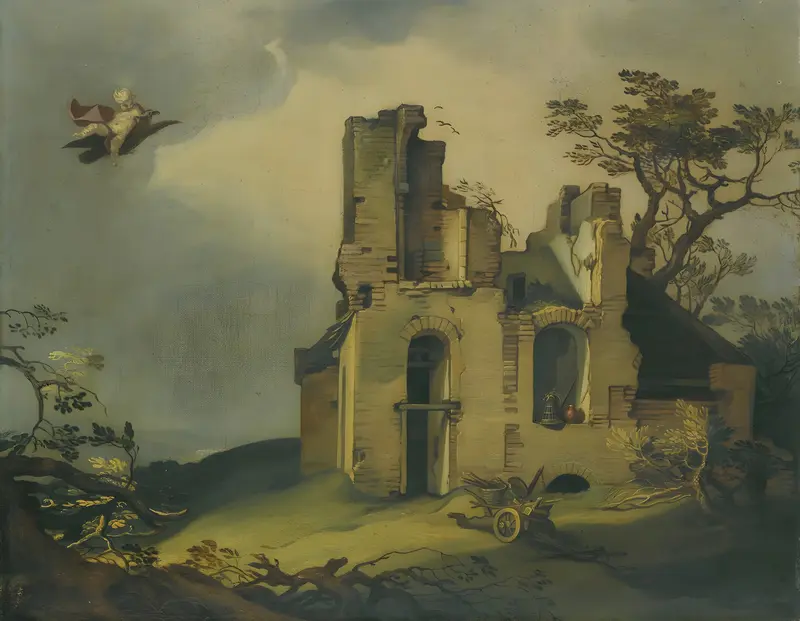
A Landscape With Ruins, With The Rape Of Ganymede
Abraham Bloemaert
More Landscape Art

The Starry Night
Vincent van Gogh

View of Delft
Johannes Vermeer

Water Lilies
Claude Monet

The Grand Canal, Venice, looking north-west from the Ca' Corner to the Ca' Contarini degli Scrigni, with the campanile of Santa Maria della Carità
Canaletto

Windsor Castle
Canaletto

The Grand Canal looking North-East from the Palazzo Dolfin-Manin to the Rialto Bridge
Canaletto