
Fete Champetre — History & Facts
What draws the viewer in first is the golden haze that seems to shimmer across the canvas, as if the memory of a sunlit afternoon has been caught and held in paint. Figures emerge from this radiance almost by magic: a gathering of elegantly dressed women and men, their forms loosely defined, their gestures relaxed and intimate. The eye is led in a slow circle by the sweep of light garments and the subtle tilt of postures, suggesting conversation, laughter, and the quiet ease of leisure.
Monticelli’s brushwork is thick and impulsive, giving the scene a sense of immediacy—details dissolve, but the feeling of warmth and conviviality remains unmistakable. Paintings such as Fete Champetre belong to a 19th-century tradition that looked back to the fêtes galantes of the Rococo, where artists like Watteau painted aristocratic pleasures in parkland settings. By Monticelli’s time, such scenes were nostalgic, evoking a lost world of sociability and elegance for a new bourgeois audience. The unknown date of this work only adds to its air of reverie, as if it floats between centuries.
Today, it resides in the digital collection of wwF8UUKEoJtmsQ at the Google Cultural Institute, a testament to how history has kept few traces of its own making—inviting us to linger, and to imagine ourselves among the revelers.
More Artworks by Adolphe Monticelli

Portrait of a Lady
Adolphe Monticelli
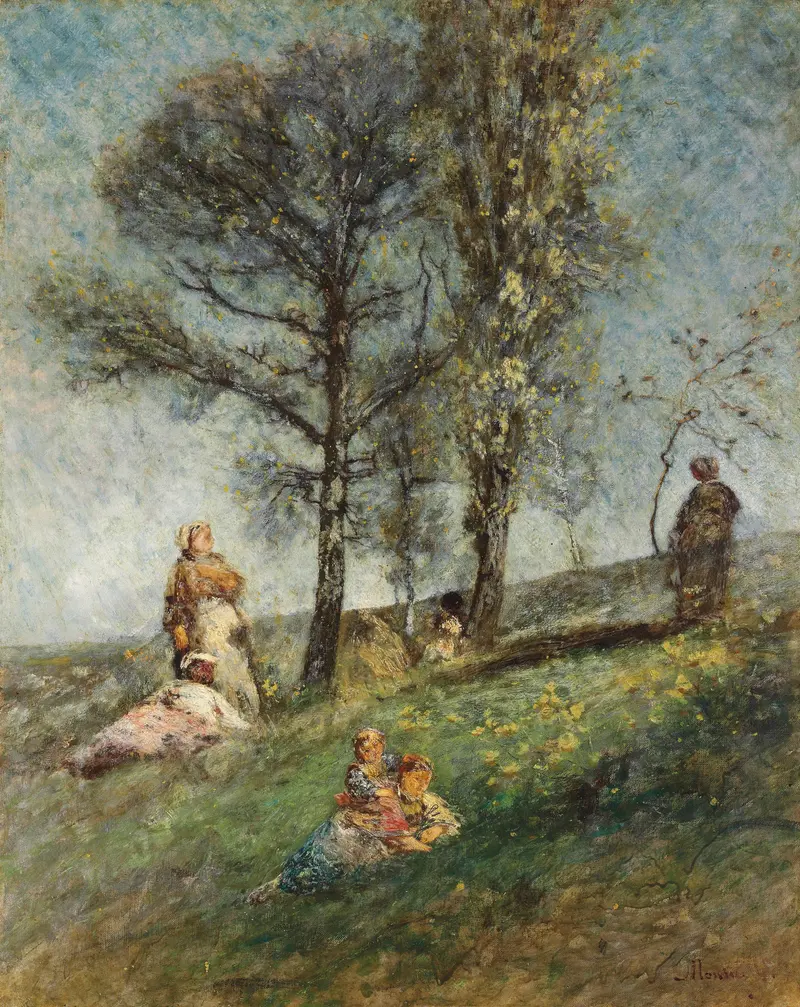
A Young Family Under Trees On A Hill
Adolphe Monticelli

Fête d'Après-Midi
Adolphe Monticelli
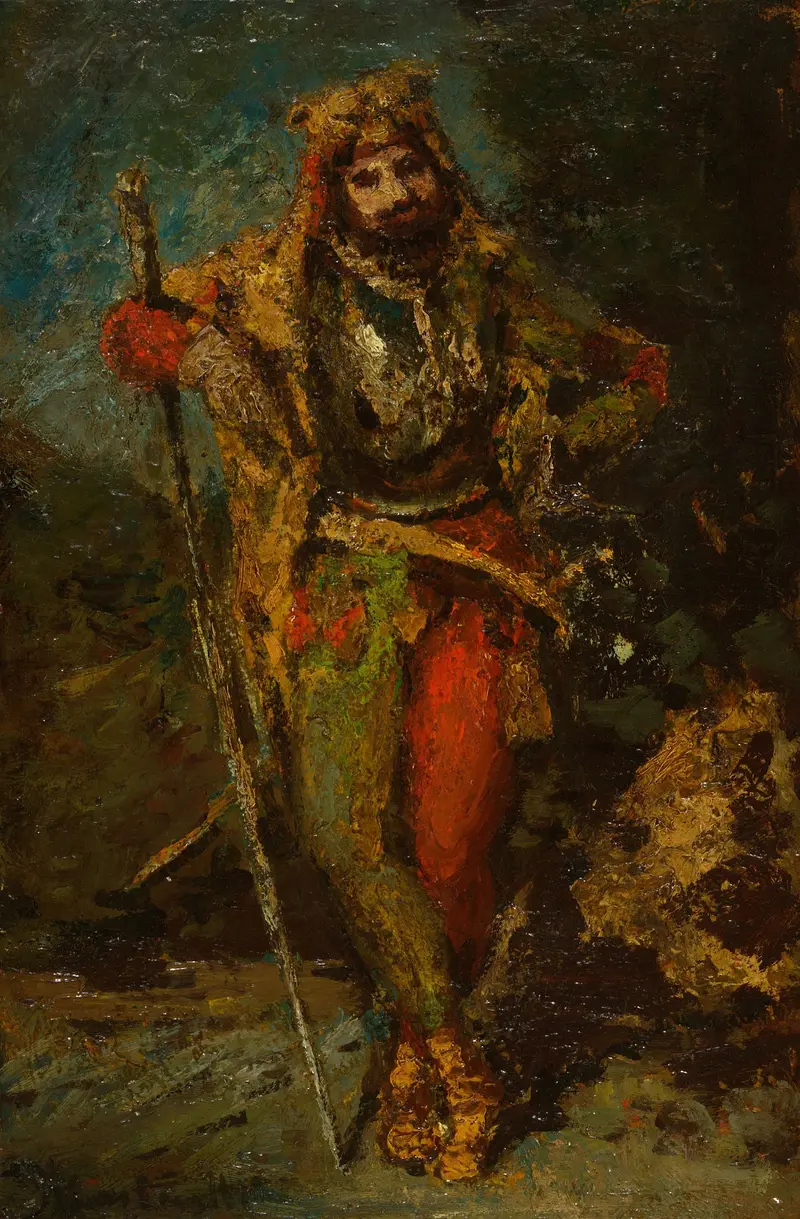
Mephisto from the Opera Faust
Adolphe Monticelli
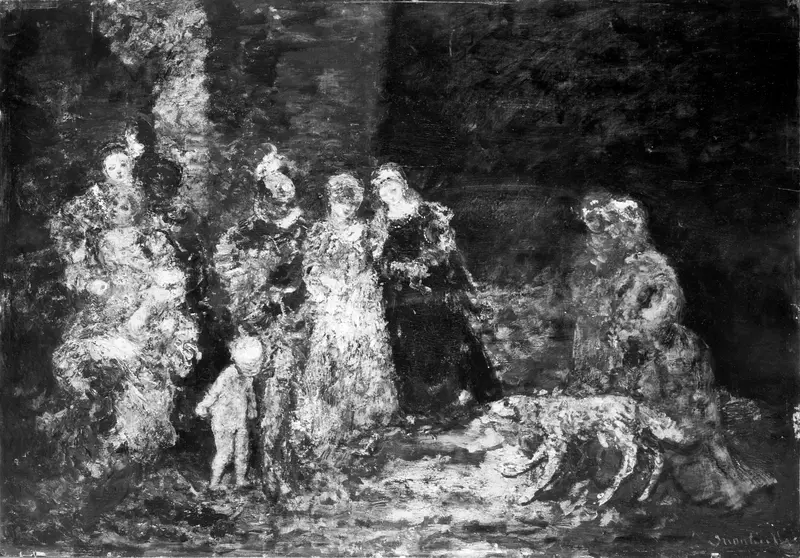
The Fairies
Adolphe Monticelli
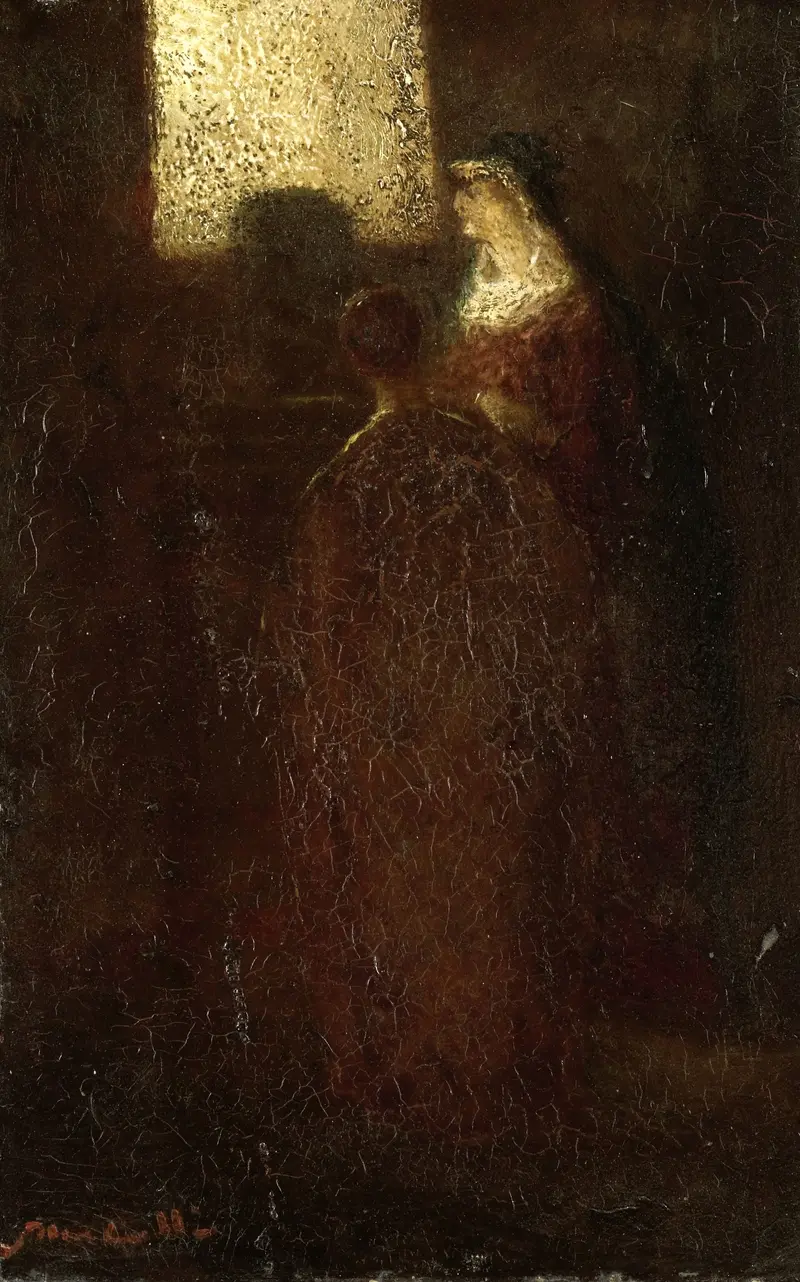
Aan het altaar
Adolphe Monticelli
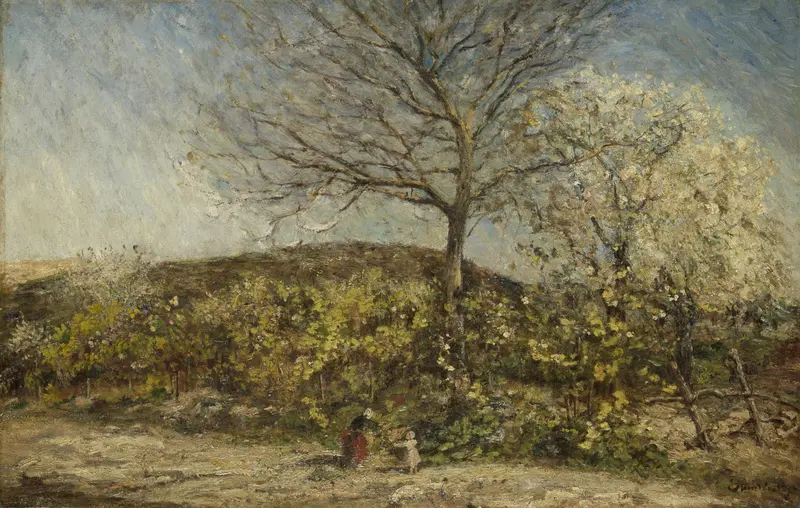
Landschap met bloeiende boomgaard
Adolphe Monticelli
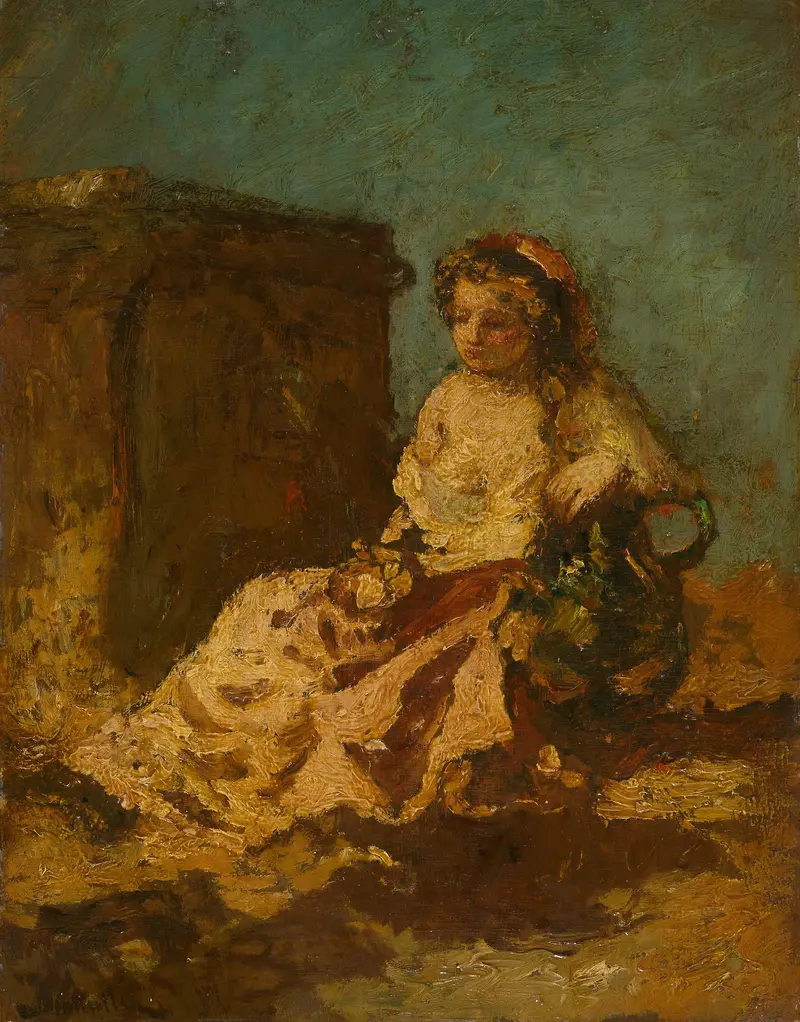
Meditation (Seated Woman)
Adolphe Monticelli
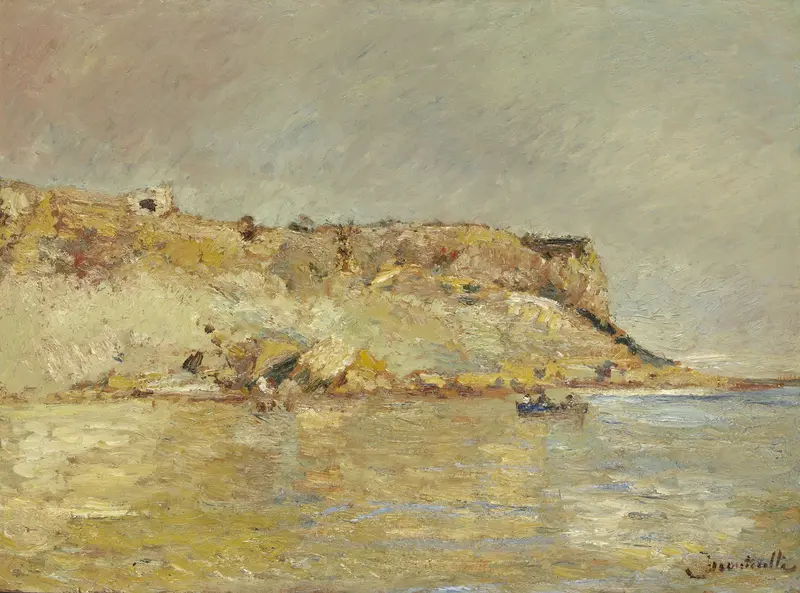
Coastal Mountains
Adolphe Monticelli
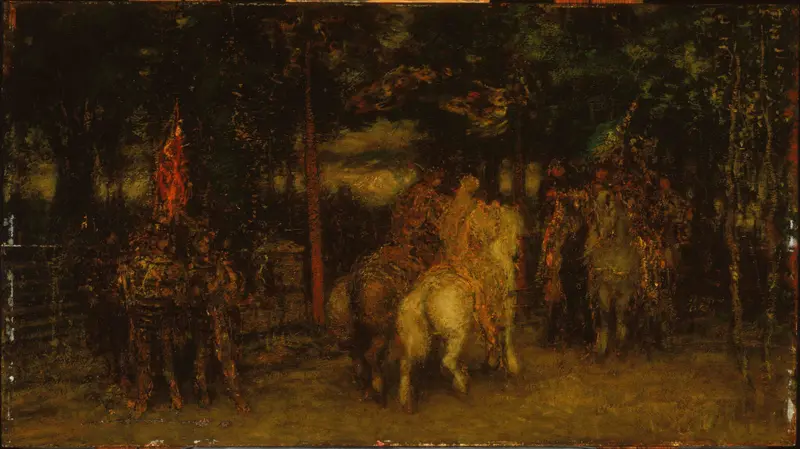
Landscape with Figures
Adolphe Monticelli
More Genre Scene Art

Banquet of the Officers of the St George Civic Guard
Frans Hals

Rembrandt and Saskia in the Scene of the Prodigal Son
Rembrandt van Rijn

Bal du moulin de la Galette
Pierre-Auguste Renoir

Quadrille at the Moulin Rouge
Henri de Toulouse-Lautrec

A Burial at Ornans
Gustave Courbet

When Will You Marry?
Paul Gauguin