
Fête d'Après-Midi — History & Facts
A golden haze draws the eye to the heart of Fête d'Après-Midi, where a crowd, rendered in rapid, textured strokes, gathers around a staircase glowing with light. The scene is less a record of faces than a memory of movement and color: shimmering gowns, clustered figures, and the suggestion of conversation caught midstream. Monticelli’s brushwork dissolves detail into atmosphere, making the painting itself feel like a recollection of a grand afternoon gathering, half-seen through the blur of time or candlelight.
The light spills out from the center, pulling the viewer into the swirl of the fête, while the darker edges of the canvas keep the secrets of the room. Painted in 1880, this work belongs to a world intoxicated with spectacle and sociability, when the French bourgeoisie and aristocracy delighted in fêtes and salons as stages for display and intrigue. Monticelli, working in an era when Impressionism was gaining ground, chose a denser, more impastoed approach, layering pigment to capture not only the fleeting effects of light but also the weight of memory. Such scenes were prized as souvenirs of vanished elegance, often collected by those nostalgic for the pre-war world or eager to display their taste for the arts.
Today, Fête d'Après-Midi lives in the collection of the Art Institute of Chicago, a testament to both the painter’s singular vision and the enduring allure of gatherings that promise, for a moment, to hold the world at bay.
More Artworks by Adolphe Monticelli

Portrait of a Lady
Adolphe Monticelli
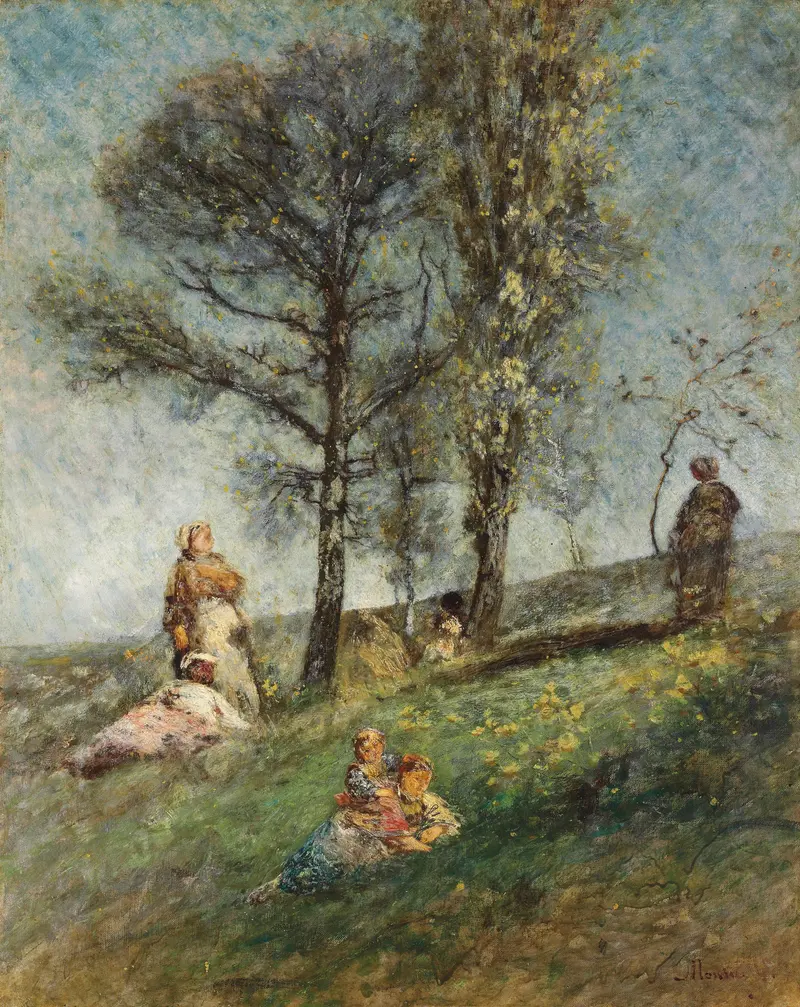
A Young Family Under Trees On A Hill
Adolphe Monticelli

Fête d'Après-Midi
Adolphe Monticelli
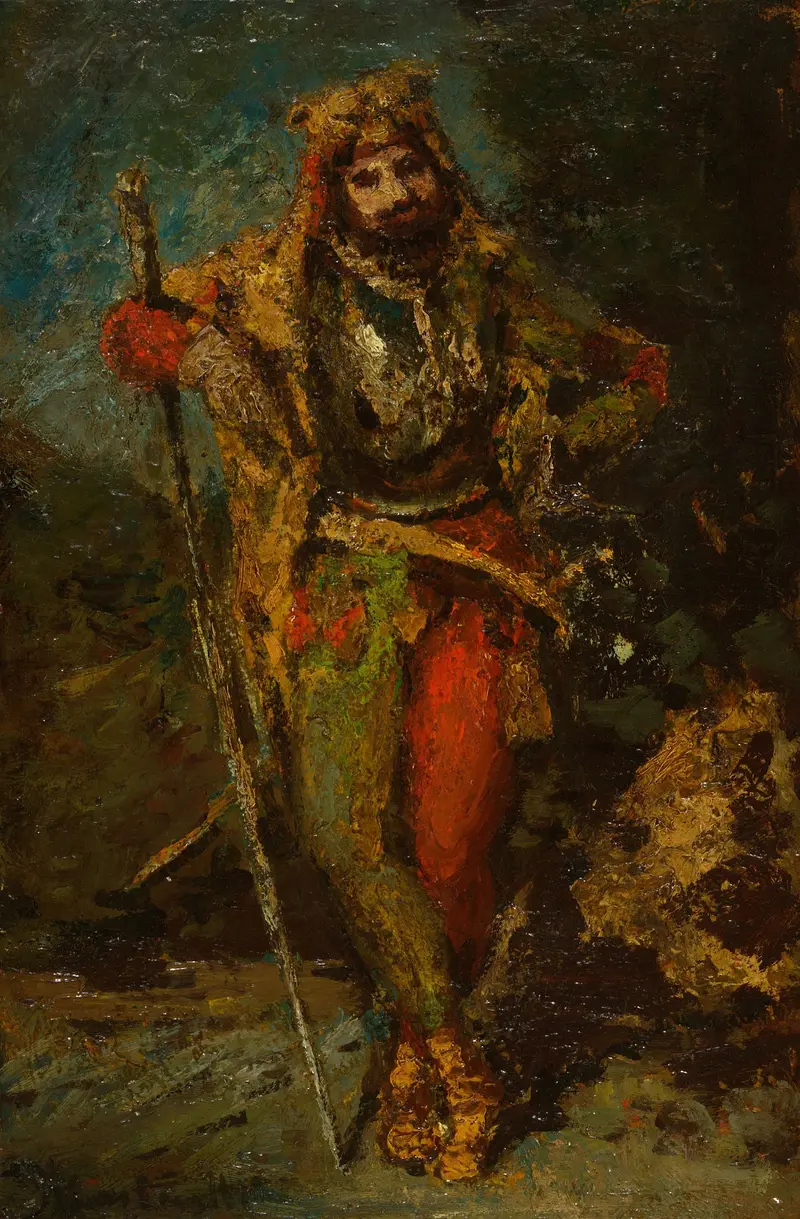
Mephisto from the Opera Faust
Adolphe Monticelli
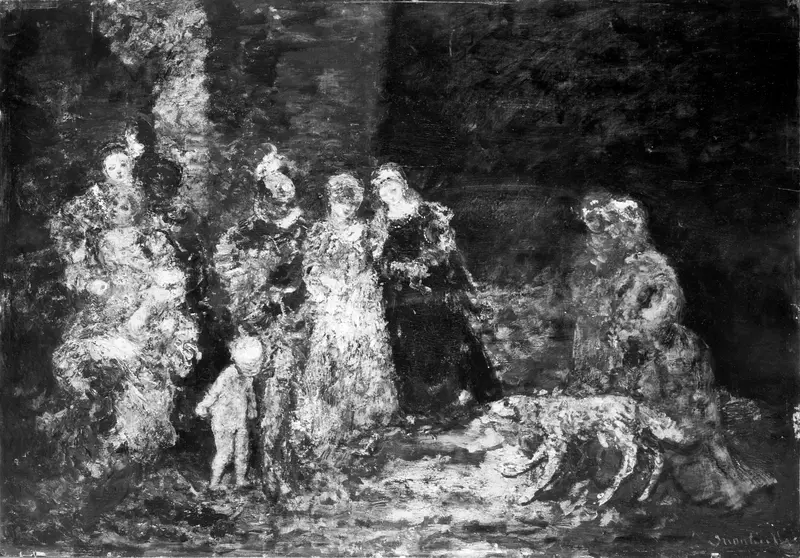
The Fairies
Adolphe Monticelli
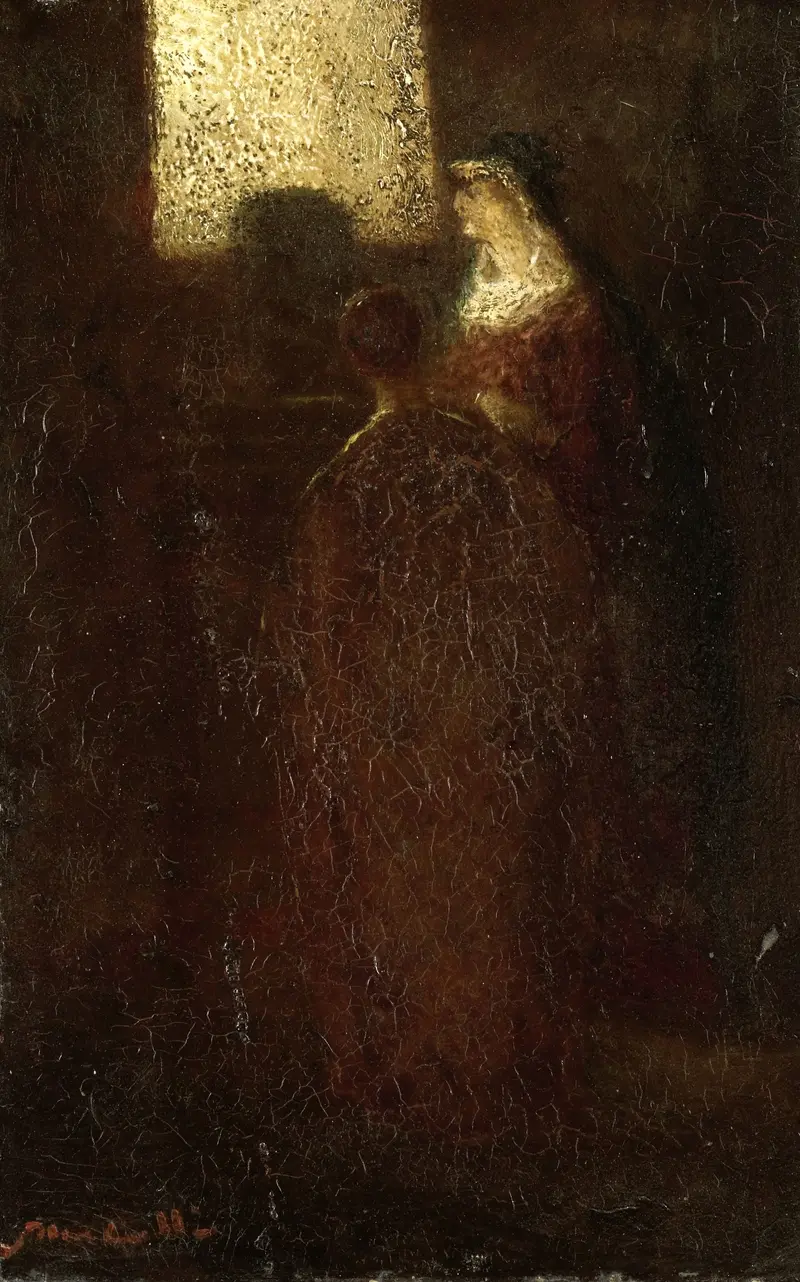
Aan het altaar
Adolphe Monticelli
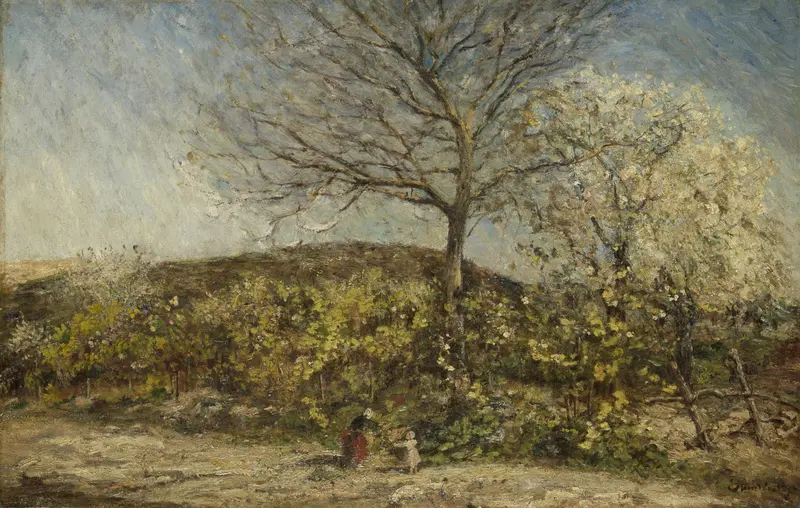
Landschap met bloeiende boomgaard
Adolphe Monticelli
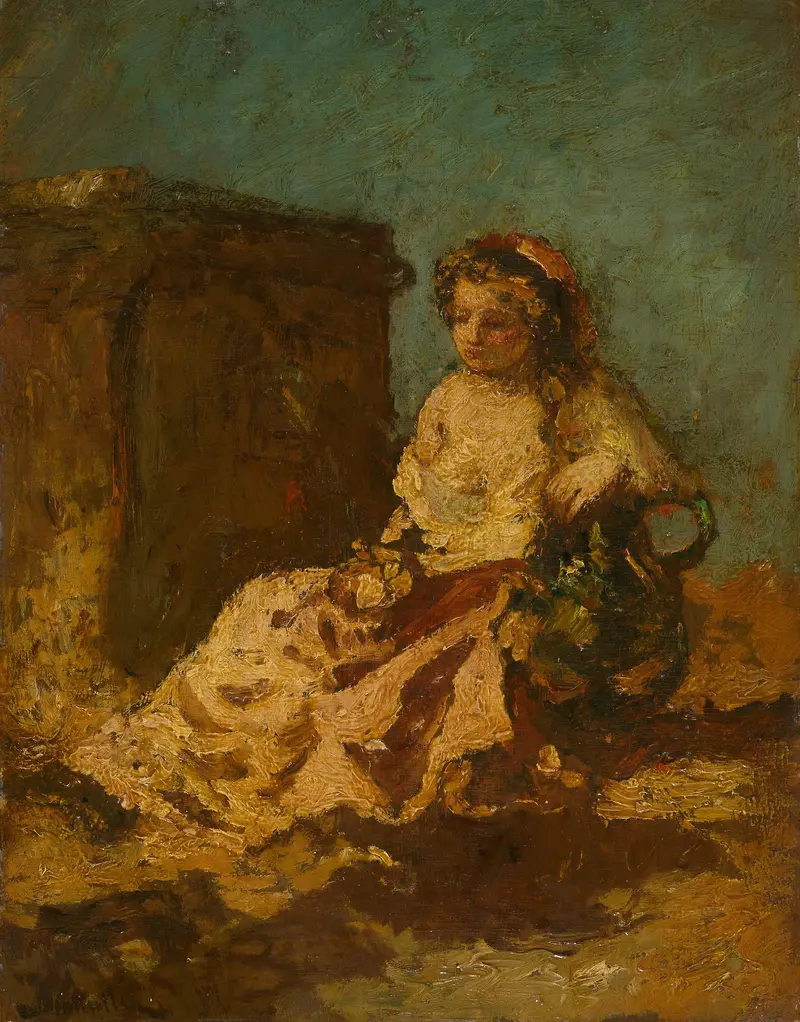
Meditation (Seated Woman)
Adolphe Monticelli
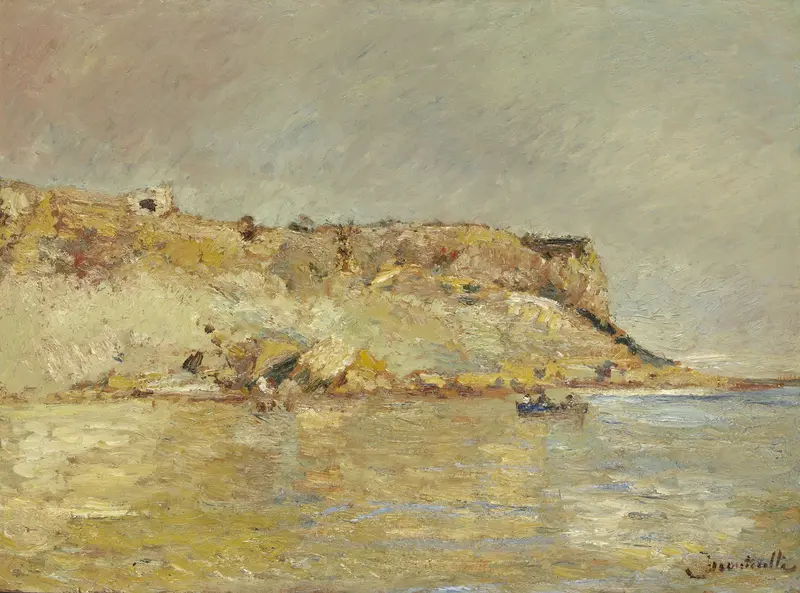
Coastal Mountains
Adolphe Monticelli
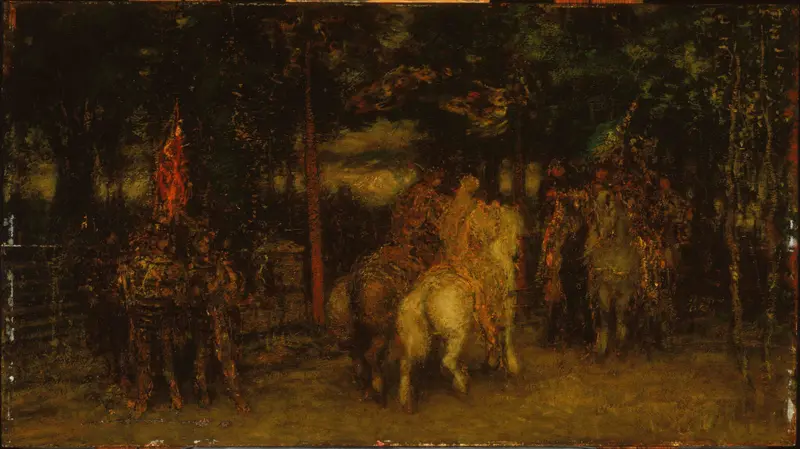
Landscape with Figures
Adolphe Monticelli
More Genre Scene Art

Banquet of the Officers of the St George Civic Guard
Frans Hals

Rembrandt and Saskia in the Scene of the Prodigal Son
Rembrandt van Rijn

Bal du moulin de la Galette
Pierre-Auguste Renoir

Quadrille at the Moulin Rouge
Henri de Toulouse-Lautrec

A Burial at Ornans
Gustave Courbet

When Will You Marry?
Paul Gauguin