
Fisherman's Hut — History & Facts
No other painting by Albert Pinkham Ryder has inspired more speculation about its origins than Fisherman's Hut. The date of its creation remains unknown, and even its medium is the subject of debate among scholars. Some believe it was painted in the 1880s, during Ryder’s most productive years, while others suggest a later period, pointing to the work’s darkened palette and rough surface.
The painting’s mysterious provenance and Ryder’s own reclusive habits have only deepened the intrigue: no letters or records mention the work, and its first public appearance was decades after the artist’s death. A solitary shack stands at the edge of a desolate shore, battered by wind and sea—Ryder’s chosen moment is one of uneasy stillness, as storm clouds gather and the last light fades. The hut itself, rendered in thick, almost sculptural paint, seems to huddle against the elements, its crooked chimney and weathered boards telling of many hard seasons. A single fishing boat, drawn up on the sand, hints at the absent occupant and the daily struggle between man and nature.
The painting’s brooding atmosphere and minimal detail invite comparison with Winslow Homer’s coastal scenes, yet Ryder’s vision is more dreamlike, the forms dissolving into shadow and uncertainty. The use of heavy impasto and muted tones draws the eye into a world where the boundary between land, sea, and sky is blurred. The physical history of Fisherman's Hut is as shadowy as its subject. With no documented patron or early exhibition, the painting surfaced only after Ryder’s death, when a group of his works was dispersed among collectors and museums.
Its attribution has never been seriously challenged, thanks to Ryder’s distinctive technique and the painting’s unmistakable mood. Today, it stands as a testament to his unique approach within American art, bridging the gap between the realism of his contemporaries and the modernist abstraction that followed. The painting’s uncertain date and medium remain part of its allure, inviting viewers to linger and wonder at both the scene and the life of the artist who created it.
More Artworks by Albert Pinkham Ryder

The Toilers of the Sea
Albert Pinkham Ryder
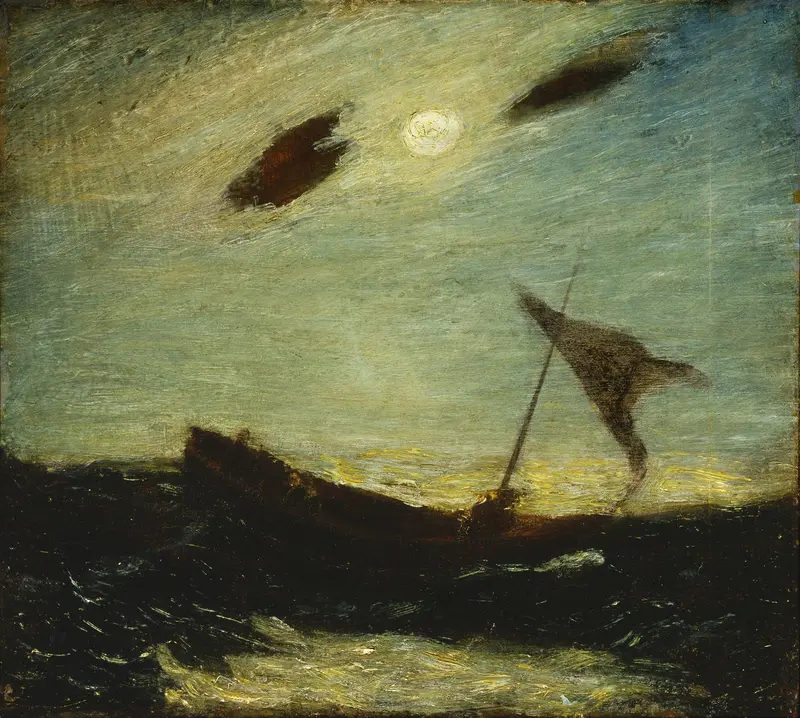
Moonlight
Albert Pinkham Ryder
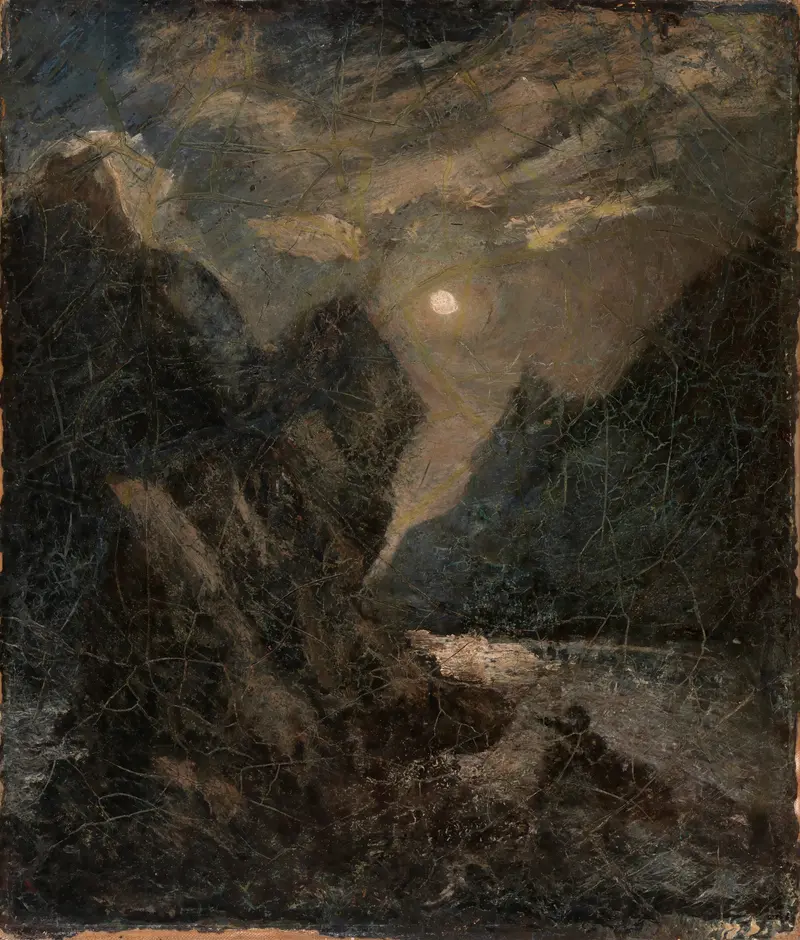
The Lorelei
Albert Pinkham Ryder
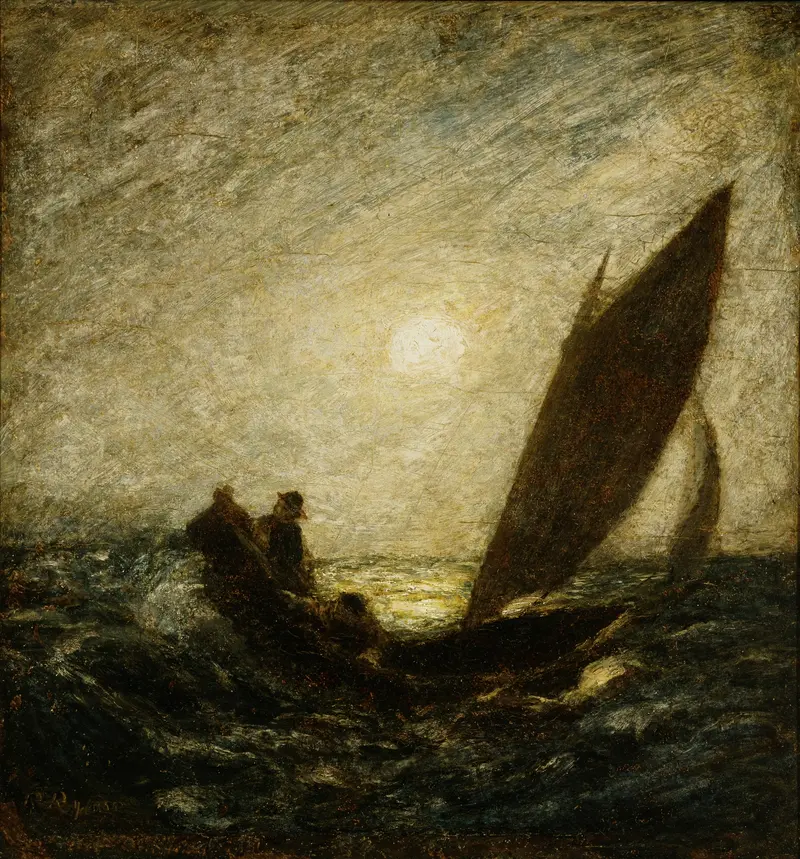
With Sloping Mast And Dipping Prow
Albert Pinkham Ryder
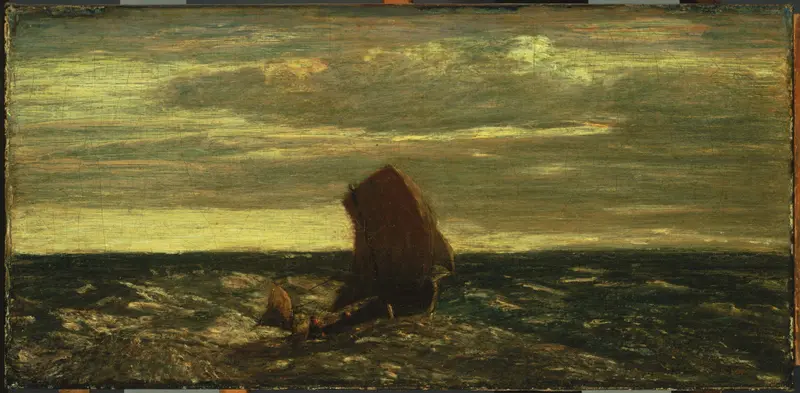
Homeward Bound
Albert Pinkham Ryder
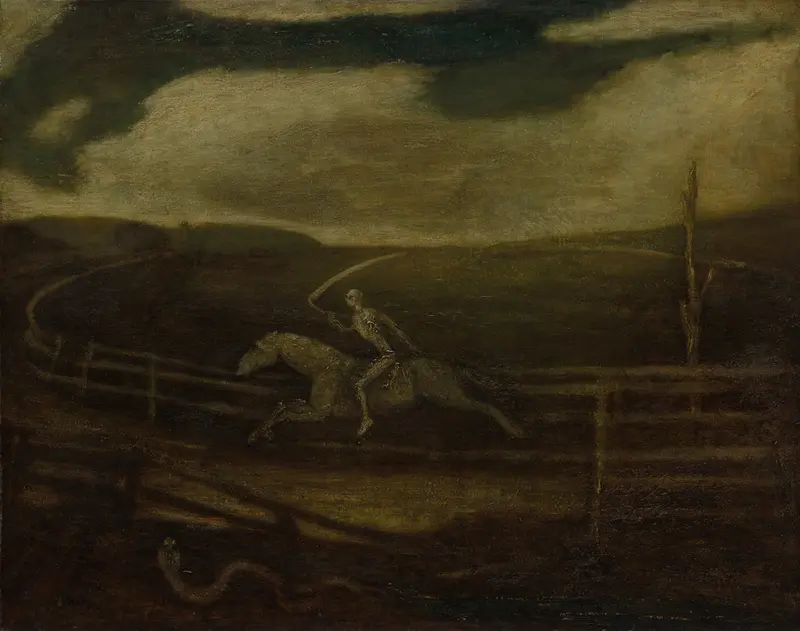
The Race Track (Death on a Pale Horse)
Albert Pinkham Ryder
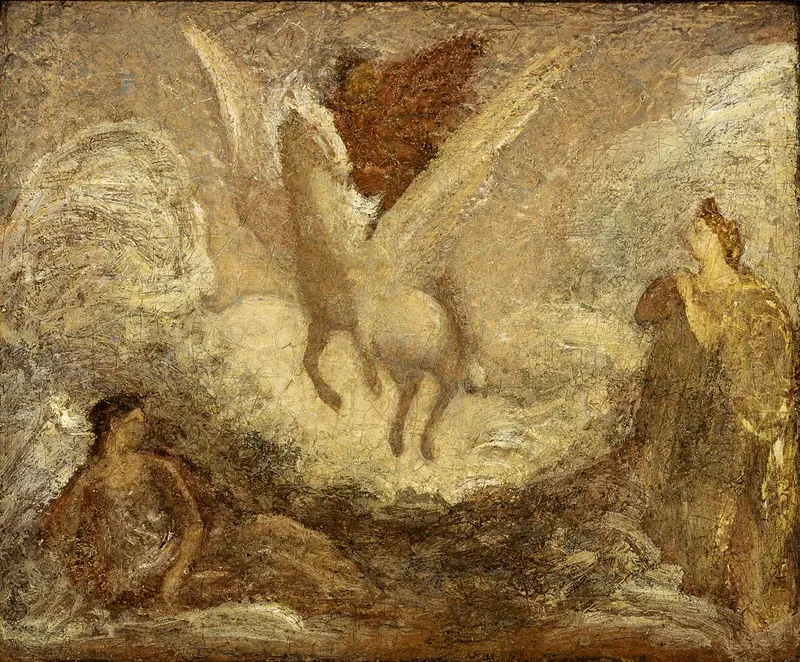
Pegasus Departing
Albert Pinkham Ryder
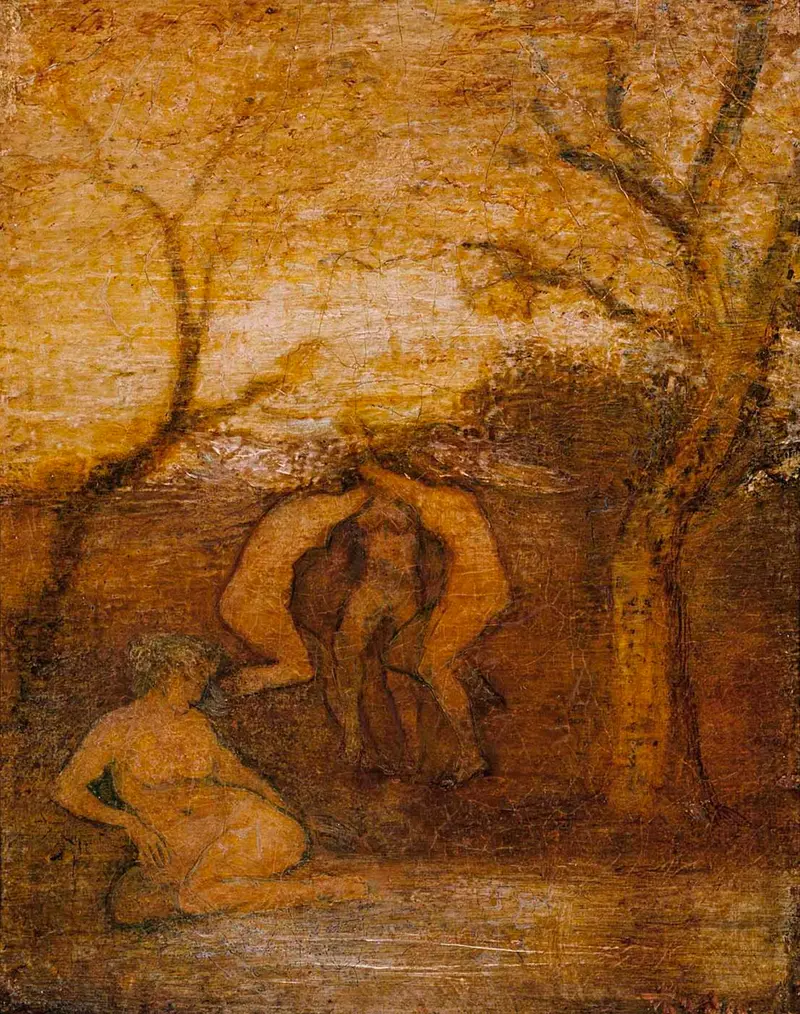
Dancing Dryads
Albert Pinkham Ryder
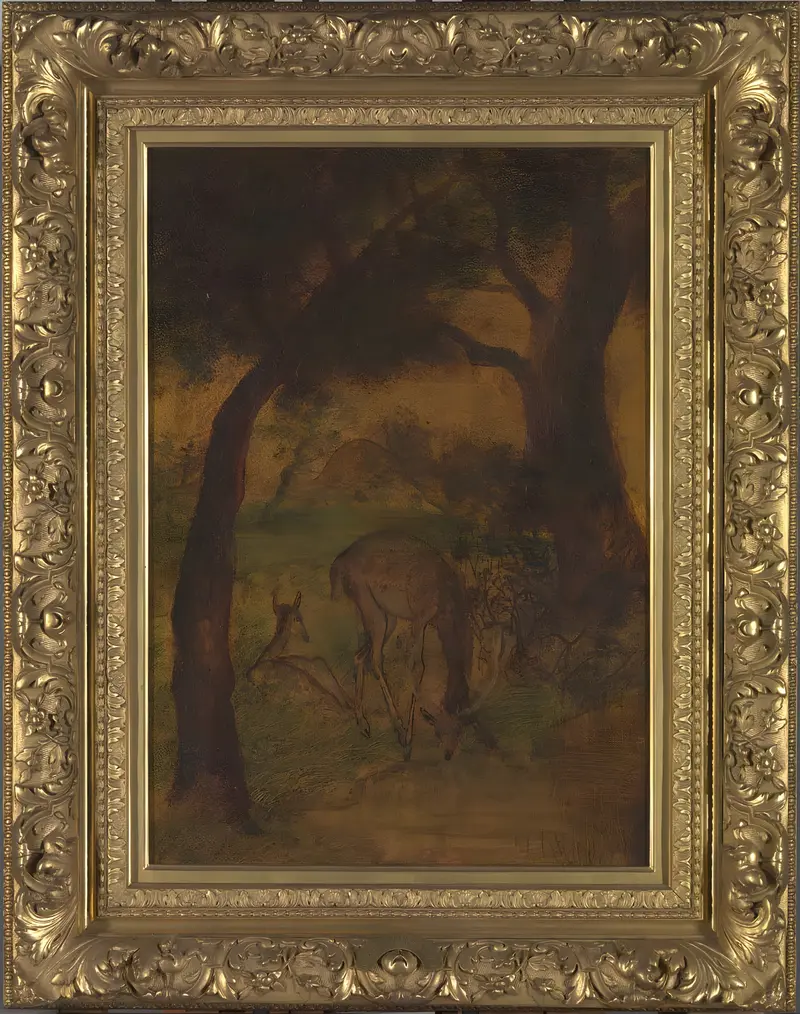
A Stag Drinking
Albert Pinkham Ryder
Christ Appearing to Mary
Albert Pinkham Ryder
More Landscape Art

The Starry Night
Vincent van Gogh

View of Delft
Johannes Vermeer

Water Lilies
Claude Monet

The Grand Canal, Venice, looking north-west from the Ca' Corner to the Ca' Contarini degli Scrigni, with the campanile of Santa Maria della Carità
Canaletto

Windsor Castle
Canaletto

The Grand Canal looking North-East from the Palazzo Dolfin-Manin to the Rialto Bridge
Canaletto