
Florentine Poet — History & Facts
When Florentine Poet was first exhibited at the Salon of 1861, Alexandre Cabanel was already celebrated for his ability to blend historical accuracy with a refined sense of drama. The painting drew attention not only for its subject—a solitary poet from Renaissance Florence—but also for its enigmatic atmosphere, prompting critics to debate whether Cabanel had captured a real historical figure or conjured an idealized symbol of creative genius. No definitive identity has ever been assigned to the sitter, and the work stands as a rare example of Cabanel engaging with the theme of artistic introspection rather than grand narrative. The moment Cabanel chose to depict is one of quiet revelation: the poet, garbed in somber Florentine dress, sits at a desk strewn with papers, his gaze lifted as if catching the first lines of a new verse.
Light falls across his face, illuminating the intensity of thought and the delicate tension in his hands—one clutching a quill, the other resting on a closed book, perhaps Dante or Petrarch. The sparse setting, with its muted palette and restrained ornament, draws the eye to the poet’s expression, suggesting both the solitude and the inspiration of the creative process. Unlike Dante in Exile by Ary Scheffer, which dramatizes the poet’s suffering, Cabanel’s work lingers on the private, interior world of the artist. The physical history of Florentine Poet is less documented than some of Cabanel’s major commissions, likely due to its intimate scale and subject.
It was probably painted without a specific patron, reflecting the artist’s personal interest in the Italian Renaissance and the role of the poet. Over the years, the painting has appeared in several private collections and has occasionally surfaced at auction, where its authorship has never been in doubt thanks to Cabanel’s distinctive style. Today, it is valued as a testament to the artist’s versatility during a period when he was at the height of his powers, bridging the traditions of Academicism with a more psychological, modern sensibility.
More Artworks by Alexandre Cabanel
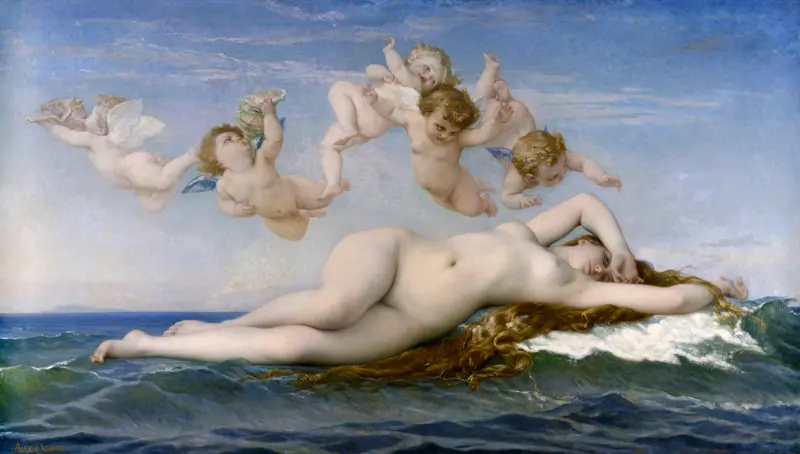
The Birth of Venus
Alexandre Cabanel
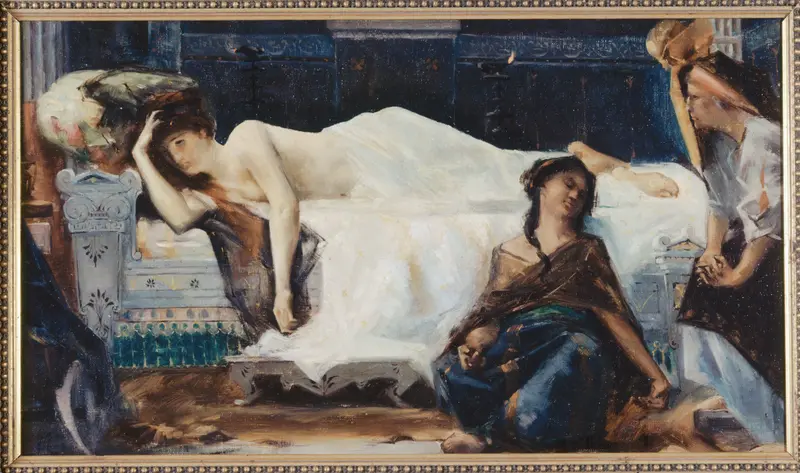
Phèdre
Alexandre Cabanel
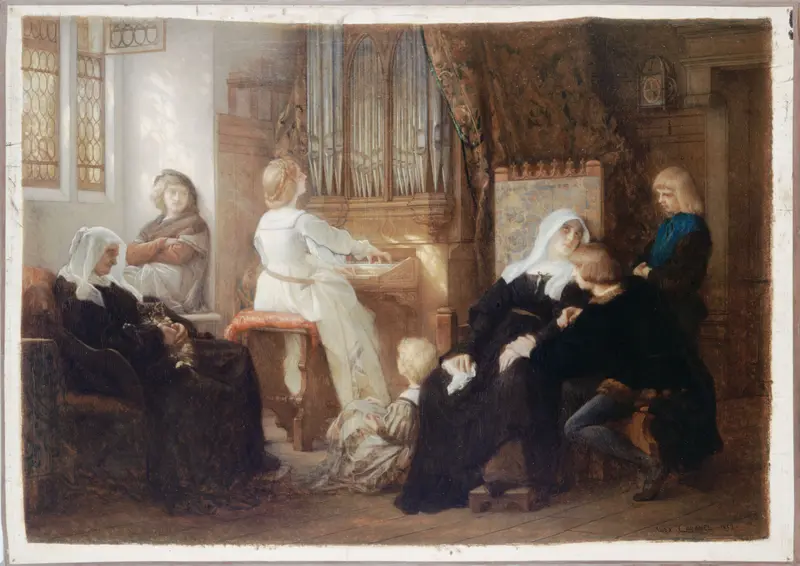
La veuve du maître de chapelle
Alexandre Cabanel
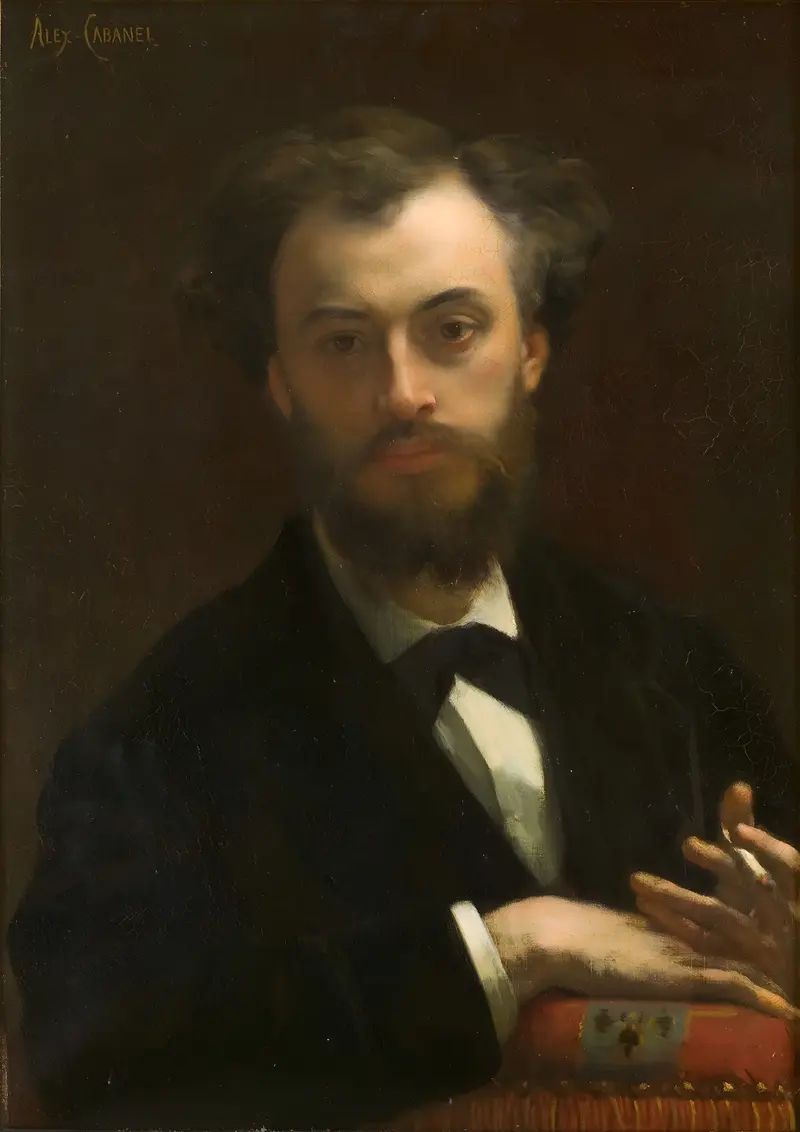
Portrait de M. Pierre Cabanel
Alexandre Cabanel
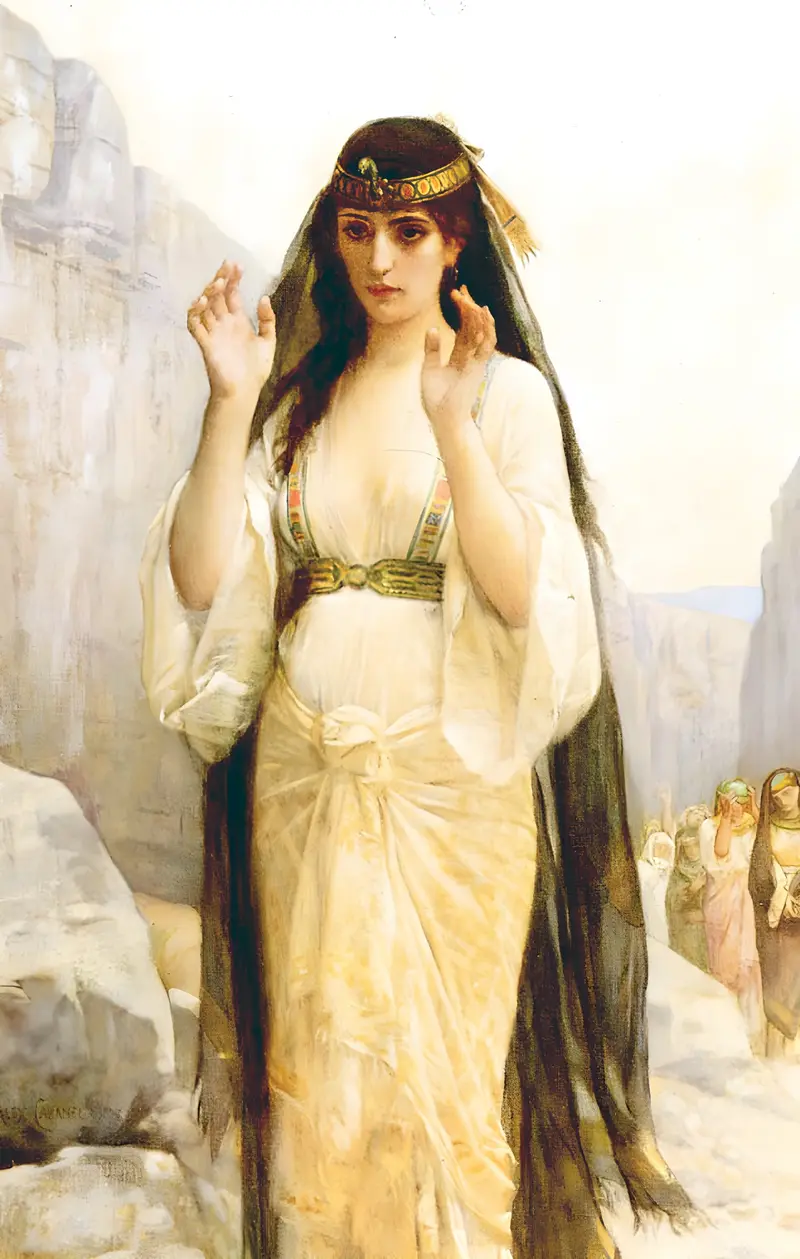
The Daughter of Jephthah
Alexandre Cabanel
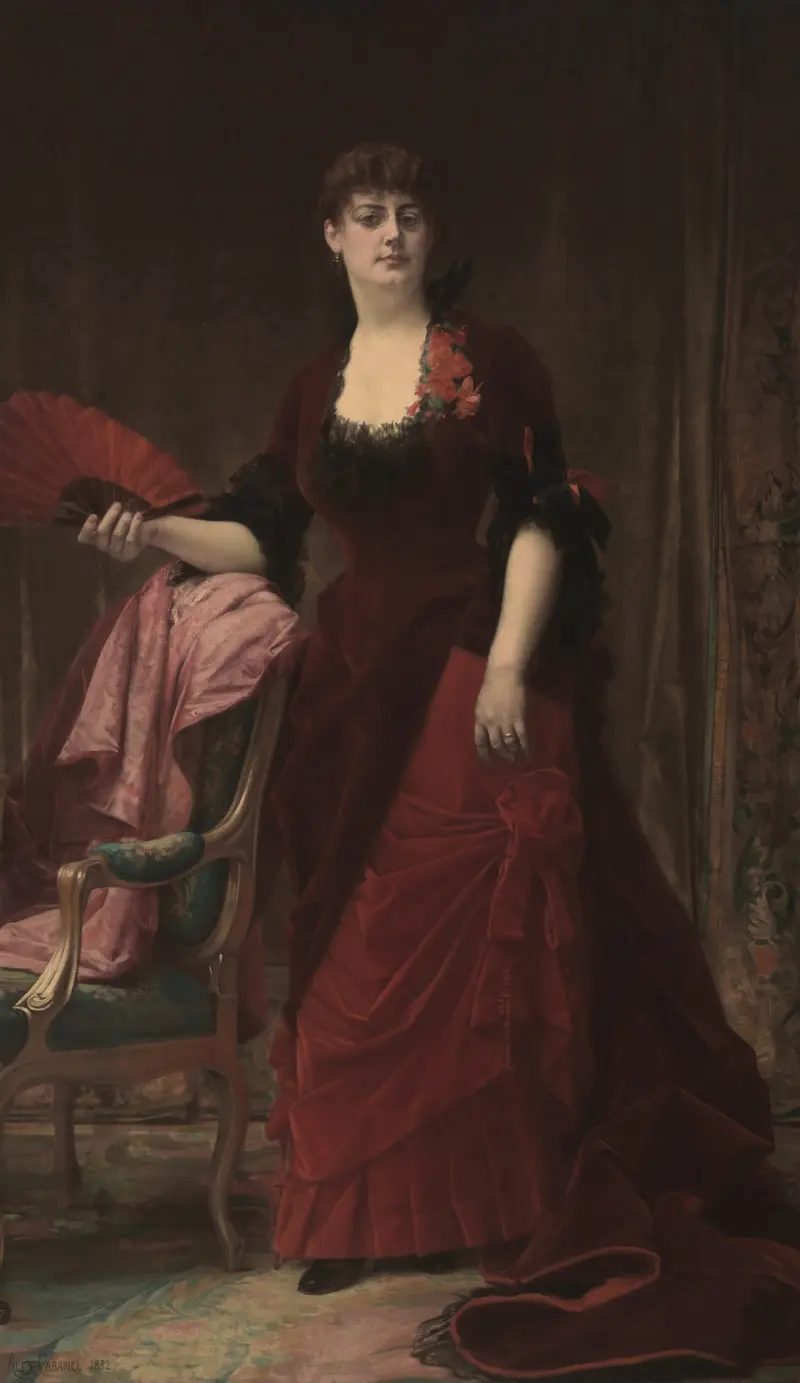
Portrait of Arabella Worsham (later Arabella Huntington)
Alexandre Cabanel
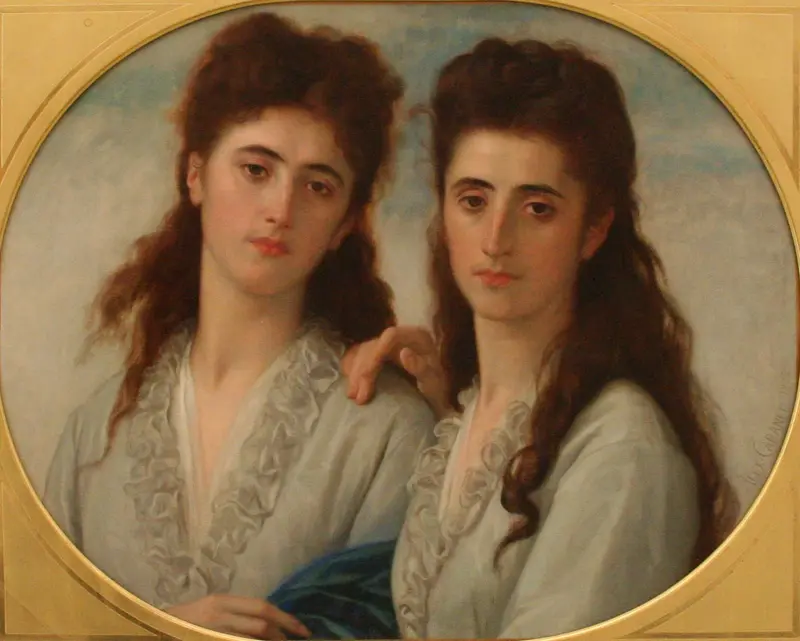
Portrait de mesdemoiselles Sophie et Berthe Cabanel
Alexandre Cabanel
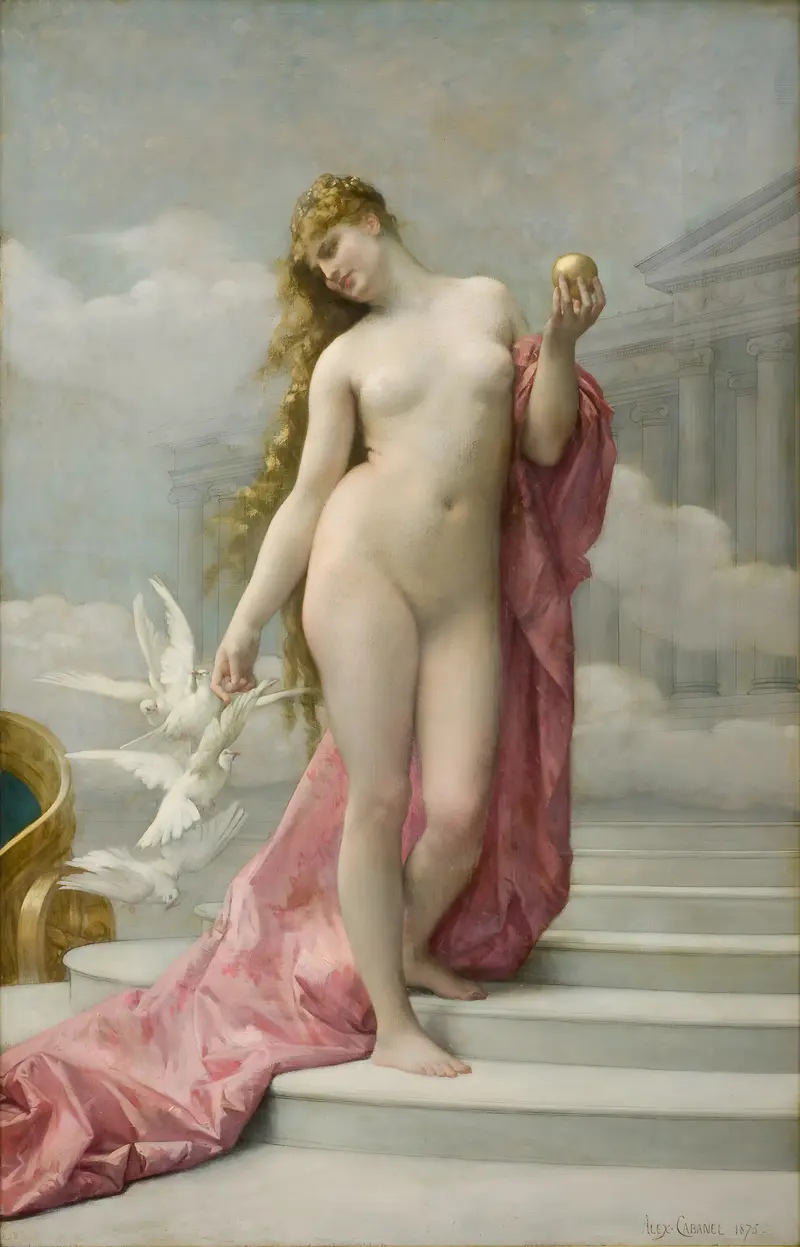
Vénus victorieuse
Alexandre Cabanel
Judith
Alexandre Cabanel
Catharine Lorillard Wolfe (1828–1887)
Alexandre Cabanel





