Forest Path — History & Facts
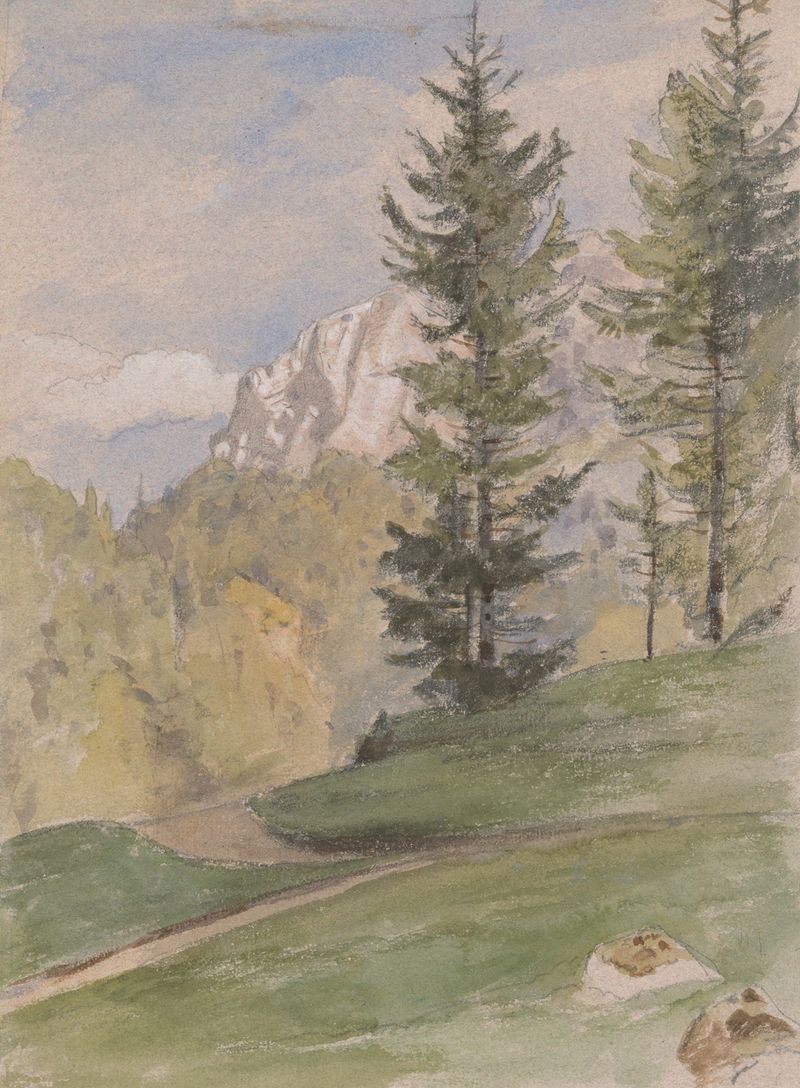
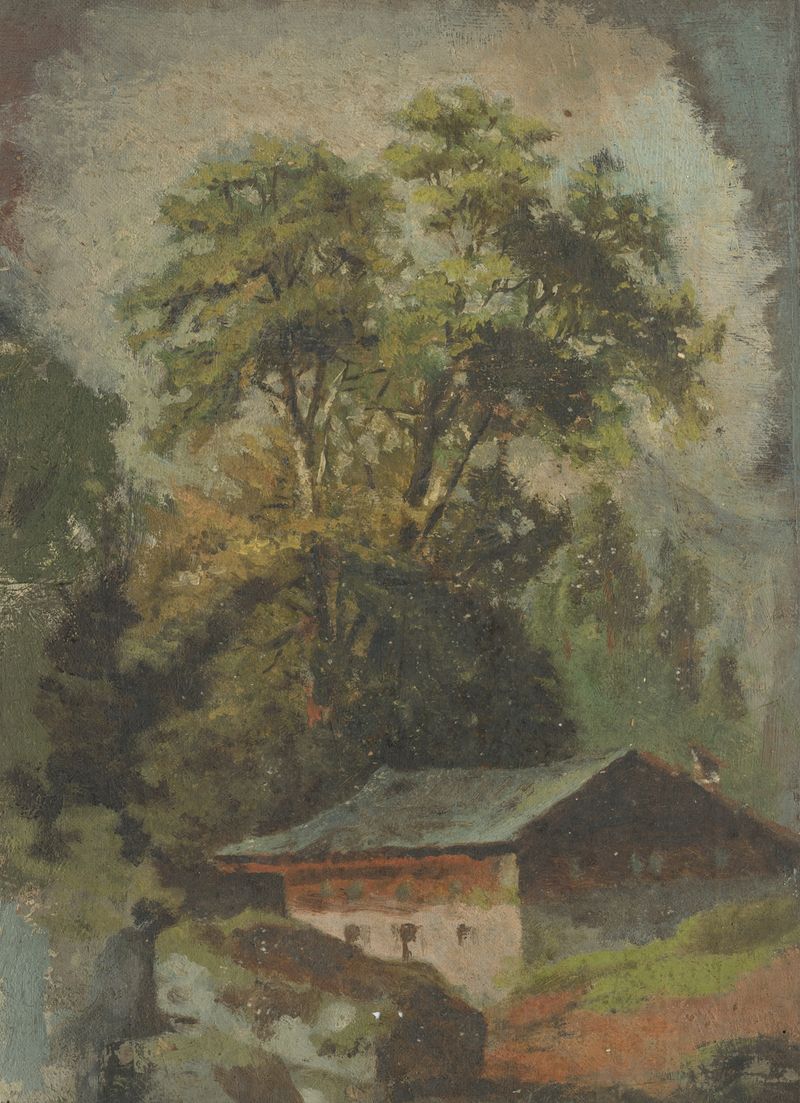
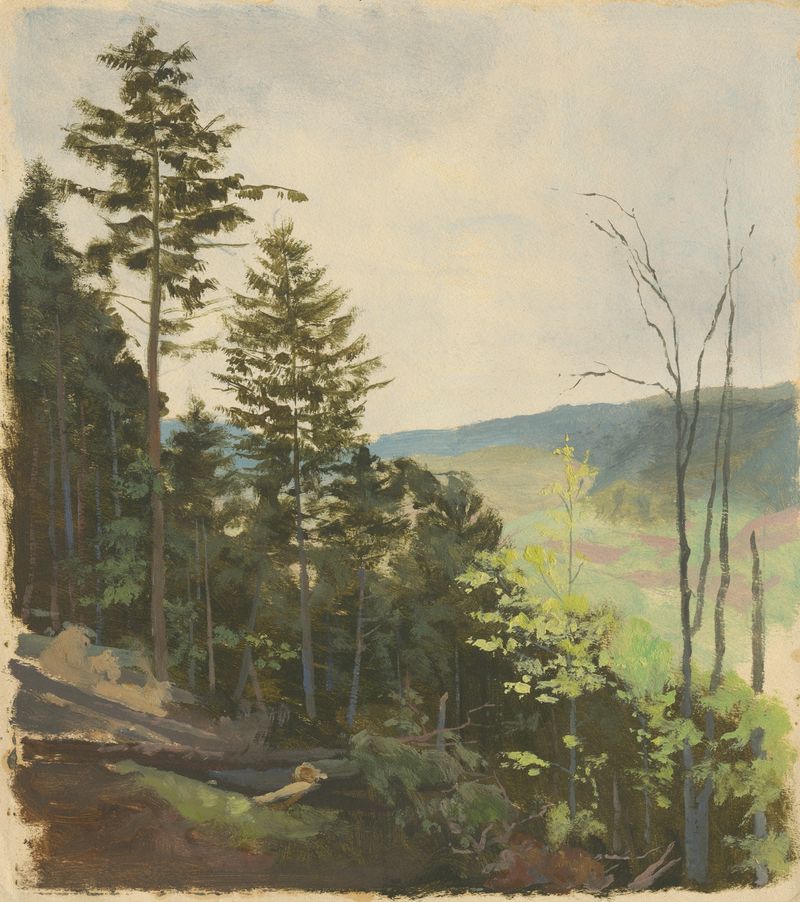
What secret hides in the quiet of the canvas? In the layers of green and the whispering shadows, lies a deeper story of rebirth and renewal. Look closely at the vibrant foliage that spills across the canvas, the brushstrokes alive with energy. Notice how the light threads through the trees, creating a dappling effect that leads the eye deeper into the forest path. The color palette of rich greens and earthy browns invites a sense of serenity, as if the air is thick with the scent of damp earth and fresh leaves.
The path itself, though narrow and winding, beckons the viewer to journey onwards, suggesting both an escape and a return to nature. Within this tranquil scene, contrasts emerge. The lush greenery symbolizes vitality and growth, while the winding path indicates a journey fraught with uncertainty. The interplay of light and shadow can evoke feelings of solitude, as the viewer contemplates the quiet moments of life between the vibrant bursts of nature.
Every detail, from the slight curve of the path to the gentle sway of the branches, embodies the tension between stillness and motion, hinting at the cycles of life and the potential for renewal. In 1850, Nowopacký painted this work during a time of transformation in the art world, as Romanticism was giving way to new ideas. Living in Europe, he was influenced by both the natural beauty surrounding him and the shifting paradigms of artistic expression. His focus on natural landscapes and their emotive qualities reflects a broader movement, seeking to capture the essence of the human experience in harmony with the environment.