Village House — History & Facts
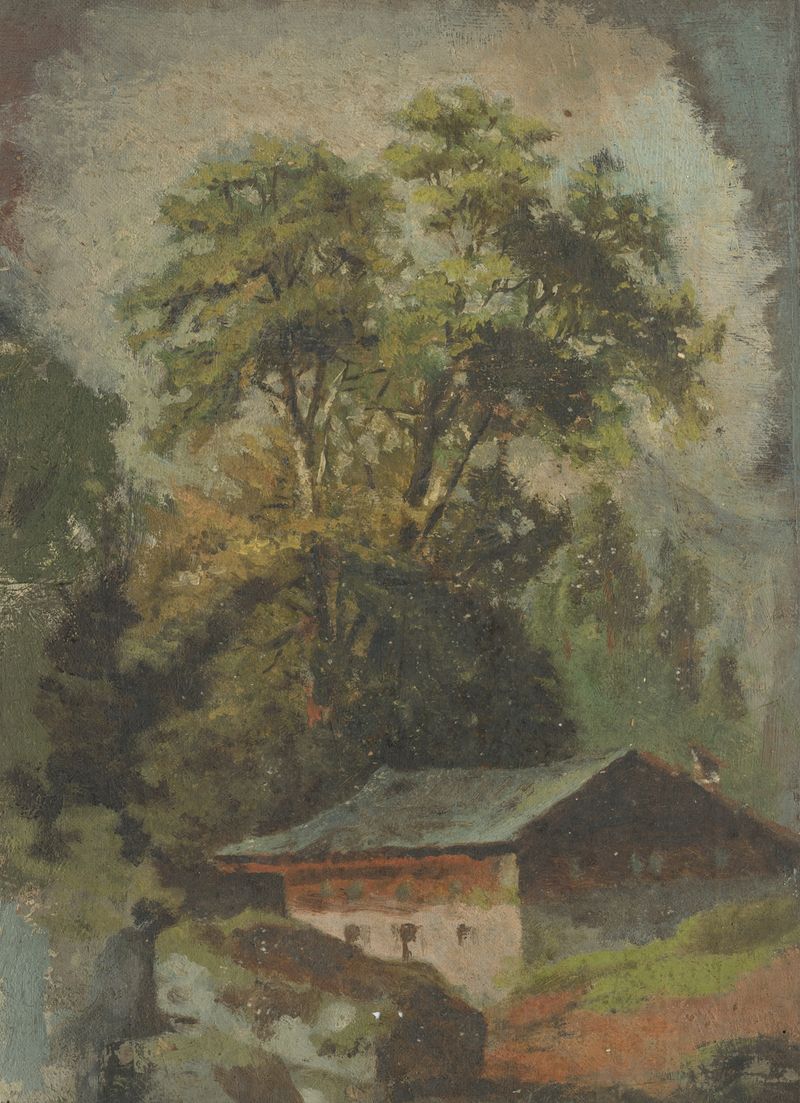
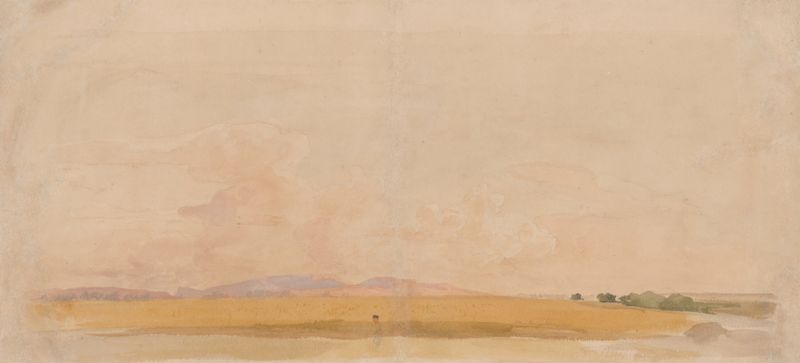
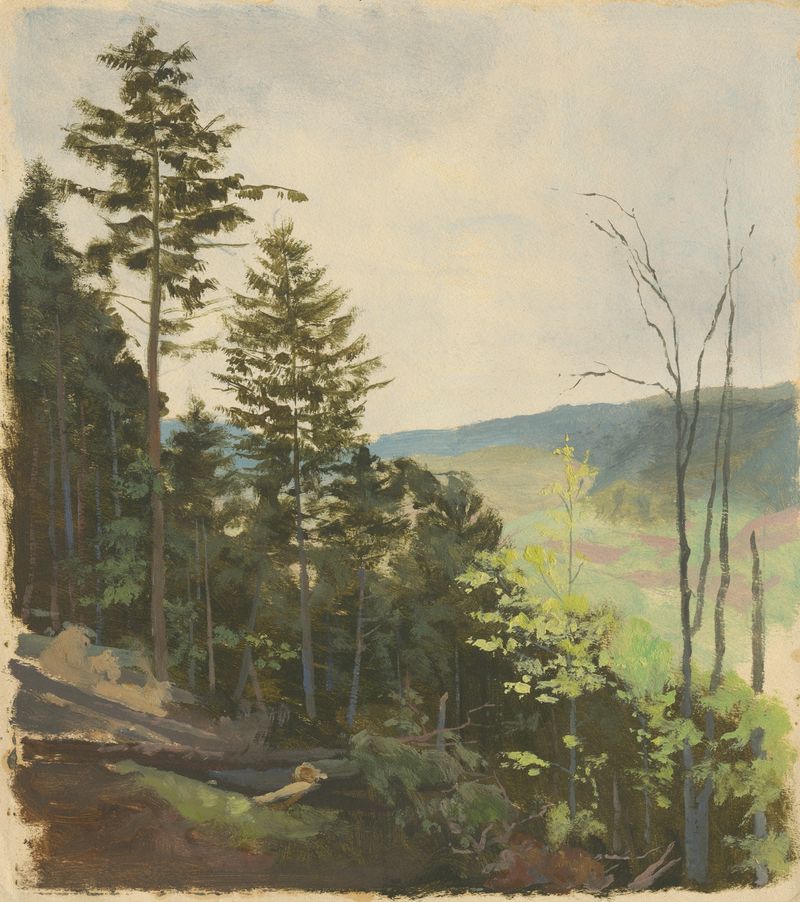
When did color learn to lie? The hues that blanket the landscape invite warmth, yet they whisper of solitude, echoing the ache of isolation. Look to the left at the quaint village house, its weathered façade rendered in soft, earthy tones. Notice how the light illuminates the roof, casting gentle shadows that elongate across the meadow like the fleeting moments of day. The artist’s delicate brushwork conveys a sense of tranquility, yet the sparse surroundings suggest a profound emptiness, as if the structure stands sentinel over an unvisited life. The contrast between the vibrant color of the landscape and the muted shadows speaks of a dichotomy: the vibrant life outside versus the stillness within.
The flowering plants nearby, bursting with color, hint at the vitality of nature, while the house, devoid of human presence, evokes a lingering sense of loneliness. Each detail—rustic window, closed door—carries the weight of stories untold, inviting the viewer to ponder the lives that may have flourished or faded here. In 1860, Jan Nowopacký created this piece during a time when the Romantic movement was in full swing, focusing on emotion and the human experience. Living in Central Europe, he was surrounded by a shifting artistic landscape, where the focus on realism was beginning to take hold.
This work reflects a moment of personal introspection amidst broader societal changes, capturing a stillness that resonates deeply with the viewer.