Fork in the Road — History & Facts
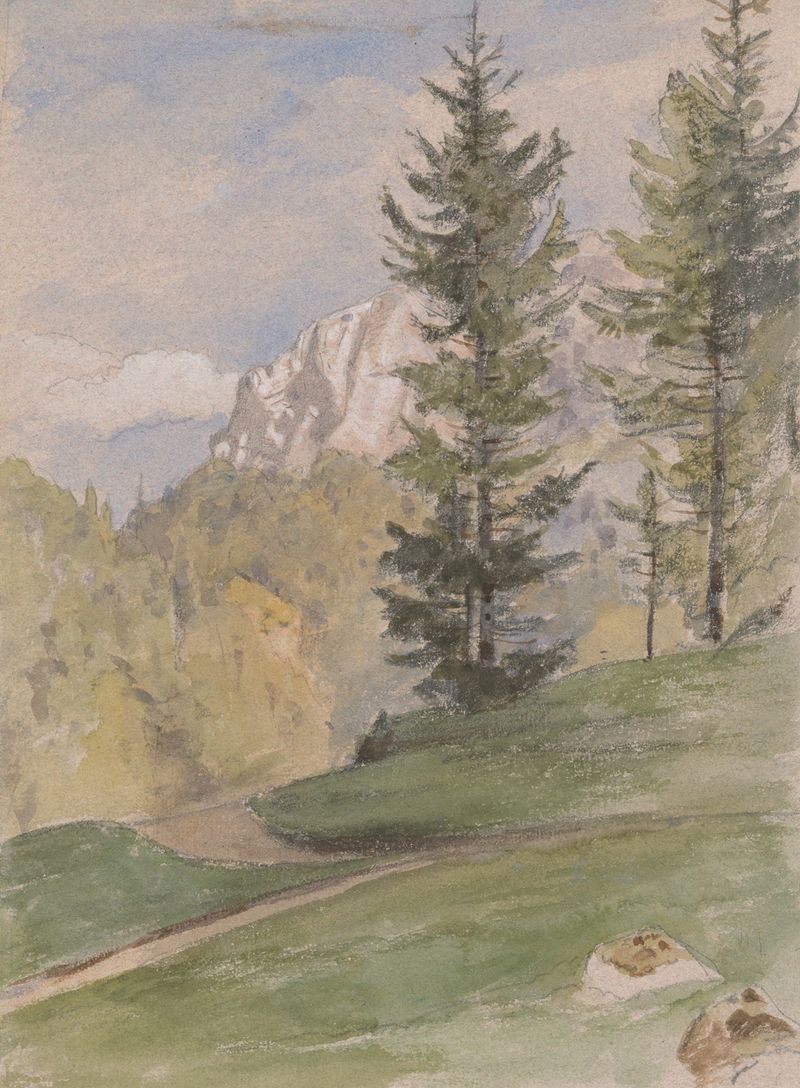
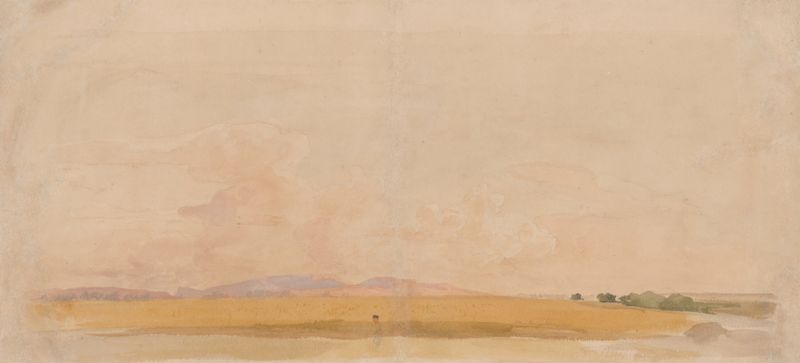
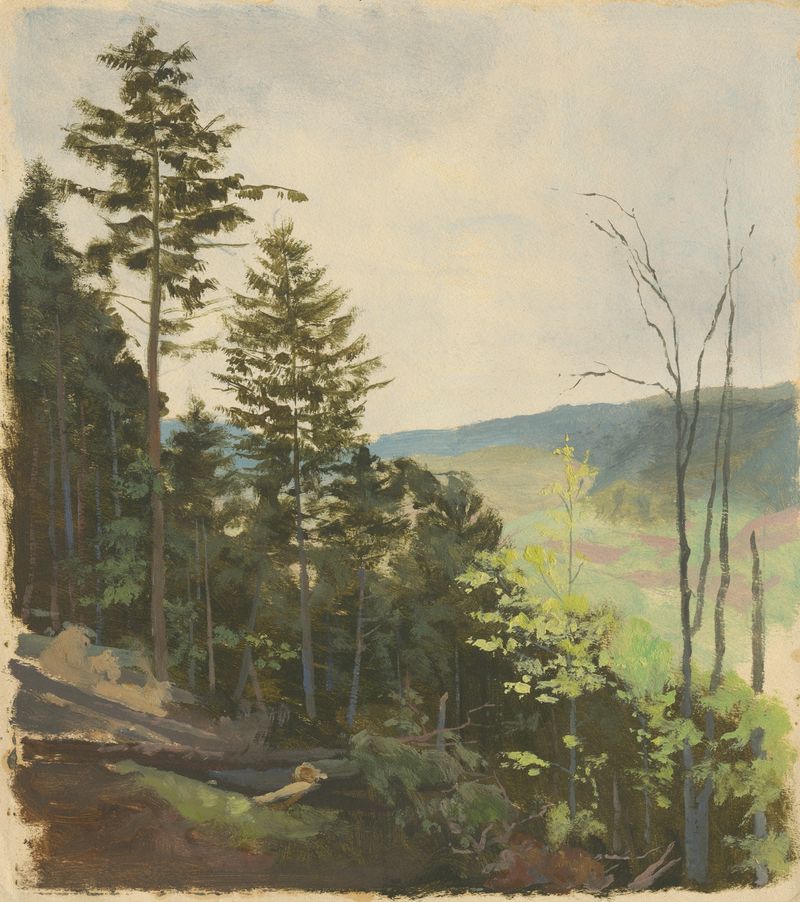
Could a single brushstroke hold eternity? Betrayal lingers in the air, suspended between the lush foliage and the worn path that diverges into uncertainty. Focus first on the two distinct paths emerging from the center of the canvas. Each trail, painted with a differing palette, invites a journey yet warns of choices made. The left, bathed in warm sunlight, evokes a sense of comfort and familiarity, while the right, shrouded in shadow, hints at danger and the unknown.
The intentional brushwork conveys movement and texture, drawing the eye to the fork as if it were a pivotal moment in time — a decision waiting to be made. Deeper still, the juxtaposition of light and dark represents the duality of human nature. The vibrant greens suggest vitality and hope, whereas the encroaching shadows whisper of treachery and regret. Tiny details, like the almost imperceptible footprints leading towards the darker path, suggest that betrayal is not just looming but has perhaps already occurred.
In this tension, the viewer can almost feel the weight of anticipation and the anxiety of choices yet to come. Jan Nowopacký created this piece in 1850 amidst a Europe grappling with both industrialization and shifting artistic movements. Living in a time when Romanticism was giving way to Realism, he sought to capture the human experience within nature. This painting reflects not only his artistic evolution but also the broader existential questions of his time, embodying the struggle between light and darkness, hope and betrayal.