
Franciscan brother — History & Facts
When Franciscan brother appeared in the early 1300s, it marked a quiet revolution in European art. For the first time, a humble friar—anonymous, not a saint or bishop—was shown with the dignity and presence usually reserved for the holy or the noble. This was the hand of Giotto di Bondone, whose innovations in portraying ordinary people with psychological depth would change painting forever.
The work’s authorship has never been seriously doubted, but its original location and purpose remain a puzzle; some scholars suggest it may have been part of a now-lost fresco cycle in Florence, while others believe it was a devotional panel for a Franciscan convent. The painting captures a moment of silent devotion. The friar stands in profile, his rough brown habit rendered with an attention to weight and texture that signals both poverty and humility. His hands are folded in prayer, the fingers elongated and expressive—a motif Giotto often used to convey inner life.
The background is a simple gold leaf, a nod to Byzantine tradition, but the modeling of the face and the subtle shadow beneath the cowl are entirely new, hinting at the friar’s individuality and the reality of his world. Unlike the hieratic saints of earlier icons, this figure is grounded, his gaze lowered in contemplation. Compared to Cimabue’s more stylized Franciscan figures, Giotto’s brother seems almost tangible, a real man caught in a moment of spiritual reflection. Little is known of the painting’s early history, and the medium itself remains uncertain—panel or fresco, tempera or mixed technique.
What is clear is that Franciscan brother belongs to the period when Giotto was redefining religious art in Italy, moving away from abstraction toward observation and empathy. The painting’s survival is remarkable, given the fragility of works from this era and the upheavals of Italian history. Today, it stands as a rare testament to the artist’s vision: a bridge between the medieval world and the beginnings of the Renaissance, where even the most modest believer could be seen with compassion and truth.
More Artworks by Giotto di Bondone
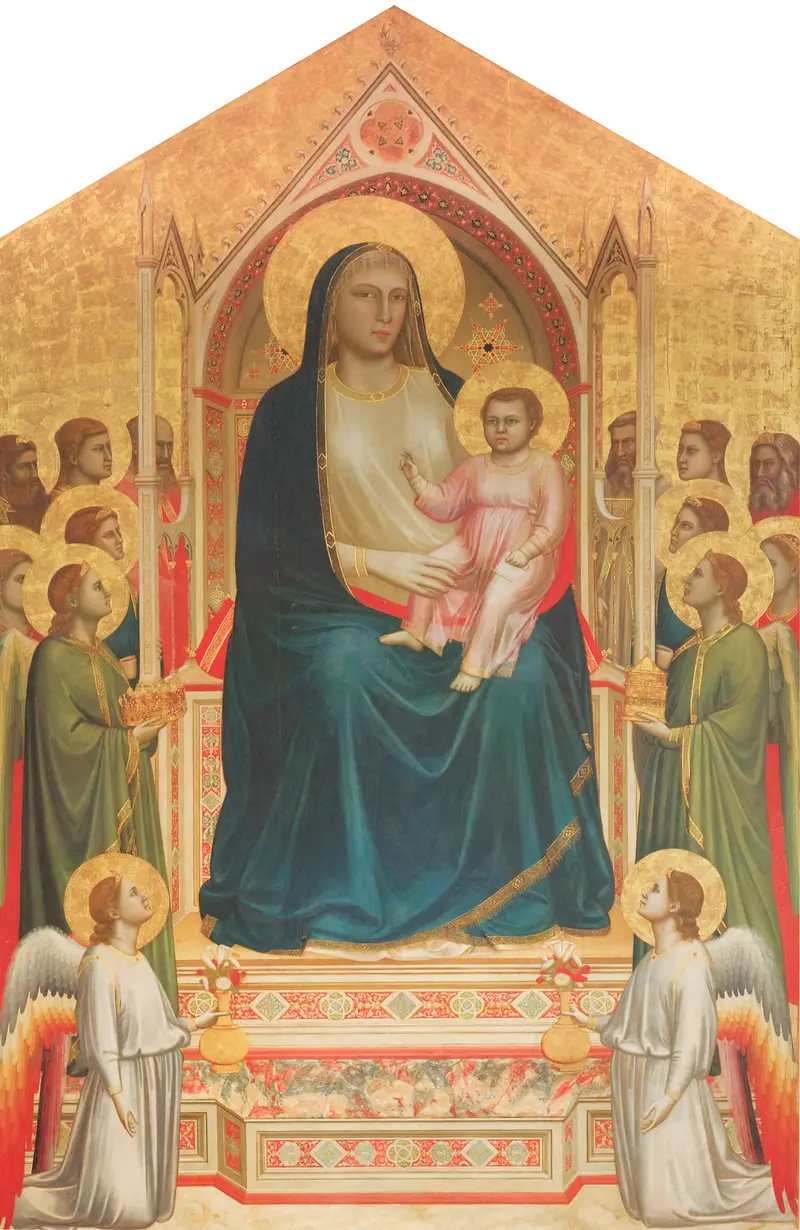
Ognissanti Madonna
Giotto di Bondone
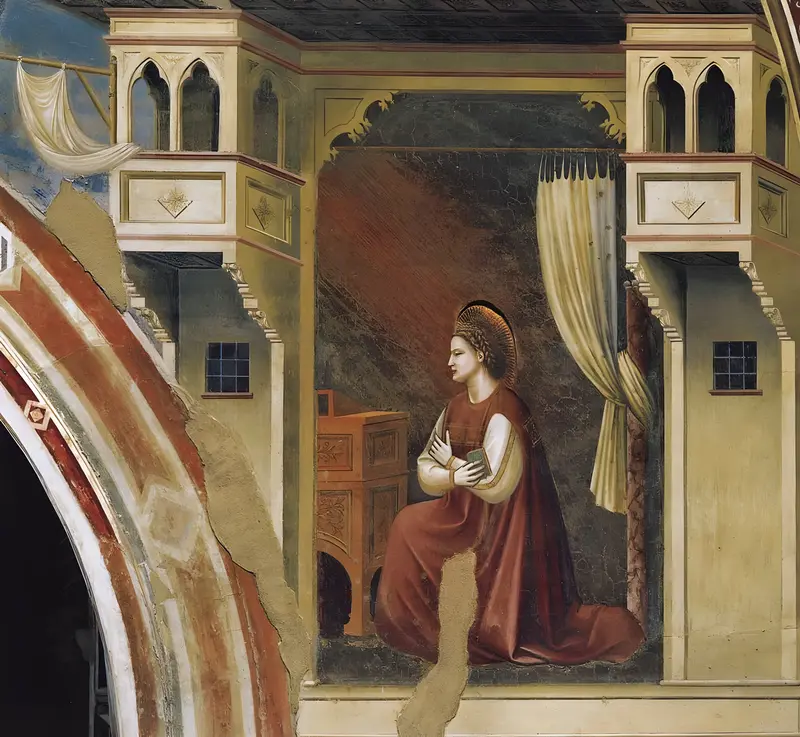
The Virgin of the Annunciation
Giotto di Bondone
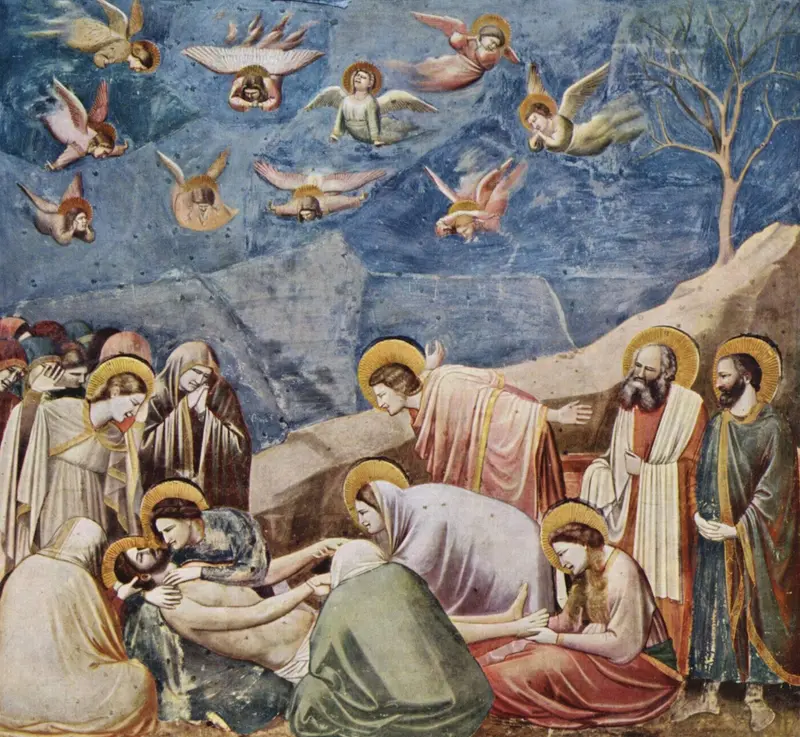
Lamentation (The Mourning of Christ)
Giotto di Bondone
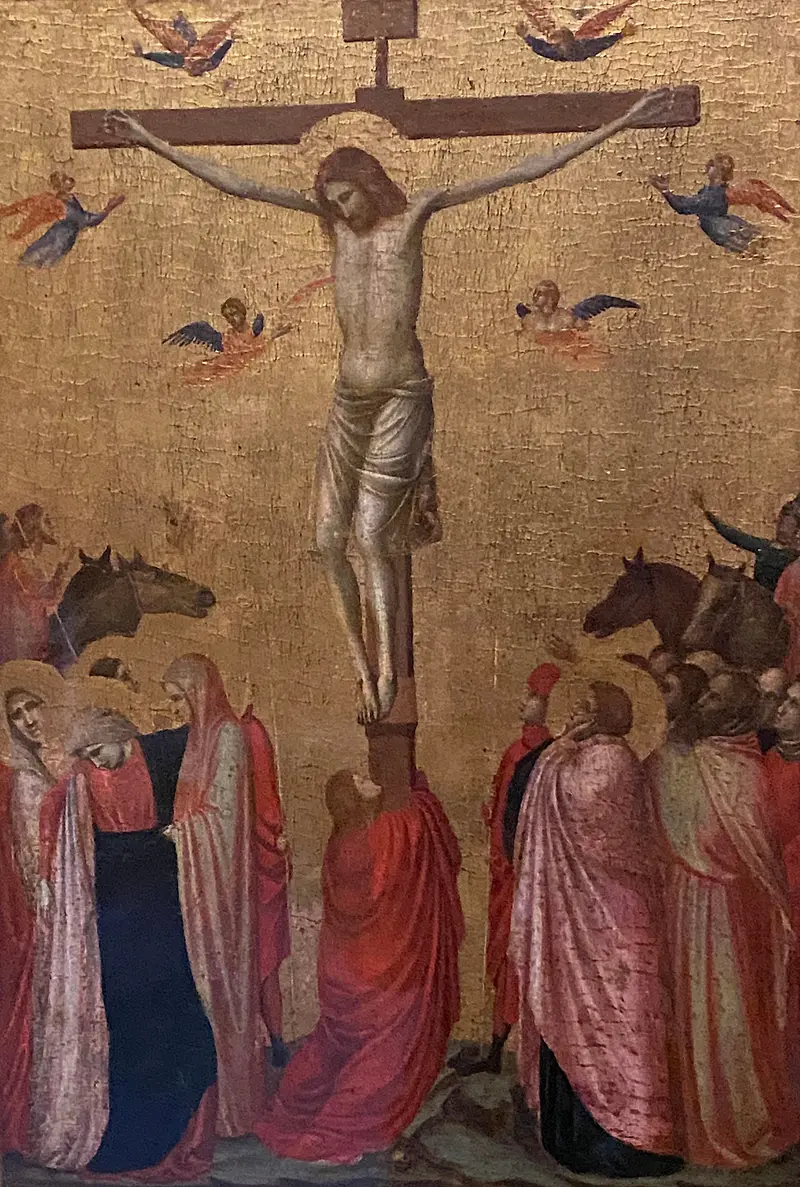
Crucifixion of Strasbourg
Giotto di Bondone
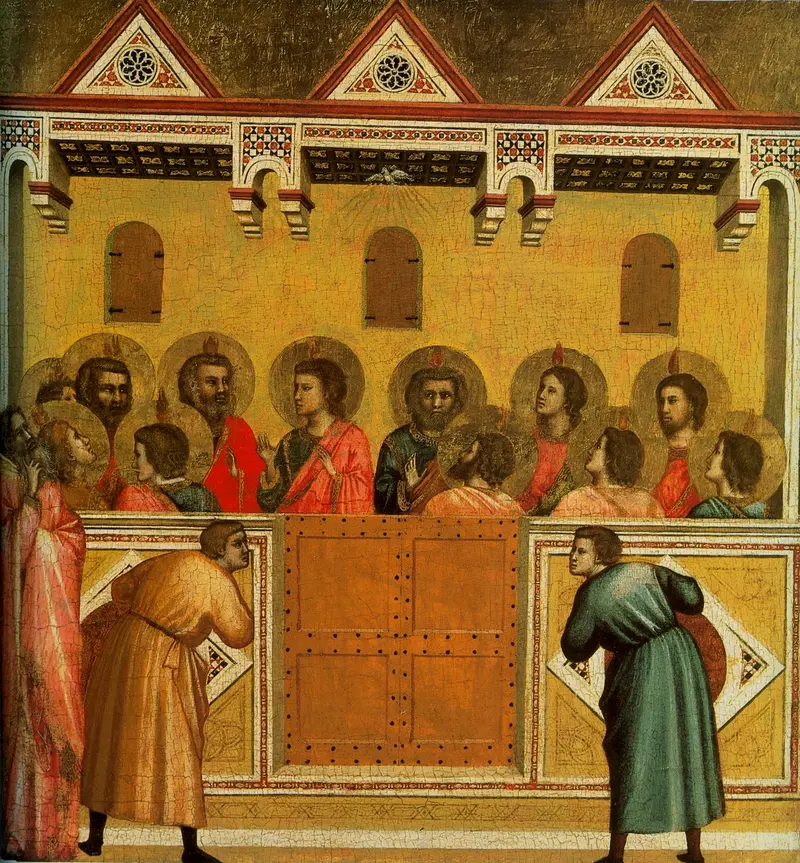
Pentecost
Giotto di Bondone
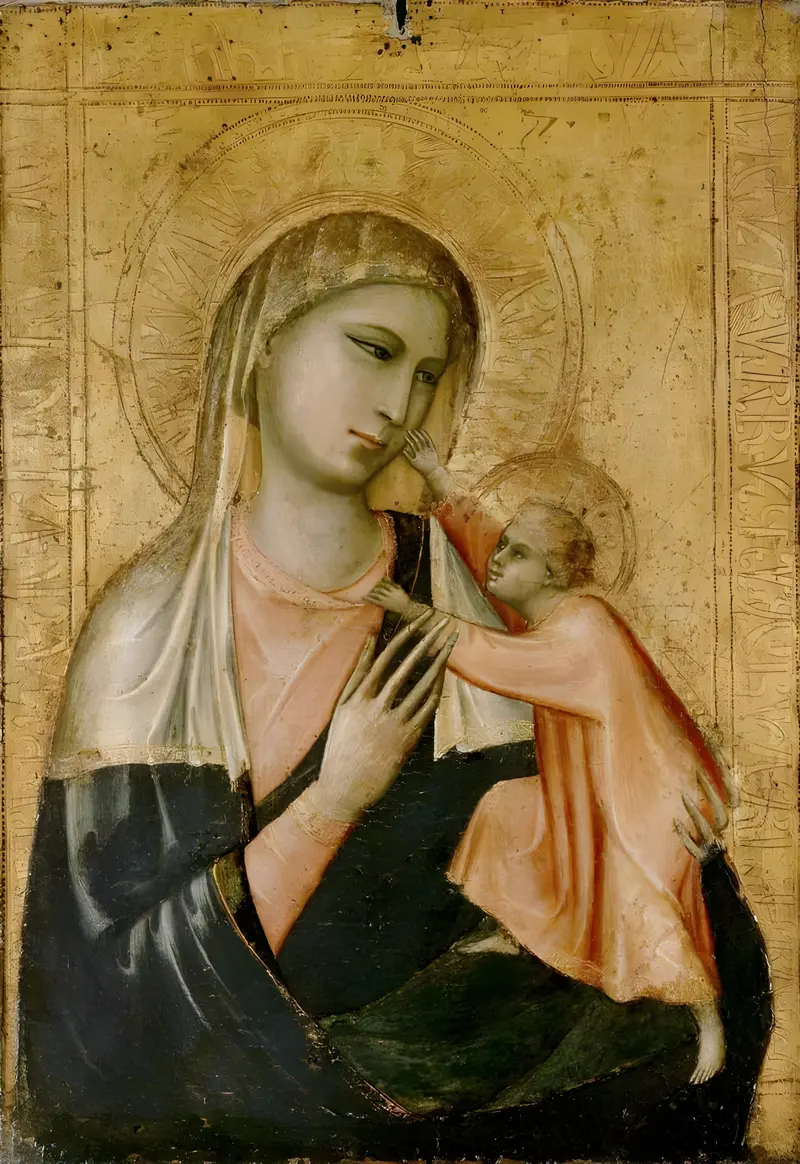
The Virgin and Child
Giotto di Bondone
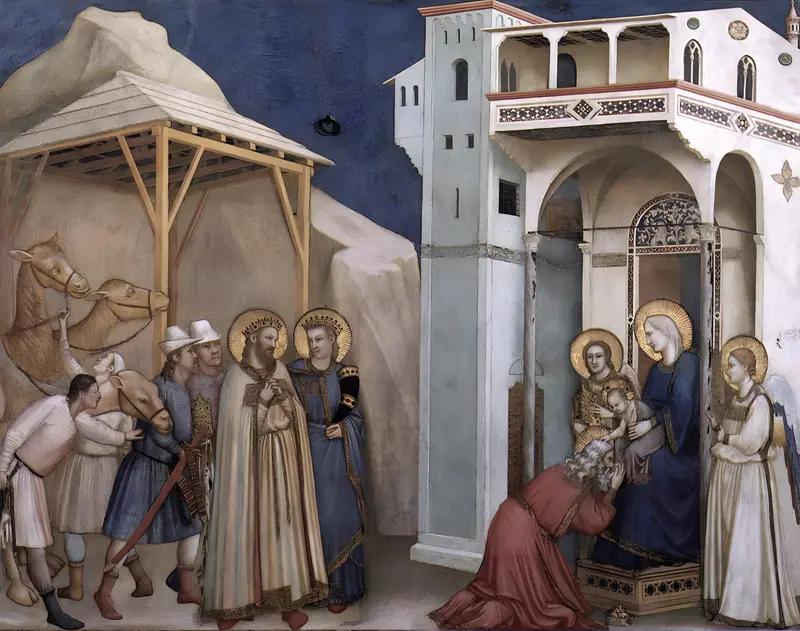
Anbetung der Könige
Giotto di Bondone
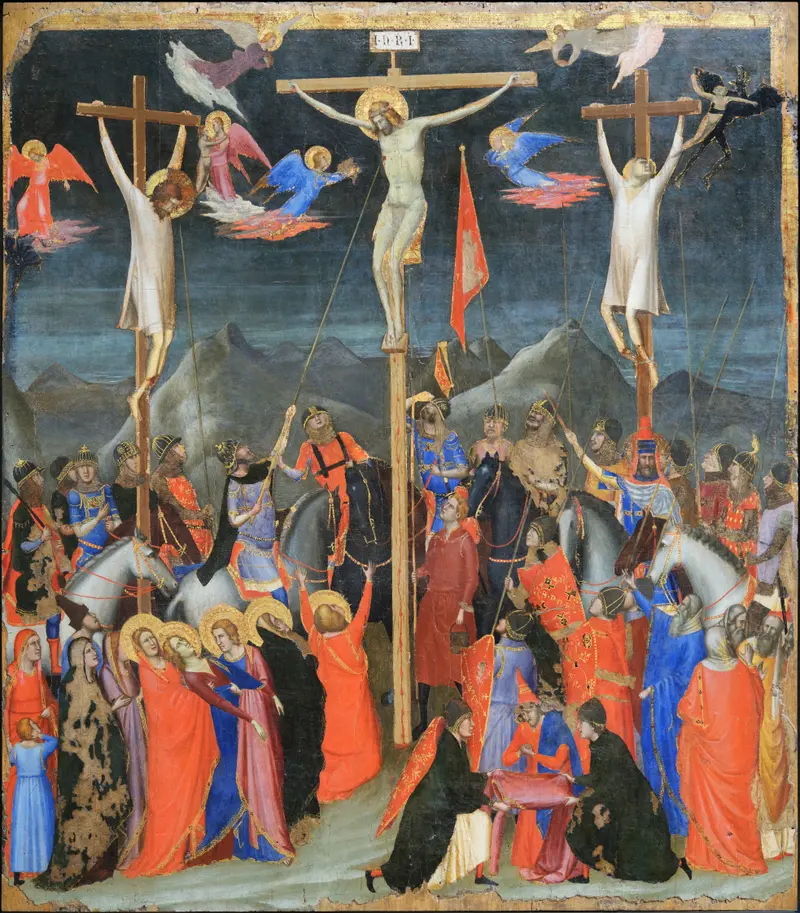
Crucifixion
Giotto di Bondone
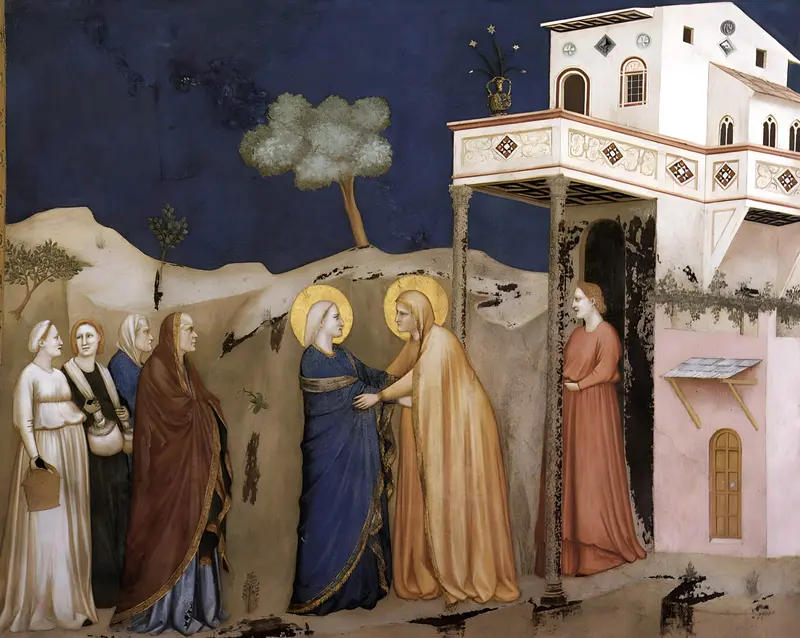
The Visitation
Giotto di Bondone
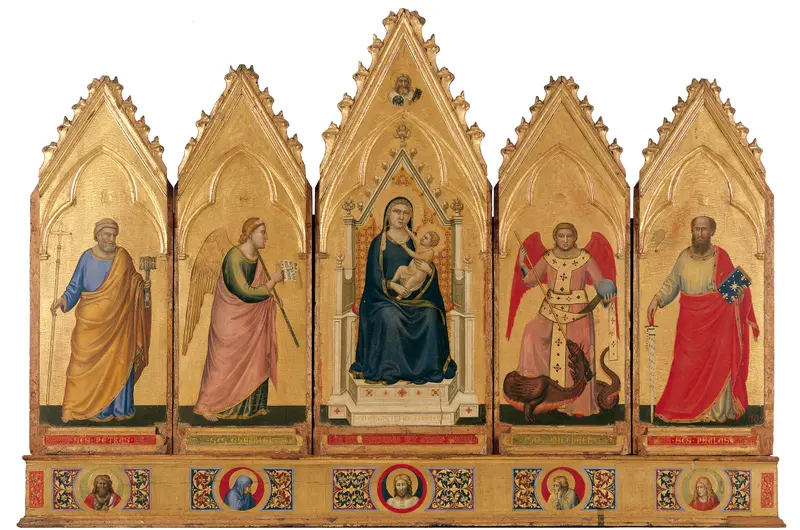
Bologna Polyptych
Giotto di Bondone





