
Fray Diego de Deza y Tavera arzobispo de Sevilla — History & Facts
When Francisco de Zurbarán painted Fray Diego de Deza y Tavera arzobispo de Sevilla in 1631, he was answering a call from one of Seville’s most influential religious families. The Tavera lineage, with deep ties to the Church and the Spanish crown, commissioned this portrait to commemorate their ancestor’s elevation to Archbishop—a post he held from 1504 until his death in 1523. The painting stands as a rare testament to the enduring power of family memory in 17th-century Spain, where such images were intended not only for private devotion but also as public affirmations of lineage and status. Zurbarán chooses a moment of quiet dignity: the archbishop, robed in white and gold, sits with a gaze both stern and contemplative.
His right hand rests on a closed book, a symbol of theological authority, while the crozier and mitre nearby mark his episcopal office. The cool, focused light isolates Fray Diego against a dark background, a device Zurbarán often used to heighten the sense of spiritual gravity—unlike El Greco’s more turbulent, elongated portraits of churchmen, Zurbarán’s approach is sober and direct. Every fold of fabric and glint of gold is rendered with almost monastic discipline, inviting the viewer to consider not only the man but the weight of his office. The painting’s early history is not fully documented, but it likely remained in the Tavera family’s possession for generations, perhaps displayed in a private chapel or family palace in Seville.
Over time, as interest in Zurbarán’s work revived in the 19th and 20th centuries, the painting entered public collections, recognized as a prime example of Spanish Baroque portraiture. Today, it hangs in the Museo del Prado, where it stands as a testament to Zurbarán’s ability to unite psychological insight with a reverence for ecclesiastical tradition, marking a high point in his career as a portraitist of Spain’s religious elite.
More Artworks by Francisco de Zurbarán
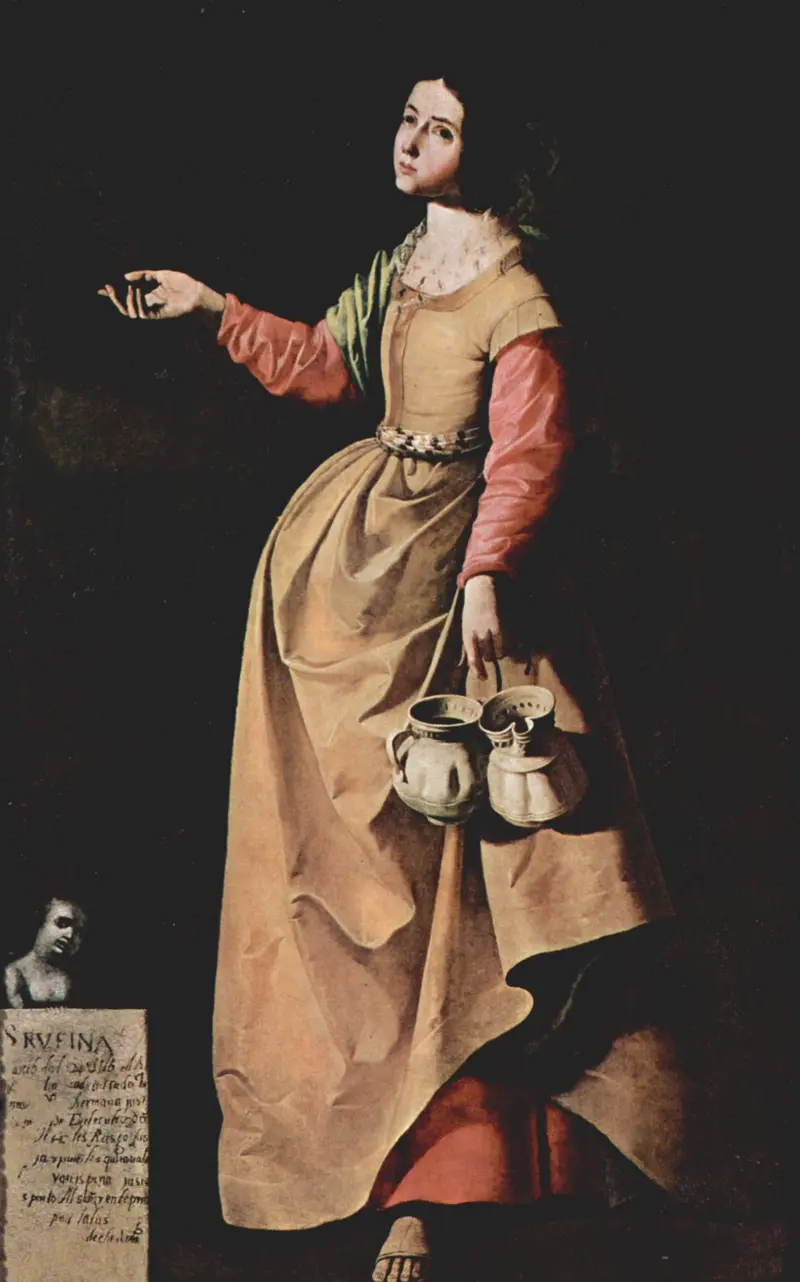
Saint Rufina
Francisco de Zurbarán
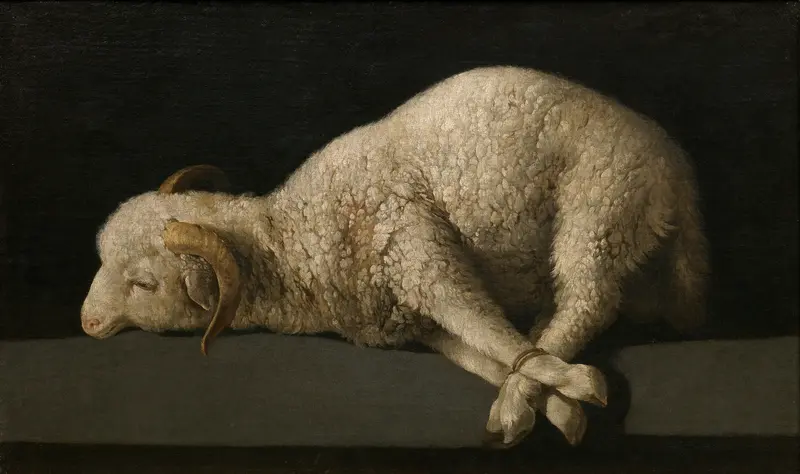
Agnus Dei
Francisco de Zurbarán
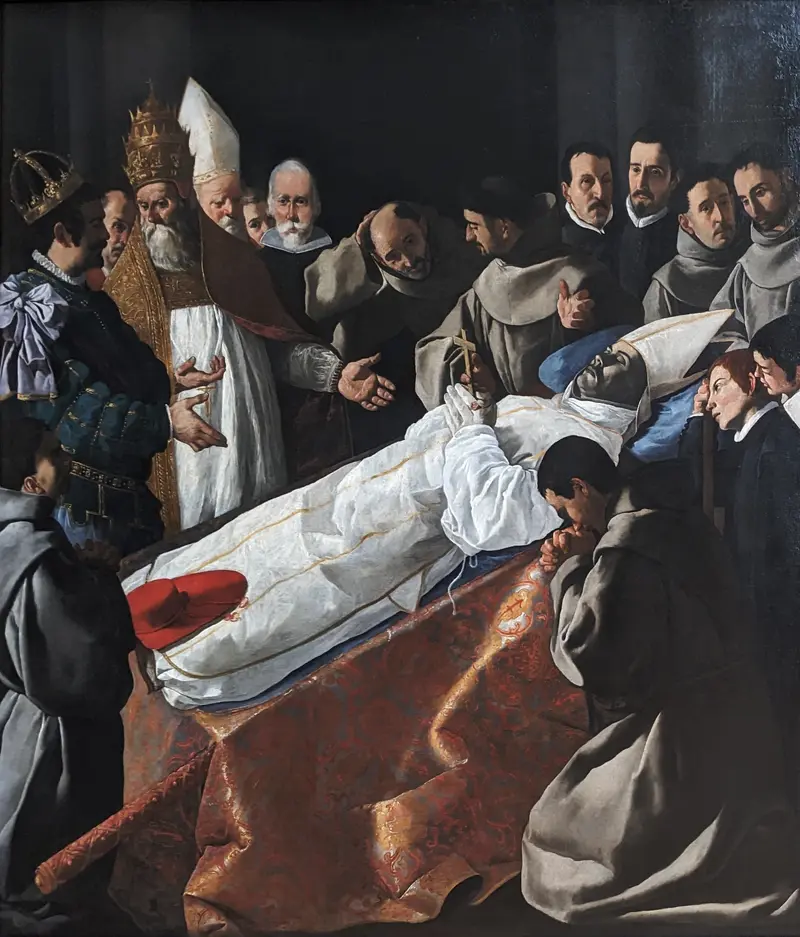
Saint Bonaventure's Body Lying in State
Francisco de Zurbarán
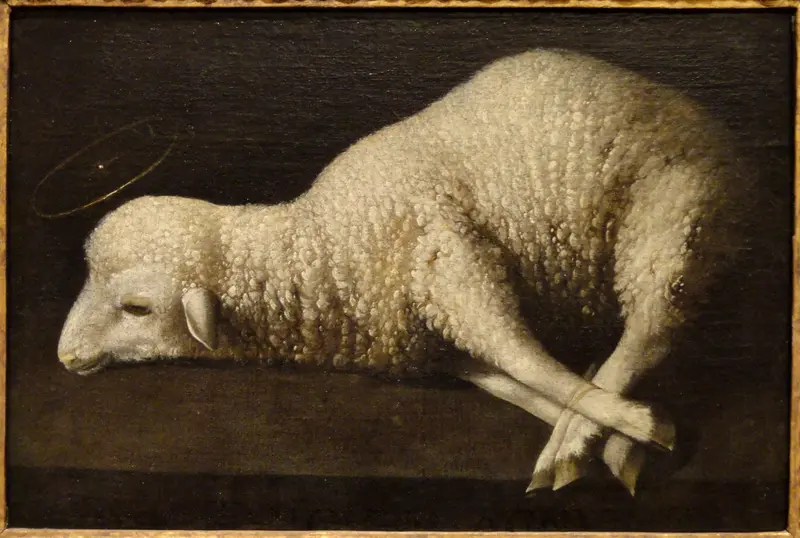
The Lamb of God
Francisco de Zurbarán

Adoration of the Magi
Francisco de Zurbarán
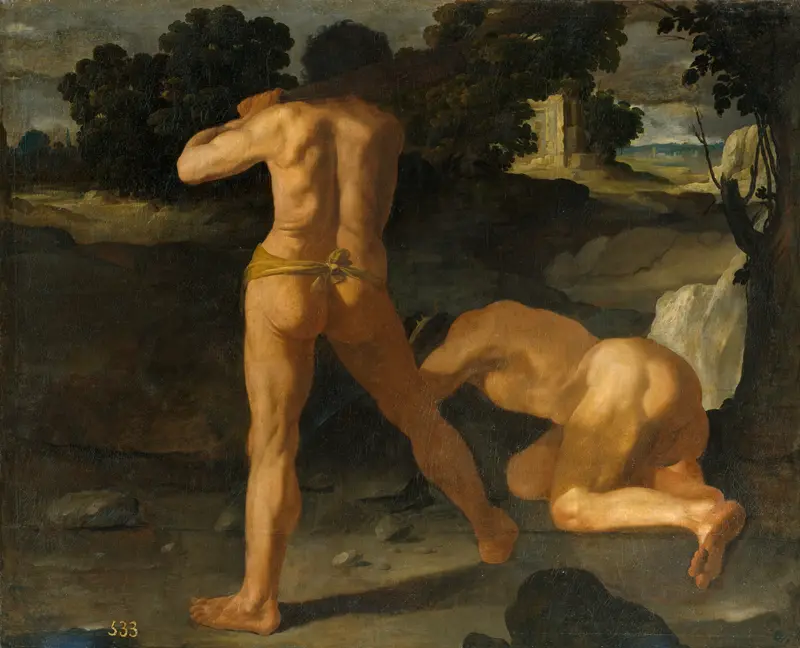
Hercules defeats King Geryon
Francisco de Zurbarán
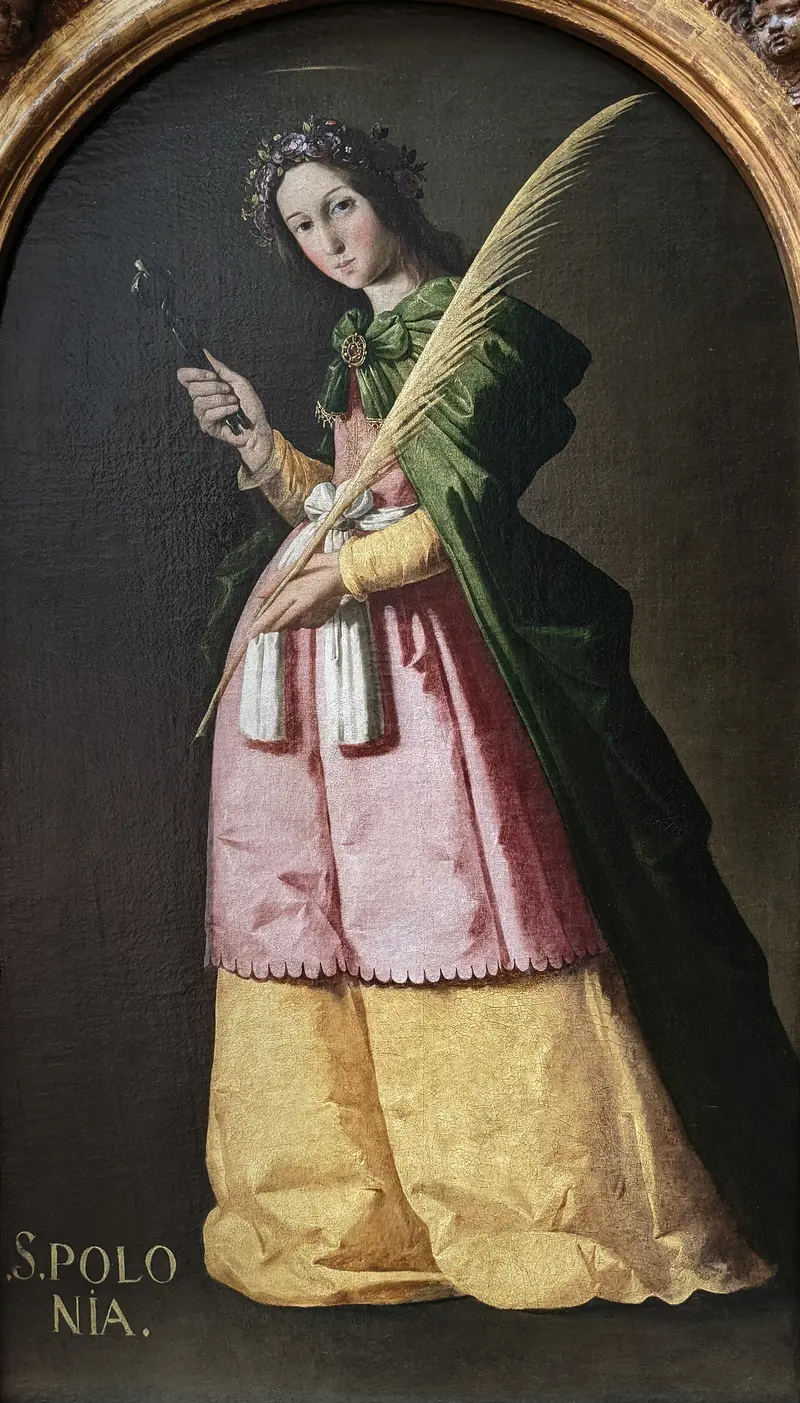
Saint Apollonia
Francisco de Zurbarán
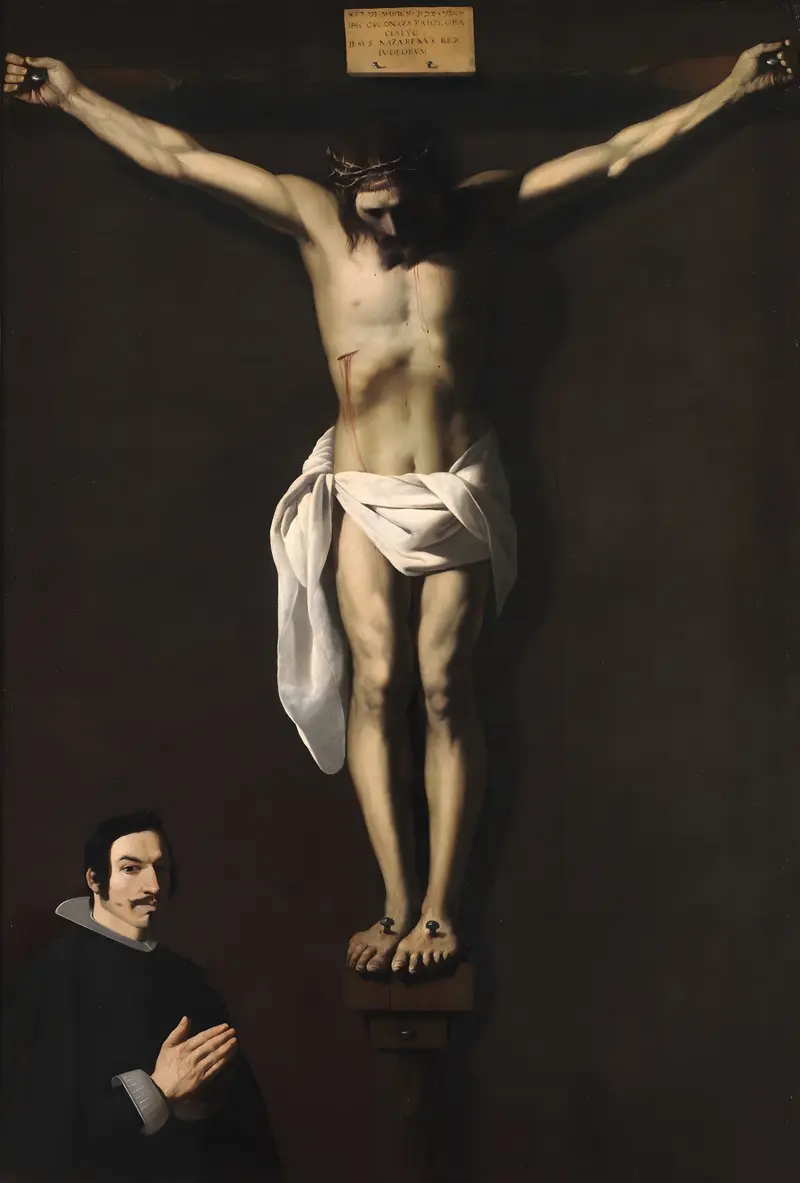
The Crucified Christ with a Donor
Francisco de Zurbarán
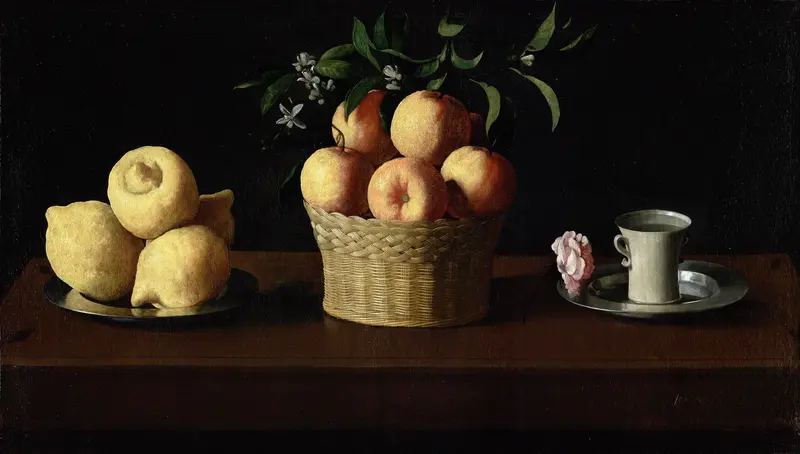
Still Life with Lemons, Oranges and a Rose
Francisco de Zurbarán
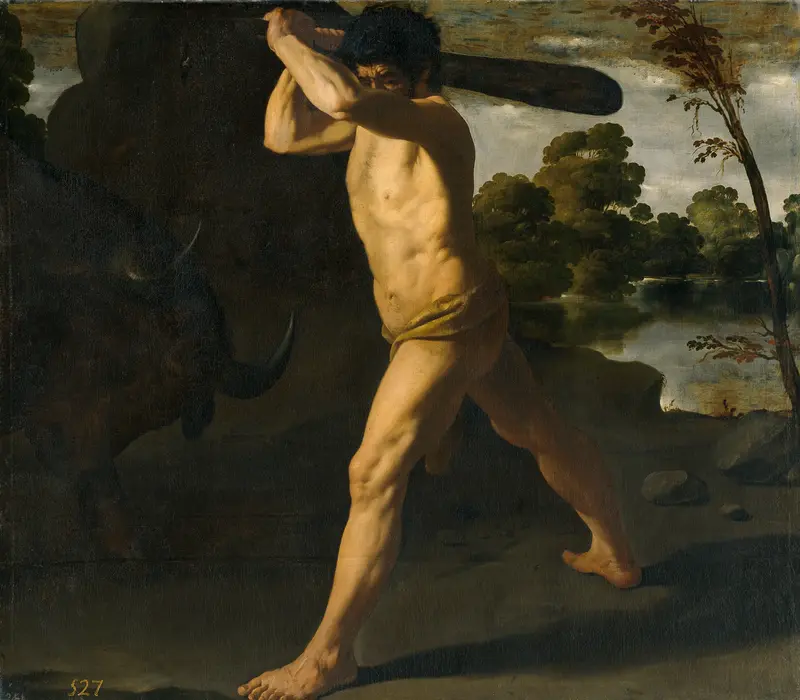
Hercules and the Cretan Bull
Francisco de Zurbarán





