Frühjahr — History & Facts
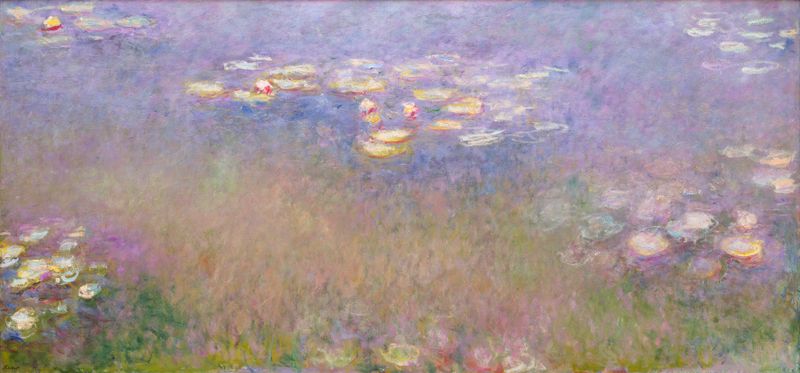
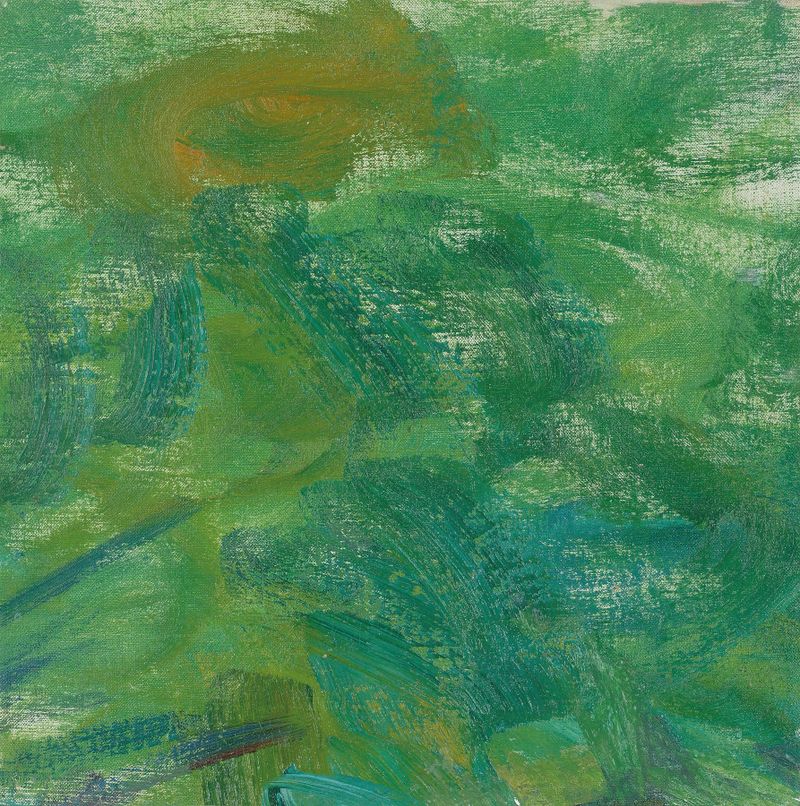
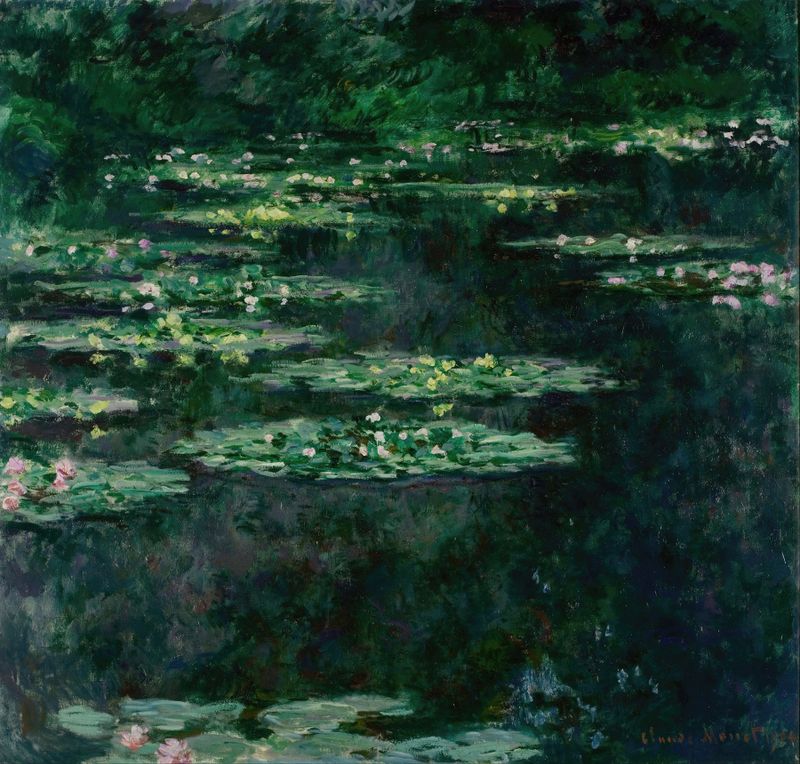
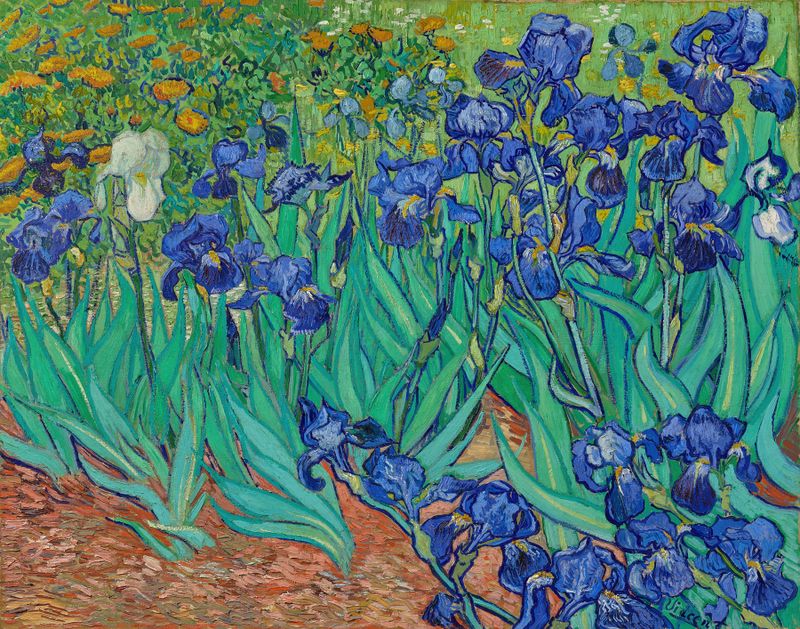
When did color learn to lie? In Frühjahr, the world unfurls in a vibrant symphony of hues, tantalizing the senses with its divine allure. The radiant greens and soft pastels evoke an awakening, an invitation to witness the blossoming of nature that feels almost sacred. Each stroke hints at a deeper connection, where color dances between truth and illusion, tempting us to ponder the nature of perception itself. Focus on the luminous greens that envelop the canvas, radiating an almost ethereal quality.
Notice how the light cascades across the landscape, illuminating the delicate petals of spring blossoms and casting gentle shadows that add depth to the scene. The composition strikes a harmonious balance, drawing your gaze towards the horizon where earth meets sky, inviting contemplation of the infinite. The artist employs a palette that vibrates with life, blending soft shades to suggest warmth and renewal, while maintaining a rich texture that breathes vitality into every corner. Beneath the surface, this work speaks to the tension between the transient beauty of spring and the permanence of nature’s cycles.
The juxtaposition of vibrant life against a backdrop of stillness raises questions about the fleeting moments we cherish. It subtly hints at the divine, suggesting that in the ephemeral, one can glimpse the eternal, as if the season itself has been touched by something otherworldly. Created in 1900, Frühjahr reflects Akseli Gallen-Kallela’s exploration of Finnish identity and nature within the context of a burgeoning national consciousness. At this time, the artist was deeply engaged with symbolist ideals, drawing inspiration from folklore and mythology, while simultaneously responding to the changing landscape of European art.
His works, marked by innovative color and emotional resonance, were pivotal in shaping the narrative of Finnish art during this period.
More Artworks by Akseli Gallen-Kallela
Browse all →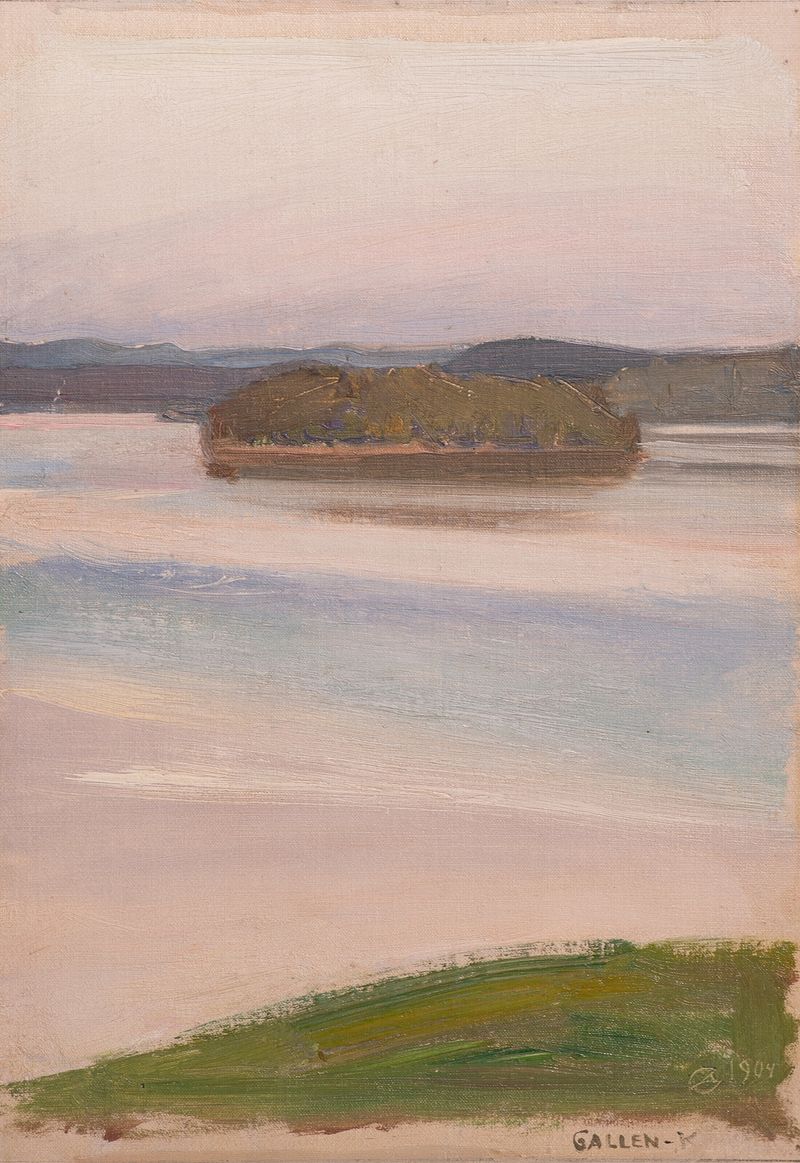
Lake Keitele
Akseli Gallen-Kallela
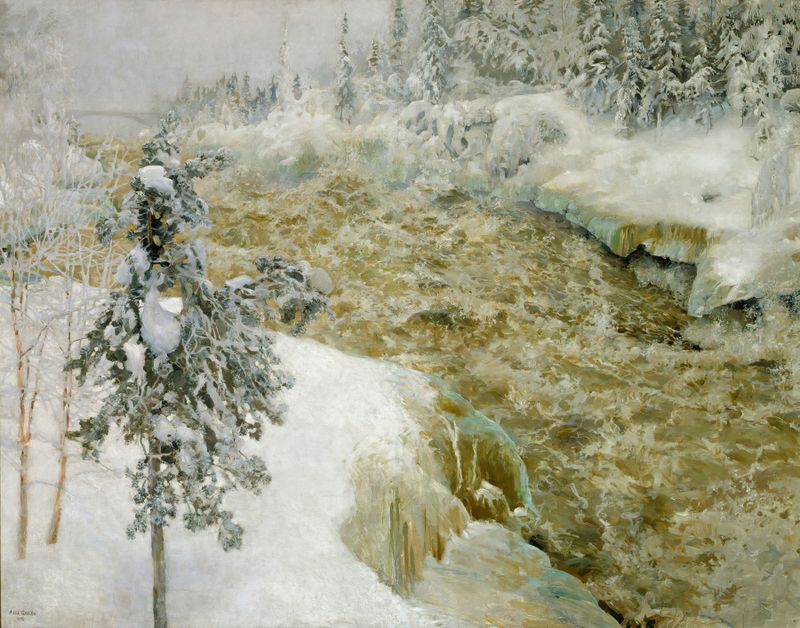
Imatra Falls in Snow ; Imatra in Winter
Akseli Gallen-Kallela
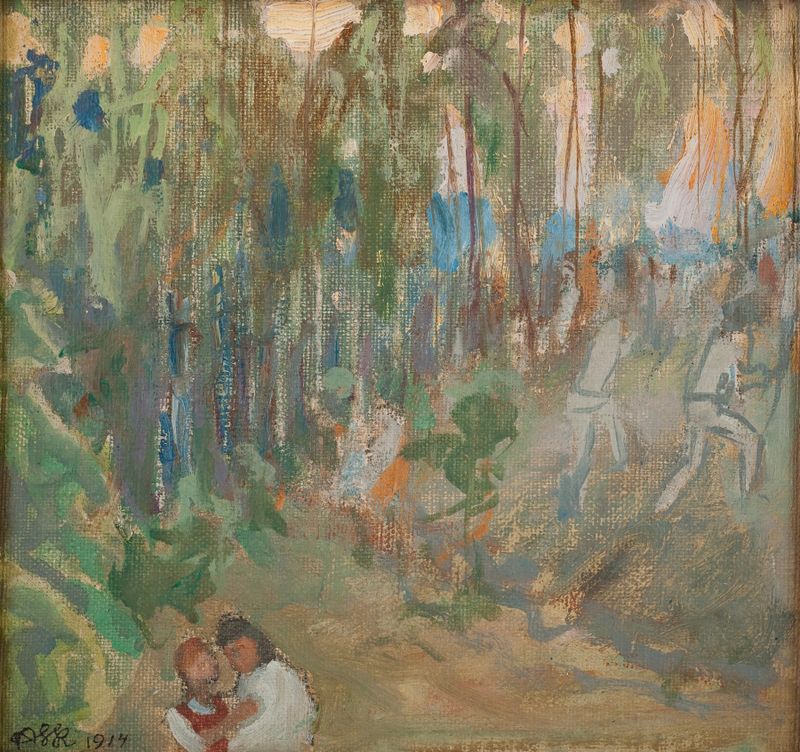
Vainovalkeat
Akseli Gallen-Kallela
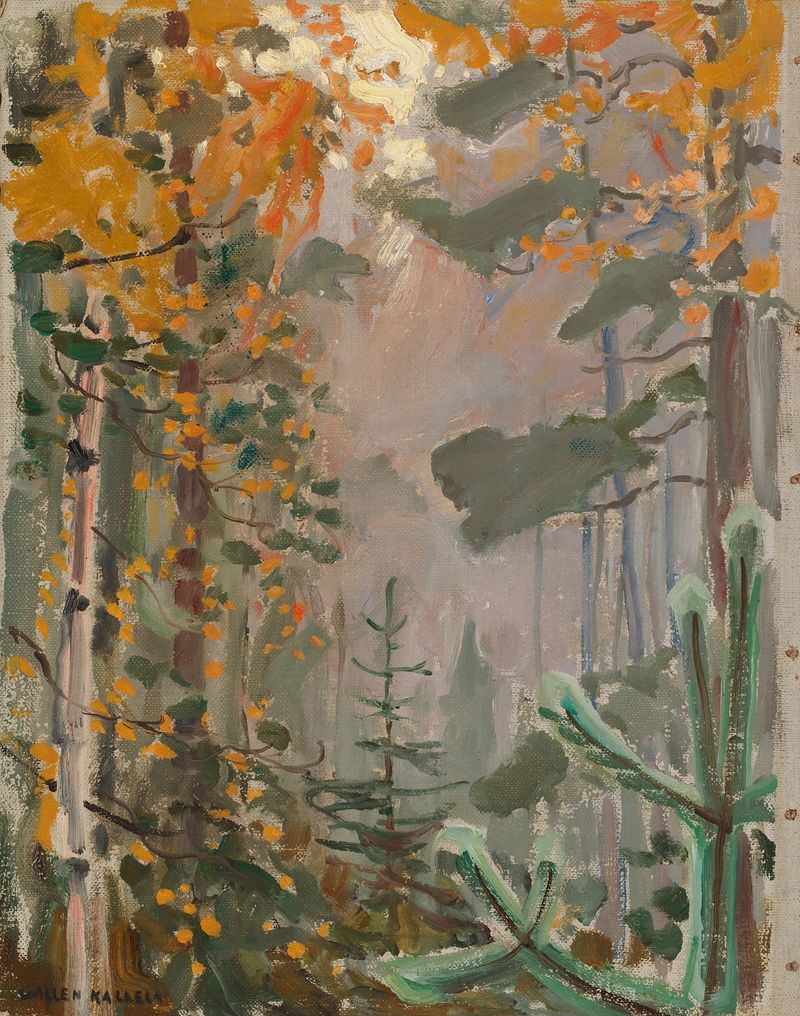
Autumn Landscape
Akseli Gallen-Kallela
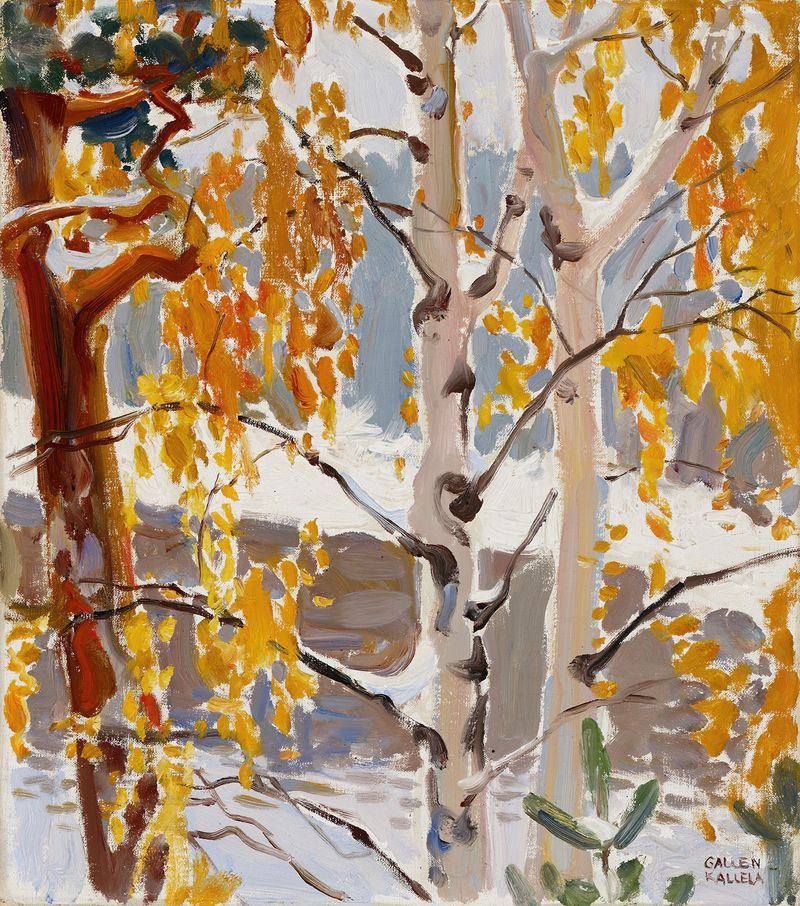
First Snow
Akseli Gallen-Kallela
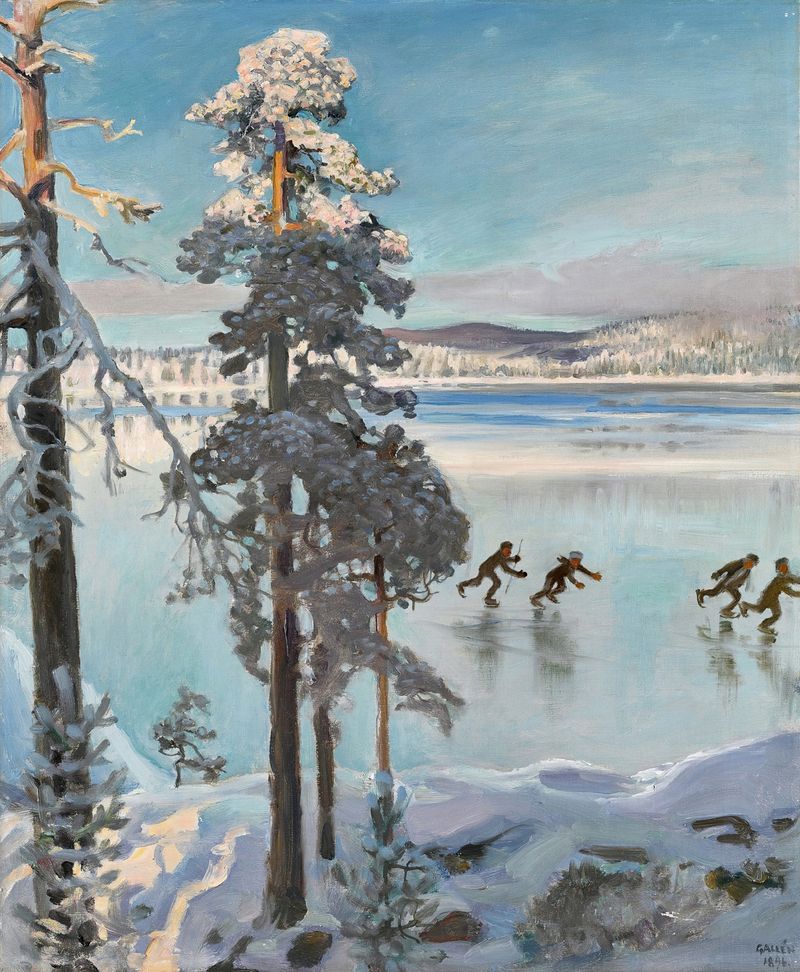
Skaters on Lake Ruovesi
Akseli Gallen-Kallela
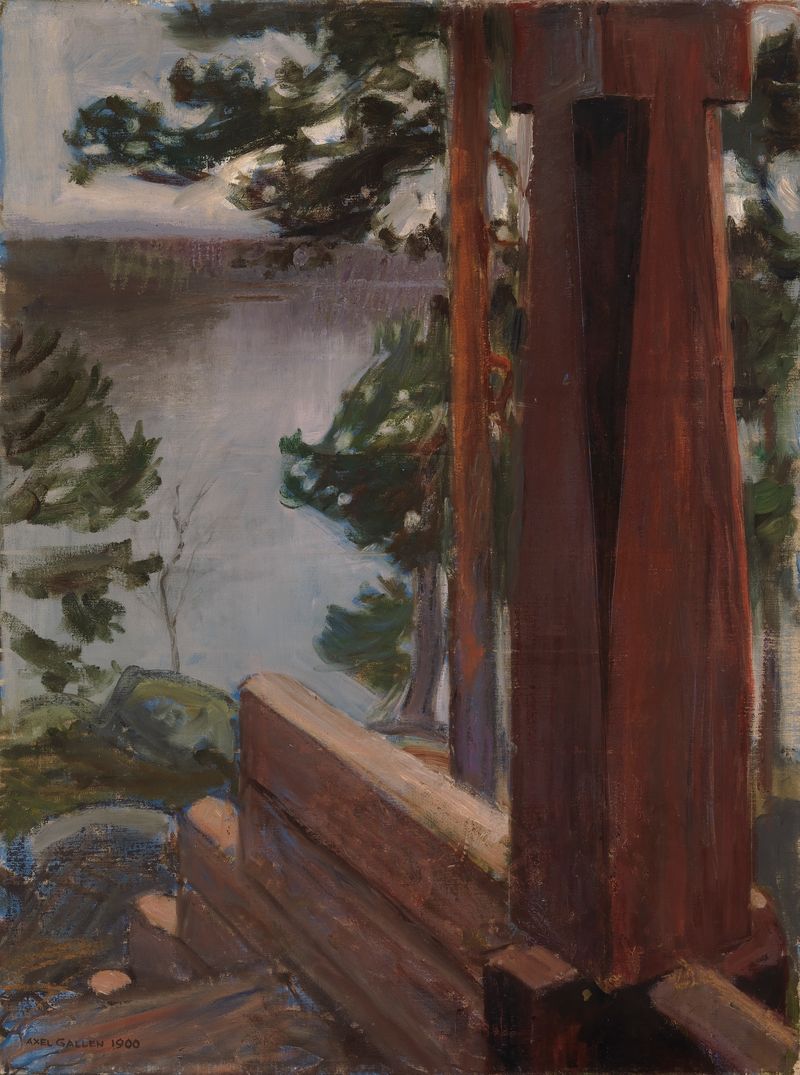
The Kalela Porch
Akseli Gallen-Kallela
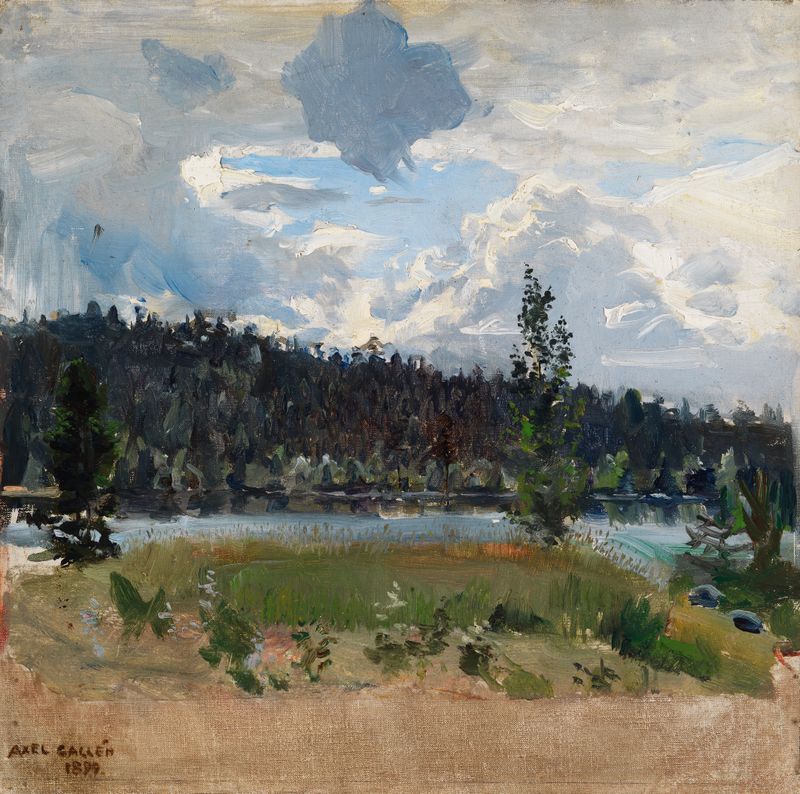
Light Behind The Clouds
Akseli Gallen-Kallela
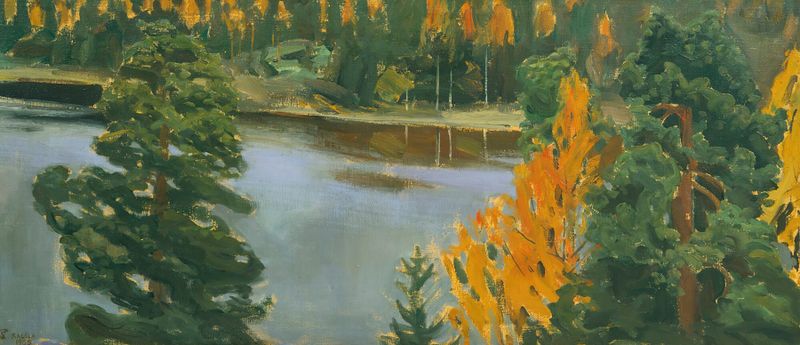
Lake View In Autumn
Akseli Gallen-Kallela

Winter Landscape
Akseli Gallen-Kallela