
Fugue — History & Facts
Few works by Gustave Van de Woestijne have provoked as much speculation as Fugue, whose date and medium remain uncertain. The painting’s title alone has drawn attention, referencing a musical form defined by intricate, interwoven voices—a fitting metaphor for Van de Woestijne’s lifelong fascination with spiritual and psychological complexity. Scholars continue to debate whether Fugue was conceived during the artist’s early Symbolist period or later, as his palette and forms grew more restrained.
The lack of documentation has only deepened the painting’s mystique, making it a touchstone for discussions about Van de Woestijne’s elusive intentions. In Fugue, Van de Woestijne captures a moment of silent communion: figures, often interpreted as family or villagers, are arranged in a tense, almost ritualistic tableau. Their elongated faces and heavy-lidded eyes—hallmarks of the artist’s style—convey both isolation and interconnectedness, as if each person is lost in private thought yet bound to the others by invisible threads. The muted colors and flattened space heighten the sense of psychological distance, while subtle gestures—a hand resting on a shoulder, a downward glance—hint at shared burdens or unspoken grief.
Unlike the lively gatherings in James Ensor’s works, Van de Woestijne’s figures seem suspended in a quiet, unresolved chord, inviting viewers to listen for the harmony beneath the silence. The physical history of Fugue is as enigmatic as its subject. No records survive of its first owner or exhibition, and it has rarely appeared in public collections, adding to its aura of secrecy. It is now generally attributed to Van de Woestijne based on stylistic analysis and comparison with authenticated works from his middle period.
Today, Fugue is regarded as a key example of the artist’s contribution to the Symbolist movement in Belgium, embodying his search for meaning in the everyday and the unseen. Its current location is not widely publicized, but its reputation continues to grow among scholars and collectors alike.
More Artworks by Gustave Van de Woestijne
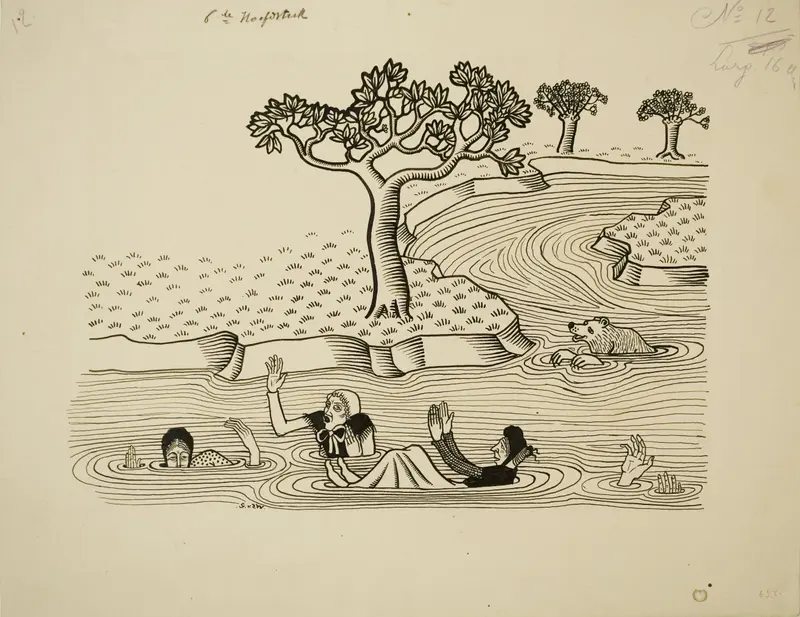
How Brown went out with Reynard where he thought he was eating honey and how he was caught by head and feet and suffered further misfortune
Gustave Van de Woestijne
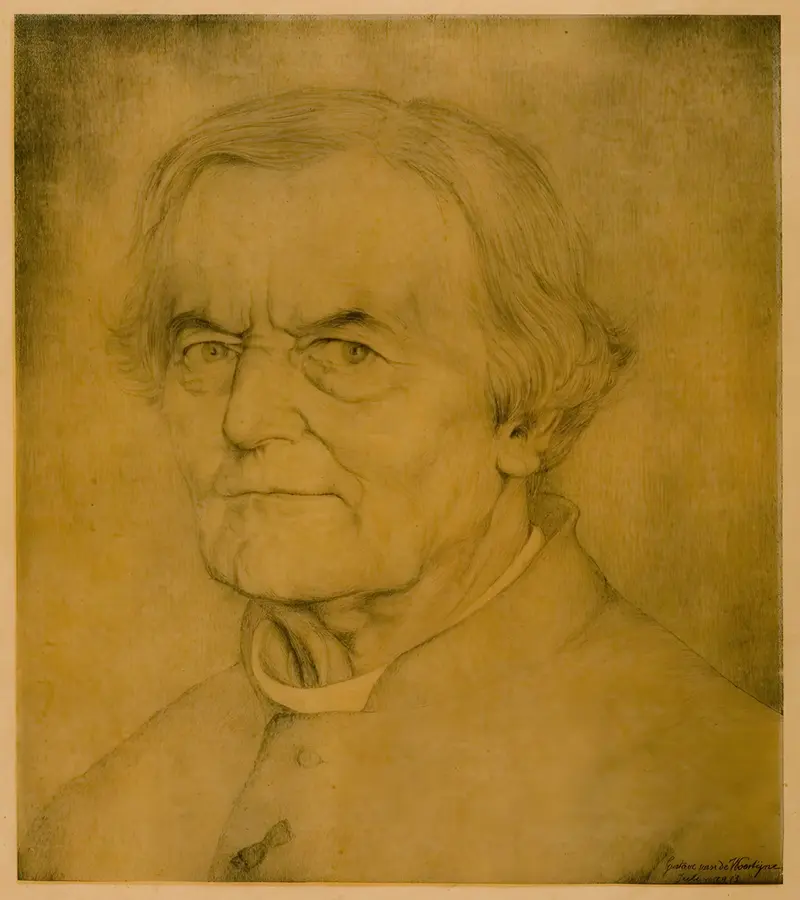
Portrait of Hugo Verriest
Gustave Van de Woestijne
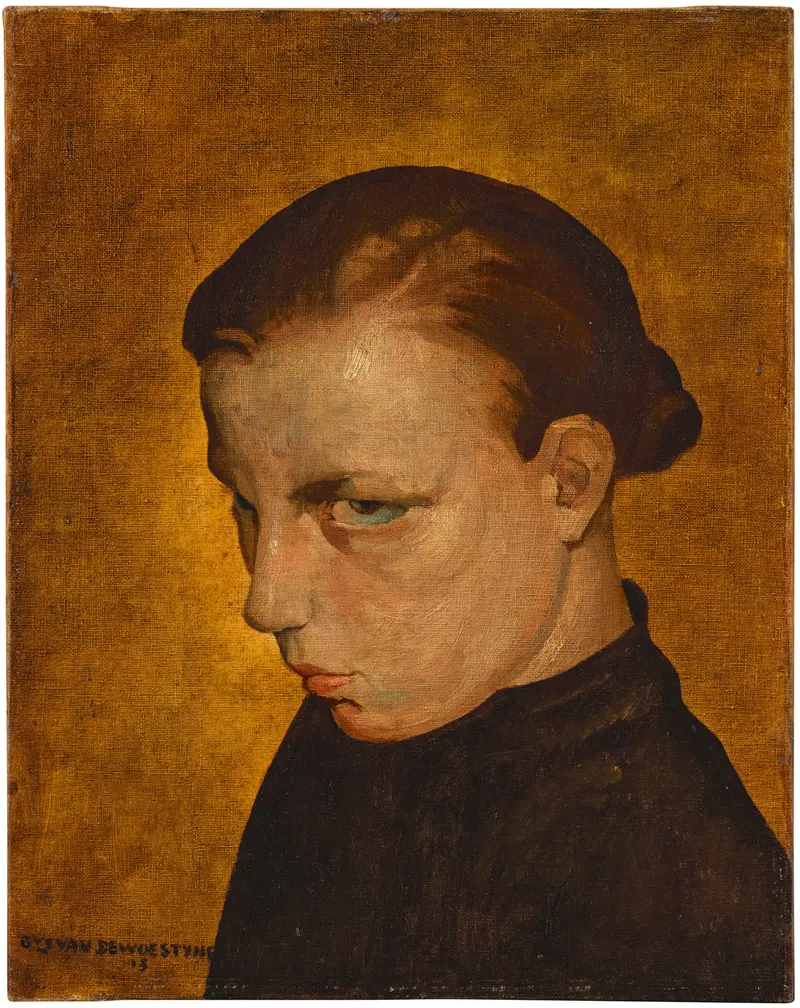
Angèle
Gustave Van de Woestijne
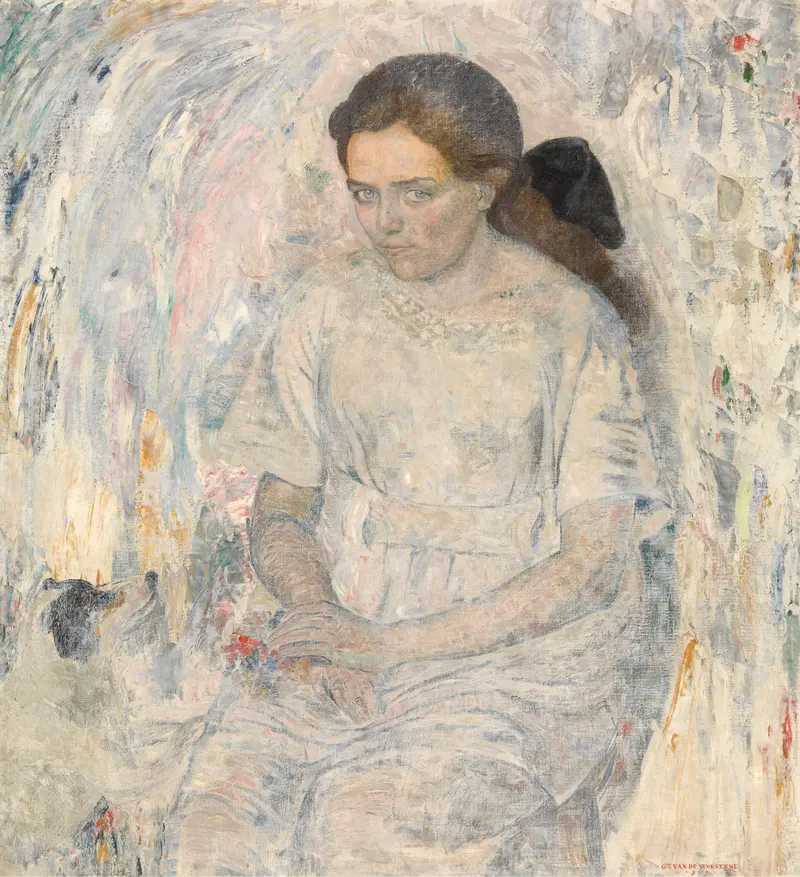
Adrienne
Gustave Van de Woestijne
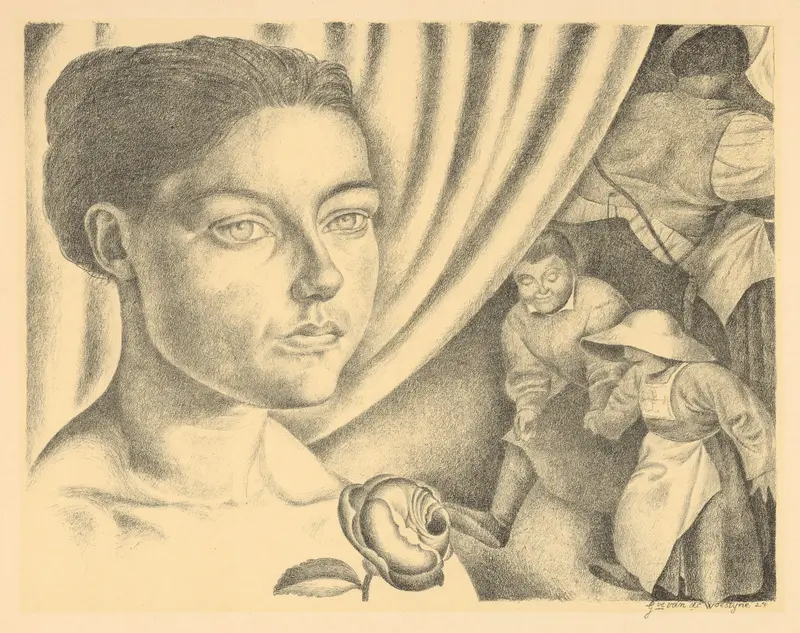
Jeune Femme
Gustave Van de Woestijne
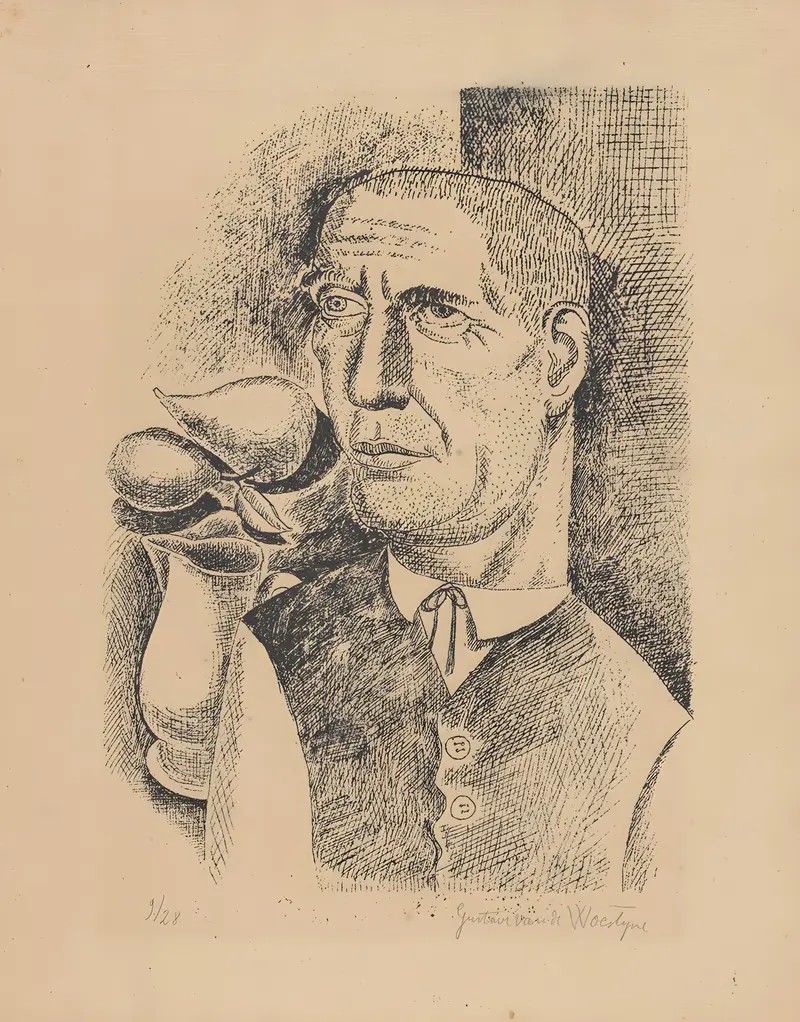
Boer op zijn zondags (Paysan endimanché)
Gustave Van de Woestijne
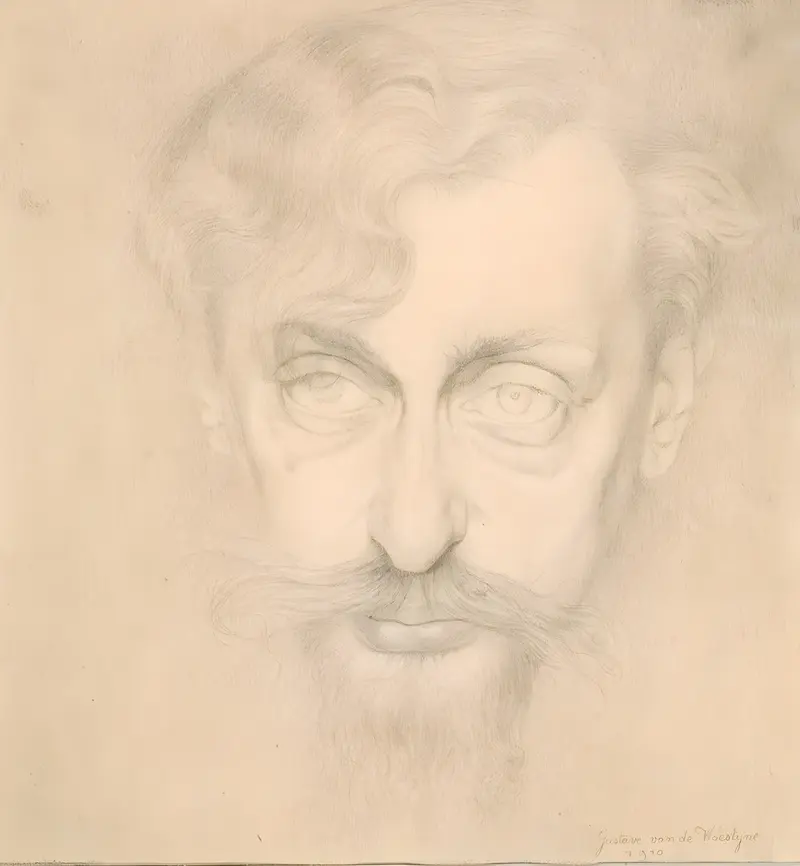
Portrait of the Writer Karel van de Woestijne
Gustave Van de Woestijne
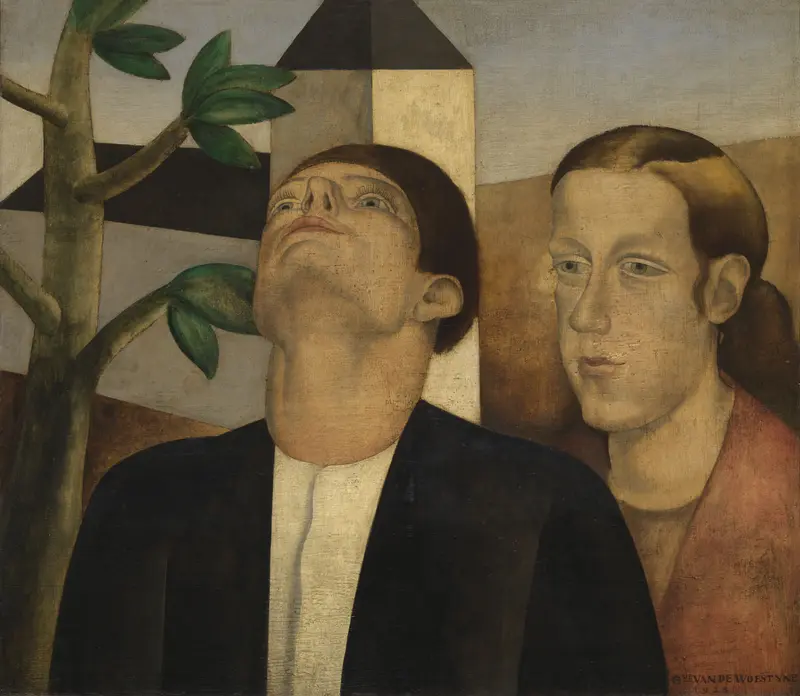
Azure
Gustave Van de Woestijne
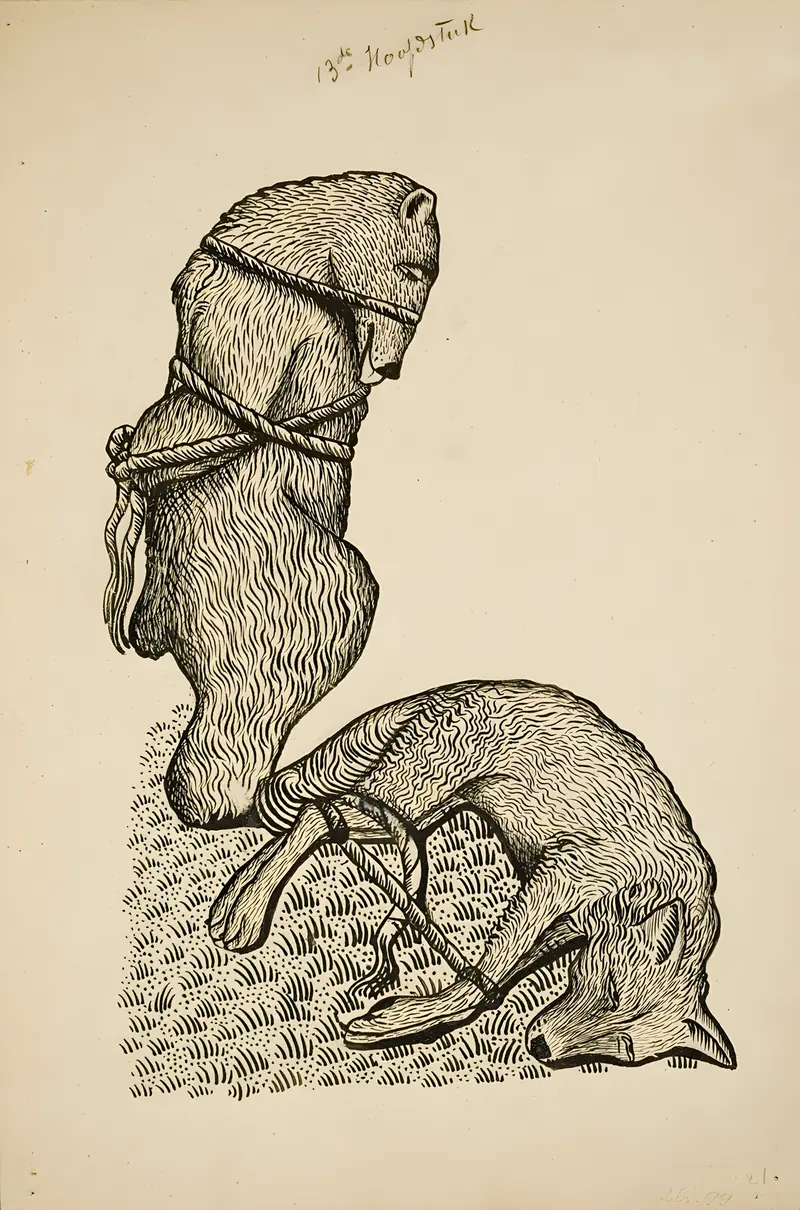
How Reinaert devises a new trick to get free and exterminate his enemies
Gustave Van de Woestijne
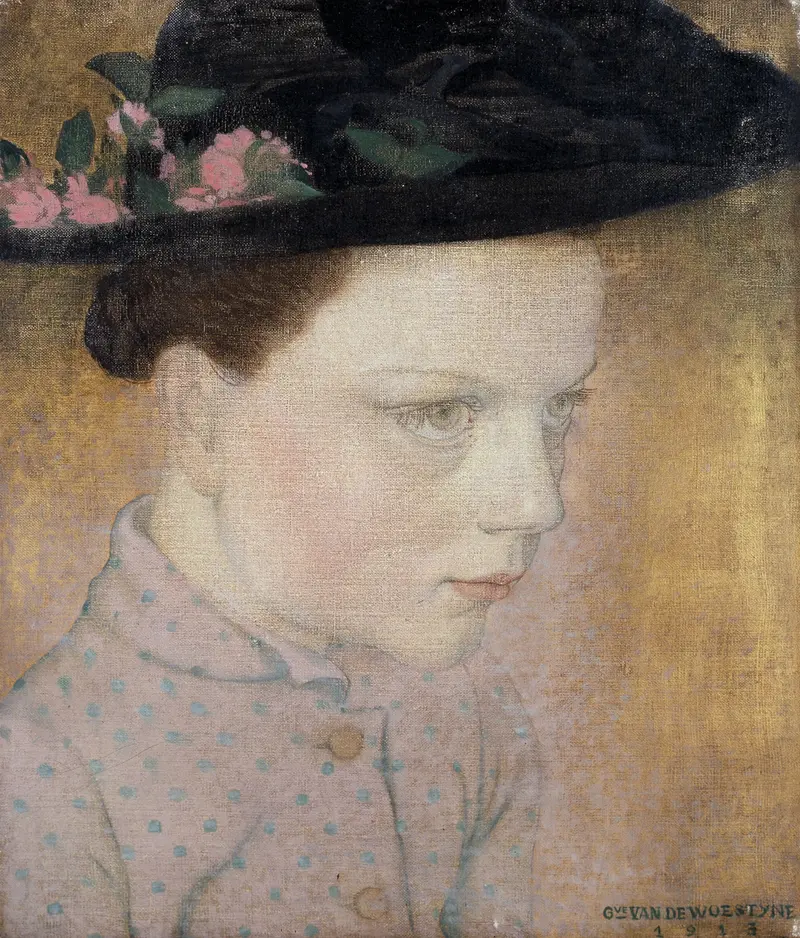
Country Girl
Gustave Van de Woestijne



