
Galician Washerwomen — History & Facts
What draws the eye first in Galician Washerwomen is the sense of movement: a riverbank alive with labor, women bent over the water, arms in constant motion, skirts hitched, red kerchiefs bright against the muted earth. The brushwork is brisk, almost impatient, as if the artist, Francisco Pradilla, wanted to capture the rhythm of work before it slipped away. The women’s gestures—scrubbing, wringing, hauling—are echoed in the angled boards and the sweep of wet linen, while the light picks out the white fabric and the shimmer of water, guiding us from foreground to the distant bridge.
The palette is earthy, with flashes of color that suggest both the hardship and the camaraderie of this communal task. Painted in 1887, this scene belongs to a wider tradition of late nineteenth-century genre painting, when artists across Europe turned their attention to everyday rural life. Such works were rarely commissioned by the subjects themselves; instead, they were aimed at urban collectors hungry for images of a vanishing countryside. In Spain, painters like Pradilla found inspiration in regional customs and landscapes, often rendering them with a mix of realism and affection.
Today, Galician Washerwomen resides in the Museo Carmen Thyssen in Málaga, a reminder of both the dignity of ordinary labor and the artist’s eye for fleeting moments. The next time you look, notice how the riverbank becomes a stage for both toil and quiet fellowship.
More Artworks by Francisco Pradilla

Spring Mist in Italy
Francisco Pradilla
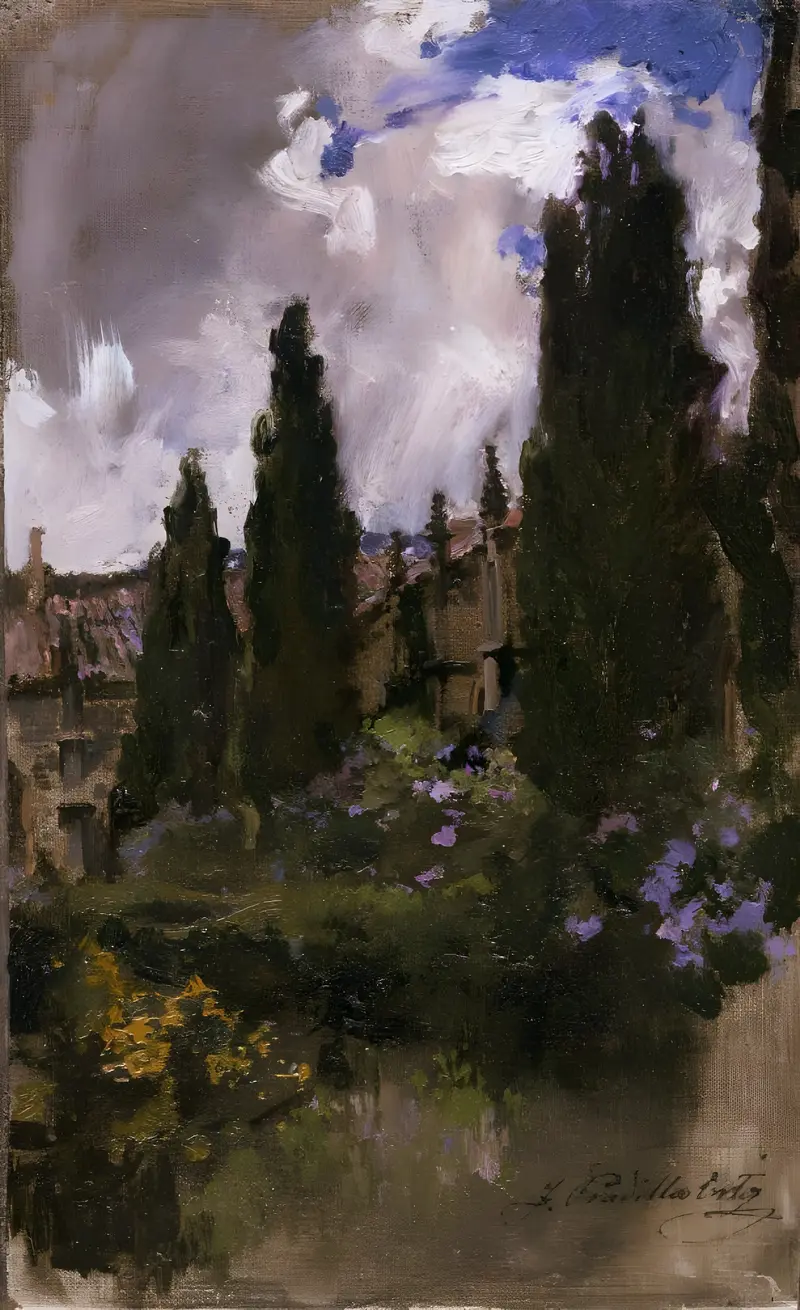
Among the Bulls of Guisando
Francisco Pradilla
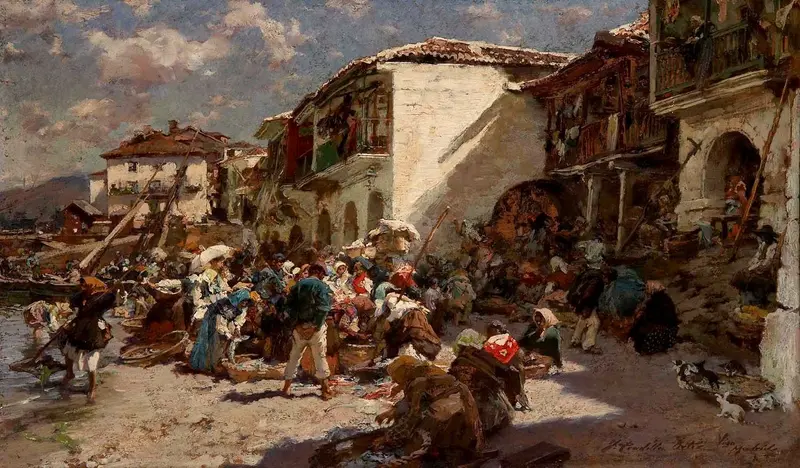
Selling Fish on Vigo Beach
Francisco Pradilla
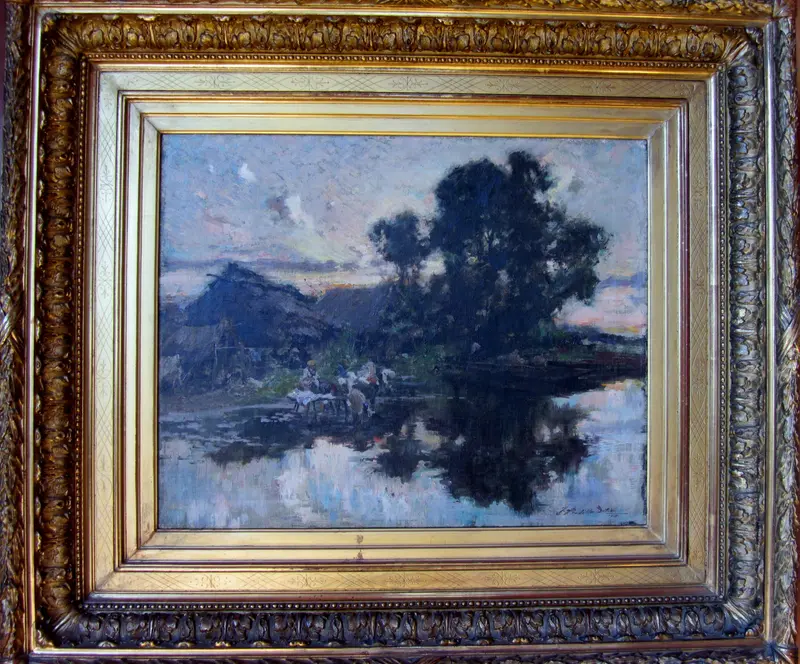
On the Riverbank
Francisco Pradilla

Raimunda Osorio, Marchioness of Linares
Francisco Pradilla
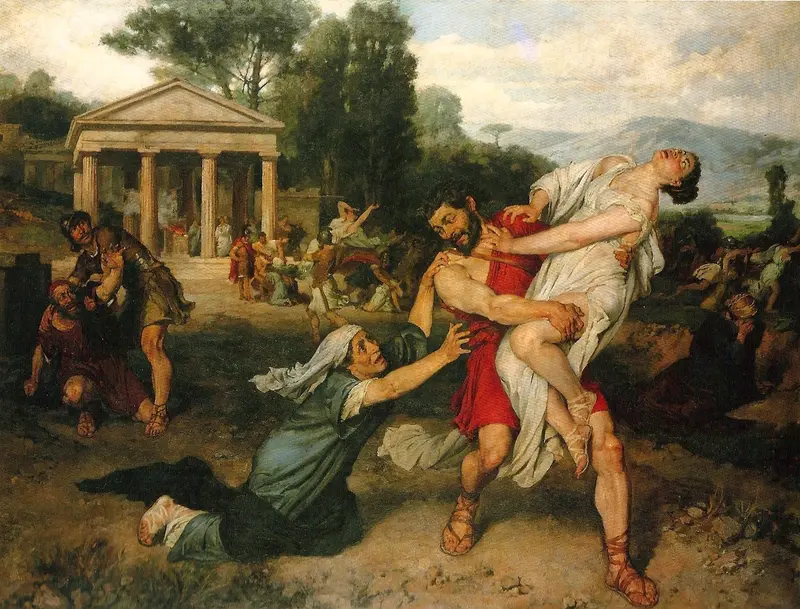
The Rape of the Sabine Women
Francisco Pradilla
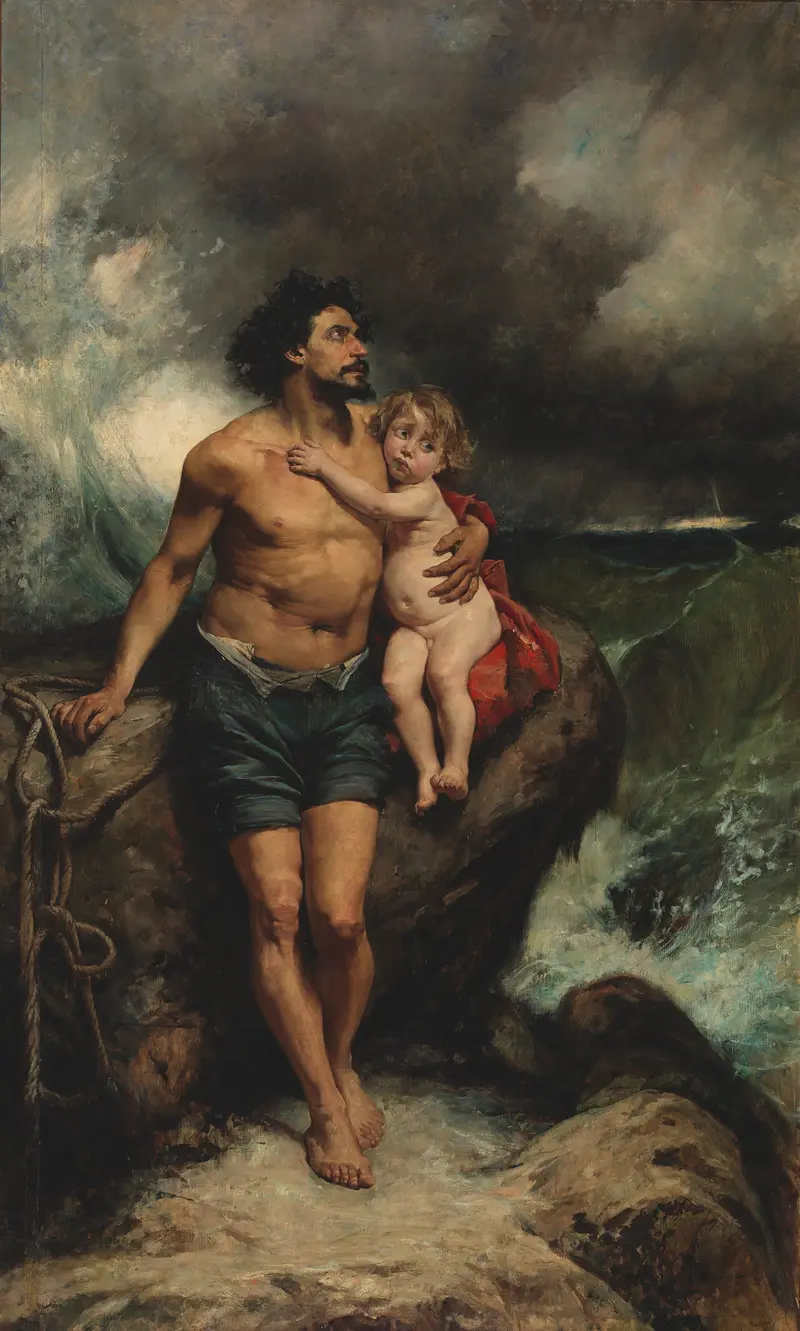
The Shipwrecked
Francisco Pradilla
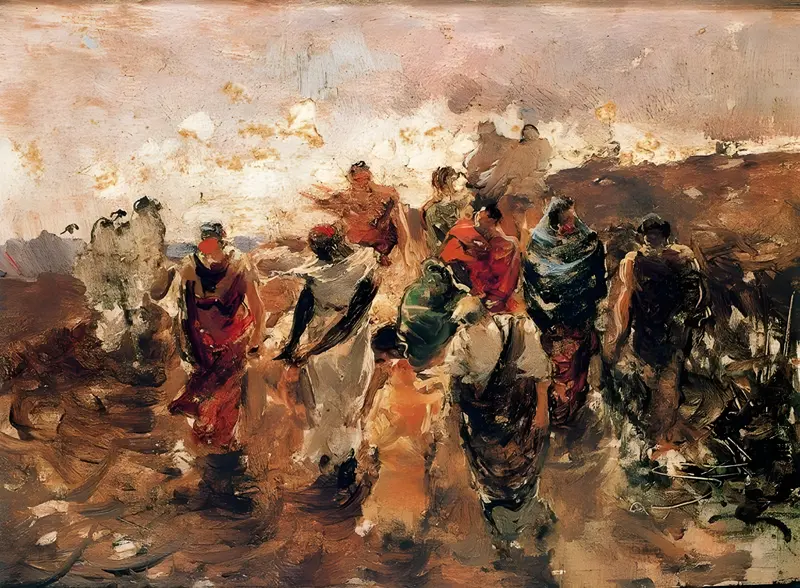
Impression
Francisco Pradilla
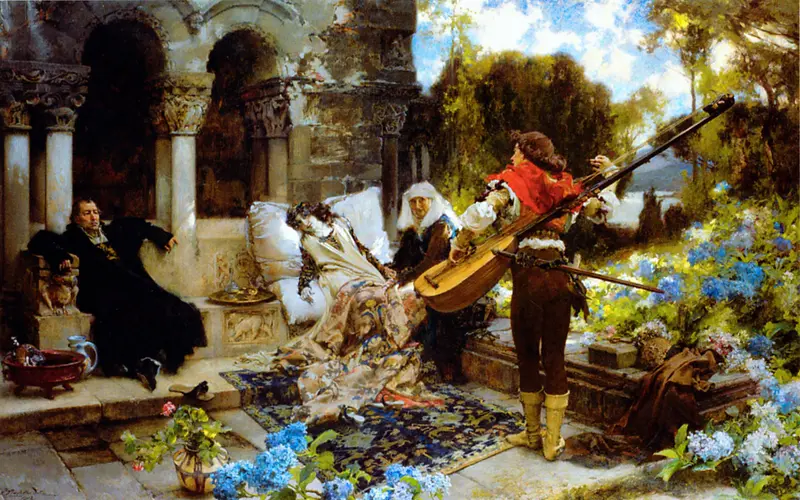
Lovesickness
Francisco Pradilla
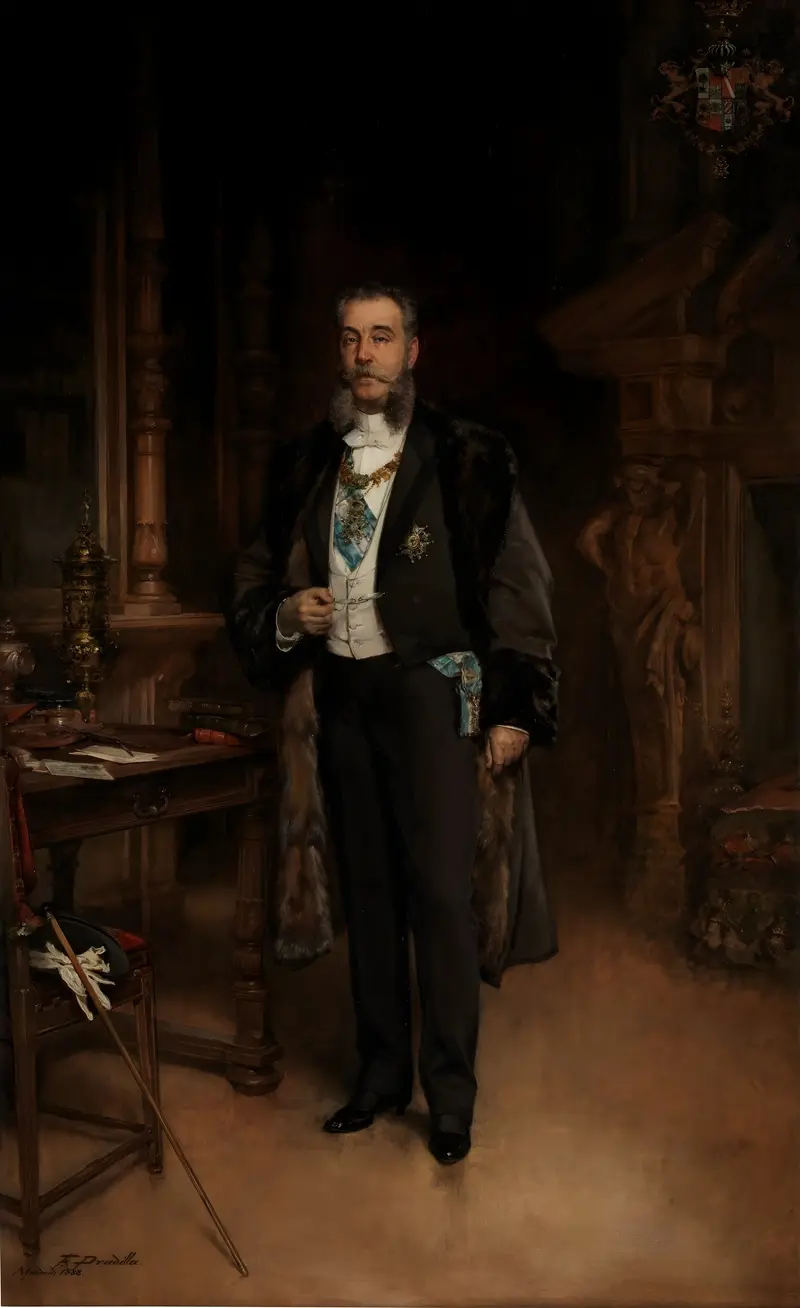
José María de Murga, Marquis of Linares
Francisco Pradilla
More Genre Scene Art

Banquet of the Officers of the St George Civic Guard
Frans Hals

Rembrandt and Saskia in the Scene of the Prodigal Son
Rembrandt van Rijn

Bal du moulin de la Galette
Pierre-Auguste Renoir

Quadrille at the Moulin Rouge
Henri de Toulouse-Lautrec

A Burial at Ornans
Gustave Courbet

When Will You Marry?
Paul Gauguin