
Garden Party — History & Facts
A golden haze draws the viewer into the heart of Garden Party, where figures flicker between presence and memory. The scene brims with life, yet everything is softened, as if glimpsed through the shimmer of late afternoon light. A small, cherubic child commands the center, arms raised in a gesture that could be celebration or invitation, while elegant women and shadowed companions cluster around, their forms melting into one another.
The brushwork is thick, almost sculptural, creating a sense of movement and spontaneity—one can almost hear the murmur of conversation and laughter beneath the trees. The light, pooling and scattering across the canvas, guides the eye from figure to figure, suggesting both intimacy and spectacle. Works like this emerged in nineteenth-century France, when artists such as Adolphe Monticelli reveled in the possibilities of color and texture. Monticelli’s scenes often evoke the pleasures of leisure and the fleeting beauty of social gatherings, painted not for grand salons but for private delight.
The lack of precise date or medium for this piece, now in the Princeton Art Museum, only adds to its air of mystery—history has kept few traces of its journey. Yet the painting’s lush surface and festive subject place it firmly within the world of the Belle Époque, when such visions offered an escape into reverie. Look again, and let your eye wander: every blurred edge hints at a story just out of reach.
More Artworks by Adolphe Monticelli

Portrait of a Lady
Adolphe Monticelli
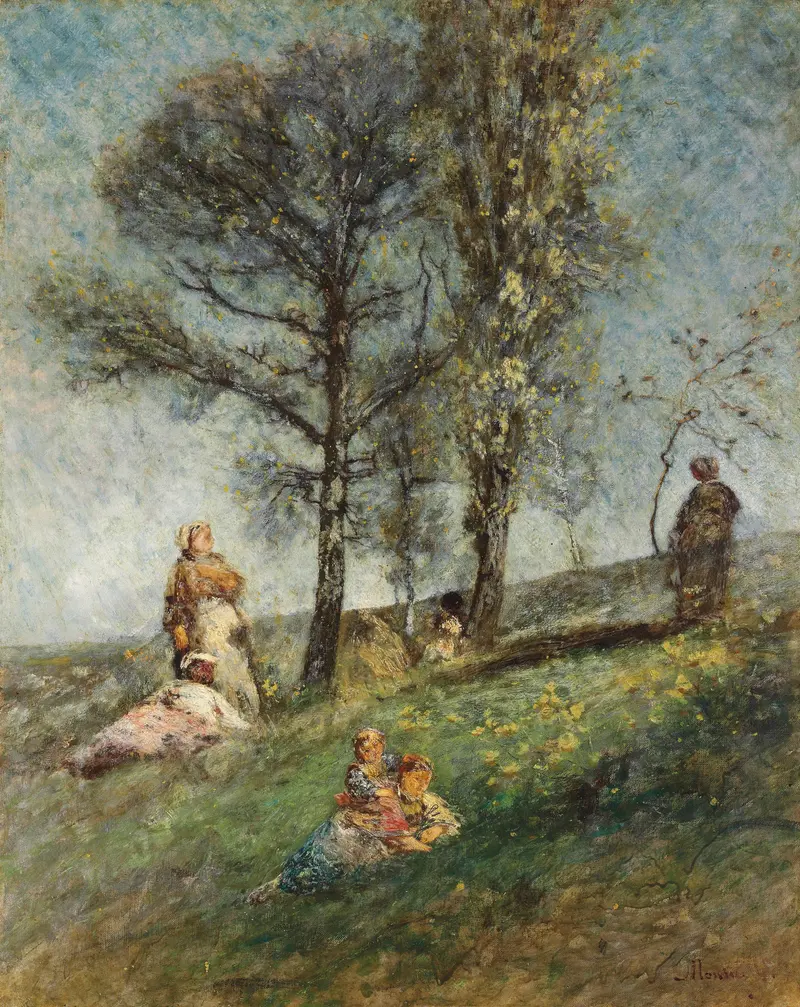
A Young Family Under Trees On A Hill
Adolphe Monticelli

Fête d'Après-Midi
Adolphe Monticelli
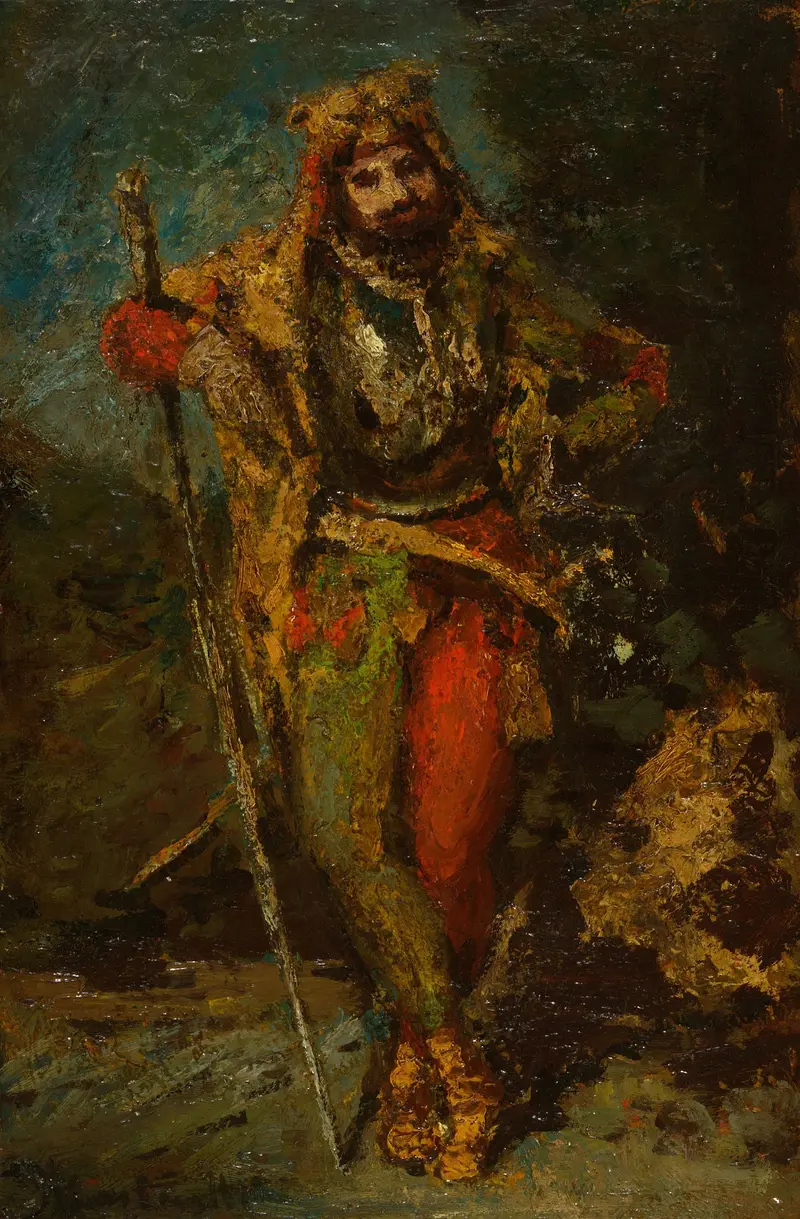
Mephisto from the Opera Faust
Adolphe Monticelli
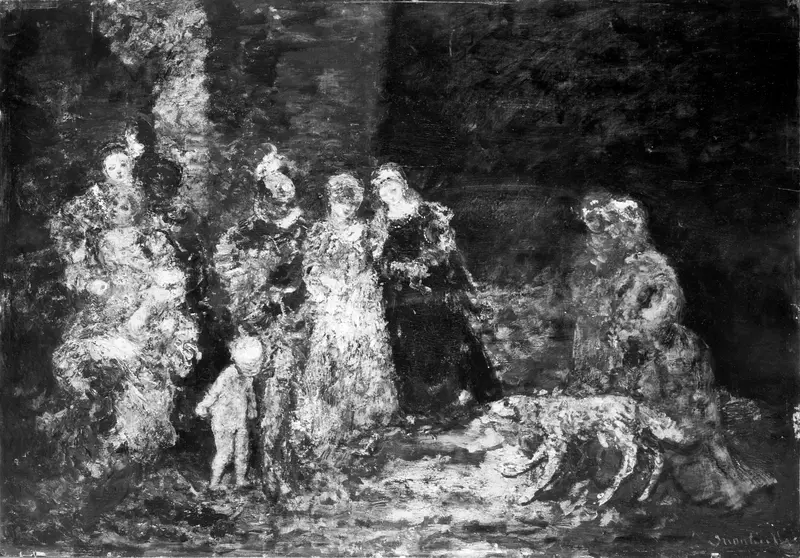
The Fairies
Adolphe Monticelli
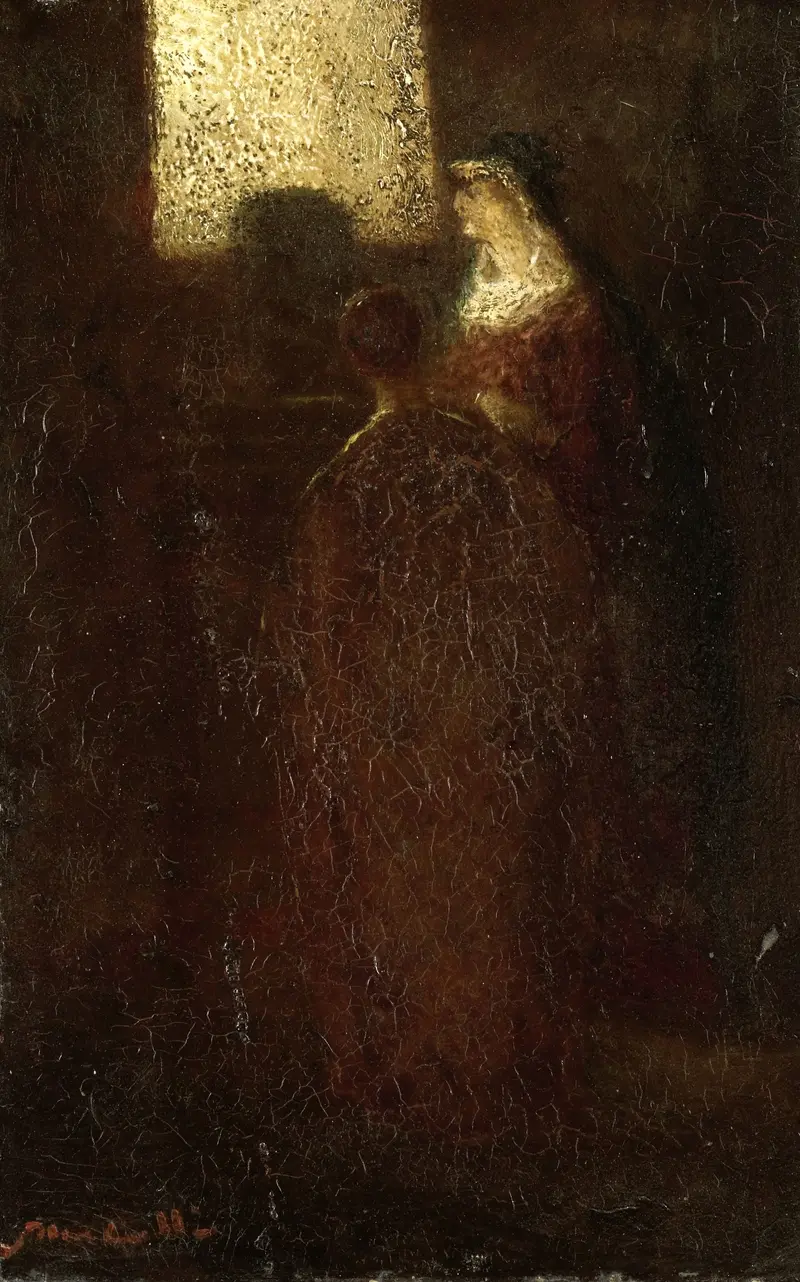
Aan het altaar
Adolphe Monticelli
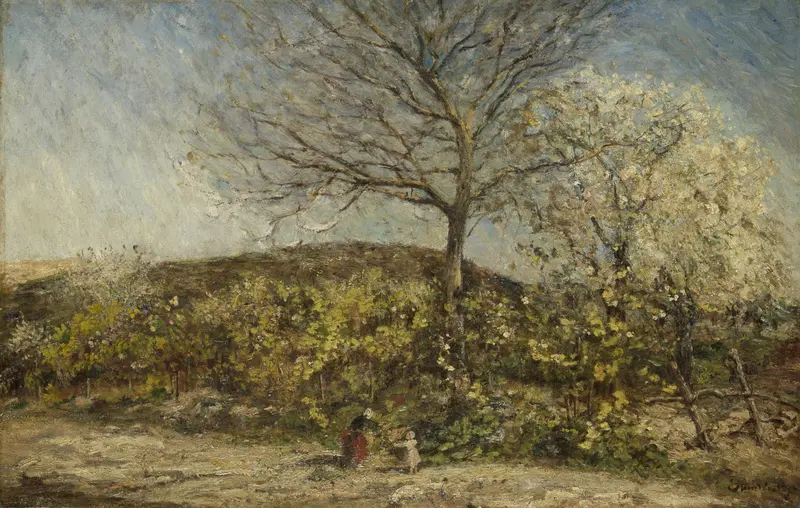
Landschap met bloeiende boomgaard
Adolphe Monticelli
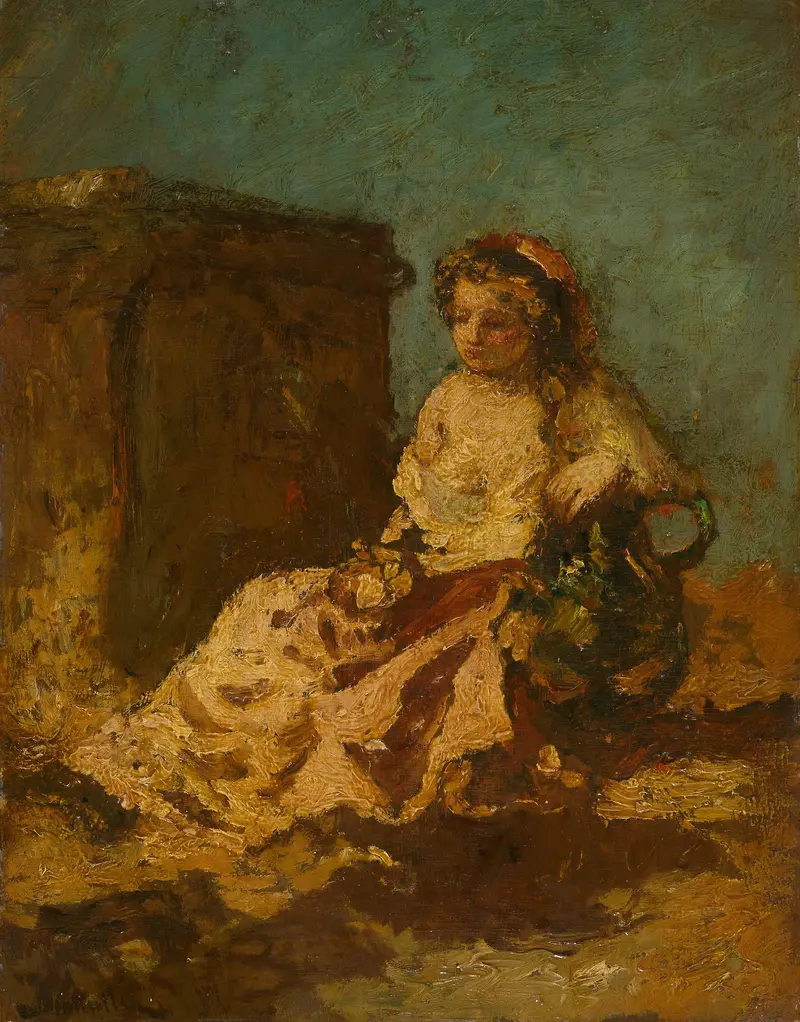
Meditation (Seated Woman)
Adolphe Monticelli
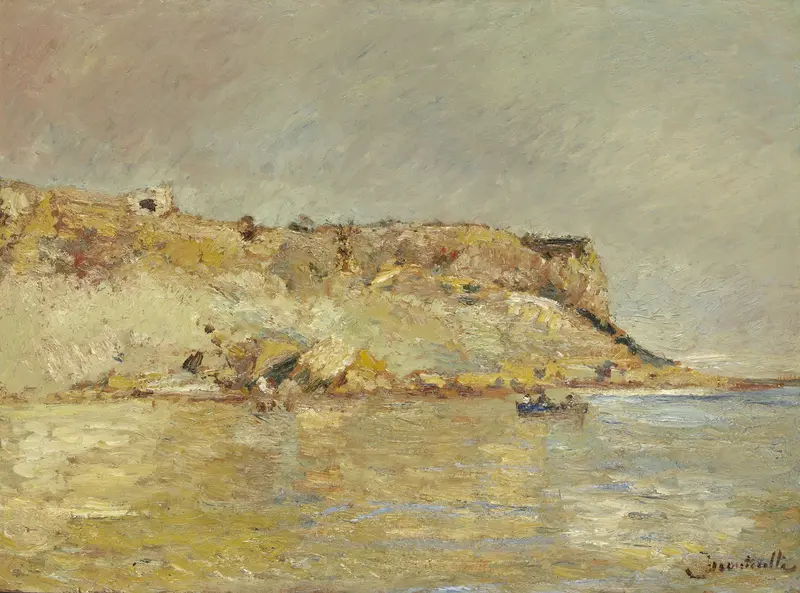
Coastal Mountains
Adolphe Monticelli
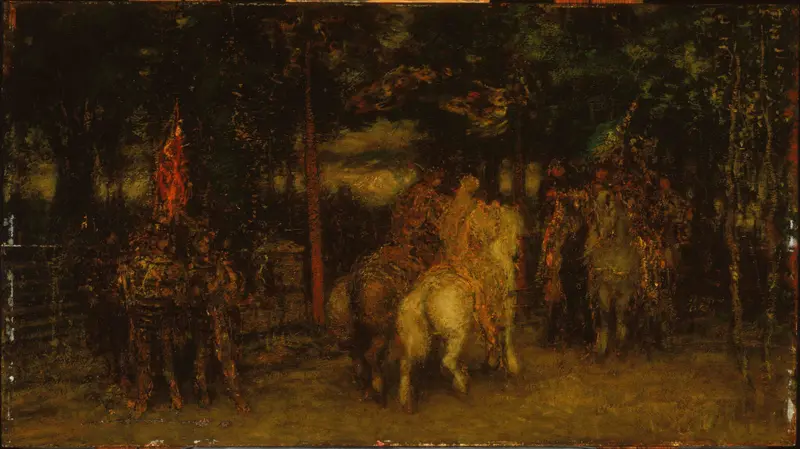
Landscape with Figures
Adolphe Monticelli
More Genre Scene Art

Banquet of the Officers of the St George Civic Guard
Frans Hals

Rembrandt and Saskia in the Scene of the Prodigal Son
Rembrandt van Rijn

Bal du moulin de la Galette
Pierre-Auguste Renoir

Quadrille at the Moulin Rouge
Henri de Toulouse-Lautrec

A Burial at Ornans
Gustave Courbet

When Will You Marry?
Paul Gauguin