
Garden Scene — History & Facts
A swirl of color and movement draws the eye first, as if the garden itself were alive with whispered secrets and laughter. In Garden Scene, Adolphe Joseph Thomas Monticelli chooses not to freeze his figures in crisp detail but to let them shimmer at the edge of vision, their gestures and finery melting into the foliage. The scene feels overheard rather than staged: a gathering of elegantly dressed figures, their faces touched by light and shadow, clustered in conversation or perhaps flirtation.
The thick, almost sculptural brushwork pulls the viewer into the immediacy of the moment, where the boundaries between people and nature blur, and the garden becomes a stage for fleeting encounters. A dog at the edge of the group, rendered with the same restless energy, hints at both leisure and alertness. Painted between circa 1875 and 1878, this work belongs to a world in flux, where the traditions of the French Rococo fête galante—scenes of aristocratic pleasure in lush parks—were being reimagined by artists like Monticelli. In the late nineteenth century, collectors and connoisseurs sought such scenes as windows onto a vanished elegance, even as modernity pressed in.
The thick impasto and vibrant palette speak to Monticelli’s fascination with color and texture, qualities that would later influence the young Vincent van Gogh. Now in the Yale University Art Gallery, Garden Scene stands as both a memory of past delights and a bold experiment in the possibilities of paint—inviting us to look closer, and then closer still, until the garden’s secrets begin to reveal themselves.
More Artworks by Adolphe Monticelli

Portrait of a Lady
Adolphe Monticelli
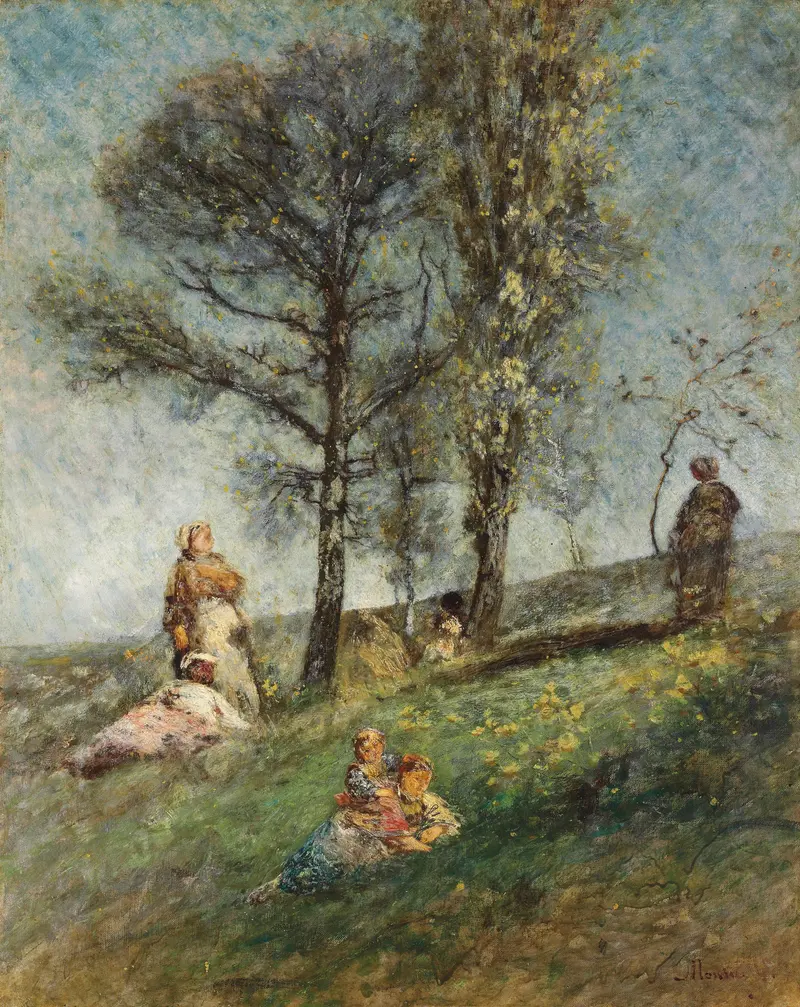
A Young Family Under Trees On A Hill
Adolphe Monticelli

Fête d'Après-Midi
Adolphe Monticelli
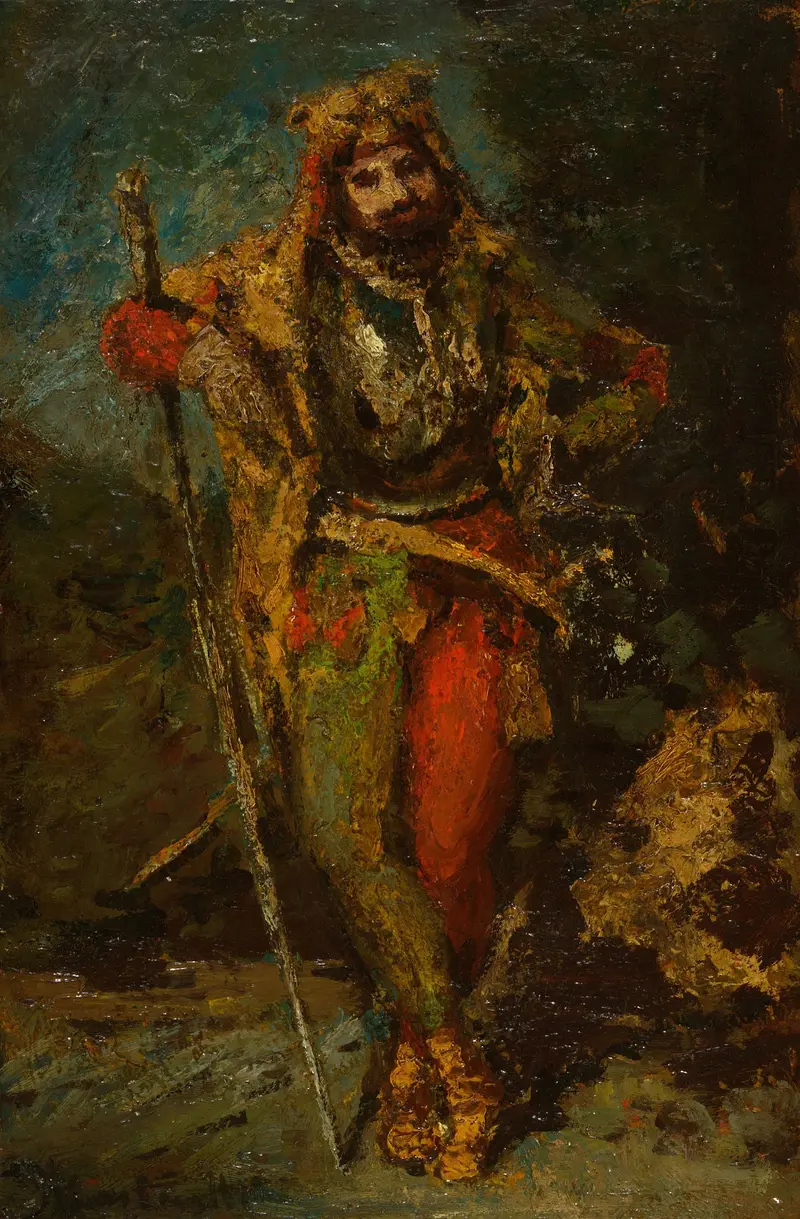
Mephisto from the Opera Faust
Adolphe Monticelli
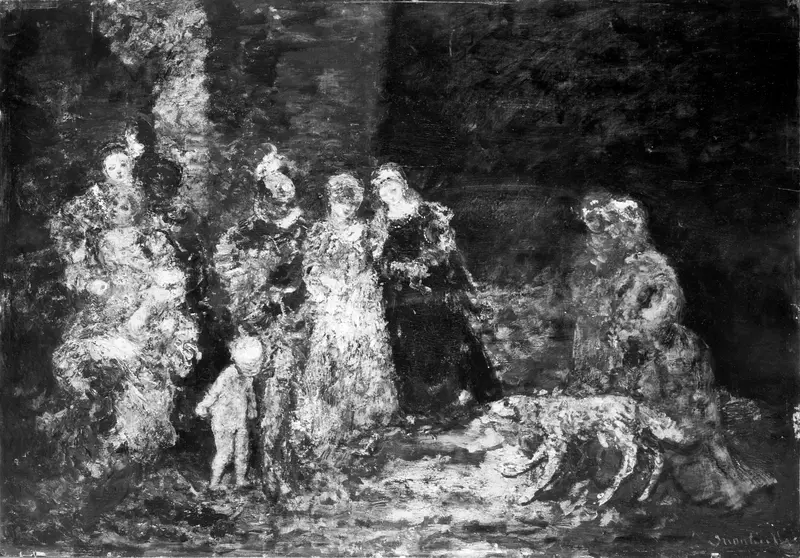
The Fairies
Adolphe Monticelli
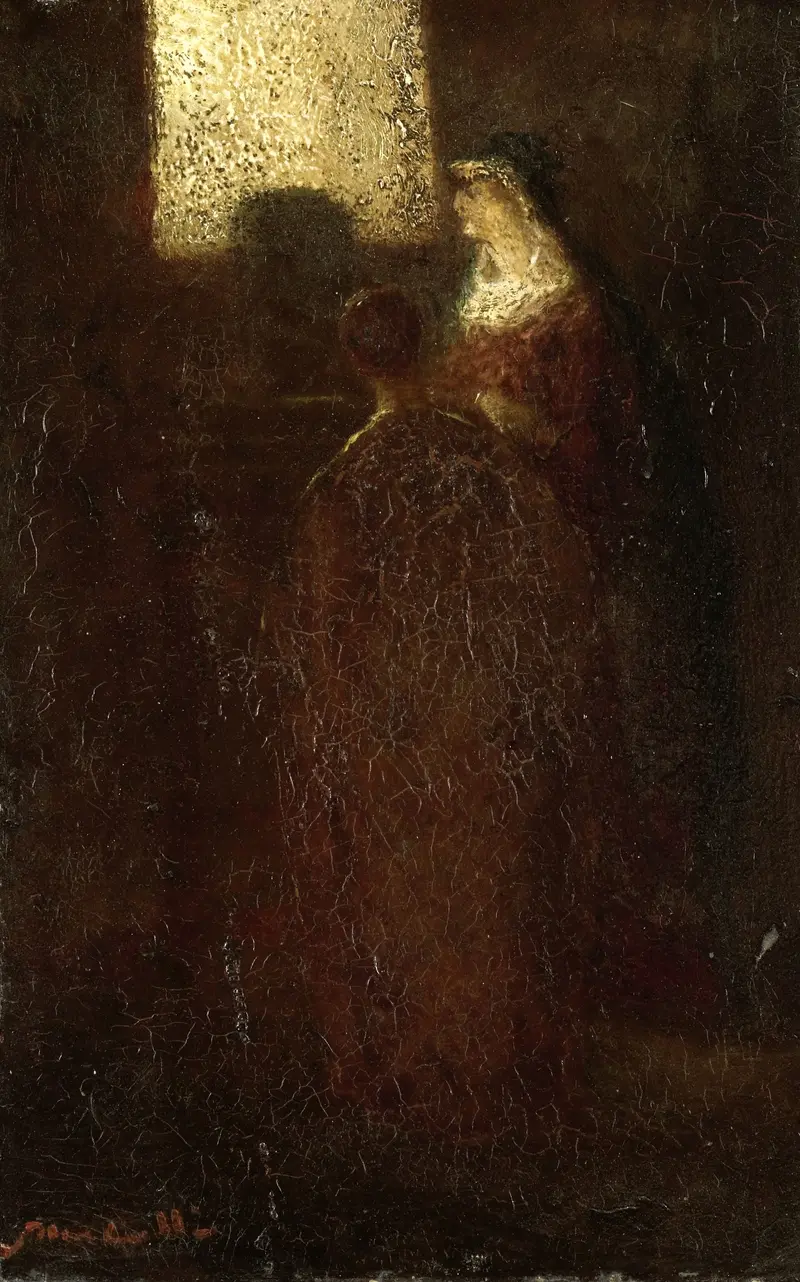
Aan het altaar
Adolphe Monticelli
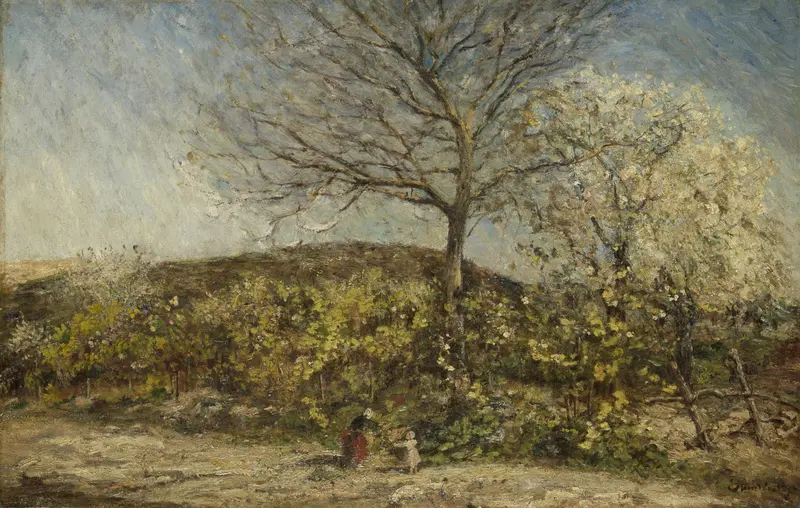
Landschap met bloeiende boomgaard
Adolphe Monticelli
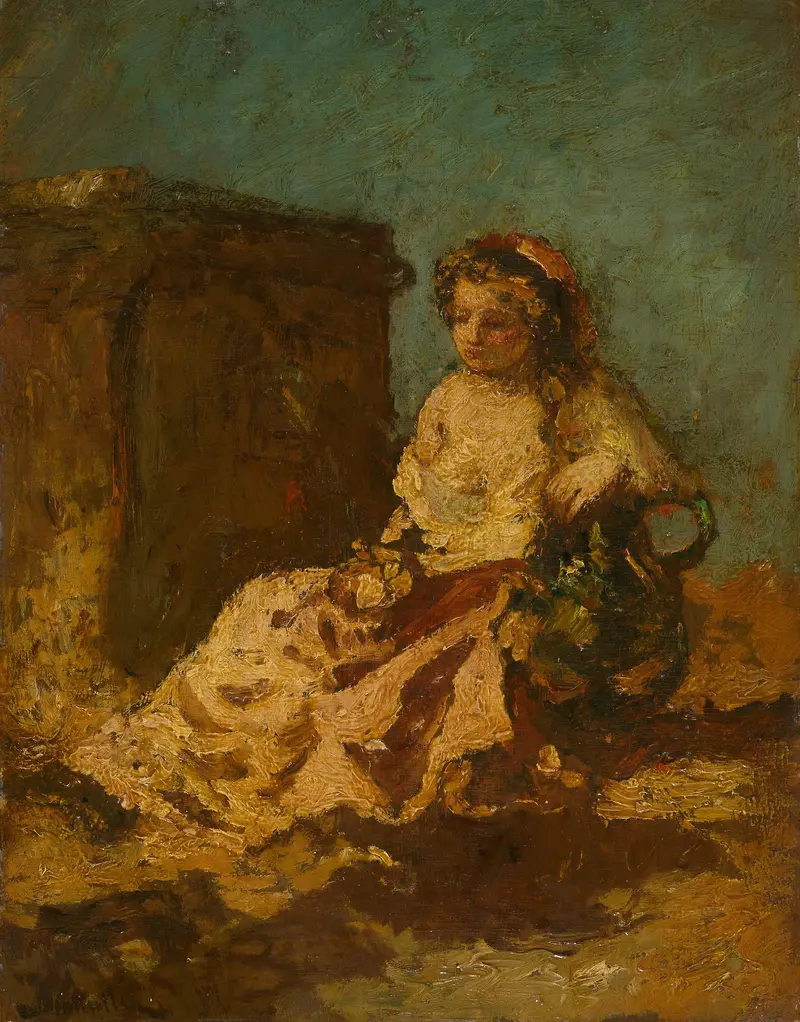
Meditation (Seated Woman)
Adolphe Monticelli
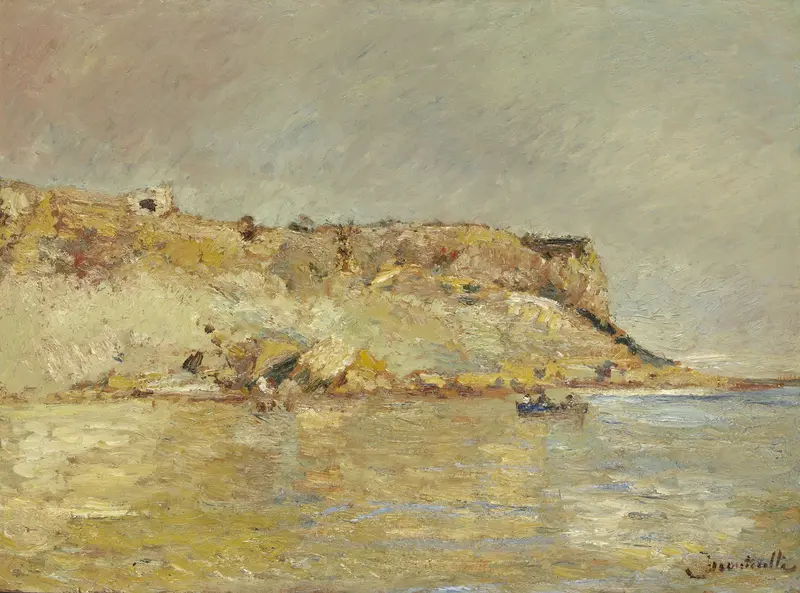
Coastal Mountains
Adolphe Monticelli
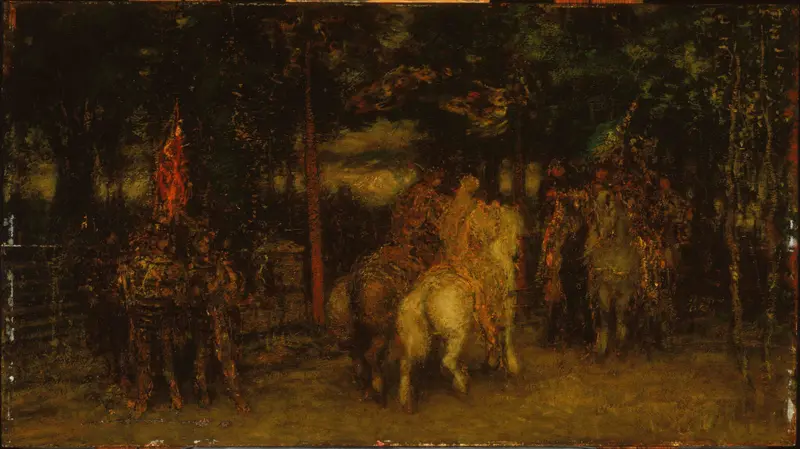
Landscape with Figures
Adolphe Monticelli
More Genre Scene Art

Banquet of the Officers of the St George Civic Guard
Frans Hals

Rembrandt and Saskia in the Scene of the Prodigal Son
Rembrandt van Rijn

Bal du moulin de la Galette
Pierre-Auguste Renoir

Quadrille at the Moulin Rouge
Henri de Toulouse-Lautrec

A Burial at Ornans
Gustave Courbet

When Will You Marry?
Paul Gauguin