
Gathering Storm — History & Facts
A wedge of blue sky, sharp as a blade, slices through the heavy mass of storm clouds, drawing the eye to the moment where light and darkness wrestle for control of the landscape. The brushwork is urgent, almost restless, as if the painter’s hand chased the shifting weather across the canvas. In the foreground, a tangle of green foliage glimmers with unexpected brightness, their yellow accents catching what little light remains.
The horizon is low and obscured, giving the sky a commanding presence—this is a scene not of calm, but of anticipation, where the air seems to vibrate with the promise of rain. Each element is chosen for its tension: the brooding mountain, the wind-battered trees, the sky on the verge of breaking. Painted between circa 1857 and 1858, Gathering Storm belongs to a moment in American art when landscape painters like Albert Bierstadt were capturing the wildness and drama of nature on a grand, sometimes theatrical scale. While history has kept few traces of this particular work’s journey, its presence today in the Hirshhorn Museum and Sculpture Garden Collection places it among the treasures of nineteenth-century American landscape painting.
In Bierstadt’s era, such images were more than scenery—they were statements about the power and unpredictability of the continent itself, often commissioned or collected by those eager to possess a piece of the untamed world. The painting invites you to linger in that charged pause before the storm breaks, where every brushstroke seems to listen for thunder.
More Artworks by Albert Bierstadt

A Storm in the Rocky Mountains, Mt. Rosalie
Albert Bierstadt
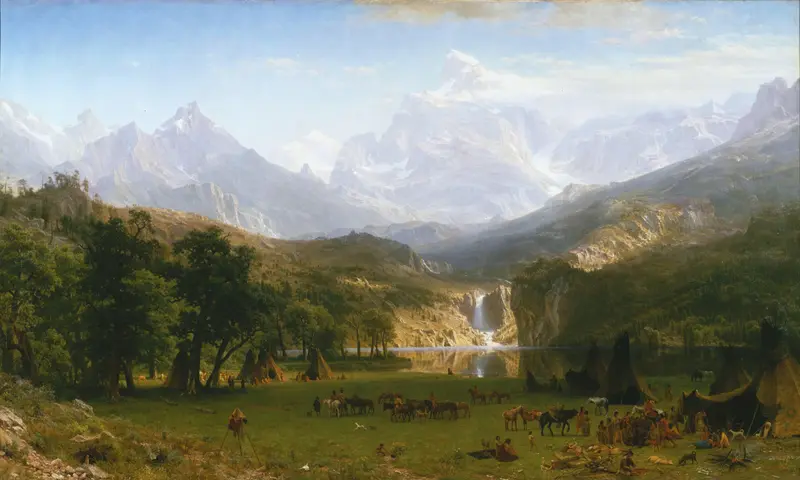
The Rocky Mountains, Lander's Peak
Albert Bierstadt
Niagara from the American Side
Albert Bierstadt
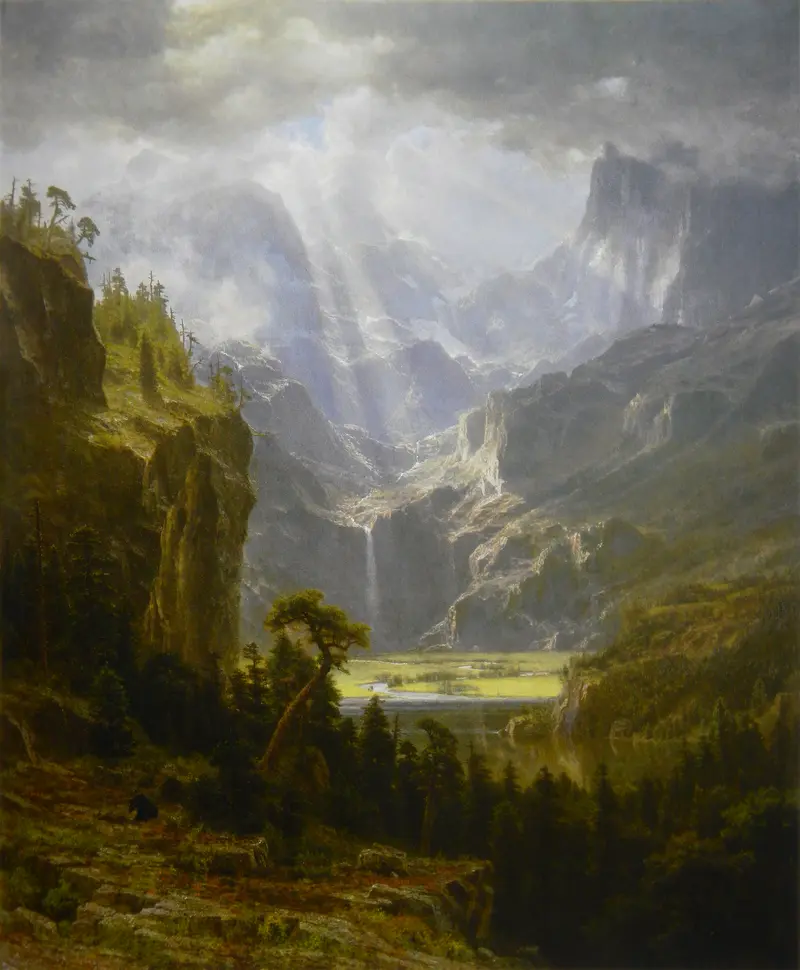
Rocky Mountains, Lander’s Peak
Albert Bierstadt

Valley of the Yosemite
Albert Bierstadt
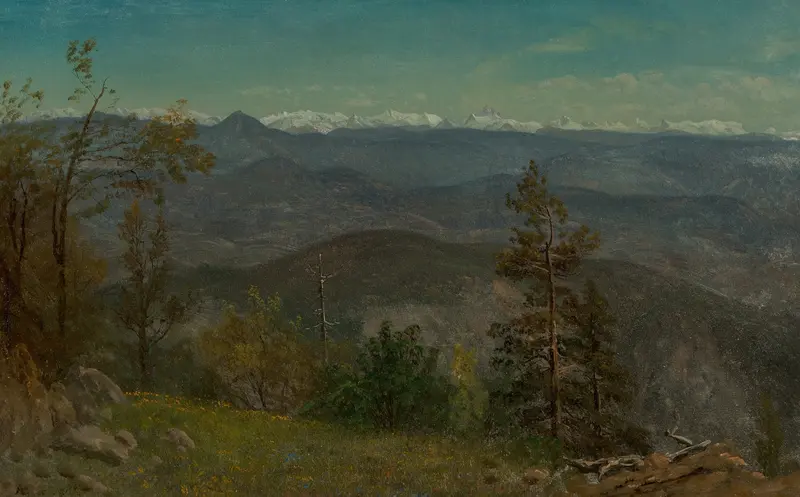
Yosemite Valley, California
Albert Bierstadt
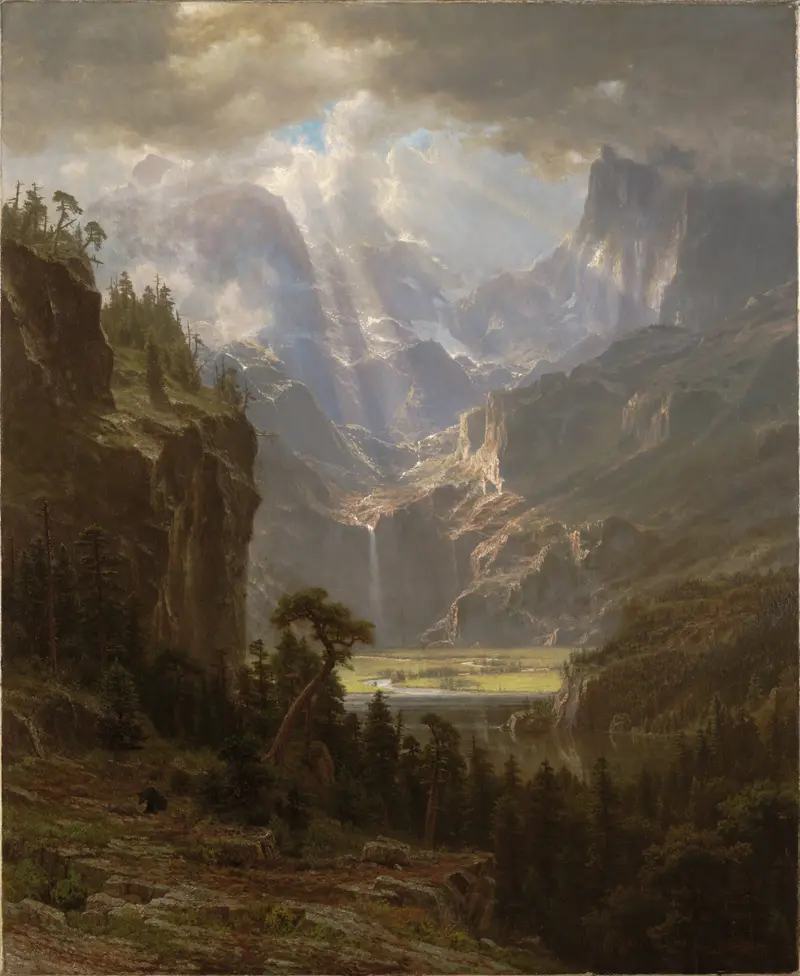
Rocky Mountains, "Lander's Peak"
Albert Bierstadt

Laramie Peak
Albert Bierstadt
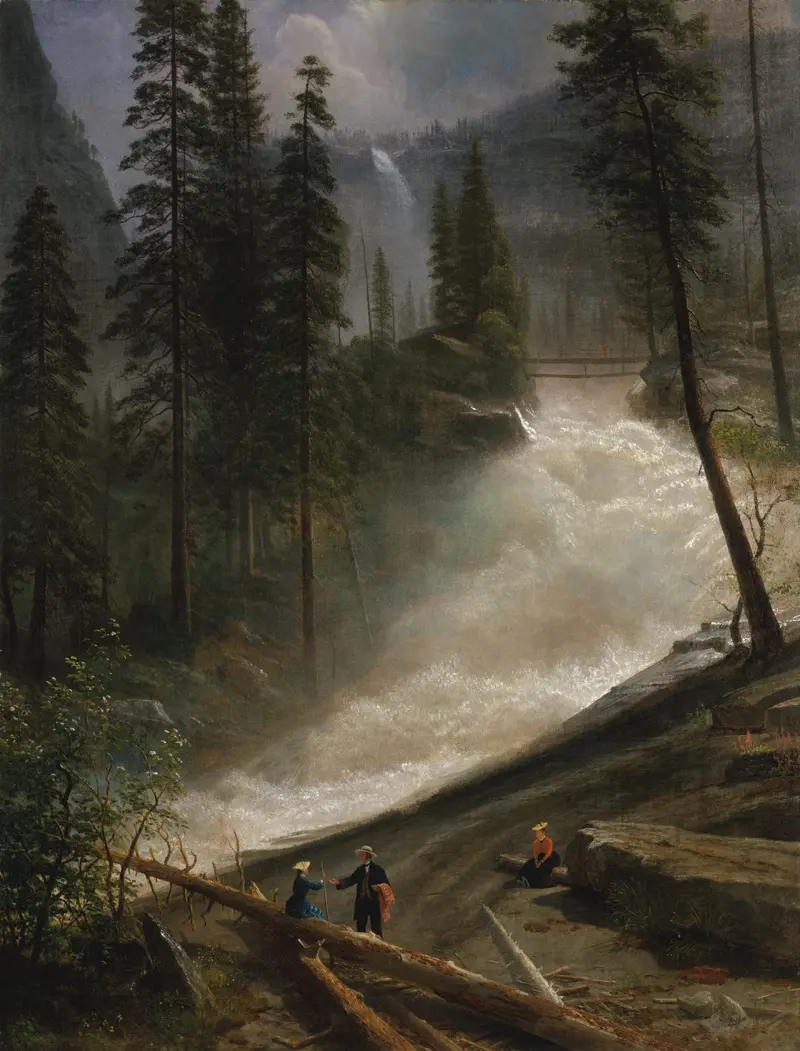
Nevada Falls, Yosemite
Albert Bierstadt
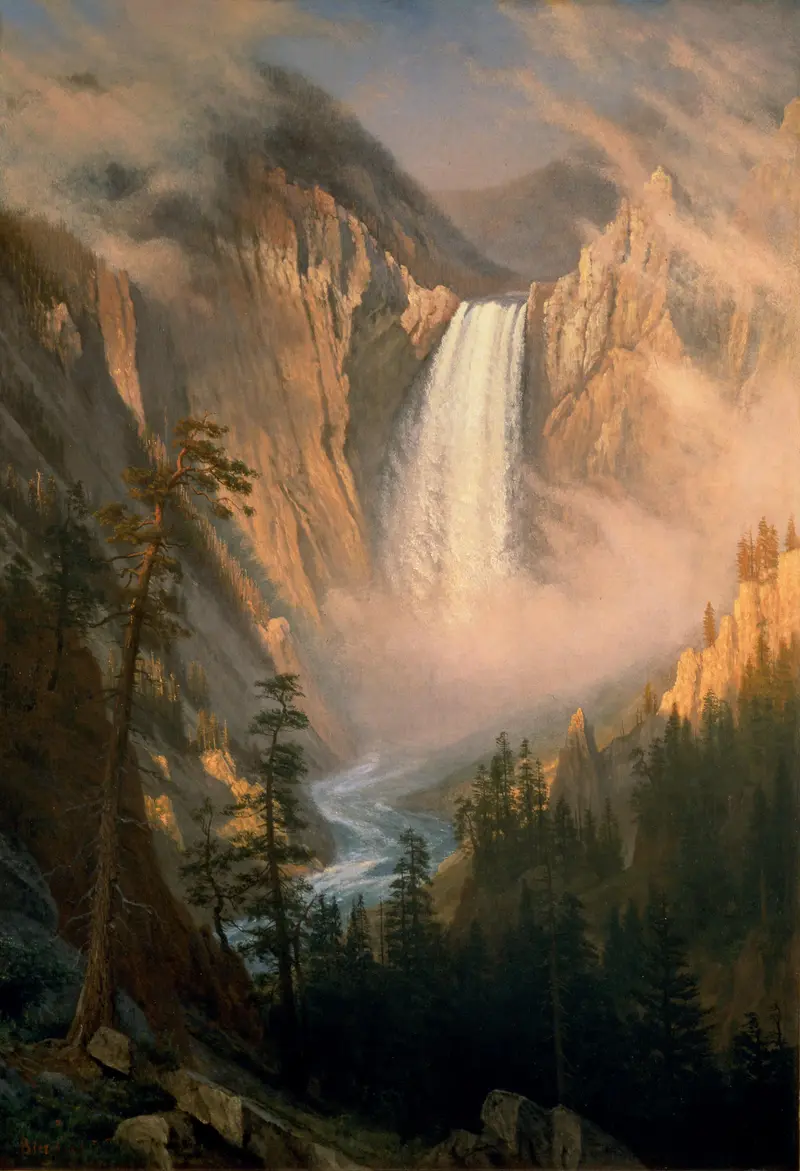
Yellowstone Falls
Albert Bierstadt
More Landscape Art

The Starry Night
Vincent van Gogh

View of Delft
Johannes Vermeer

Water Lilies
Claude Monet

The Grand Canal, Venice, looking north-west from the Ca' Corner to the Ca' Contarini degli Scrigni, with the campanile of Santa Maria della Carità
Canaletto

Windsor Castle
Canaletto

The Grand Canal looking North-East from the Palazzo Dolfin-Manin to the Rialto Bridge
Canaletto