
Girl with flowers — History & Facts
What first catches the eye in Girl with flowers is the way the painting seems to hover between two worlds: the smiling girl emerges from a deep, shadowy corner, while the flowers beside her blaze with light and loose, urgent brushwork. The girl’s gaze is sly and conspiratorial, half-hidden behind a tangle of leaves, as if she is sharing a secret with the viewer. The white blossoms spill across the center, their petals barely contained by the pot, painted with a freedom that lets them dissolve into the air.
Behind them, a ghostly, unfinished face hovers in the pale background, suggesting a memory or guardian spirit, its features only just taking shape. Created between 1883 and 1897, this work belongs to a period when artists like Antonio Mancini were breaking away from academic finish and embracing the raw immediacy of perception. Such paintings were often made for private collectors who wanted images of everyday intimacy, rather than grand public scenes. Mancini was known for his restless technique and fascination with the play of light on surfaces, and here he lets the act of painting itself become part of the subject: the brushstrokes flicker and shift, refusing to settle.
Now in The Mesdag Collection, this painting stands as a testament to a moment when the boundaries between sitter, setting, and painter’s hand were being redrawn—look closely, and you may find yourself drawn into that same shimmering uncertainty.
More Artworks by Antonio Mancini

Portrait of a lady
Antonio Mancini
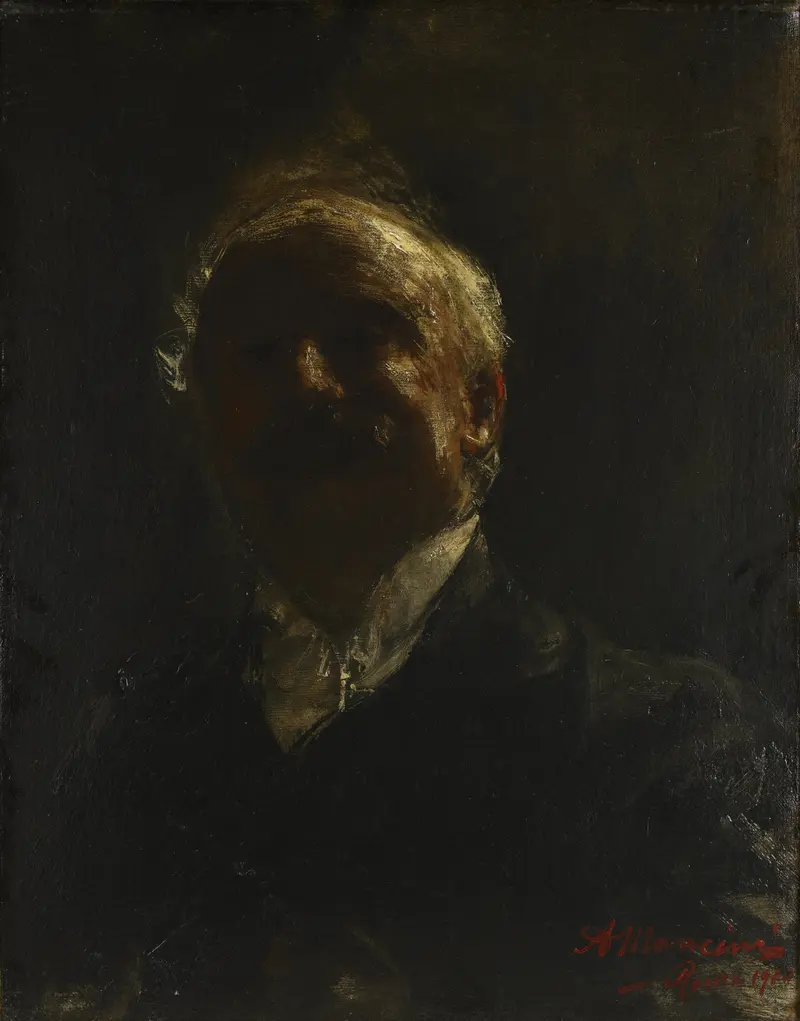
Self-Portrait
Antonio Mancini
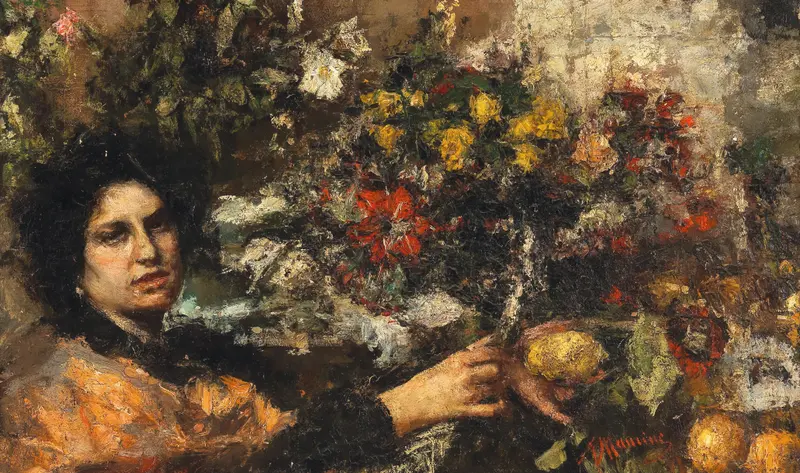
The Flower Seller
Antonio Mancini
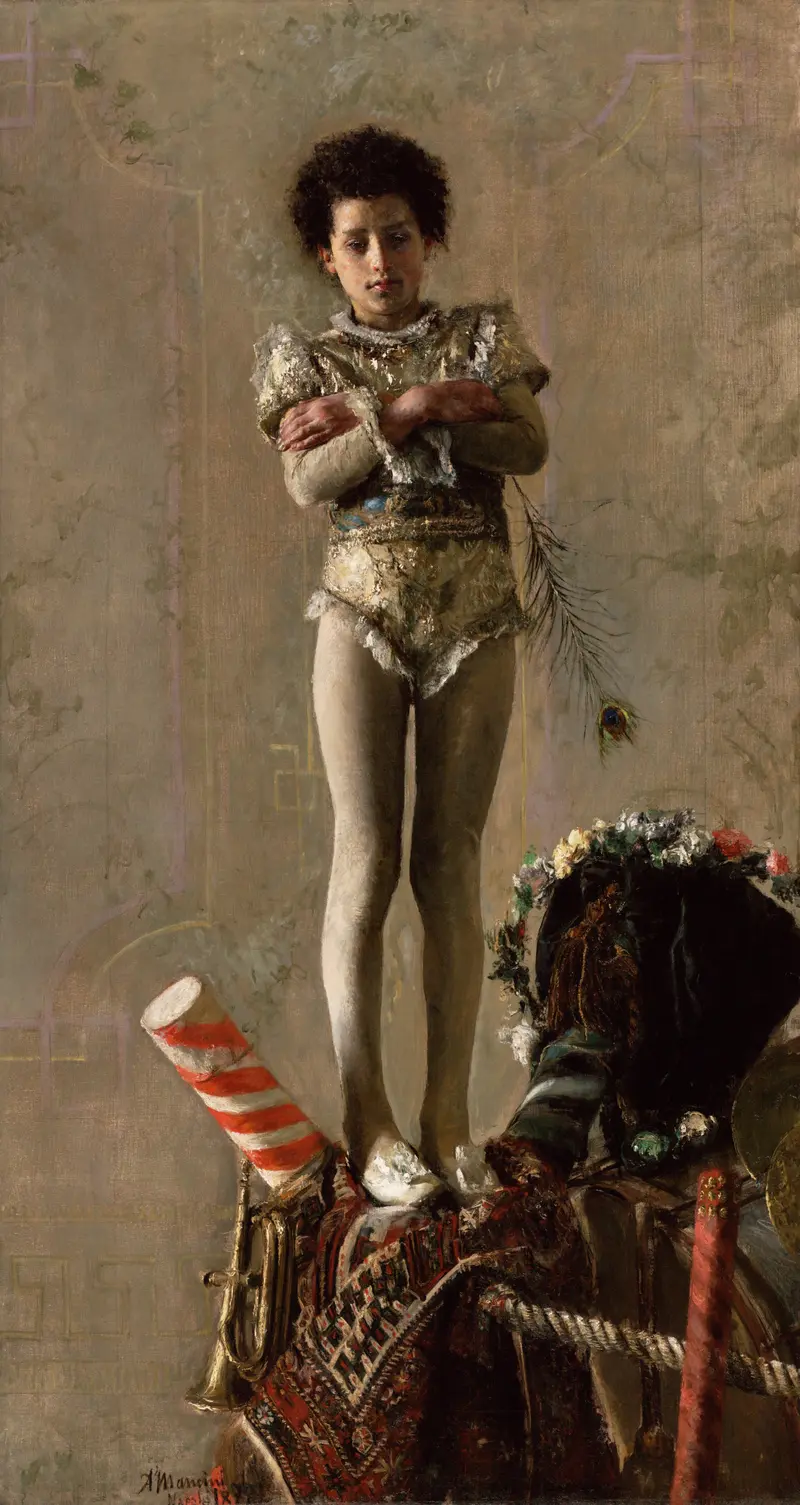
The Saltimbanco
Antonio Mancini
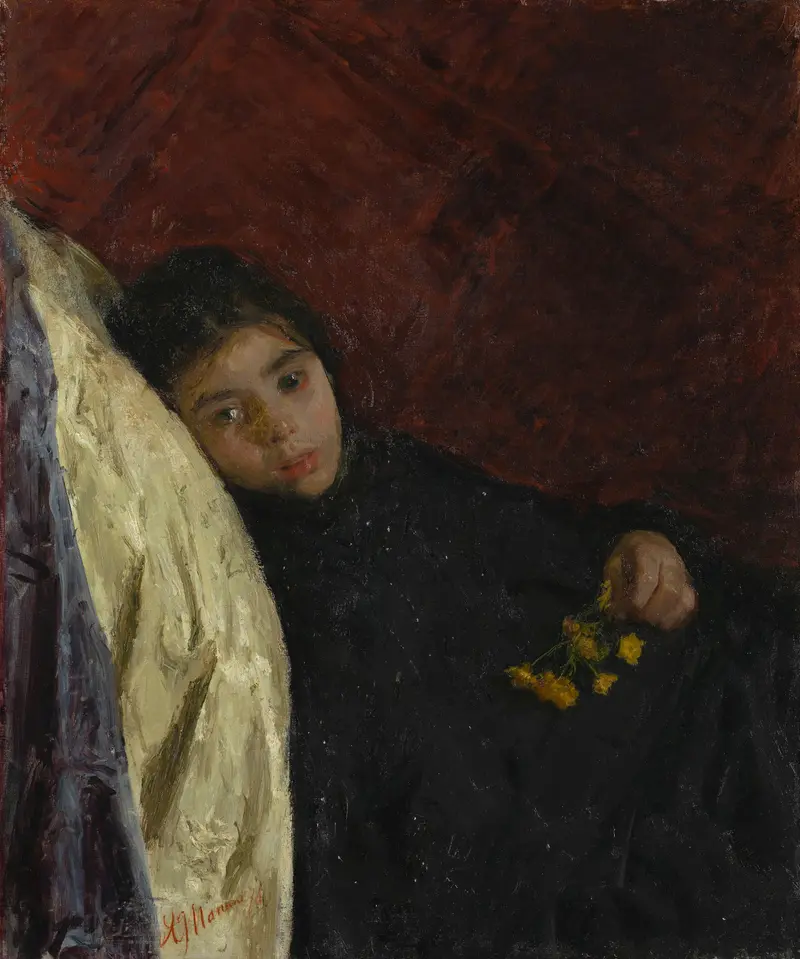
The sick child
Antonio Mancini
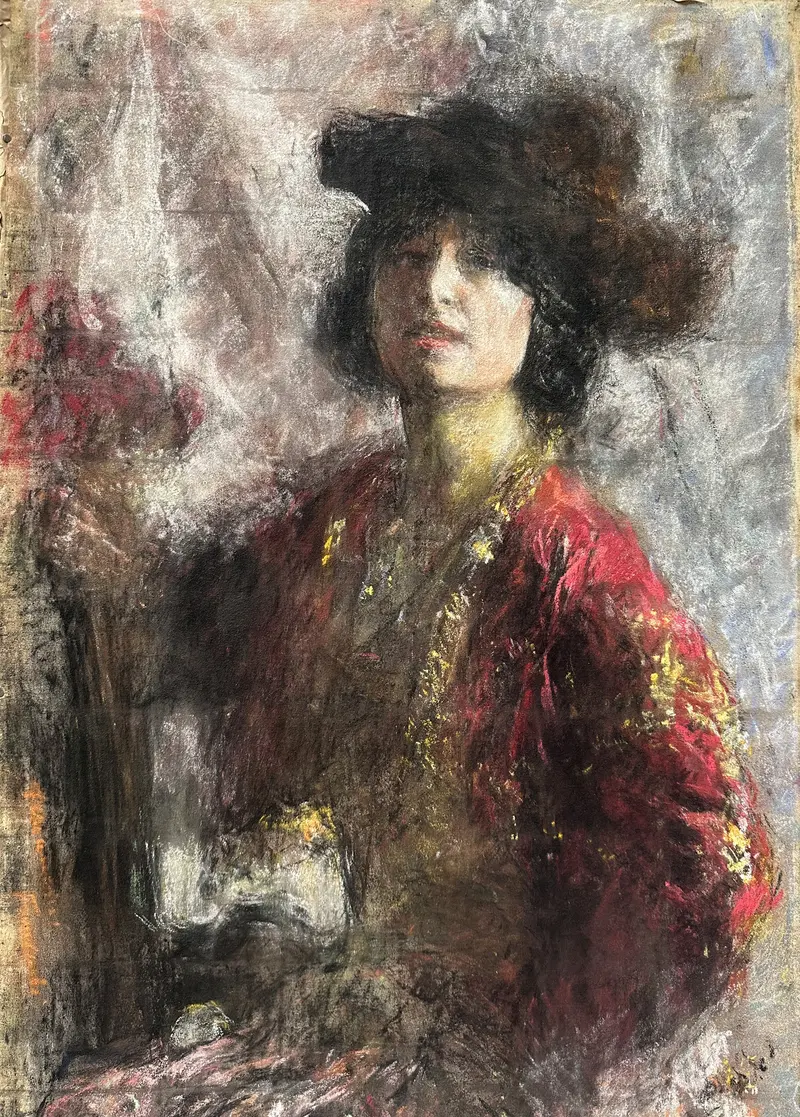
Bolero. Bullfighter
Antonio Mancini
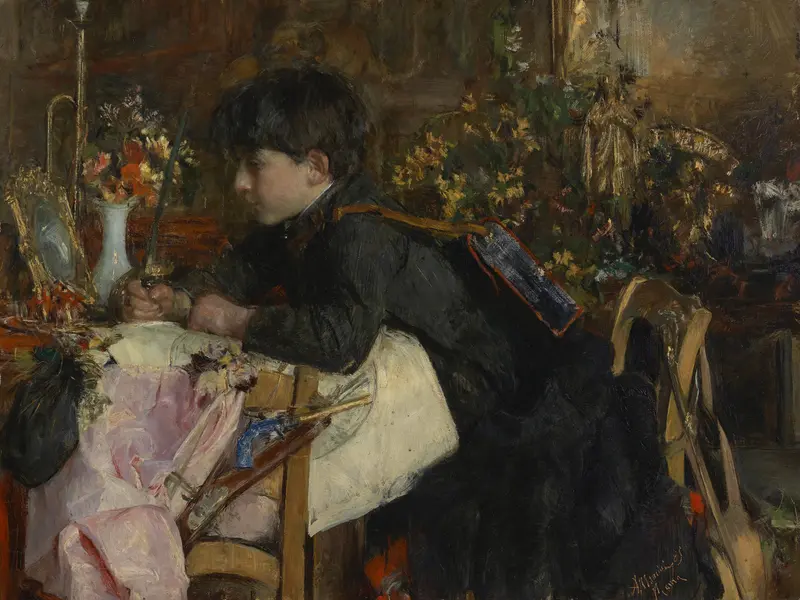
The birthday
Antonio Mancini
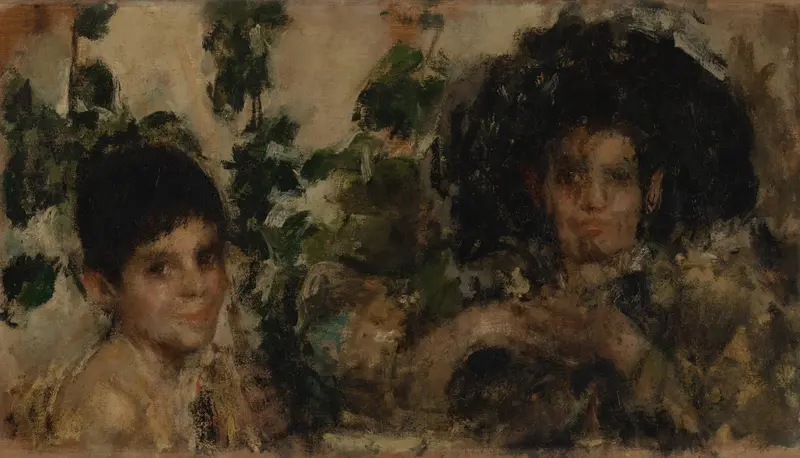
The brothers
Antonio Mancini
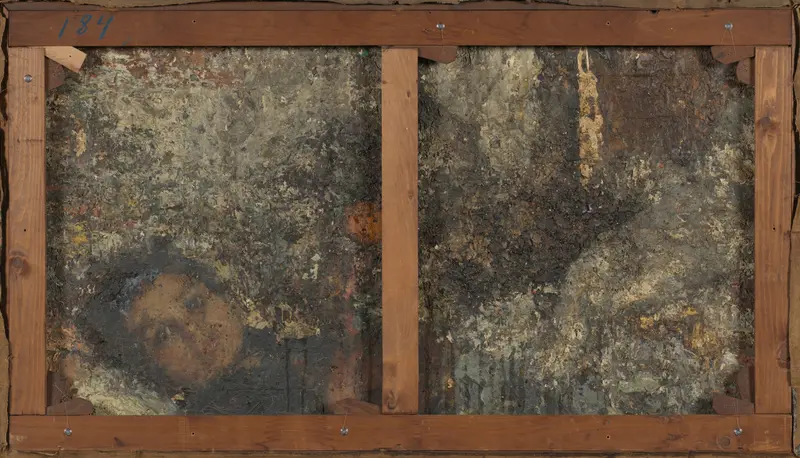
Liggend kind hwm0184v The Mesdag Collection
Antonio Mancini
Servetta
Antonio Mancini



