
God the Father — History & Facts
In the early 1420s, the young friar-painter Fra Angelico was working in the Dominican convent of San Domenico in Fiesole, where he created a series of small devotional images for private prayer. Among these, God the Father stands out for its rarity: direct depictions of God the Father were unusual in early Renaissance Italy, as artists more commonly represented Christ or the Holy Spirit. The painting’s origin is still debated, but it may have formed part of a predella—a row of small narrative panels beneath a larger altarpiece—now dispersed.
Its survival offers a rare glimpse into the devotional practices and visual imagination of early fifteenth-century monastic life. Fra Angelico chose a moment of serene authority: God the Father, robed in radiant colors, raises his right hand in blessing while holding a globe in his left—a symbol of his dominion over creation. The gold background, a legacy of medieval icon painting, bathes the figure in unearthly light, while the delicate lines of the beard and the gentle modeling of the face suggest both wisdom and compassion. The gesture of blessing, with two fingers extended, echoes Byzantine icons and signals divine favor.
Compared to the more distant, enthroned figures of God painted by contemporaries like Masaccio in The Trinity, Fra Angelico’s God is intimate, approachable, and suffused with quiet dignity. The exact journey of God the Father after its creation is unclear, as is often the case with early fifteenth-century panel paintings. It likely remained in a religious setting for centuries, cherished for its devotional power, before entering the art market as monastic collections were dispersed in the nineteenth century. Today, it is recognized as an important example of Fra Angelico’s early style, marked by a transition from Gothic to Renaissance ideals.
Its delicate handling of light and form foreshadows the artist’s later frescoes at San Marco in Florence, where his reputation as “the angelic painter” was firmly established. The painting’s modest scale and intimate character remind us of the private devotion that shaped so much of early Renaissance art.
More Artworks by Fra Angelico

Condemnation of St Lawrence by the Emperor Valerian
Fra Angelico
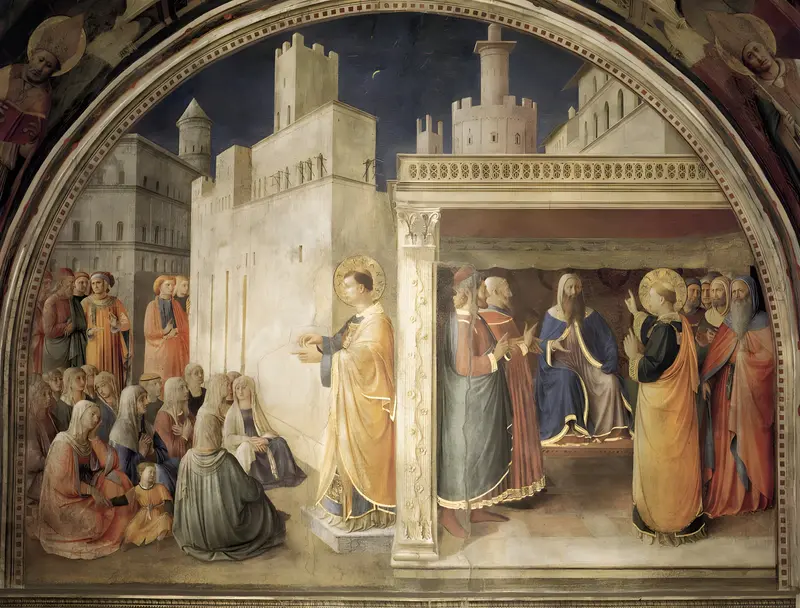
Lunette of the north wall
Fra Angelico
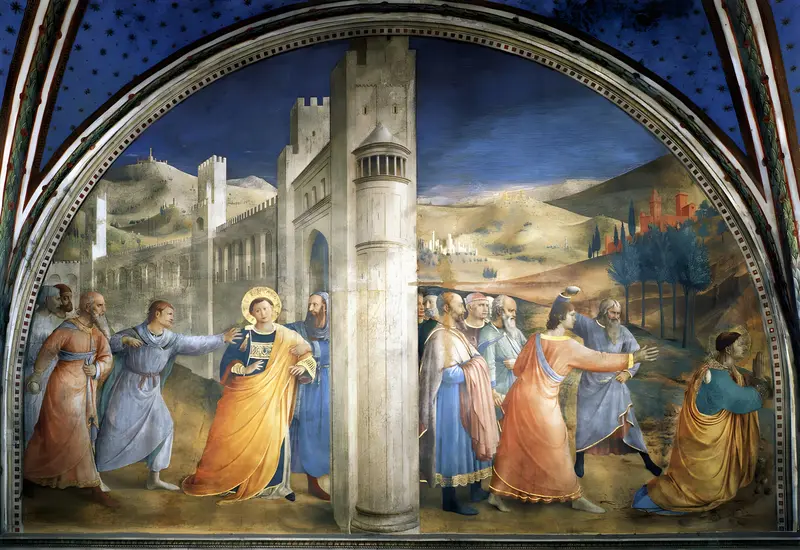
Lunette of the east wall in Niccoline Chapel
Fra Angelico
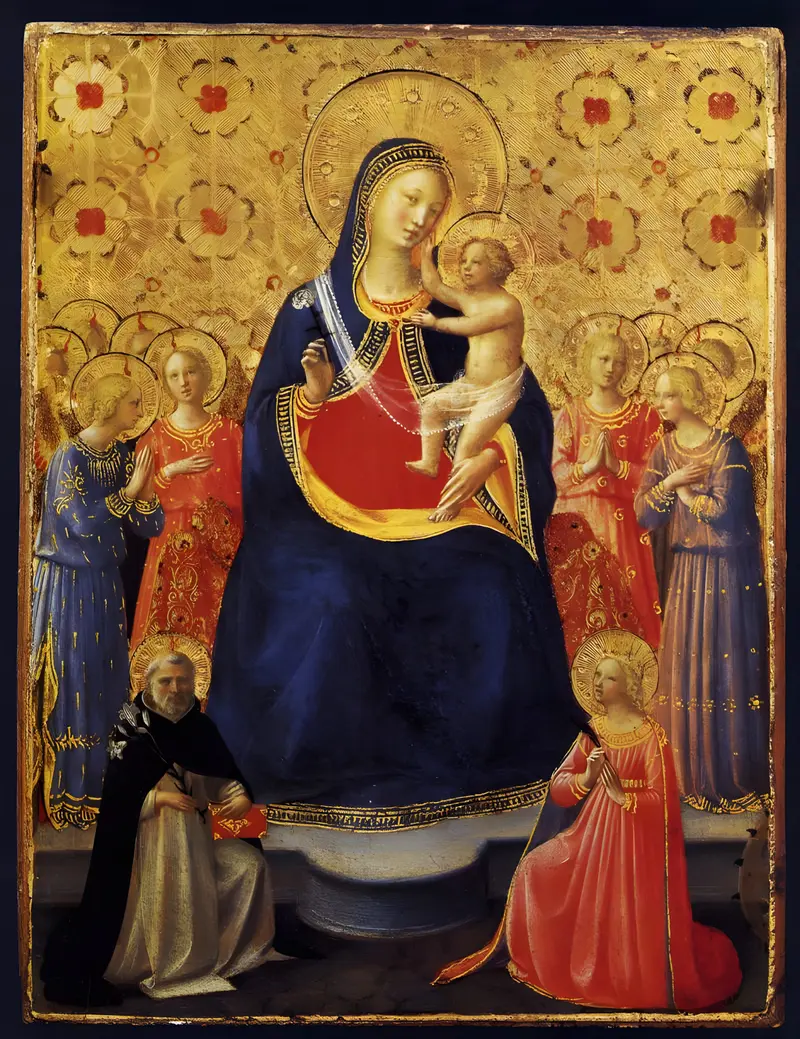
Madonna and Child Enthroned with Nine Angels and Saints Dominic and Catherine of Alexandria
Fra Angelico
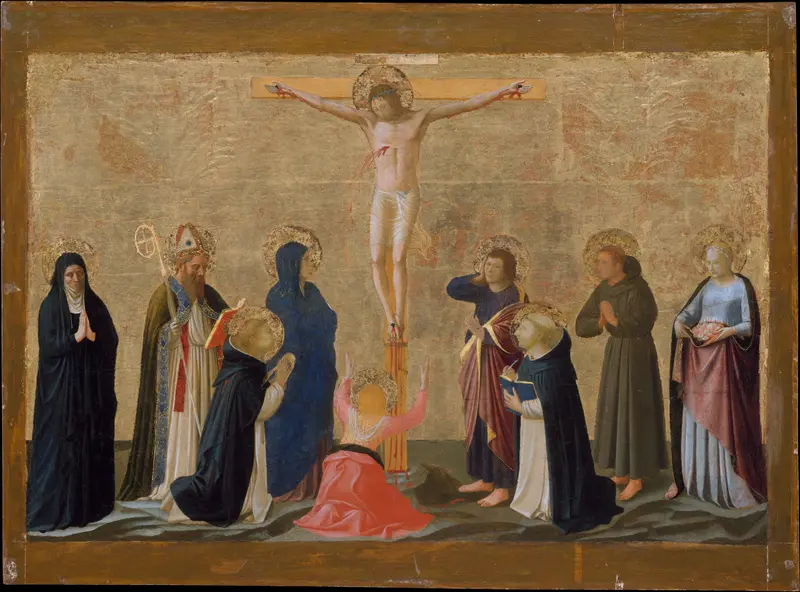
The Crucifixion
Fra Angelico
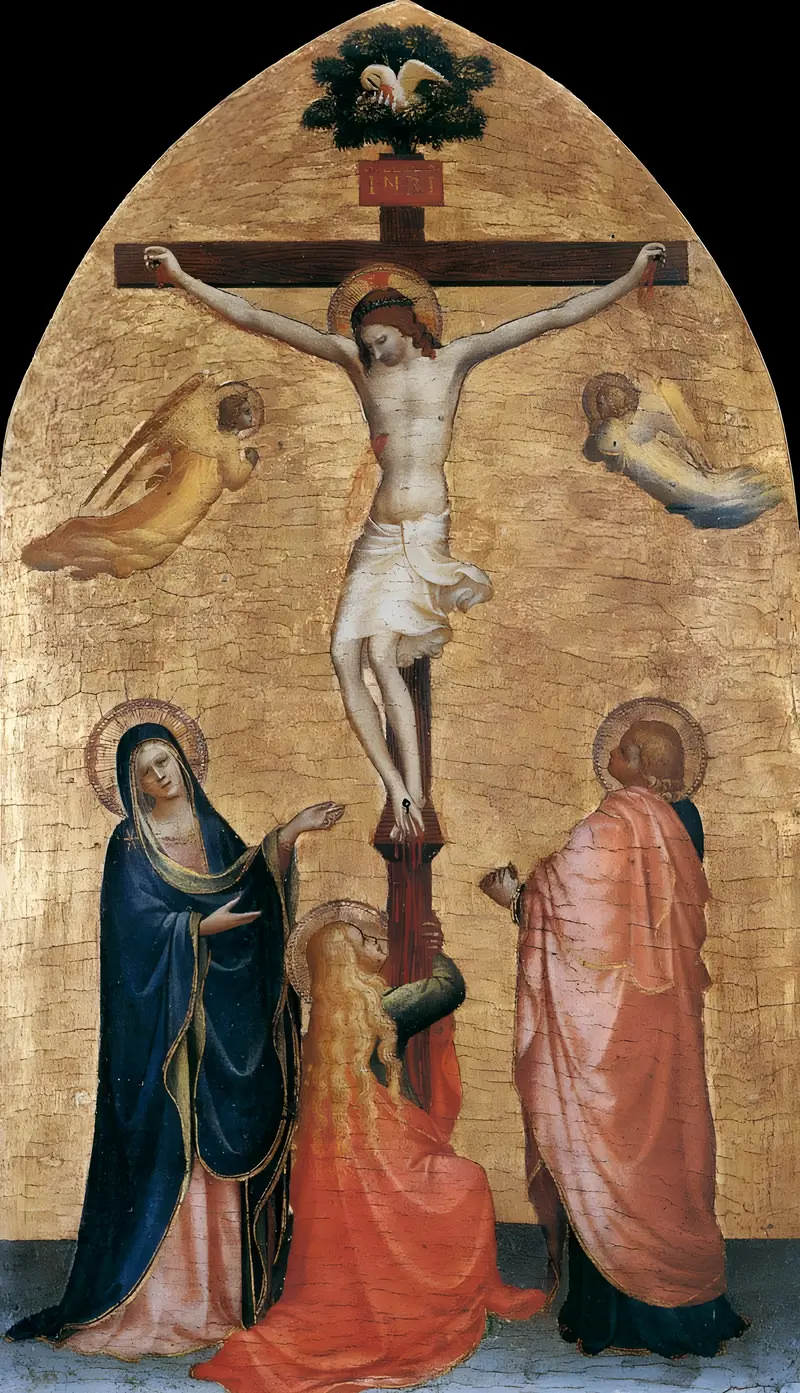
Crucifixion with the Virgin, John the Evangelist, and Mary Magdelene
Fra Angelico
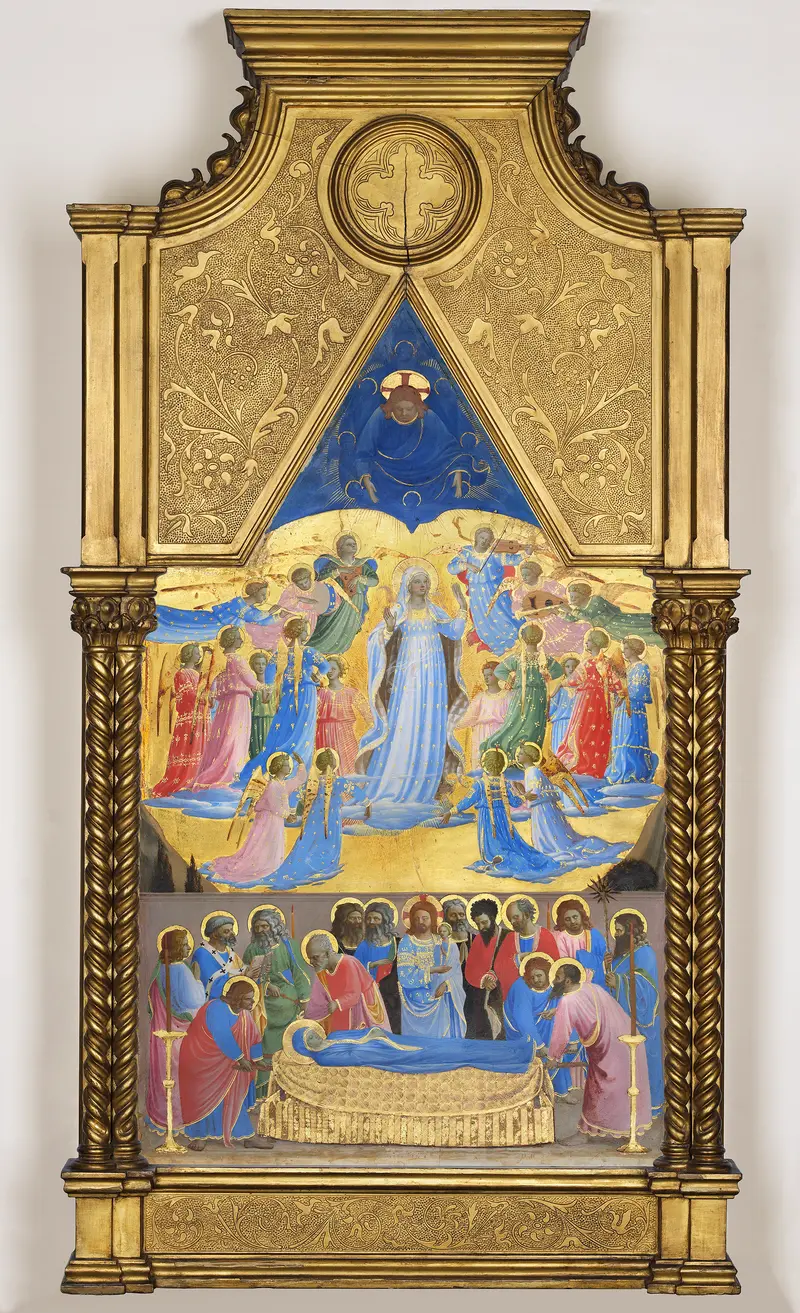
Dormition and Assumption of the Virgin
Fra Angelico
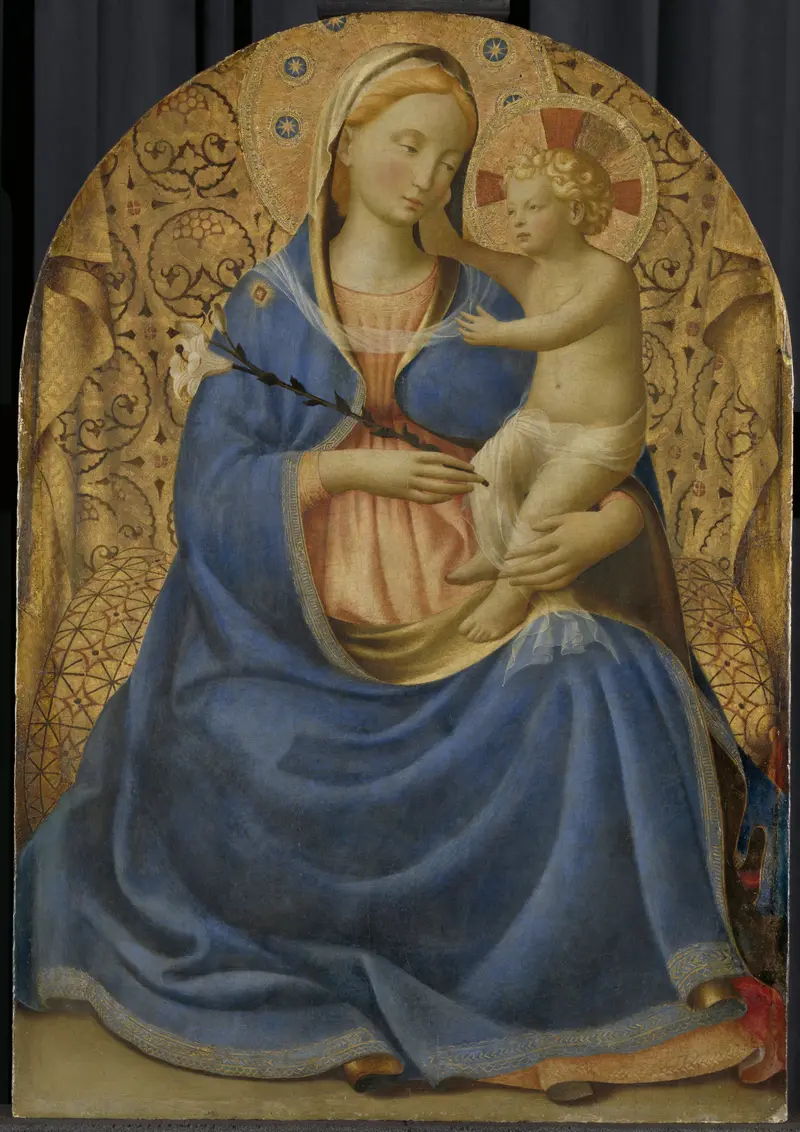
Madonna of Humility
Fra Angelico
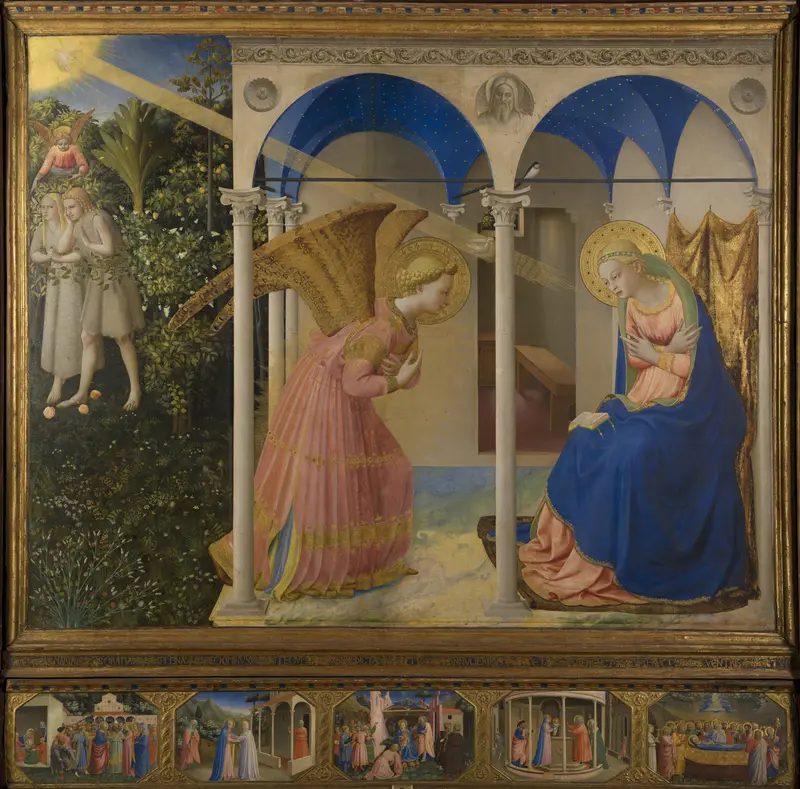
The Annunciation
Fra Angelico

Saint Anthony Abbot
Fra Angelico





