Grotto Interior — History & Facts
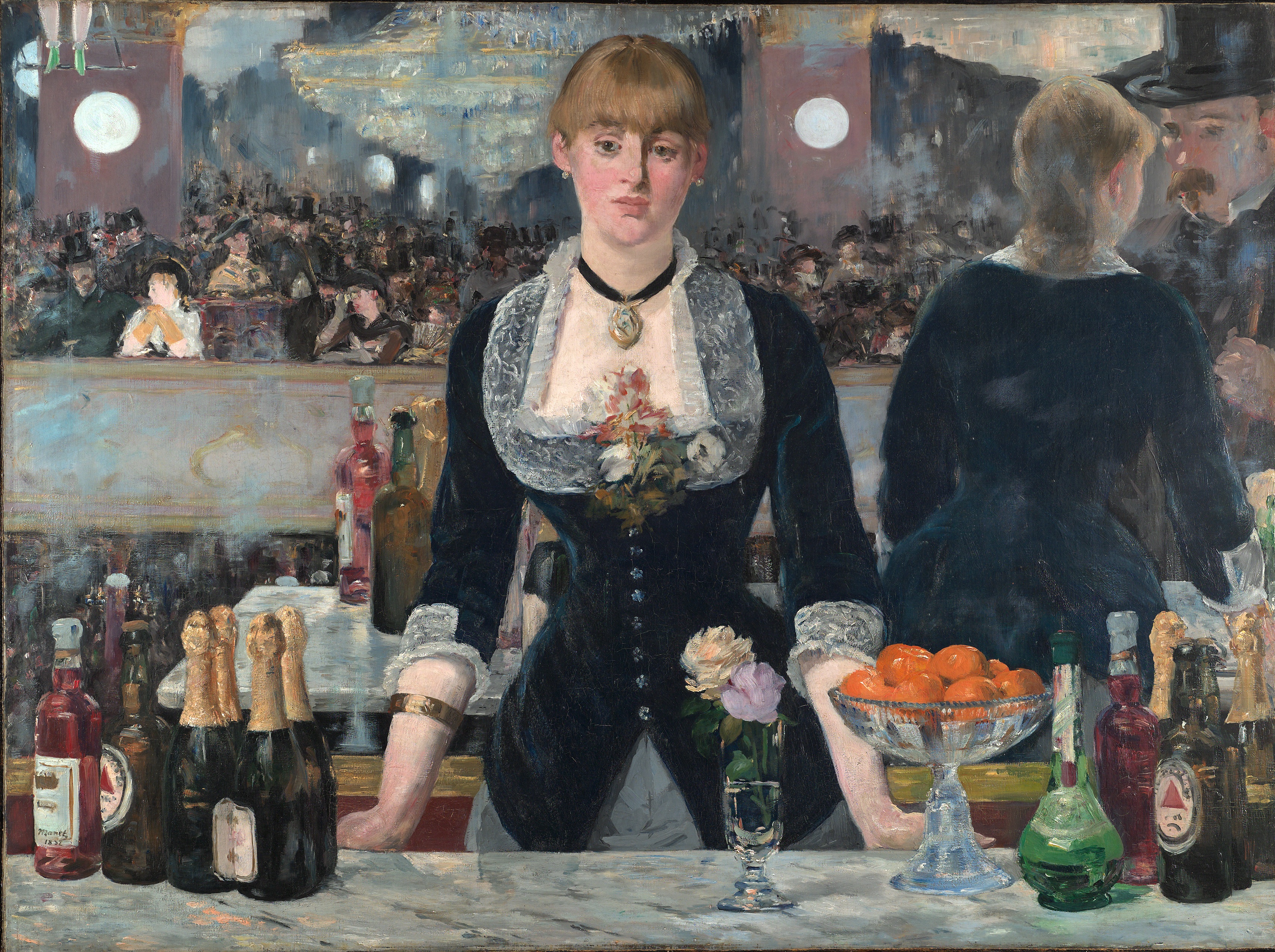
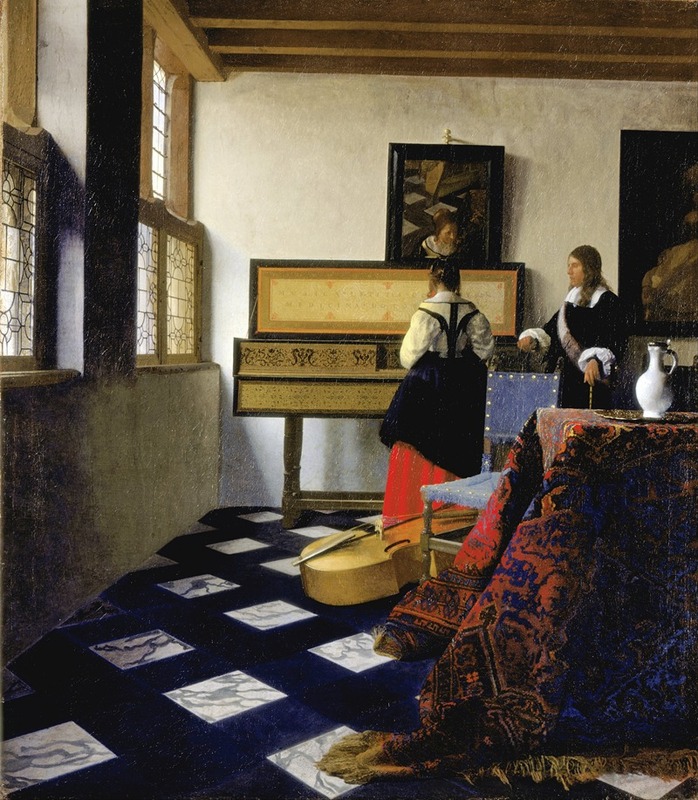
Did the painter know this moment would outlive them? In the hush of an ancient grotto, a world beyond the surface lies concealed, inviting only the most curious souls to explore its depths. Here, light dances on the water’s surface, creating a symphony of reflections that whisper secrets of the past. Focus your gaze on the left, where soft hues of green and blue meld seamlessly within the shadows. Notice how the highlights catch the edges of the rocks, revealing intricate textures that convey both strength and fragility.
The composition draws the eye upward, mimicking the natural flow of water as it winds through the cavern, while delicate brushwork evokes an ethereal quality that suggests life and vitality amidst the stillness. Yet, there is a tension within this tranquil setting. The interplay of light and shadow suggests the duality of nature—its beauty intertwined with the inevitability of decay. The still surface of the water acts as a mirror not just to the grotto's majesty, but also to the profound depths of human introspection, urging viewers to contemplate their own reflections in the stillness.
Each ripple hints at the passage of time, inviting contemplation on transience amidst permanence. David Cox created Grotto Interior around 1850 while living in England, a period marked by a burgeoning appreciation for landscape painting and a fascination with natural forms. During this time, his work evolved towards a more intimate connection with nature, paralleling broader artistic movements that sought to express emotion through the sublime beauty of the natural world. The piece encapsulates his journey, reflecting not just a moment in time, but the artist's own exploration of existence and the ephemeral.
More Artworks by David Cox
Browse all →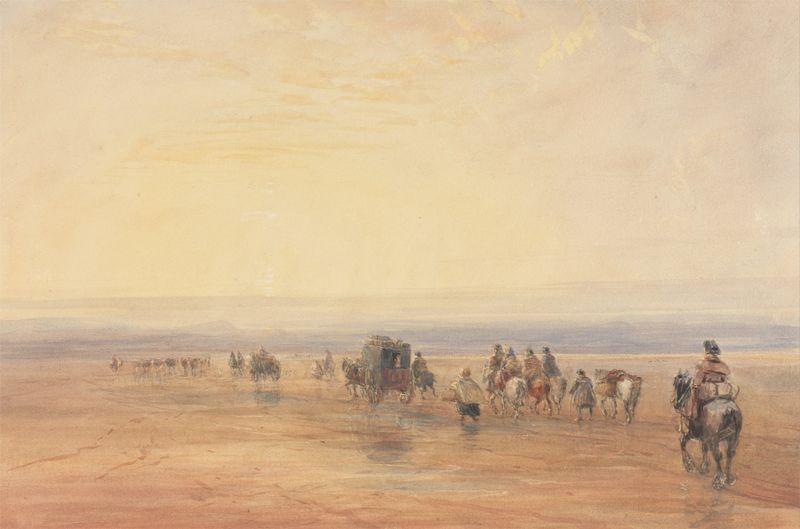
Crossing Lancaster Sands
David Cox
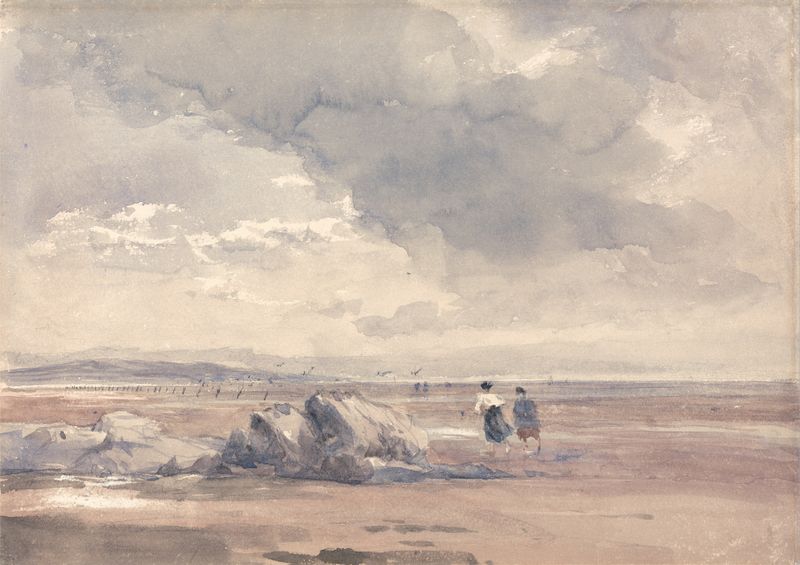
On Lancaster Sands, Low Tide
David Cox

Lincoln Cathedral from Brayford Pool
David Cox

View in Wales
David Cox
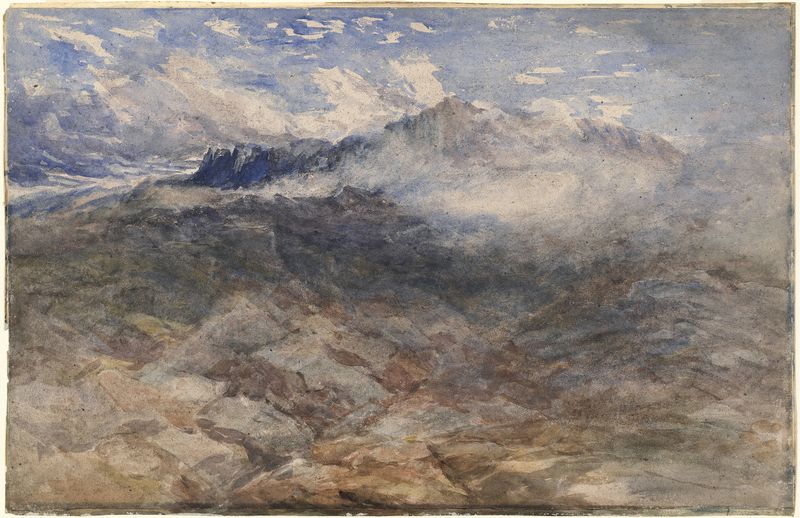
Mountain Heights, Cader Idris
David Cox

Bergen op Zoom
David Cox

Boating Before Lambeth Palace, London
David Cox
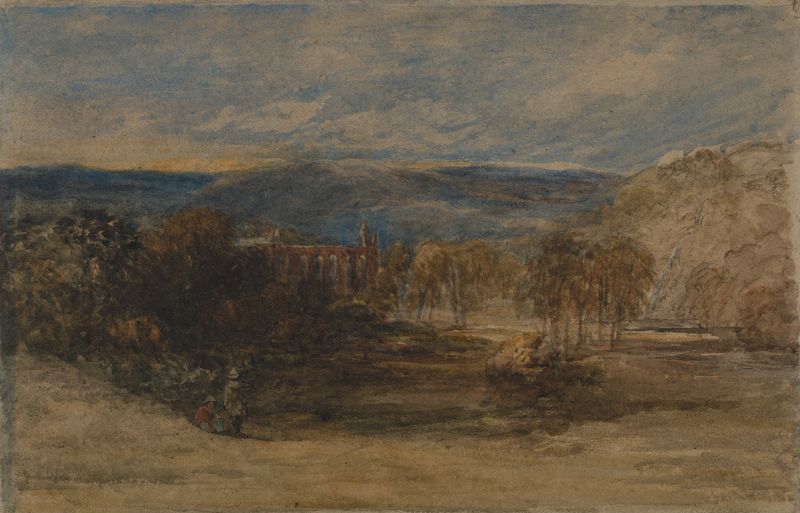
Bolton Abbey
David Cox

London Bridge
David Cox
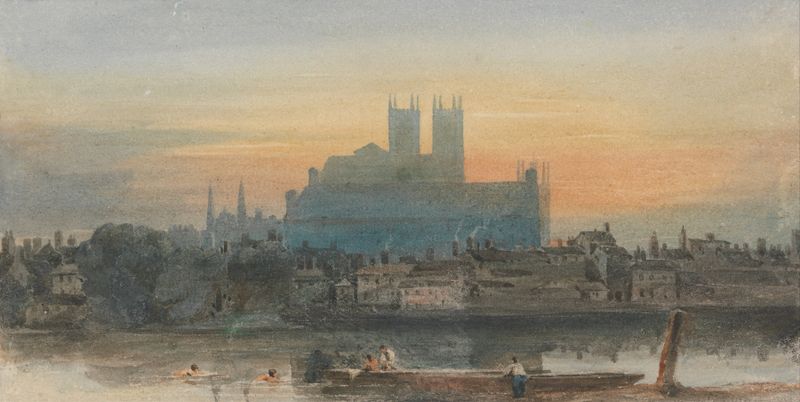
Westminster from Lambeth
David Cox