Gypsies in a Landscape — History & Analysis
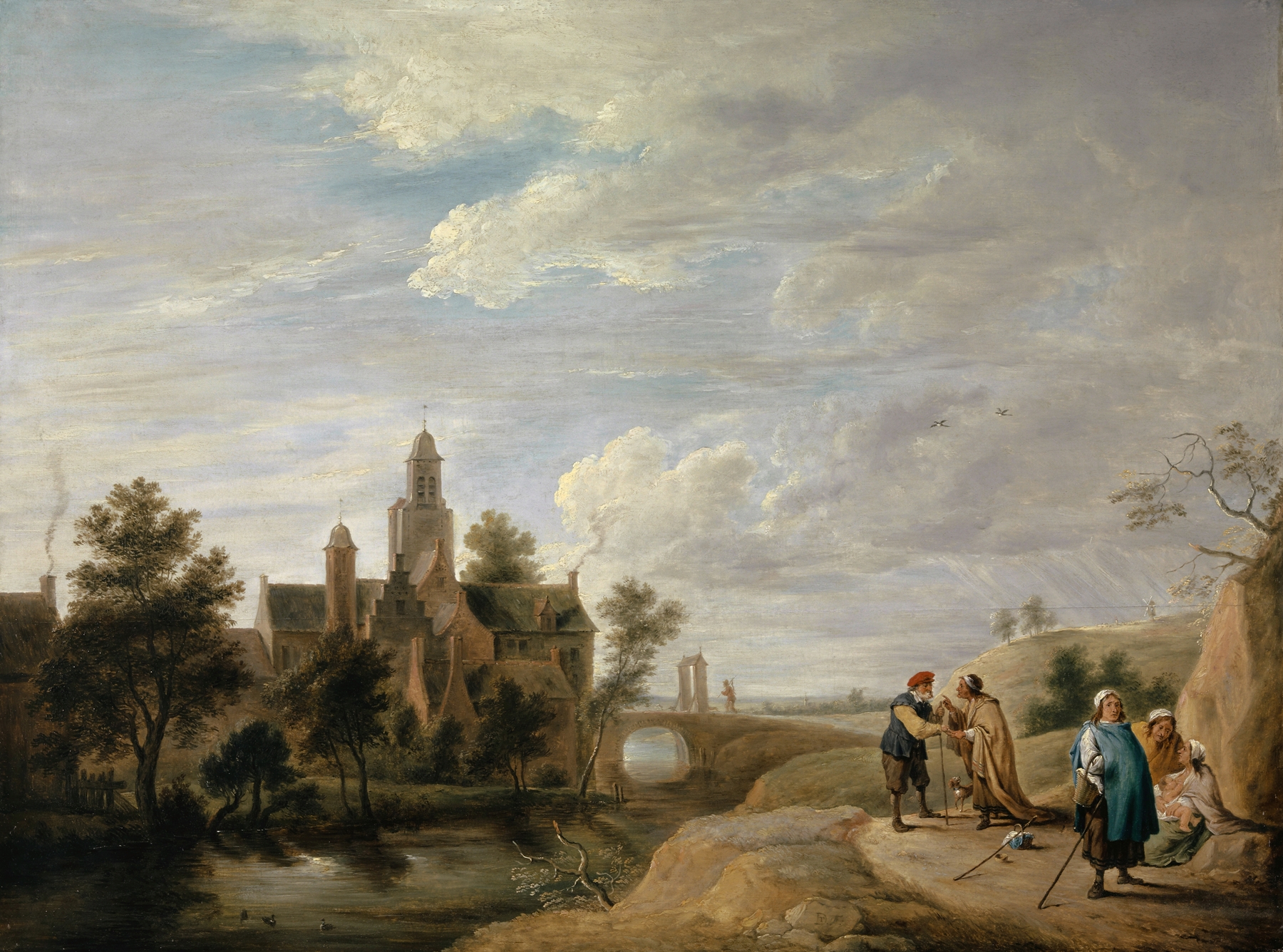
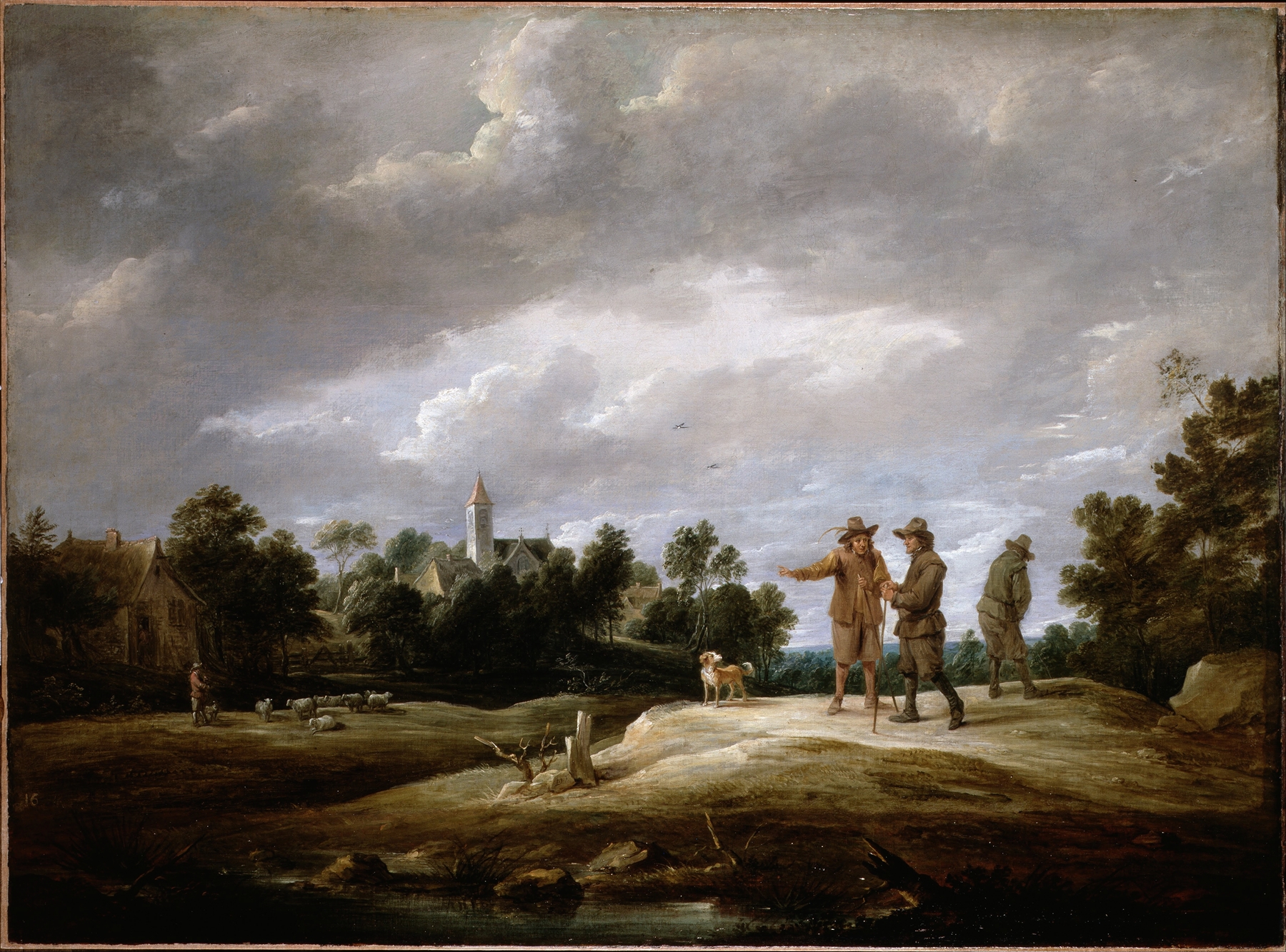
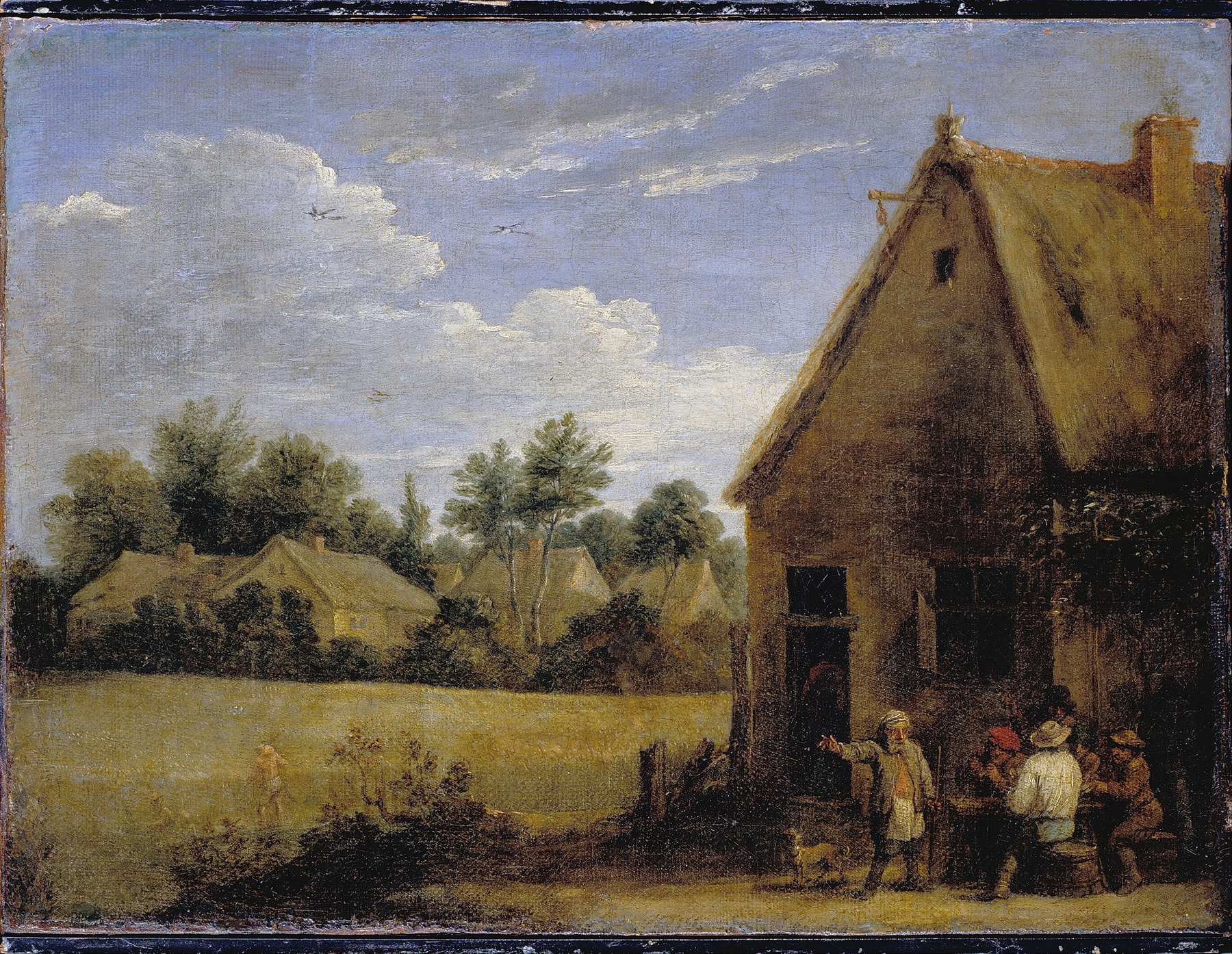
What if silence could speak through light? In the tranquil embrace of nature, stillness breathes life into a vivid tableau, hinting at stories hidden within each brushstroke. Focus on the central group of gypsies, their figures harmonizing with the landscape that envelops them. Observe the warm earth tones of their clothing, which mirror the golden hue of the sunlight cascading through the trees.
Notice how the light dances across their faces, illuminating expressions of subtle camaraderie and shared experience, while the verdant backdrop recedes into a soft blur, emphasizing their presence as both part of and apart from nature. The juxtaposition of the animated figures against the serene landscape speaks of a deeper narrative. Here, the isolation of their joys and struggles unfolds quietly, as if the world outside is unaware of their existence. The surrounding stillness invites contemplation—what dreams or sorrows are harbored in this intimate gathering?
Teniers captures the essence of a transient moment, where both movement and tranquility coexist, echoing the broader themes of fleeting happiness and the resilience of community. Painted during a period of artistic exploration in the 17th century, the artist was deeply influenced by the Baroque movement, particularly in its focus on realism and the beauty of everyday life. This piece reflects not only Teniers’ mastery of light and shadow but also a growing fascination with the lives of marginalized communities. It serves as a testament to his ability to evoke profound emotion through the simplicity of a scene, demonstrating the exceptional skill he wielded as an artist during this transformative era.