
Girl in the Kitchen — History & Facts
A hush fills the kitchen’s dim interior, where the light falls just enough to reveal a young girl pausing in her work. The rough stone walls and arched recesses seem to press in, yet the girl stands upright, her gaze steady and unhurried. Her scarf, wrapped in warm reds and ochres, draws the eye first, a vivid note against the muted earth tones of her skirt and the heavy shadows around her.
The painter’s loose, almost sketchlike brushwork leaves the background indistinct, focusing our attention on the girl’s presence—her hand resting on a wooden surface, her stance caught between movement and stillness. In this moment, the kitchen is not just a place of labor, but a stage for quiet resilience. Works like Girl in the Kitchen by Aleksander Kotsis, painted between 1870 and 1875, belong to a time when artists across Europe turned their attention to the everyday lives of ordinary people. In Poland, as in much of the continent, the depiction of rural and working-class figures was both a record of changing social realities and a subtle act of recognition.
Such paintings were rarely grand commissions; they were often created for private collectors or as studies from life, reflecting a growing interest in the dignity of humble labor. Today, this painting resides in The National Museum in Kraków, its quiet scene inviting us to look again at the overlooked corners of the past—and at the people who inhabited them.
More Artworks by Aleksander Kotsis

Trip in the Tatra Mountains
Aleksander Kotsis

Fair in Nowy Targ
Aleksander Kotsis
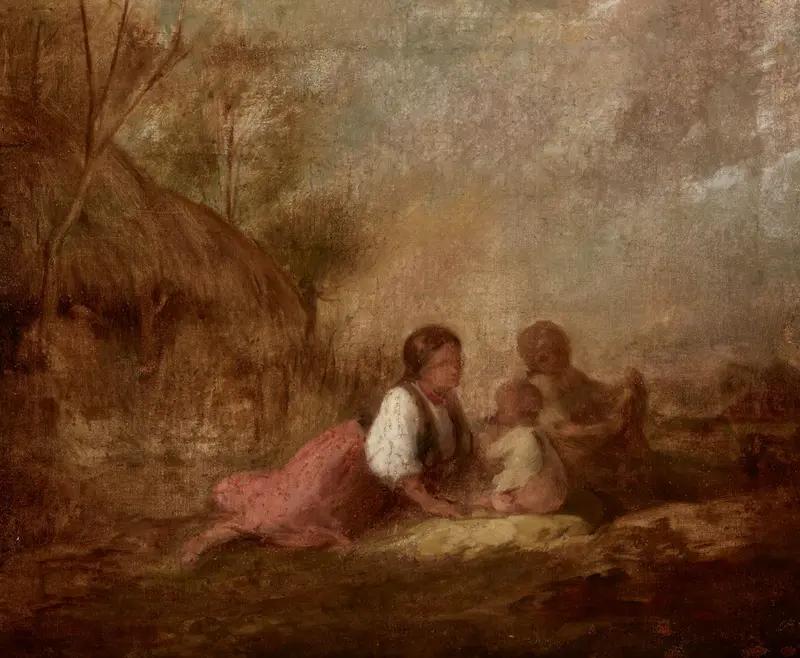
Pastoral Scene
Aleksander Kotsis
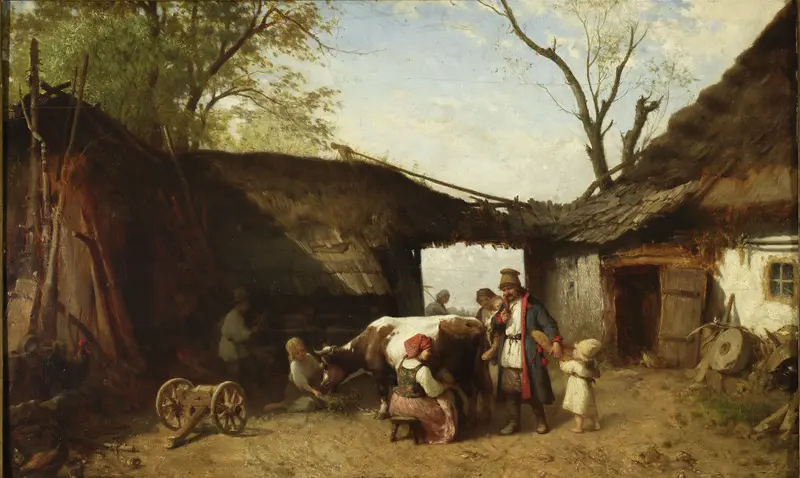
In the farmyard
Aleksander Kotsis
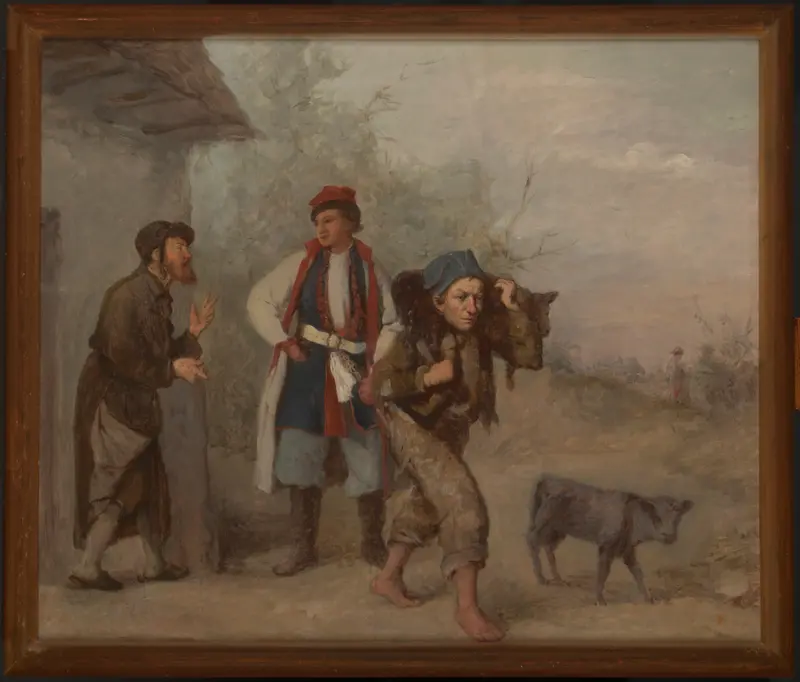
Haggling over a Calf
Aleksander Kotsis
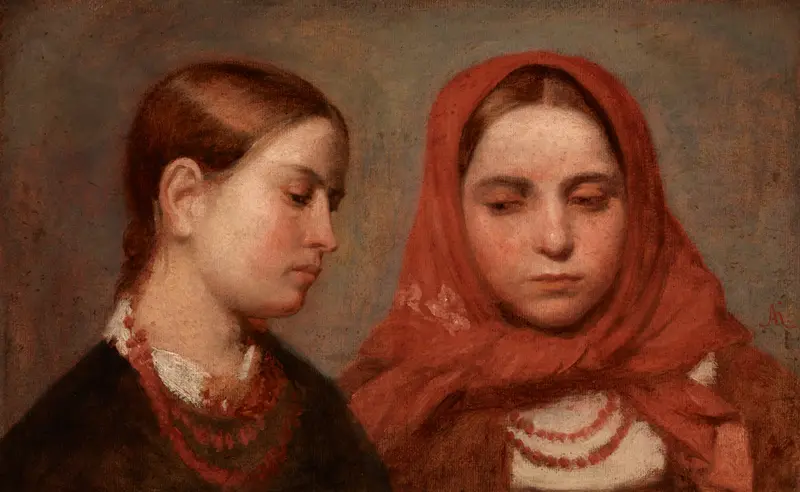
Heads of Two Young Girls
Aleksander Kotsis
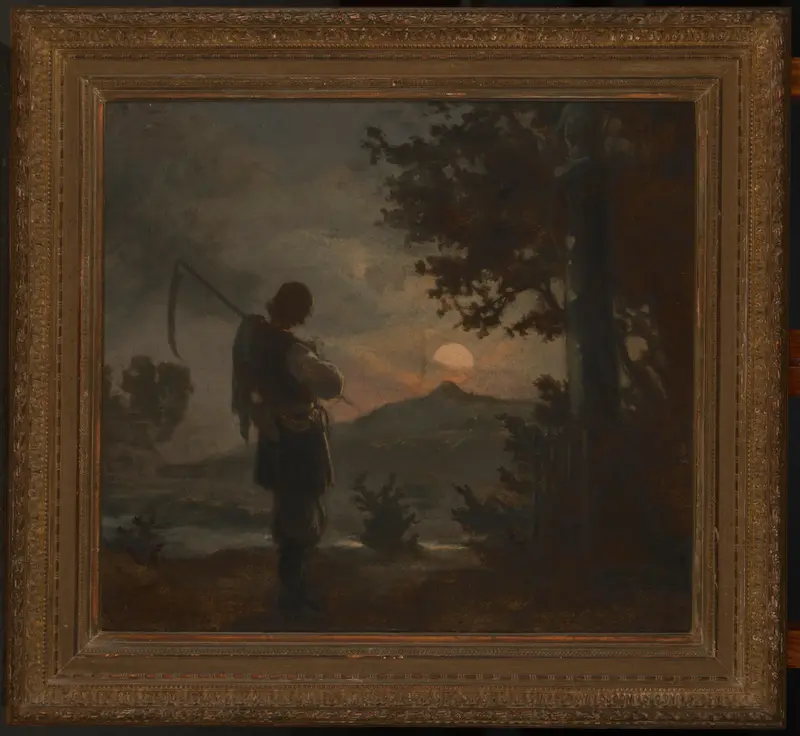
Haymaker
Aleksander Kotsis
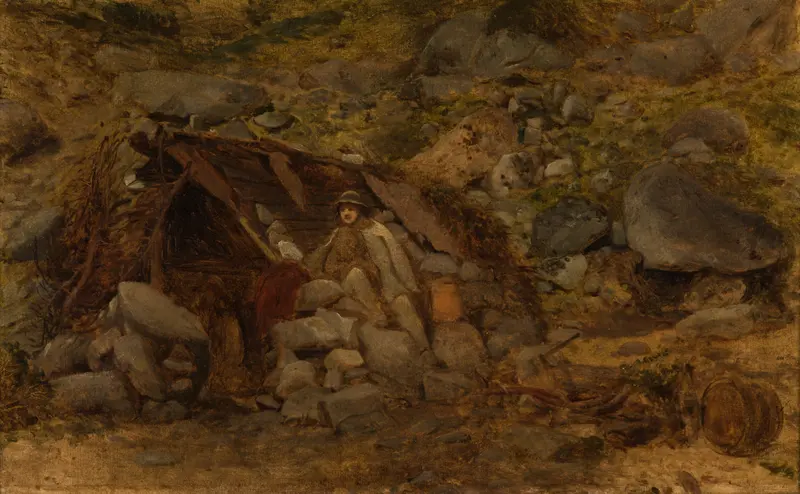
Highlander in Front of a Hut
Aleksander Kotsis
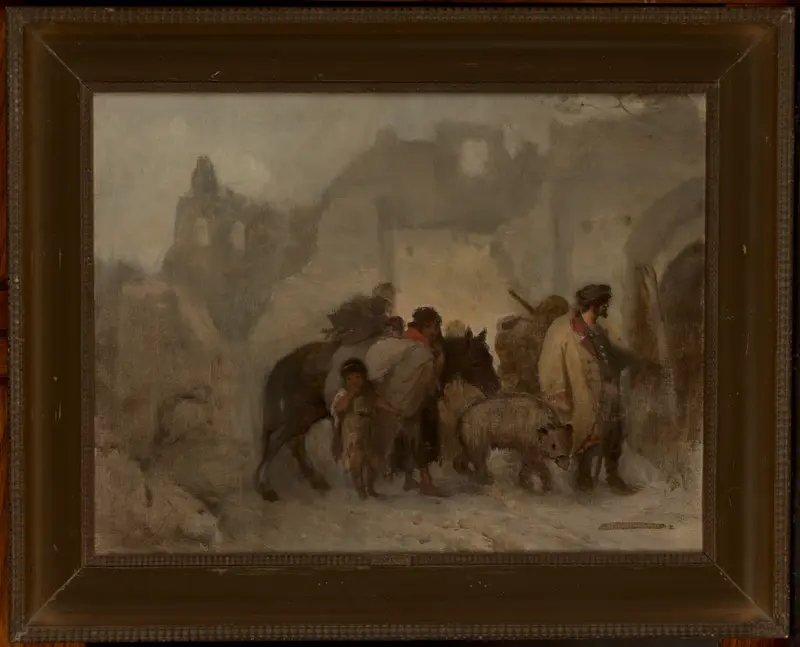
Gypsies
Aleksander Kotsis
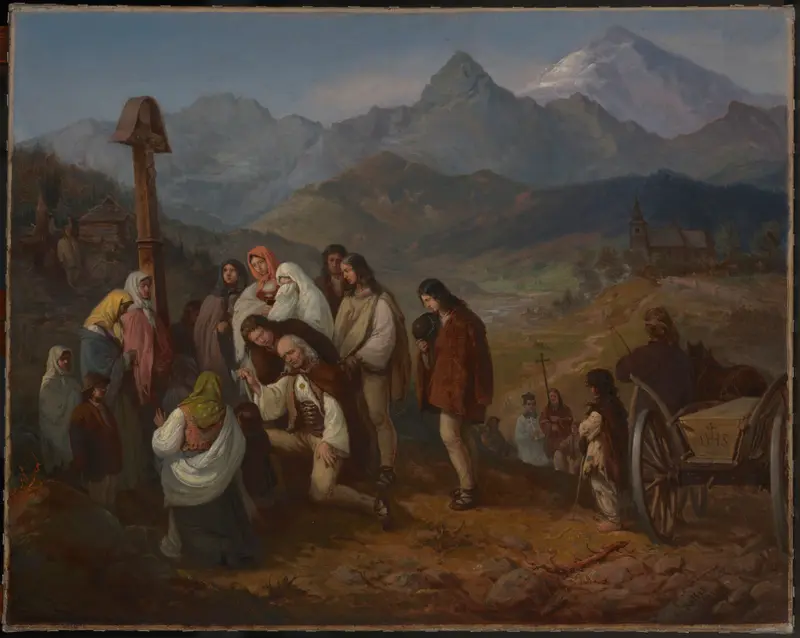
A Highlander's Funeral
Aleksander Kotsis
More Genre Scene Art

Banquet of the Officers of the St George Civic Guard
Frans Hals

Rembrandt and Saskia in the Scene of the Prodigal Son
Rembrandt van Rijn

Bal du moulin de la Galette
Pierre-Auguste Renoir

Quadrille at the Moulin Rouge
Henri de Toulouse-Lautrec

A Burial at Ornans
Gustave Courbet

When Will You Marry?
Paul Gauguin