
Head of a Peasant — History & Facts
The first thing that seizes the eye in Head of a Peasant is the bold geometry of the face, as if the artist is chiseling a monument from living color. The head floats in a sea of blank paper, its unfinished outline suggesting a body that never quite arrives. The peasant’s gaze is sidelong and wary, his eyes wide, outlined in black, alert to something just outside our view.
Malevich sculpts the planes of the face with blocks of ochre, crimson, and shadow, the beard a stormy blue that refuses naturalism. Every brushstroke is deliberate, flattening and fragmenting, so that the peasant’s expression becomes a mask—at once ancient and modern, intimate and remote. In 1911, the world of Russian art was in upheaval, and Kazimir Malevich was at the heart of it. Artists like Malevich were breaking with tradition, searching for new ways to speak of a rapidly changing society where the peasant, so often idealized or ignored, was now a figure of urgent interest.
This work comes from a moment just before Malevich’s leap into abstraction, when he was still wrestling with the human form but already stripping it down to essentials. The result is a portrait that feels both raw and constructed, as if the very idea of “the peasant” is being rebuilt before our eyes. Few traces remain to tell us the journey of this particular head, but its presence is a reminder to look again, to see what might be hidden in the simplest face.
More Artworks by Kazimir Malevich

Red Square
Kazimir Malevich

Suprematist Composition: White on White
Kazimir Malevich

Black Square
Kazimir Malevich
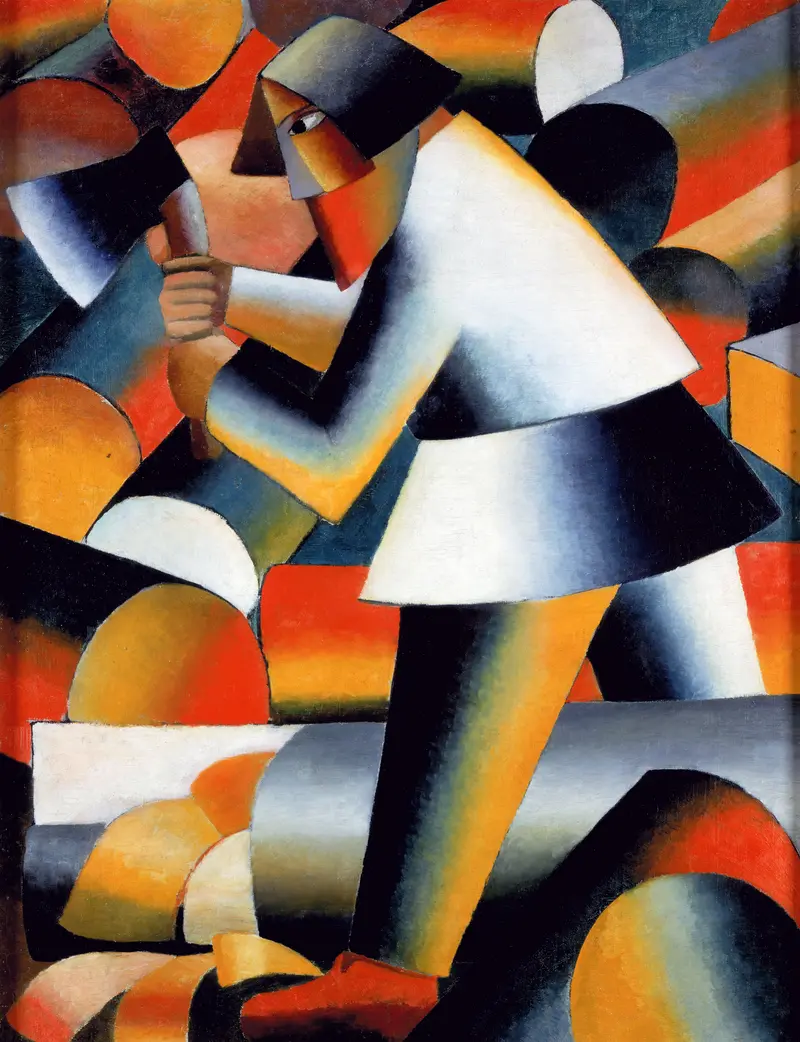
The Woodcutter
Kazimir Malevich

Untitled
Kazimir Malevich
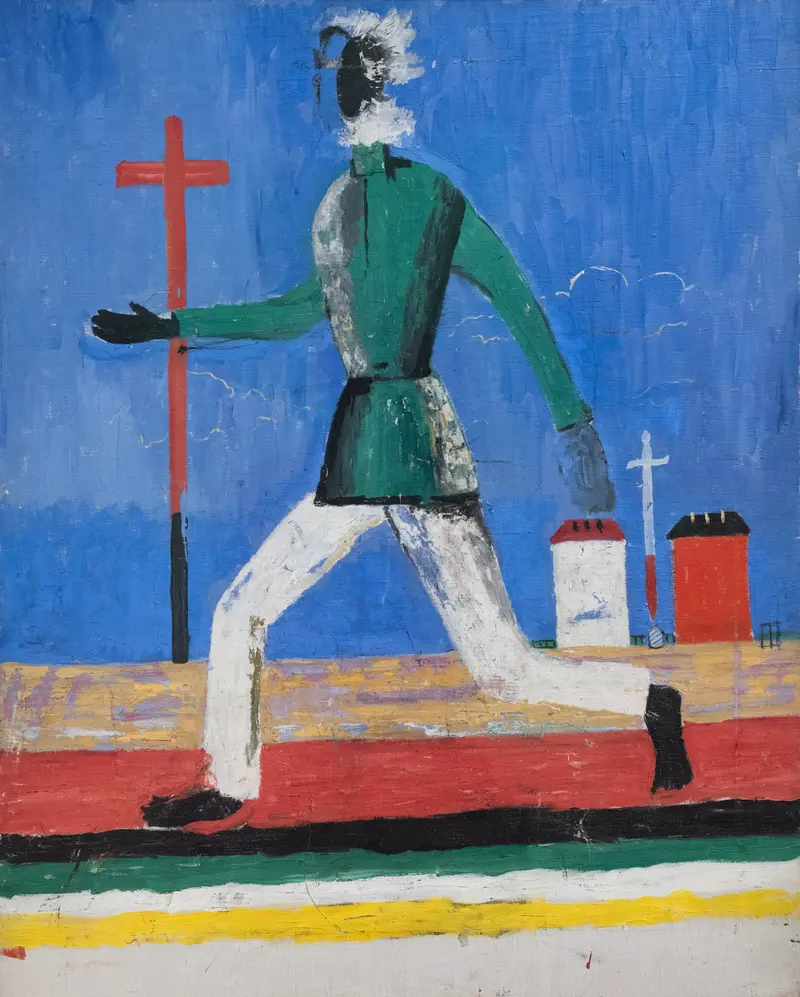
Sensation of danger
Kazimir Malevich
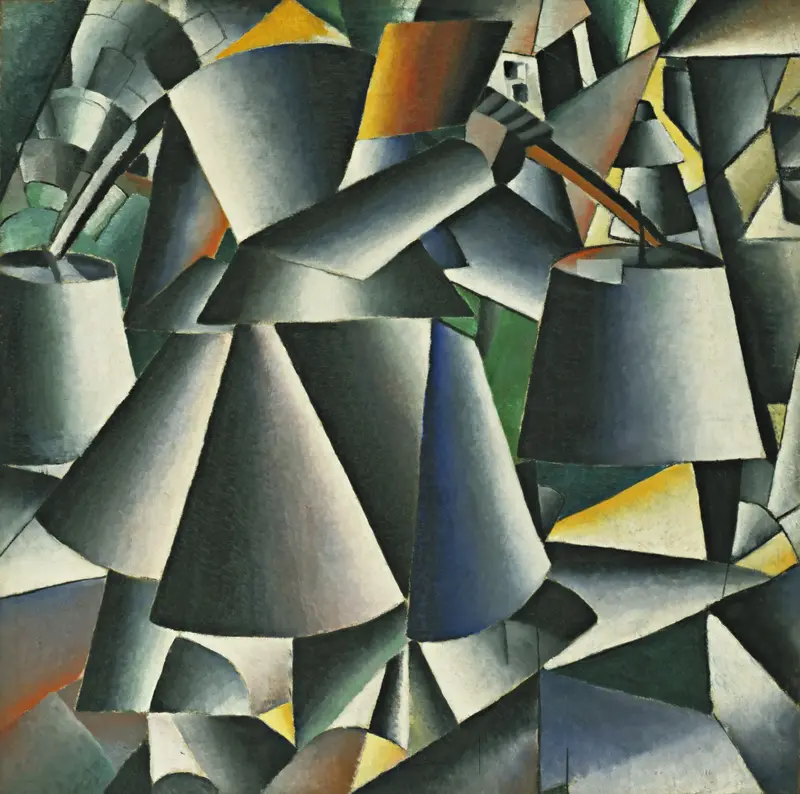
Woman with Pails: Dynamic Arrangement
Kazimir Malevich
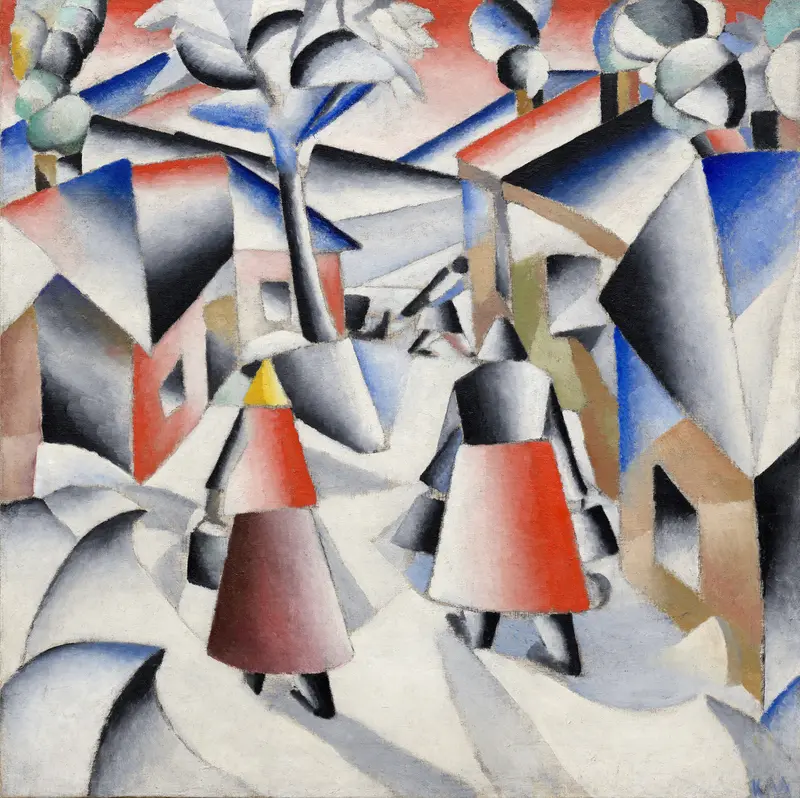
Morning in the Village after Snowstorm
Kazimir Malevich
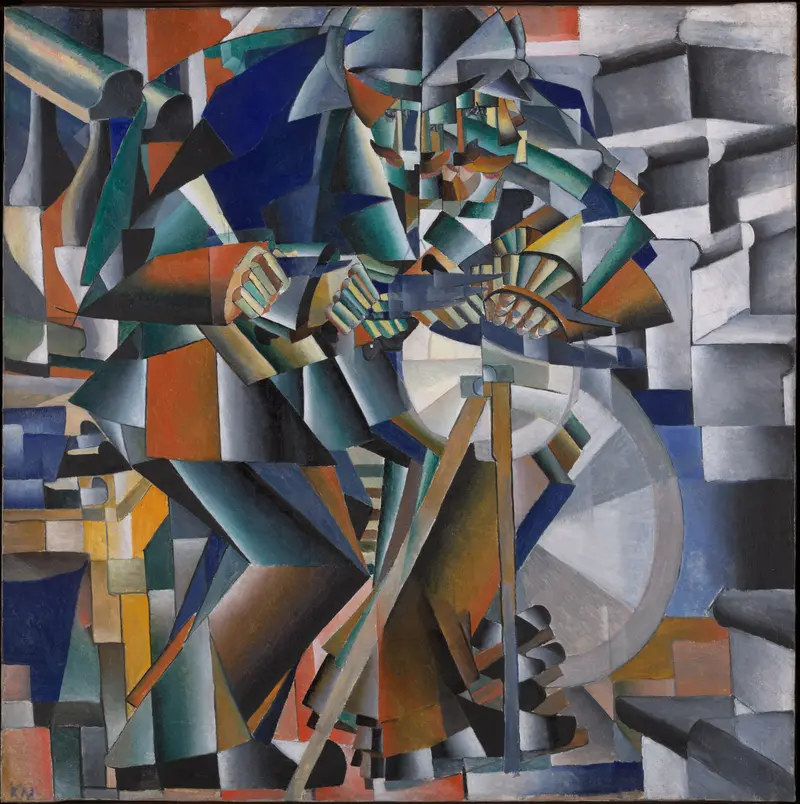
The Knife Grinder
Kazimir Malevich
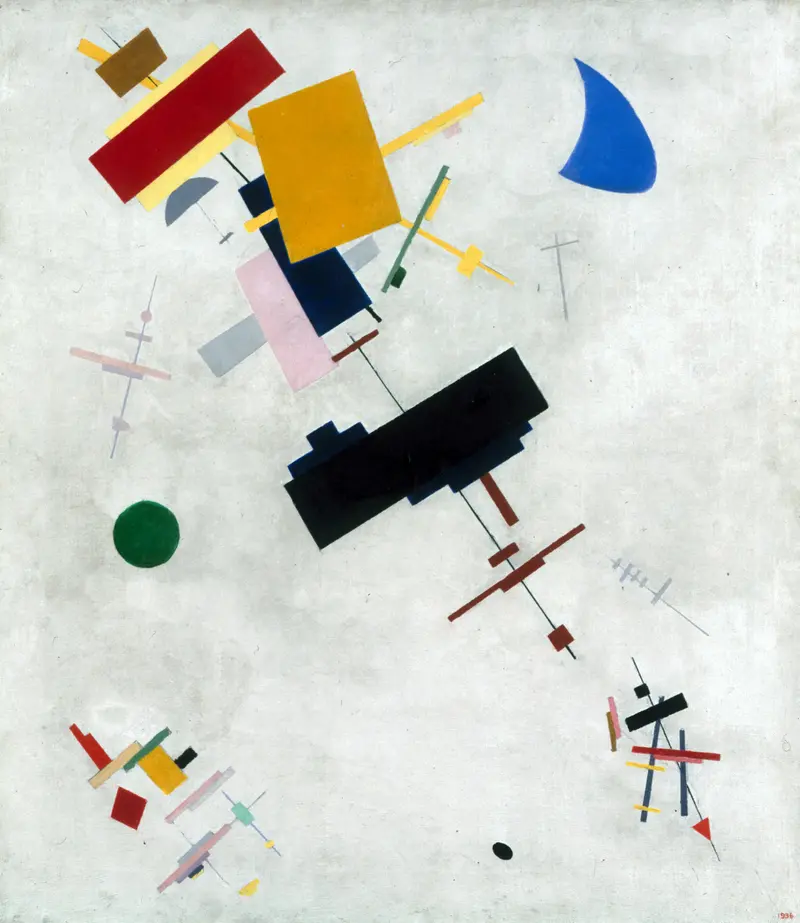
Suprematism (Supremus no. 56)
Kazimir Malevich





