
Head of a Shipwrecked Man — History & Facts
When Théodore Géricault began work on his series of studies for The Raft of the Medusa in 1818, he did something few artists had dared before: he sought out the faces of real suffering. Head of a Shipwrecked Man is one of several haunting fragments Géricault painted from life, using models drawn from hospitals and the streets of Paris. These studies were not simply academic exercises; they were part of his obsessive quest to capture the raw truth behind the tragedy of the French frigate Méduse, which ran aground off the coast of Senegal in July 1816, dooming over a hundred people to starvation and madness on a makeshift raft.
Géricault’s contemporaries were shocked by the realism and intensity of these heads, which seemed to bring the horrors of recent news directly into the studio. The man in this study is caught at the edge of despair and hope, his eyes wide and unfocused, lips parted as if gasping for breath or words. Géricault’s brushwork is urgent and direct, the flesh modeled with quick, almost sculptural strokes that emphasize the gaunt cheeks and hollowed eyes. The absence of background or setting isolates the figure, forcing the viewer to confront the psychological aftermath of catastrophe.
Unlike the idealized, heroic faces of earlier shipwreck paintings—such as those by Jacques-Louis David—Géricault’s subject is anonymous, stripped of narrative, defined only by his suffering. The painting is both a document and a warning, a human face standing in for the hundreds lost at sea. The exact medium of Head of a Shipwrecked Man remains uncertain—some believe it to be oil on canvas, others suggest a different support—but its impact on the history of portraiture is clear. Originally intended as a preparatory study, it has since been recognized as a powerful independent work, often displayed alongside other fragments from Géricault’s Medusa project in major museums.
These studies marked a turning point in Géricault’s career, cementing his reputation as a pioneer of the Romantic movement and influencing generations of artists who sought to capture the reality of human suffering. Today, the painting stands as a testament not only to a historical disaster, but to the artist’s relentless pursuit of truth in art.
More Artworks by Théodore Géricault
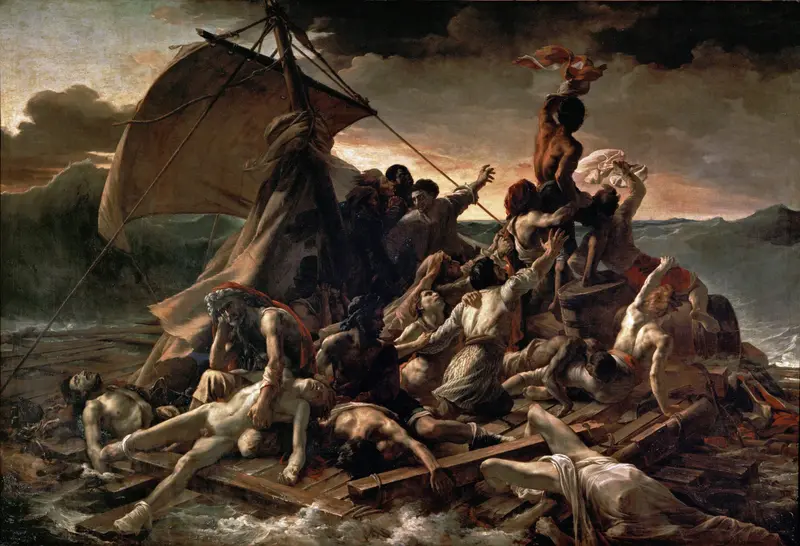
The Raft of the Medusa
Théodore Géricault

Géricault - Le naufrage du radeau de la Méduse, MBA 790
Théodore Géricault
Cattle Market
Théodore Géricault
Evening; Landscape with an Aqueduct
Théodore Géricault
Horse Race
Théodore Géricault

Horses Standing in a Mews
Théodore Géricault
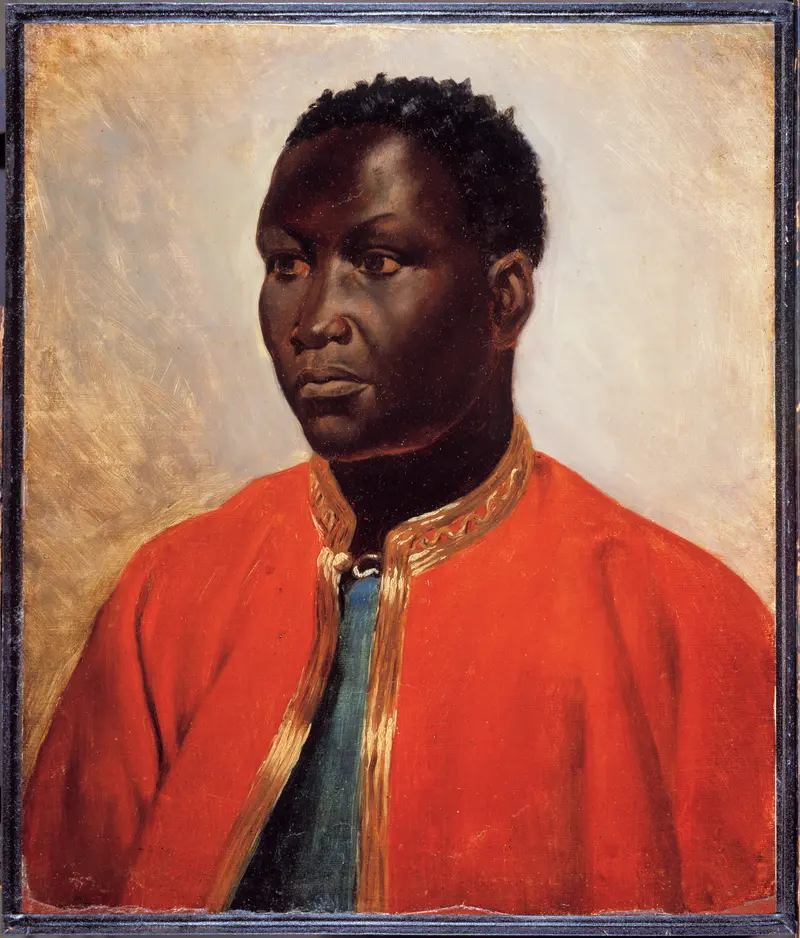
Portrait of a Negro
Théodore Géricault
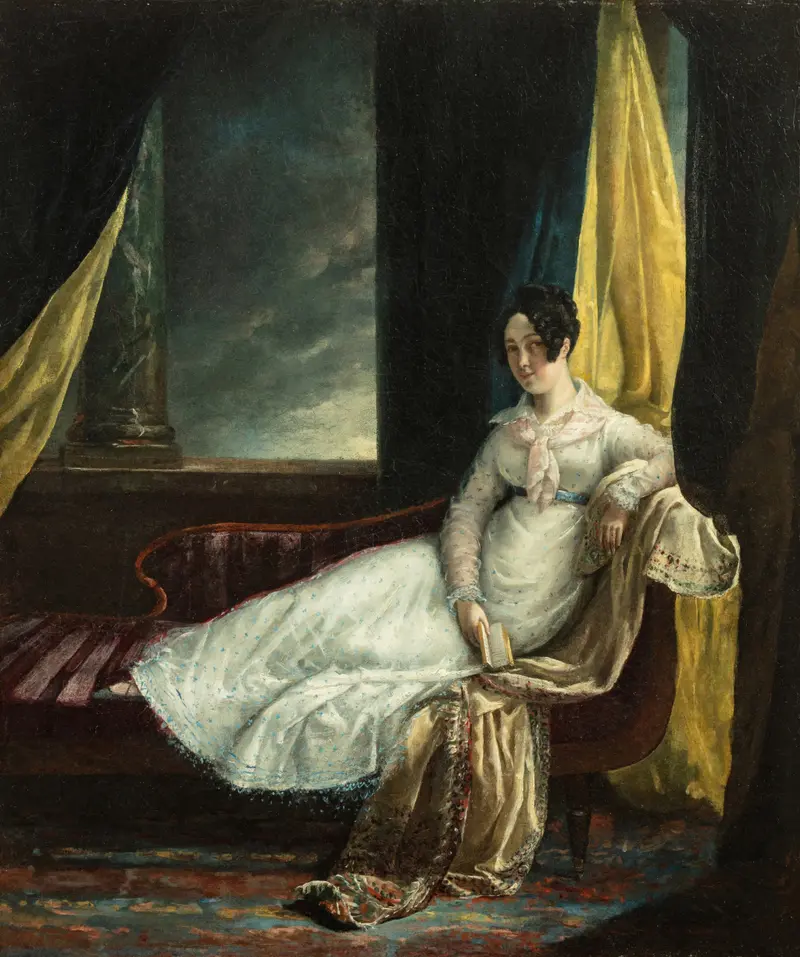
Portrait of Zoë Elmore
Théodore Géricault
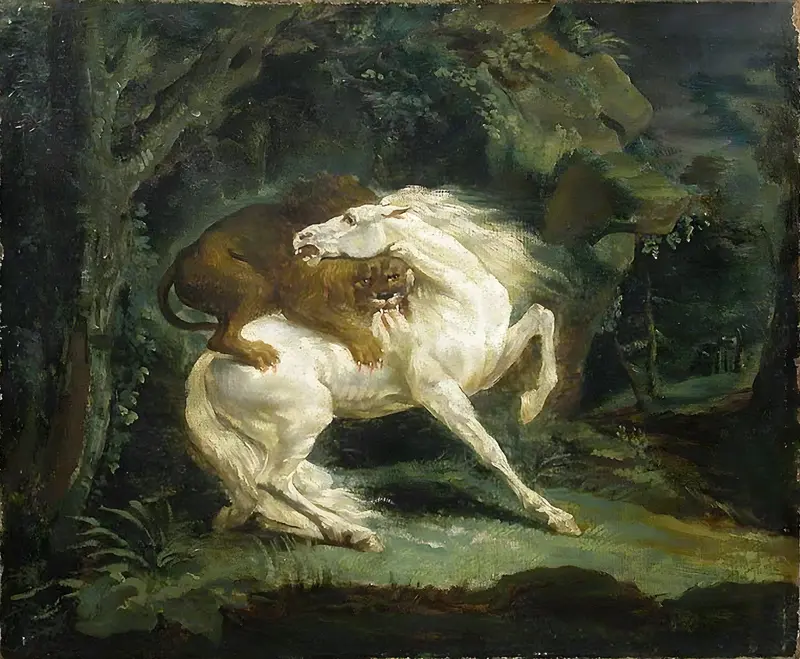
Cheval attaqué par un lion
Théodore Géricault
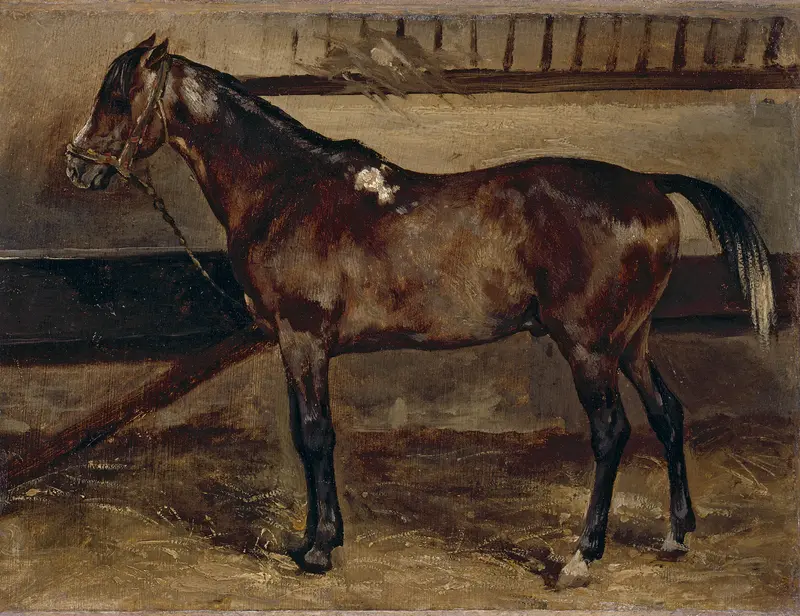
Cheval brun à l'écurie
Théodore Géricault





