
Head of a Youth — History & Facts
Few works in the career of Théodore Géricault are as haunting as Head of a Youth, painted in 1821, just two years after the scandal of The Raft of the Medusa. What makes this study remarkable is its likely connection to the artist’s intense fascination with the human figure in death and suffering—a fascination that led him, during this period, to frequent Paris morgues and hospitals in search of models. Some scholars suggest that this head may have been painted from life, or even after death, as part of Géricault’s controversial practice of studying corpses to capture the raw truth of human anatomy.
The ambiguity of the sitter’s identity and state—alive or dead—has fueled debate for generations. The youth’s face, rendered with bold, rapid strokes, is caught in a moment of ambiguous repose. The half-closed eyes and slack mouth suggest sleep, but the pallor and stillness hint at something more final. Géricault’s use of shadow engulfs the lower jaw and neck, focusing the viewer’s gaze on the delicate modeling of the brow and cheekbones.
There is no narrative context, no background to anchor the figure: all attention is drawn to the fragile boundary between life and death. In contrast to Ingres’s idealized portraits, Géricault’s study is unflinching and immediate, stripping away the conventions of beauty to confront the viewer with the reality of the human condition. The precise journey of Head of a Youth through the years is not fully documented, a fate shared by many of Géricault’s studies and sketches. It is likely that this work remained in the artist’s studio, passing through the hands of collectors who prized such intimate glimpses into his process.
Today, it stands as a testament to Géricault’s restless search for truth in the human form, bridging his grand historical canvases and his more private, experimental works. The painting’s unresolved questions—about its sitter, its purpose, even its medium—continue to intrigue those who encounter it, offering a window into the turbulent world of early nineteenth-century Romanticism.
More Artworks by Théodore Géricault
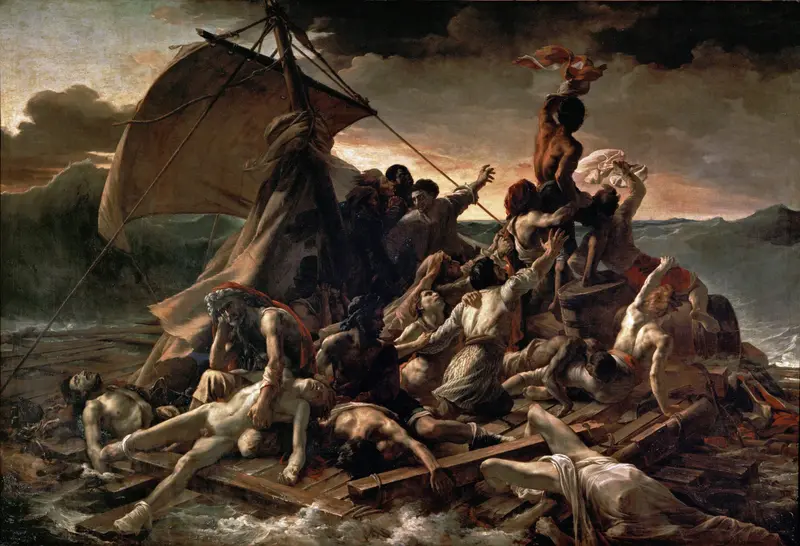
The Raft of the Medusa
Théodore Géricault

Géricault - Le naufrage du radeau de la Méduse, MBA 790
Théodore Géricault
Cattle Market
Théodore Géricault
Evening; Landscape with an Aqueduct
Théodore Géricault
Horse Race
Théodore Géricault

Horses Standing in a Mews
Théodore Géricault
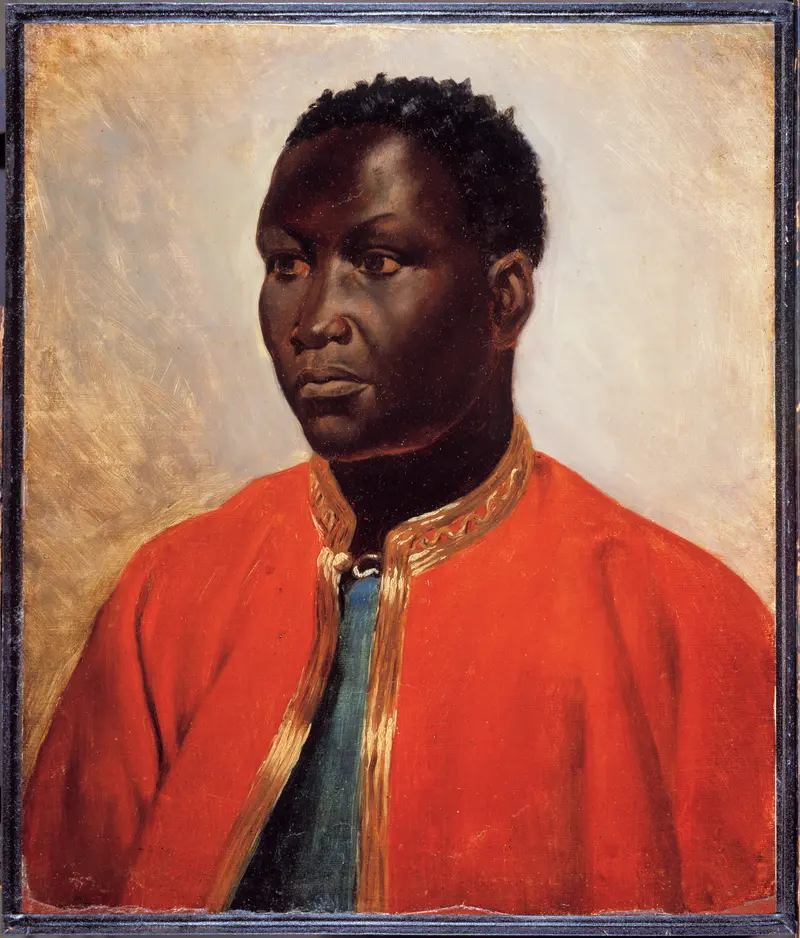
Portrait of a Negro
Théodore Géricault
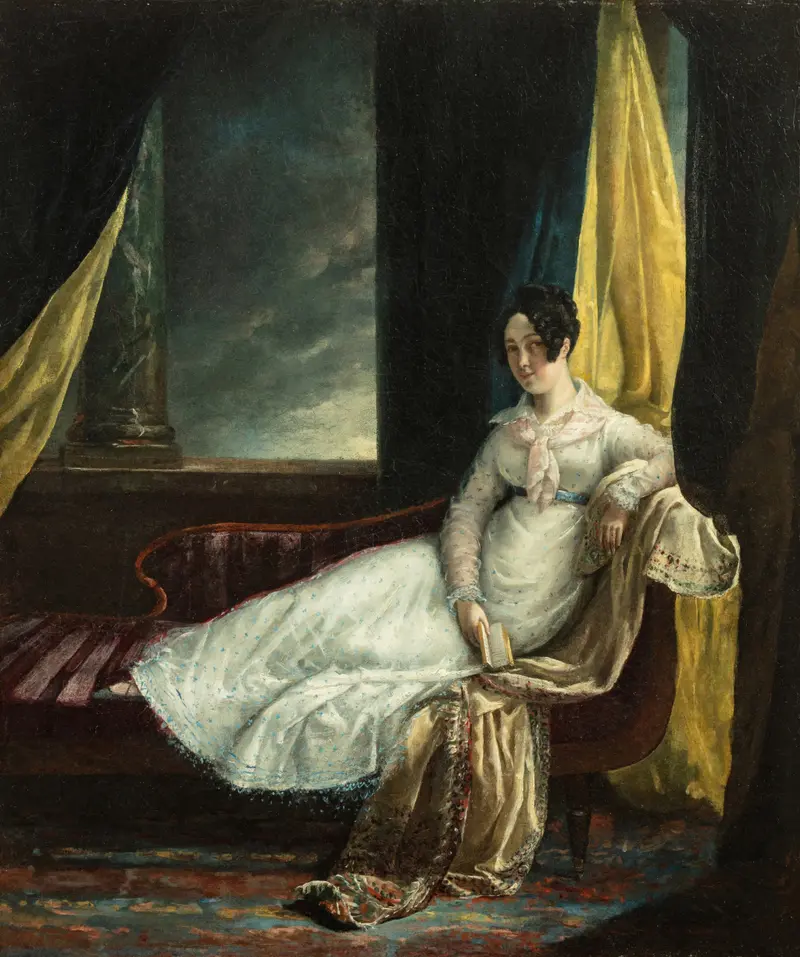
Portrait of Zoë Elmore
Théodore Géricault
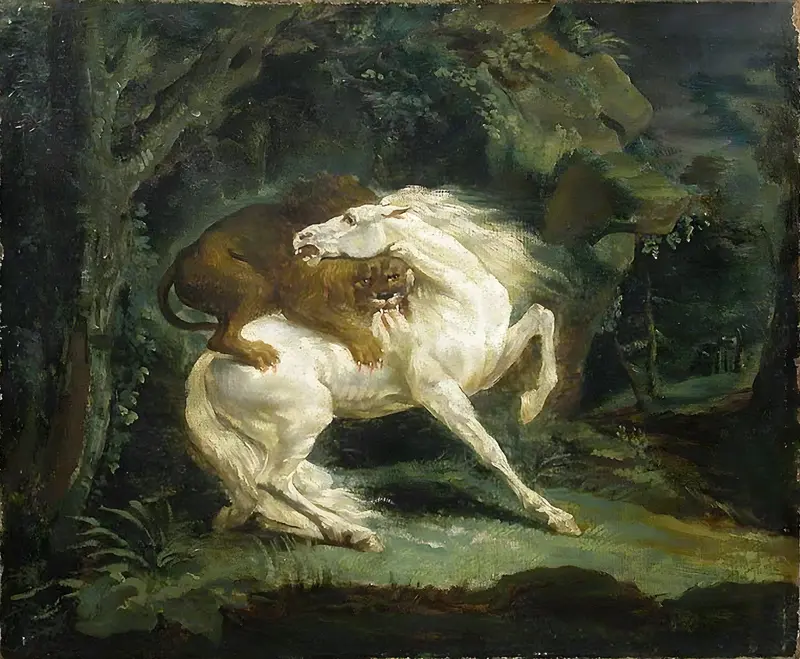
Cheval attaqué par un lion
Théodore Géricault
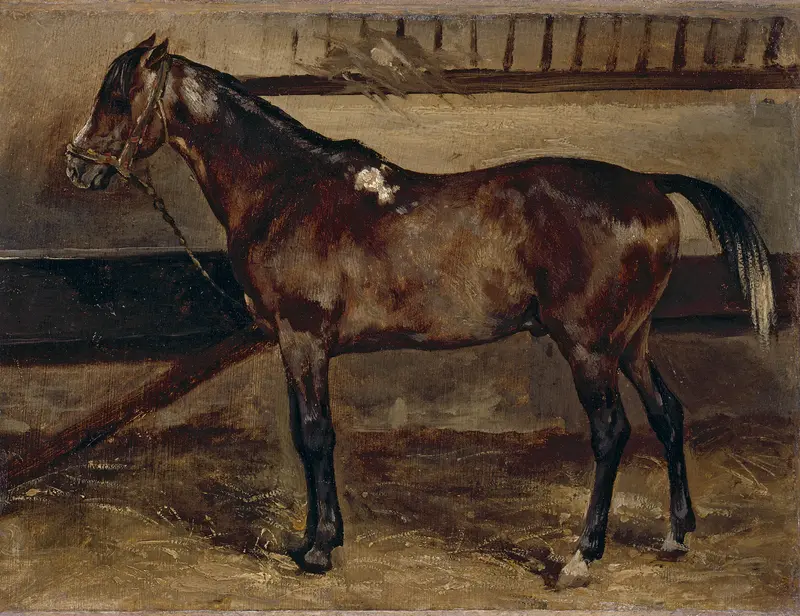
Cheval brun à l'écurie
Théodore Géricault





