
Heroic Landscape with Fishermen — History & Facts
When Théodore Géricault completed Heroic Landscape with Fishermen in 1818, he was just emerging from the storm of controversy that followed his monumental The Raft of the Medusa. Painted during a period of intense personal and artistic searching, this landscape stands out as one of the rare times Géricault turned his gaze away from human catastrophe to the grandeur of nature. It is also one of the few large-scale landscapes he ever attempted, making it a curiosity among his otherwise drama-laden oeuvre.
Scholars note that the painting was likely never exhibited in his lifetime, and its very existence is a testament to his restless experimentation during the years before his early death. In the painting, a group of fishermen labor along the banks of a river, dwarfed by towering trees and a sky heavy with rolling clouds. The moment is one of struggle and endurance: men haul nets from the water, their bodies tense against the weight, while others rest on the shore, their faces turned toward the uncertain weather. The light falls unevenly, spotlighting the figures and casting deep shadows into the forest beyond, suggesting both hope and threat.
The fishermen’s humble toil is set against a landscape that feels almost mythic in scale, recalling the grandeur of Claude Lorrain’s classical vistas, yet Géricault injects a rawness and immediacy absent from the idealized worlds of his predecessors. The painting’s drama lies not in narrative climax, but in the silent contest between man and nature. The precise early history of Heroic Landscape with Fishermen is unclear; there is no record of a commission or early exhibition, and the painting may have remained in the artist’s studio until his death in 1824. Its medium is not definitively documented, though it is widely presumed to be oil on canvas, in keeping with Géricault’s other major works of the period.
Today, the painting is recognized as a rare example of Géricault’s engagement with landscape, a genre he seldom pursued but approached with characteristic intensity. It offers a glimpse into the artist’s restless mind during a pivotal moment in the development of the Romantic movement, bridging the gap between the heroic and the everyday.
More Artworks by Théodore Géricault
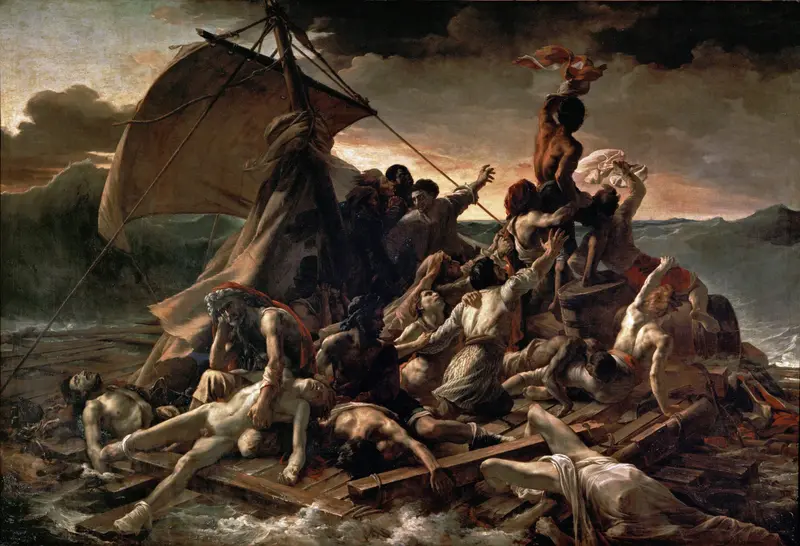
The Raft of the Medusa
Théodore Géricault

Géricault - Le naufrage du radeau de la Méduse, MBA 790
Théodore Géricault
Cattle Market
Théodore Géricault
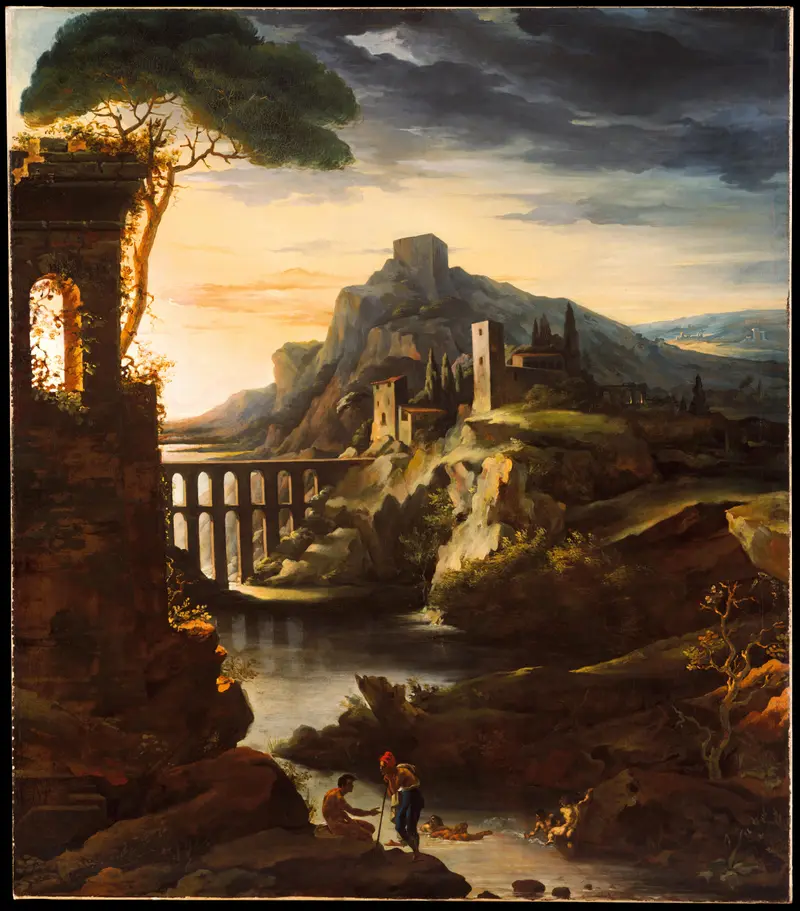
Evening; Landscape with an Aqueduct
Théodore Géricault
Horse Race
Théodore Géricault

Horses Standing in a Mews
Théodore Géricault
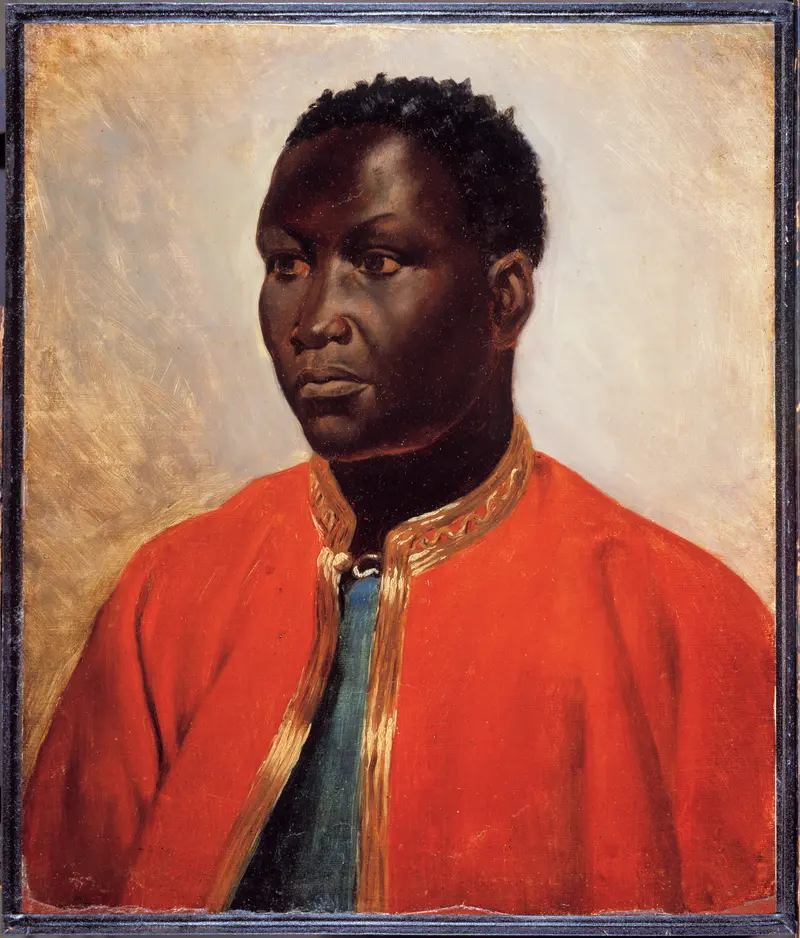
Portrait of a Negro
Théodore Géricault
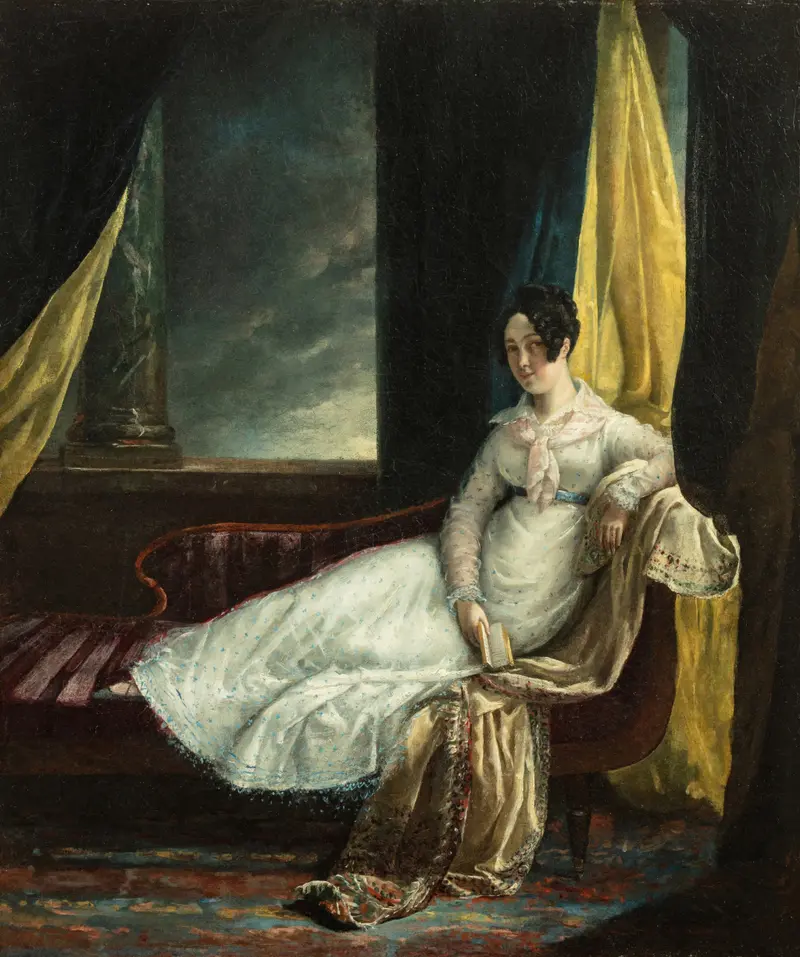
Portrait of Zoë Elmore
Théodore Géricault
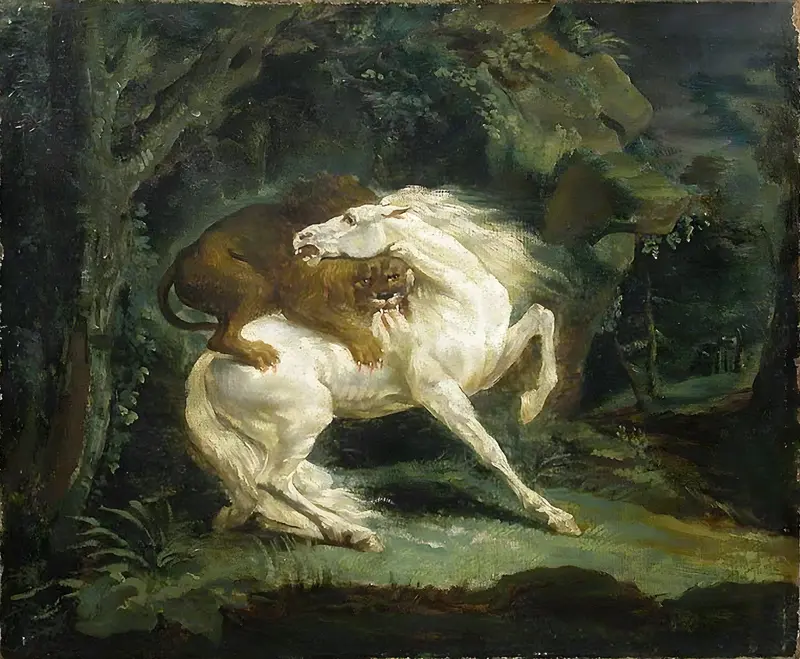
Cheval attaqué par un lion
Théodore Géricault
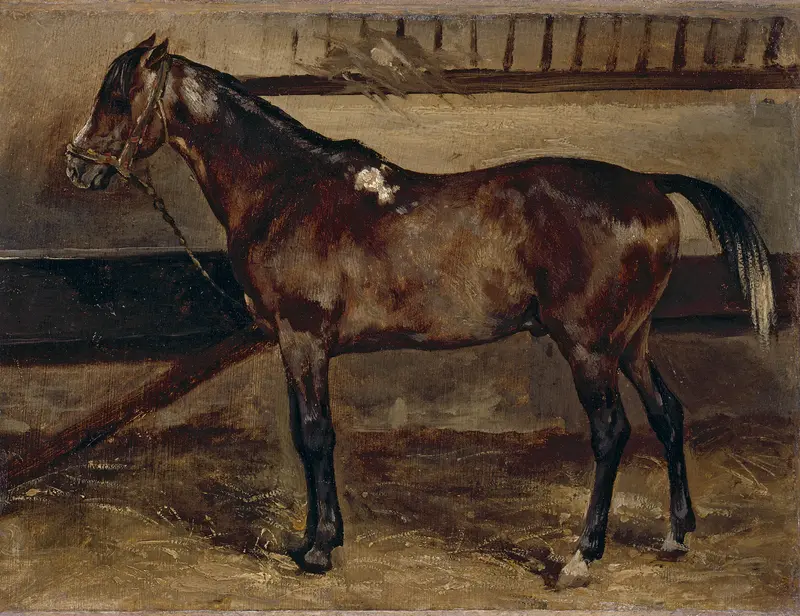
Cheval brun à l'écurie
Théodore Géricault
More Landscape Art

The Starry Night
Vincent van Gogh

View of Delft
Johannes Vermeer

Water Lilies
Claude Monet

The Grand Canal, Venice, looking north-west from the Ca' Corner to the Ca' Contarini degli Scrigni, with the campanile of Santa Maria della Carità
Canaletto

Windsor Castle
Canaletto

The Grand Canal looking North-East from the Palazzo Dolfin-Manin to the Rialto Bridge
Canaletto